
The U.S. State Department is drawing up plans to return diplomats to embassies across the Middle East.
Embassies that were previously evacuated at the beginning of the war with Iran include countries that have been targeted during the conflict, such as Israel.
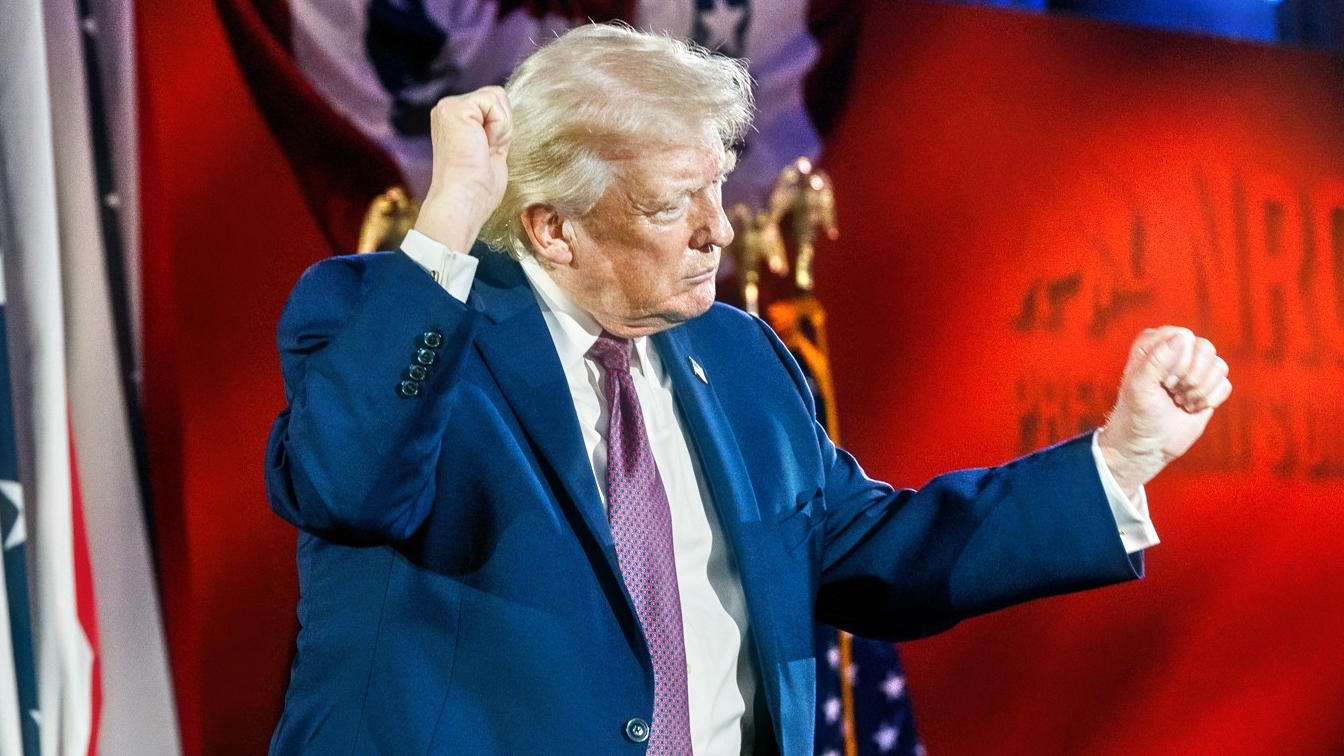
President Donald Trump delivers remarks at a meeting of the National Republican Congressional Committee, Wednesday, March 25, 2026, at Union Station in Washington, D.C. (Official White House photo by Joyce N. Boghosian)
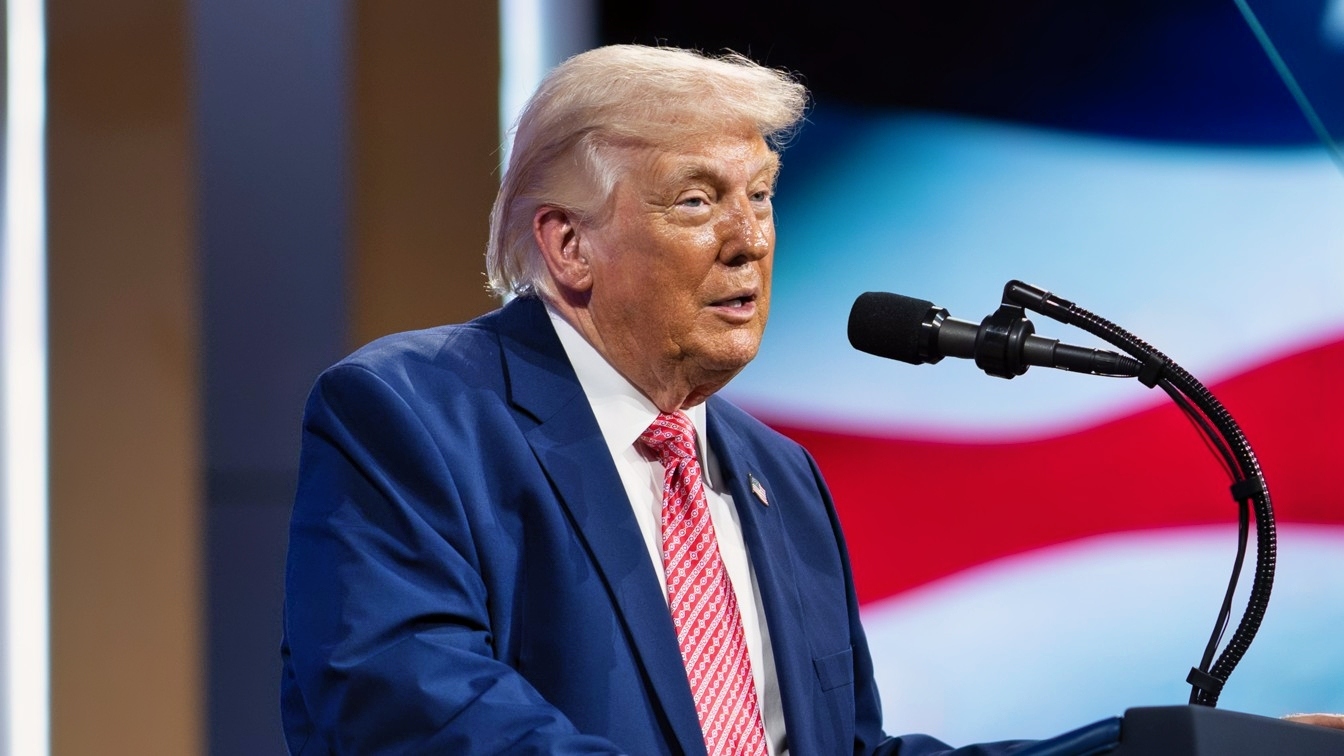
Donald Trump Flickr/White House Photo
The New York Times, which first reported the story on Tuesday, 25th August, cited an internal State Department report saying some U.S. missions began returning to pre-war staffing levels as early as this week.
Emergency Measures Ending
Embassies across the Middle East were placed under emergency measures after the conflict began in February.
Non-essential personnel and their families were evacuated, with the measures impacting missions in Israel, Lebanon, Saudi Arabia, Qatar, Jordan, Oman, Iraq, and Kuwait.
While Iranian strikes have largely centered on Israel, neighboring nations, even if their desire was otherwise, have been targeted, with Tehran demonstrating a willingness to attack U.S. military bases around the Middle East.
According to the State Department document, staffing levels would return to full capacity in Israel, Jordan, and Oman.
While Lebanon would be the first to see diplomats return, the report states that staffing would be initially capped at 85% — the same levels seen in the United Arab Emirates, Saudi Arabia, and Qatar.
In Iraq, Kuwait, and Bahrain, staffing would be capped at 75% initially.
Why Now?
According to the New York Times, the State Department said it “continuously reviews the security posture at our diplomatic missions around the world.”
“Based on our latest assessment, we are adjusting our staffing posture at certain posts in the Middle East to ensure we can continue advancing U.S. foreign policy objectives while protecting the safety and security of our personnel,” the statement added.
Although the situation in the Middle East remains tense with no formal peace agreement signed between the U.S., Israel and Iran, hostilities have largely been confined to isolated incidents since April.
For the most part, these have involved the Strait of Hormuz – a key shipping lane through which 20% of the world’s oil and gas passes from the Gulf states.
Trump’s Economic Strategy
President Donald Trump has sought an economic campaign against Iran since fighting ceased earlier this year.
Mass bombardment has a limited impact while Iranian government officials hide in underground bunkers, meaning a full-scale invasion in the absence of a revolution is likely the only military solution.
Risking American lives for a war that is already unpopular is unlikely to do Trump any favors, particularly with the midterms fast approaching, notwithstanding the sheer size and accompanying terrain of Iran’s borders.
In recent months, Trump has focused on economic pressure to force the Iranian regime into submission. Sanctions are not only being applied to Iran, but also to countries which continue to trade with the Persian state following the “economic D-Day” announcement on Monday, 24th August.
If it can’t be achieved militarily, Trump’s plan will be to cripple Iran economically by forcing it into isolation.
Of course, there is debate over how effective such an approach may be when dealing with a nation which has spent much of the past 50 years under economic sanctions.
Former vice president Mike Pence is one advocate of renewed military action, urging the president to “finish the job” earlier this week.
Muting Militarism… For Now
Evidently, the State Department’s decision to return embassy staffing to near enough pre-war levels suggests that the Trump administration is not expecting a renewed large-scale conflict any time soon.
That’s not to say a return to hostilities is not on the cards, of course.
Diplomats in Middle Eastern embassies will be well prepared for another emergency evacuation, particularly having gone through the process less than six months ago.
Trump will be keen to avoid further escalation, and his receptiveness to Israeli Prime Minister Benjamin Netanyahu’s demands for military action will likely be lower than it was at the beginning of the year.
It also suggests that Trump believes the economic pressure is working, or, at the very least, believes it needs time to bring Iran back to the negotiating table.
Whether that approach is successful remains to be seen, but the return of diplomats to their missions signals to Iran that the U.S. is not planning a repeat of February any time soon.
About the Author: Shay Bottomley
Shay Bottomley is a British journalist based in Canada. He has written for the Western Standard, Business Insider, Maidenhead Advertiser, Slough Express, Windsor Express, Berkshire Live and Southend Echo.