

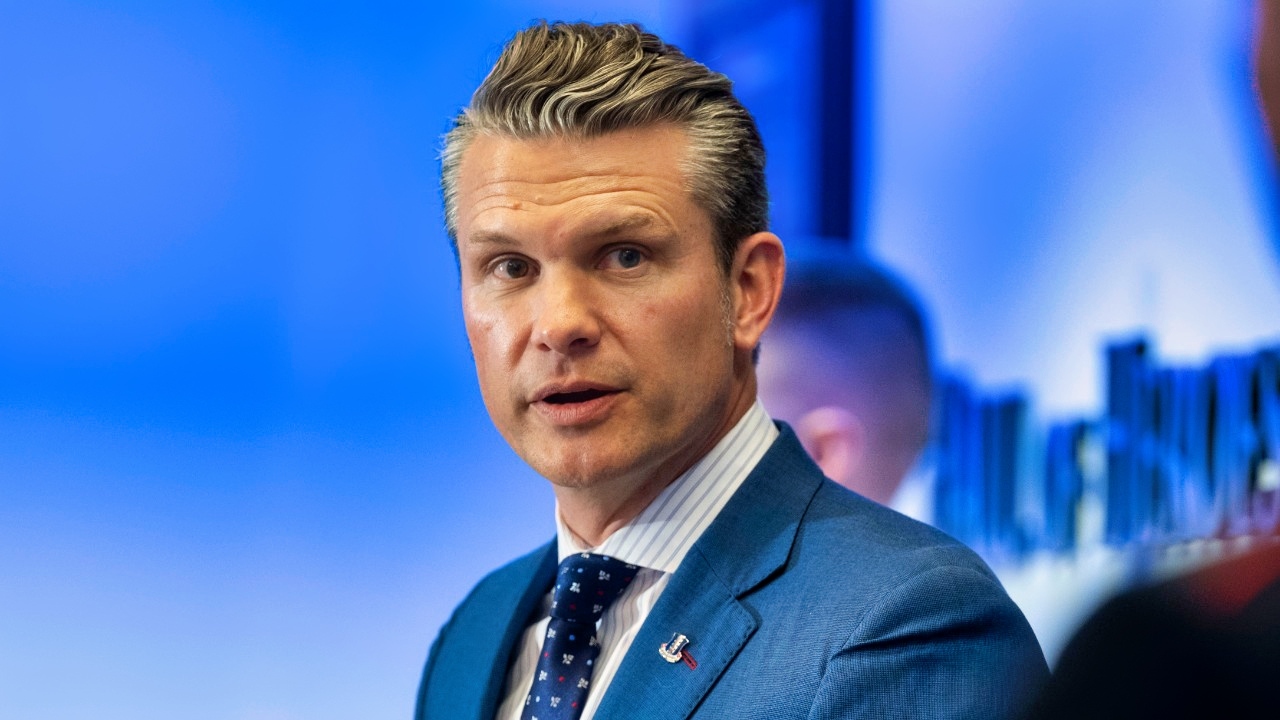
The chaos at the Pentagon continued this week, as Daniel P. Driscoll, the Secretary of the Army, resigned. Driscoll submitted his resignation to the president in person. Wednesday will be his final day in the role.
According to the New York Times, Driscoll had been clashing with Defense Secretary Pete Hegseth, especially over the recent ouster of Army leaders. Hegseth fired Gen. Randy George, the Army’s chief of staff, in April and has not replaced him; the Defense Secretary has also pushed out three senior officers seen as possible successors. U.S. Army Europe’s Gen. Chris Donahue also recently departed.
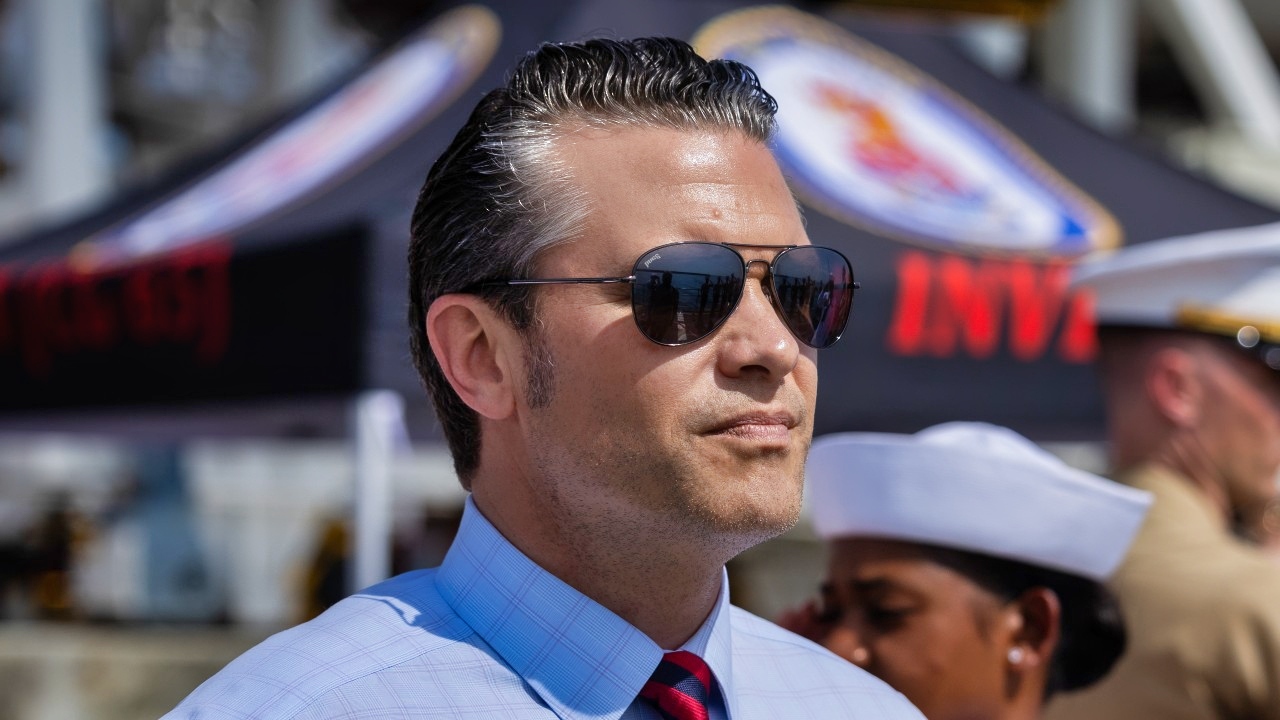
U.S. Secretary of Defense Pete Hegseth boards the Ticonderoga-class guided-missile cruiser, USS Chosin (CG 65), Panama, April 9, 2025. U.S. Southern Command and the Panamanian security forces collaborate to ensure and maintain regional stability during natural disasters, medical catastrophes or regional conflicts. (U.S. Marine Corps photo by Lance Cpl. Van Hoang)

Secretary of Defense Pete Hegseth hosts a bilateral exchange with Australian Deputy Prime Minister Richard Marles at the Pentagon, Washington, D.C., Feb. 7, 2025. (DoD photo by U.S. Air Force Senior Airman Madelyn Keech)
Hegseth has suggested that his spokesman, Sean Parnell, might replace Driscoll, although the newspaper said Parnell could have difficulty securing Senate confirmation.
Hegseth, the Times reported, has “initiated a series of firings and feuds that has left the Army essentially rudderless as it struggles to deal with the threat posed by cheap, deadly drones and missiles that have pounded U.S. bases in the Middle East.”
Driscoll’s departure also follows the Pentagon’s controversial firing of three Stars & Stripes journalists, who have since sued the government, claiming they were fired in retaliation for reporting on conditions aboard the USS Abraham Lincoln.
Why Driscoll Left
Per the Times, Driscoll was seen by some as a potential successor to Hegseth, should the “Secretary of War” ever leave his position. The outgoing Army Secretary was also seen as having a better relationship with Congress than Hegseth. With all of the appropriations requests the Pentagon makes, strong relationships with Congress are crucial.
Driscoll told Trump, in their meeting, that he was “frustrated with Mr. Hegseth’s ouster of so many proven Army leaders and his blocking the promotions of a number of colonels who had worked for people he did not like.”
The Wall Street Journal first reported that Driscoll was stepping down.
“Driscoll brought up concerns with the administration surrounding Army transformation and readiness, and Hegseth’s blocking those efforts, specifically by firing the generals who were responsible,” one source told Defense One about Driscoll’s resignation.
MS NOW had more on the circumstances of Driscoll’s exit in an opinion piece by Kevin Baron.
Dissension in the Ranks
The Army Secretary’s departure, the report said, has “exposed a level of dissension with the senior ranks of the Department of Defense that has become alarmingly frequent and consistent,” especially as the Iran conflict continues amid questions about the sustainability of American military resources.
Baron, in the opinion piece, noted that Driscoll’s is the latest in a long list of Pentagon departures during the second Trump presidency. Trump and Hegseth, in the last 18 months, have “retired the Joint Chiefs chairman; the chiefs of the Army, Air Force and Navy; vice chiefs; combatant commanders; intelligence chiefs; and special operations leaders from Miami to NATO headquarters.”
In most cases, the reasons for the person’s departure have not been made clear. But in many of them, the departing personnel did not share Hegseth’s focus on culture war policies.
CNN had more on the departure.
“It’s critical that you have key leaders that understand technology and have the temperament to deal with industry and turn that into the formation,” a former senior Army official told the network. “When you fire these guys for arbitrary reasons, it creates confusion and a void … the Army is enduring turbulence right now.”
One Democratic senator expressed his unhappiness with the news.
“I am alarmed that Secretary Driscoll’s leadership of the Army stands in stark contrast to Secretary Hegseth’s disastrous tenure atop the Defense Department,” Sen. Jack Reed (D-RI) said in a statement this week.
A New Leader For the Navy
Meanwhile, the president announced Wednesday that he was nominating Hung Cao, who had been serving as acting secretary of the Navy since the spring, for the permanent job. Cao is a 25-year Navy veteran who previously served as undersecretary. He stepped in when the previous secretary of the Navy, John Phelan, departed in April.
“I am pleased to nominate a true WARRIOR,” Trump said on Truth Social, while calling on the Senate “to confirm this Warfighter, ASAP.”
As acting secretary, Cao oversaw the USS Abraham Lincoln’s long deployment and the ship’s poor conditions, and will likely face questions about them during his confirmation process.
About the Author: Stephen Silver
Stephen Silver is an award-winning journalist, essayist, and film critic, and contributor to the Philadelphia Inquirer, the Jewish Telegraphic Agency, Broad Street Review, and Splice Today. The co-founder of the Philadelphia Film Critics Circle, Stephen lives in suburban Philadelphia with his wife and two sons. For over a decade, Stephen has authored thousands of articles that focus on politics, national security, technology, and the economy. Follow him on X (formerly Twitter) at @StephenSilver, and subscribe to his Substack newsletter.


