
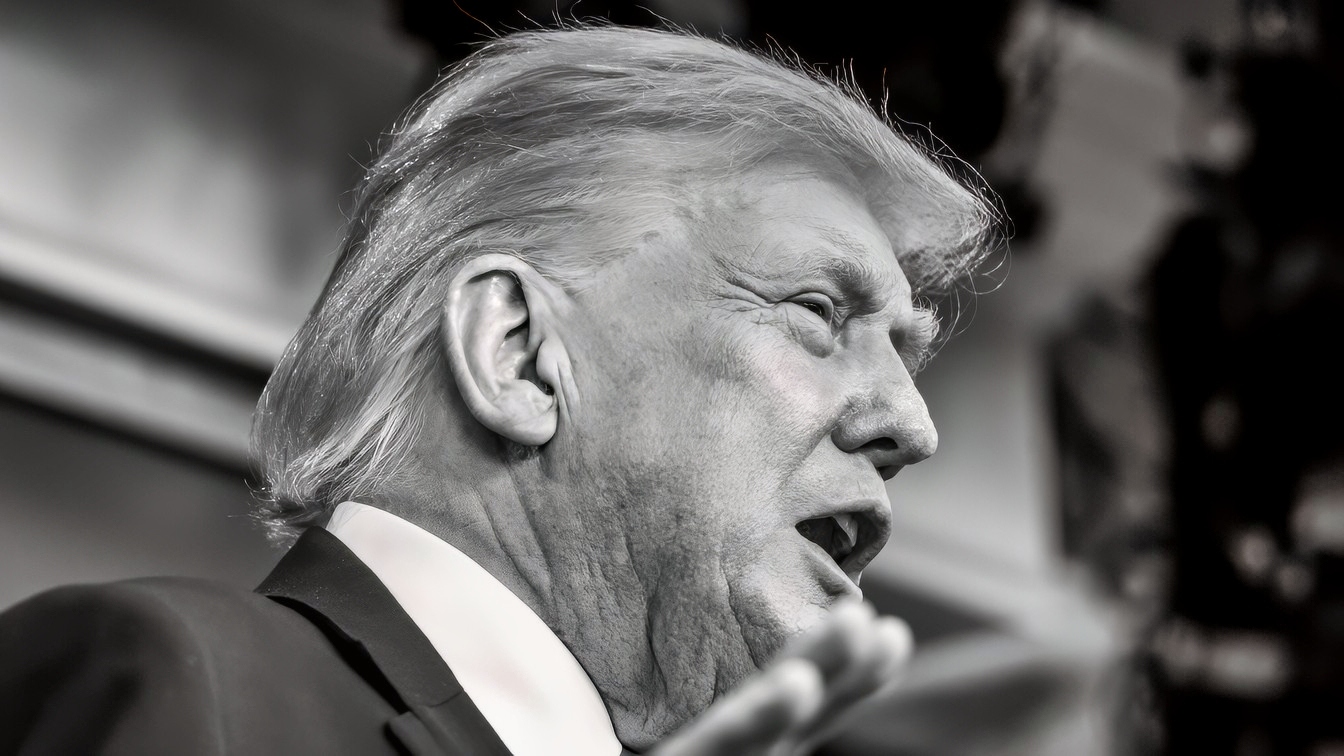
President Donald Trump is under immense pressure from the incoming Democratic-controlled Congress, the impending investigations, and the two wars he is struggling to wind down. With two years left in office, the president has a lot to prove and a legacy to protect.
Still, in the face of it all, many commentators and analysts are publicly speculating about the possibility that he could simply resign and hand the reins over to Vice President JD Vance.
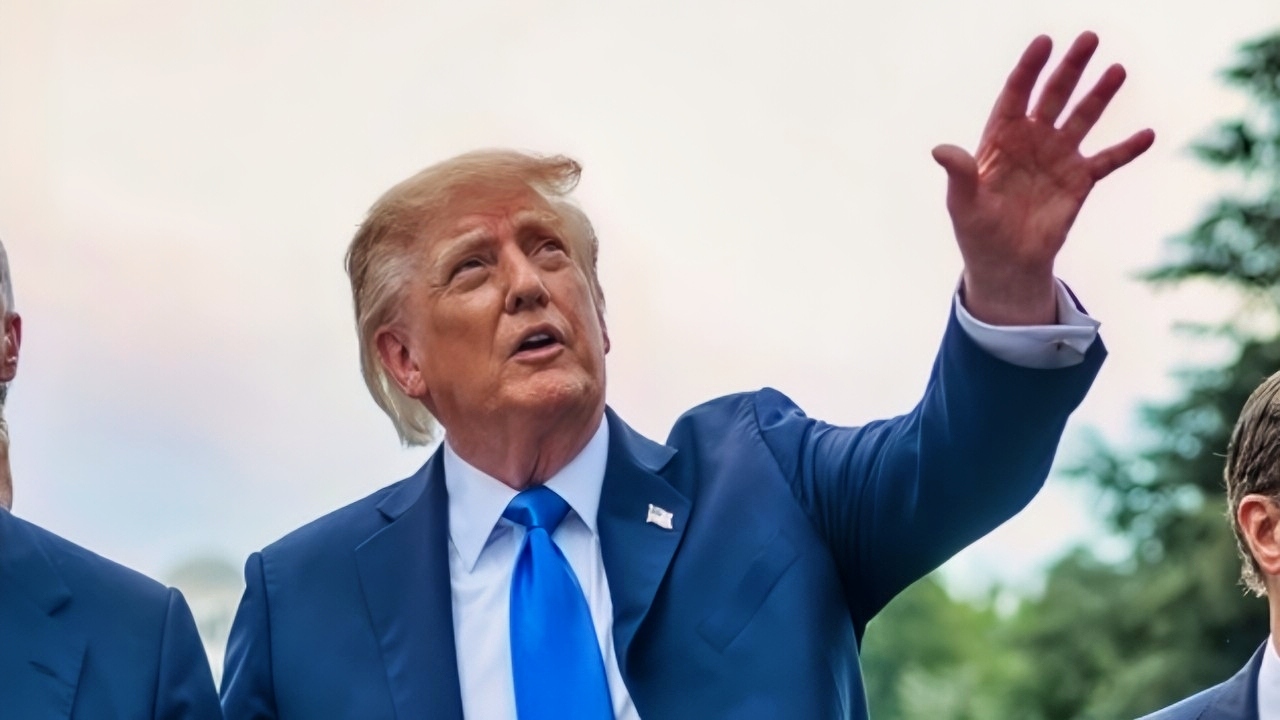
President Donald J. Trump gives U.S. travel executives a tour of the White House grounds after a press conference in the Oval Office, Wednesday, September 2, 2026. (Official White House Photo by Molly Riley)
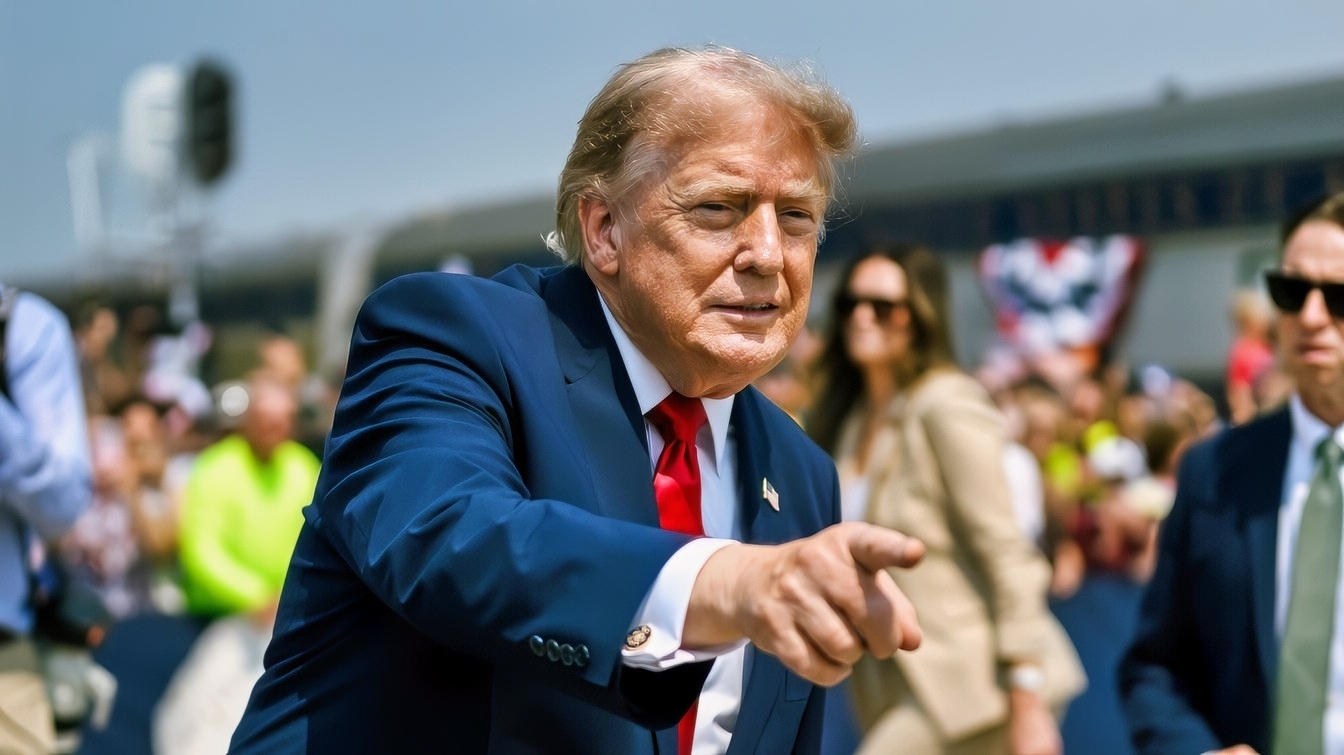
President Donald J. Trump greets the crowd in Medora, North Dakota, after arriving on the Freedom 250 Train en route to the grand opening of the Theodore Roosevelt Presidential Library, Wednesday, July 1, 2026. (Official White House Photo by Daniel Torok)
And the pressure is only increasing, too, with incoming House Oversight Committee Chairman Robert Garcia reportedly sending letters to 12 people connected to the president and his administration on November 18, instructing them to preserve records for congressional investigations.
The news comes as a new Reuters/Ipsos poll finds President Trump’s approval rating stuck near its lowest-ever recorded level.
And while some believe that mounting pressure could force Trump to step down, there are good reasons to believe that he will remain in the White House until the end of his term.
What Ralph Nader Said
On October 8, consumer advocate and former presidential candidate Ralph Nader published an opinion piece in the Washington Monthly examining what it might take to persuade President Trump to leave office of his own volition.
Nader suggested that the prospect of investigations and his declining political influence in his lame-duck years, along with claims that the president is suffering from health problems, could be enough to prompt him to step down voluntarily.
According to Nader, Trump could also still declare victory over his political opponents, claim he fulfilled his campaign promises, and then hand power to a younger Republican who would be left to fight the next presidential election with or without his support.
It’s an argument that has been made before, and that has not yet come to pass—and which President Trump, at least publicly, does not even seem to be entertaining.
While Nader drew comparisons with Richard Nixon, who resigned in August 1974 amid the Watergate scandal, Trump has endured a huge amount of scrutiny over the last ten years and resisted attempts to put him behind bars.
Recent history suggests that the president is probably in this for as long as he’s got.
Democrats Prepare Investigations
The threat of investigations is now very real, with the new Congress — controlled by Democrats — set to convene in January.
According to reports on November 18, Garcia’s letters to 12 individuals connected to the president identify possible investigations relating to the president’s family’s cryptocurrency business, foreign business dealings by the president’s son-in-law, Jared Kushner, immigration enforcement and policy, and the Trump administration’s handling of files related to the Jeffrey Epstein investigation.
But the White House isn’t taking it lying down, with White House counsel Will Scharf warning Garcia on November 9 that some comments by Democratic lawmakers could constitute criminal conduct if intended to intimidate Trump administration officials.
Those investigations pose problems for the president, not necessarily because he has done anything wrong—the investigations should serve as an opportunity to find that out, not simply to prove baseless accusations—but because they could further hurt the president’s abysmal approval ratings.
A Reuters/Ipsos poll conducted between November 13 and 16 found that just 32% of American adults approve of the president’s performance in office, compared with 66% who disapprove.
Democrats Don’t Know Whether to Impeach
While some are hopeful that President Trump will resign, others believe that impeachment is still the only option to remove President Trump from power.
Whether removing Trump from power will serve much of a purpose for Democrats is hard to say, of course.
After all, Trump leaving office would give Vice President JD Vance, who is arguably more conservative, an opportunity to prove himself ahead of 2028 and could theoretically put the Democrats at a disadvantage.
Trump staying in office, meanwhile, could taint the Republican Party with his unpopularity, therefore making resignation or impeachment less advantageous to the Democrats.
On November 16, POLITICO reported that Democrats are divided over the question of impeachment, with Rep. Jamie Raskin of Maryland warning that impeachment could allow Trump to rally his supporters after the midterm defeats. And even with control of the Senate, Democrats would still need significant Republican support to remove him from office.
Trump Isn’t Going Anywhere
There are several reasons to believe that President Trump will keep fighting and remain in office.
Trump hopes to secure agreements to end the wars in Iran and Ukraine, and resigning would potentially mean giving Vance credit for diplomatic breakthroughs that may occur after Trump leaves office.
After spending years trying to secure those achievements, it seems unlikely the president would simply give up now.
The president has also publicly expressed his willingness to negotiate with Democrats, suggesting on election night he would be willing to make agreements on even contentious issues like immigration.
If Democrats think Trump will leave office before 2029, they may find themselves sorely disappointed.
About the Author: Jack Buckby
Jack Buckby is a British researcher and analyst specializing in defense and national security, based in New York. His work focuses on military capability, procurement, and strategic competition, and he produces and edits analysis for policy and defense audiences. He brings extensive editorial experience, with a career output spanning over 1,000 articles at National Security Journal, and has previously authored books and papers on extremism and deradicalization.


