

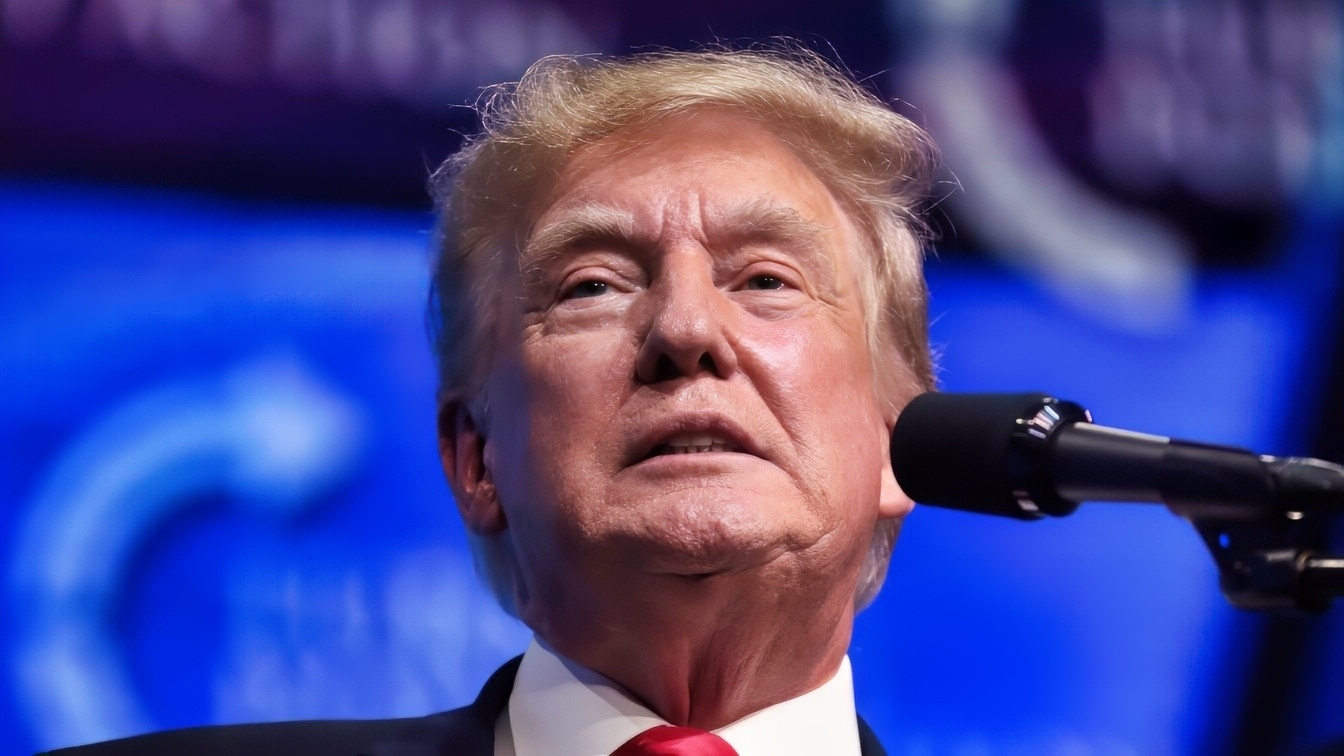
President Donald Trump initially suggested he was willing to cooperate with Democrats following his party’s significant defeats in the November 2026 midterm elections.
The conciliatory posture proved short-lived, however.
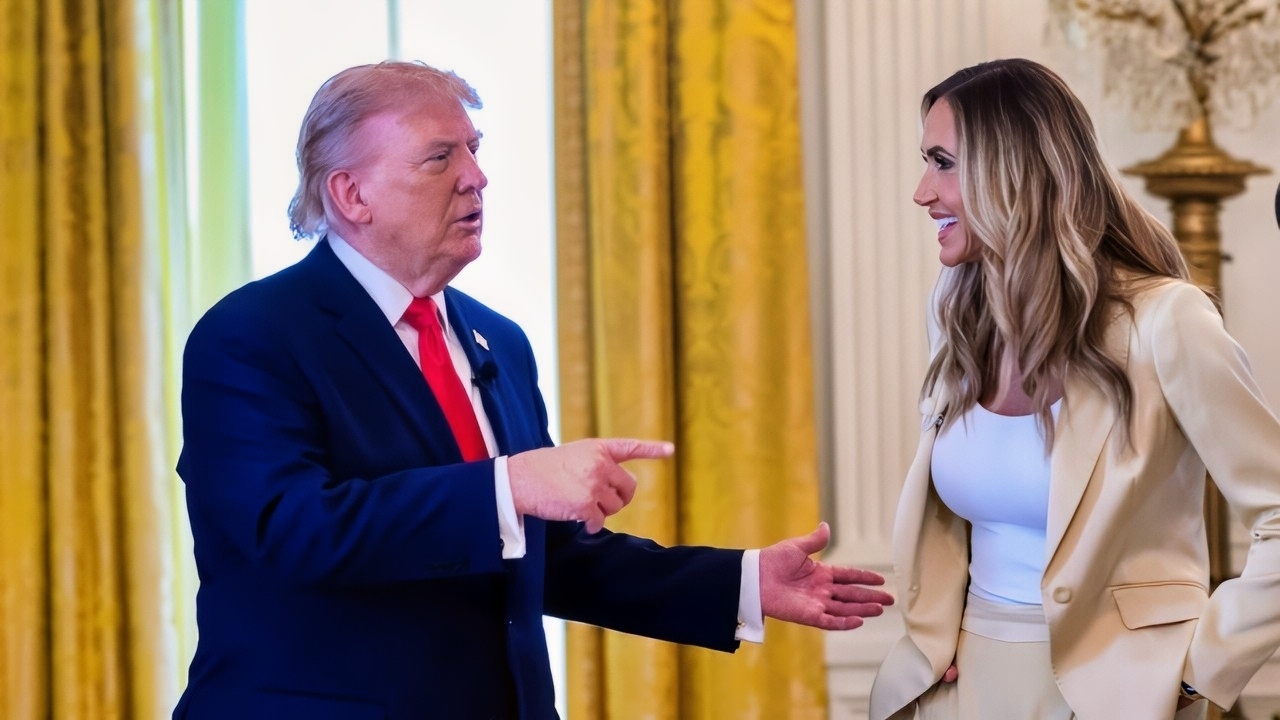
President Donald J. Trump tours the White House with Fox News host and daughter-in-law Lara Trump, Thursday, May 28, 2026. (Official White House Photo by Molly Riley)
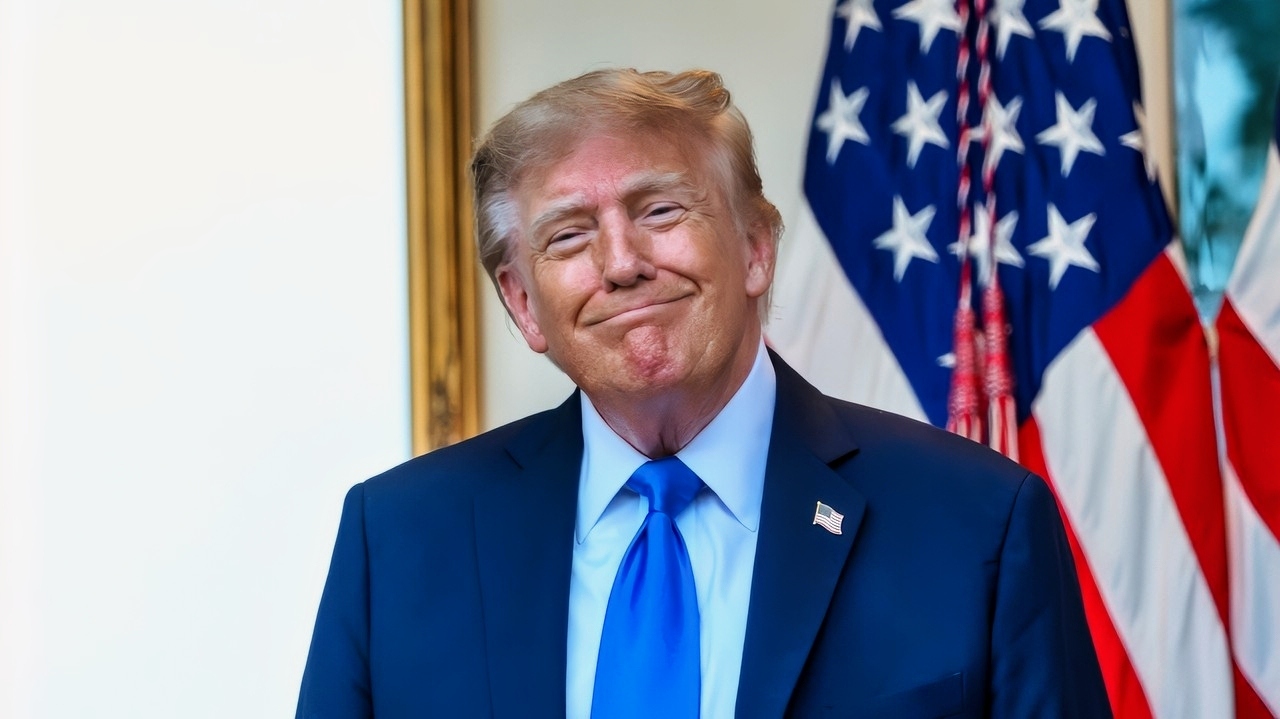
President Donald J. Trump hosts a Rose Garden Dinner, Wednesday, September 2, 2026. (Official White House Photo by Molly Riley)
According to reporting by Jonathan Lemire in The Atlantic, Trump quickly became frustrated with the election results and abandoned his brief overture, instead adopting a more confrontational posture toward Democrats as the party prepared to assume congressional leadership.
The reversal suggests that the remaining two years of the Trump presidency could be combative. But that’s not much of a surprise.
Trump’s Frustration
Trump had invested considerable personal and political resources in the midterm campaign. According to The Atlantic, the president spent weeks campaigning and more than $300 million supporting Republican electoral efforts. Despite that investment, Republicans suffered major losses.
Lemire reported that Trump grew increasingly angry as he watched television coverage and spoke with outside advisers following the election.
A White House official and an outside adviser familiar with Trump’s complaints described his frustration, with Trump reportedly believing he had received little return on his efforts.
Trump then faced several immediate political challenges, including explaining the Republican defeats, reassuring his political base, and preparing his defenses against expected congressional investigations.
Quick Pivot
Trump pivoted rather quickly from a tone of cooperation to one of confrontation.
Trump’s Election Night suggestion that he would work with Democrats briefly raised the possibility of bipartisan cooperation.
However, according to Lemire, the president quickly shifted to a more aggressive political strategy, even questioning the election’s legitimacy and calling for corruption investigations involving Democratic-controlled states and cities.
Trump also reportedly raised concerns about a migrant caravan approaching from Mexico.
These issues have featured prominently in Trump’s political messaging.
The renewed confrontational approach could serve several purposes, including reenergizing Republicans after disappointing election results, redirecting attention toward Democratic opponents, and establishing political leverage before the new Congress convenes.
The shift also suggests limited prospects for sustained bipartisan cooperation.
Democrats Prepare Investigations
Democratic electoral gains have created the prospect of extensive congressional oversight of the Trump administration. According to The Atlantic, Democrats are considering investigations into several controversies involving Trump and his associates.
Potential subjects include business activities involving Jared Kushner, questions surrounding the new Air Force One (gifted by Qatar), and broader allegations involving conflicts of interest and administration conduct.
Of course, these are just potential subjects of investigation—not areas where wrongdoing has been conclusively proven.
Democrats will now need to determine how aggressively to pursue oversight.
If they pursue investigations too aggressively, it could alienate voters who want Congress to focus on economic concerns.
At the same time, avoiding investigations could disappoint Democratic voters who want stronger accountability.
The challenge will be balancing substantive oversight with the political consequences of prolonged confrontation.
Trump’s Broader Challenges
The midterm results have weakened Trump’s political position and increased the importance of congressional negotiations.
A Democratic-controlled Congress could certainly complicate the administration’s legislative agenda and intensify scrutiny of executive-branch decisions.
There are also rising tensions within Trump’s political coalition, including disagreement involving his vice president over the Iran war, meaning Trump’s problems aren’t merely with the Democrats. Regardless, conflict with Congress looms.
Trump seems to favor confrontation, but confrontation carries risks.
Engaging with Congress could make passing legislation harder and deepen public frustration with Washington.
The confrontation reflects a familiar dynamic in American politics, with presidents forced to face a more difficult version of Congress after losing control of the legislative branch.
The approaching transition could create competing centers of political power in Washington.
Trump retains substantial executive authority, of course, but Democrats will now have opportunities to conduct investigations and to challenge the administration’s priorities.
Both sides face political incentives to escalate, though escalation could carry unintended consequences.
Trump’s brief post-election overture to Democrats appears to have given way to a familiar confrontational approach.
With congressional investigations looming and Republicans recovering from electoral defeats, the president faces a challenging political environment.
Whether the parties can find opportunities for cooperation remains uncertain.
For now, the administration appears to be prepping for political combat rather than compromise.
About the Author: Harrison Kass
Harrison Kass is a writer and attorney focused on national security, technology, and political culture. His work has appeared in Tablet, City Journal, The Hill, The Spectator, and The Cipher Brief. He holds a JD from the University of Oregon and a master’s in Global & Joint Program Studies from NYU—more at harrisonkass.com.


