

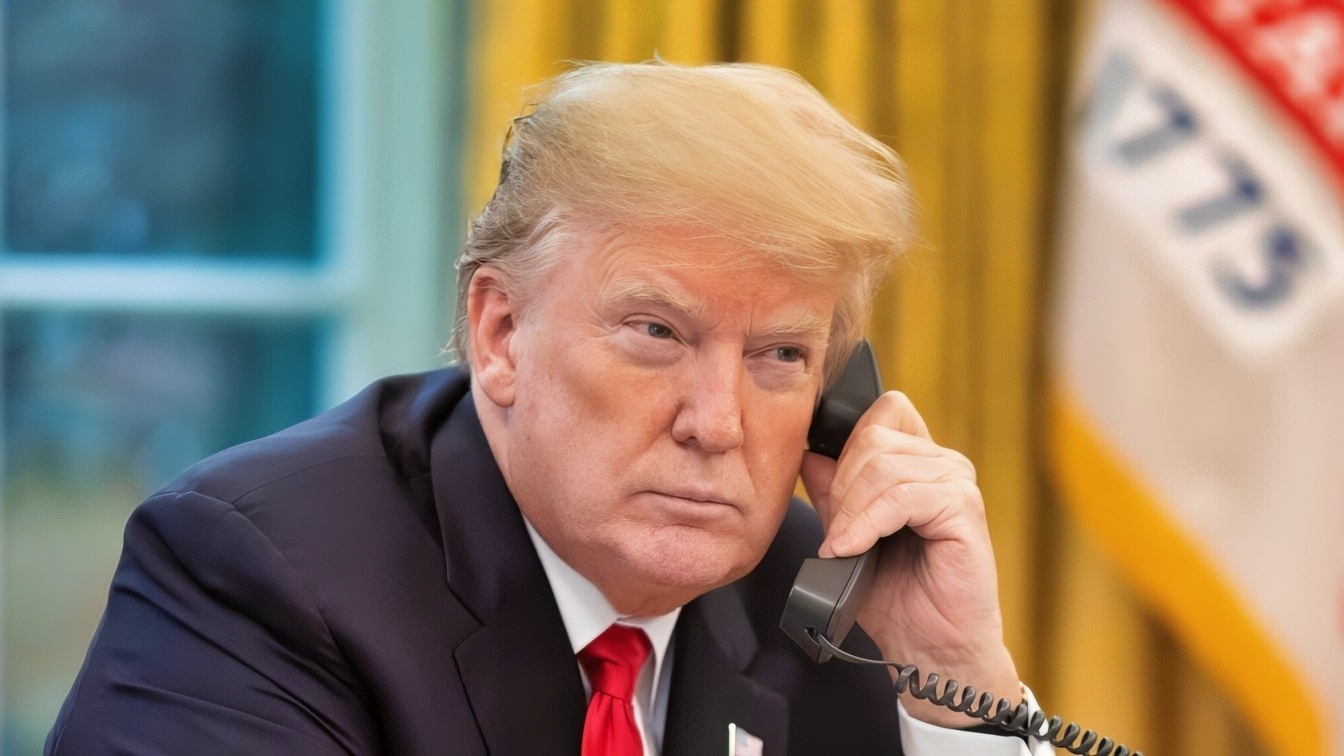
Could the longest-running conflict in Europe since World War II be nearing an end? We’re not quite there yet, but representatives of Ukraine and Russia sat down for mediated talks this week for the first time in nine months.
According to the Associated Press, the talks, which are mediated by the United States, took place in Abu Dhabi on Tuesday.

Vladimir Putin Russian President 2019. Image Credit: Kremlin.
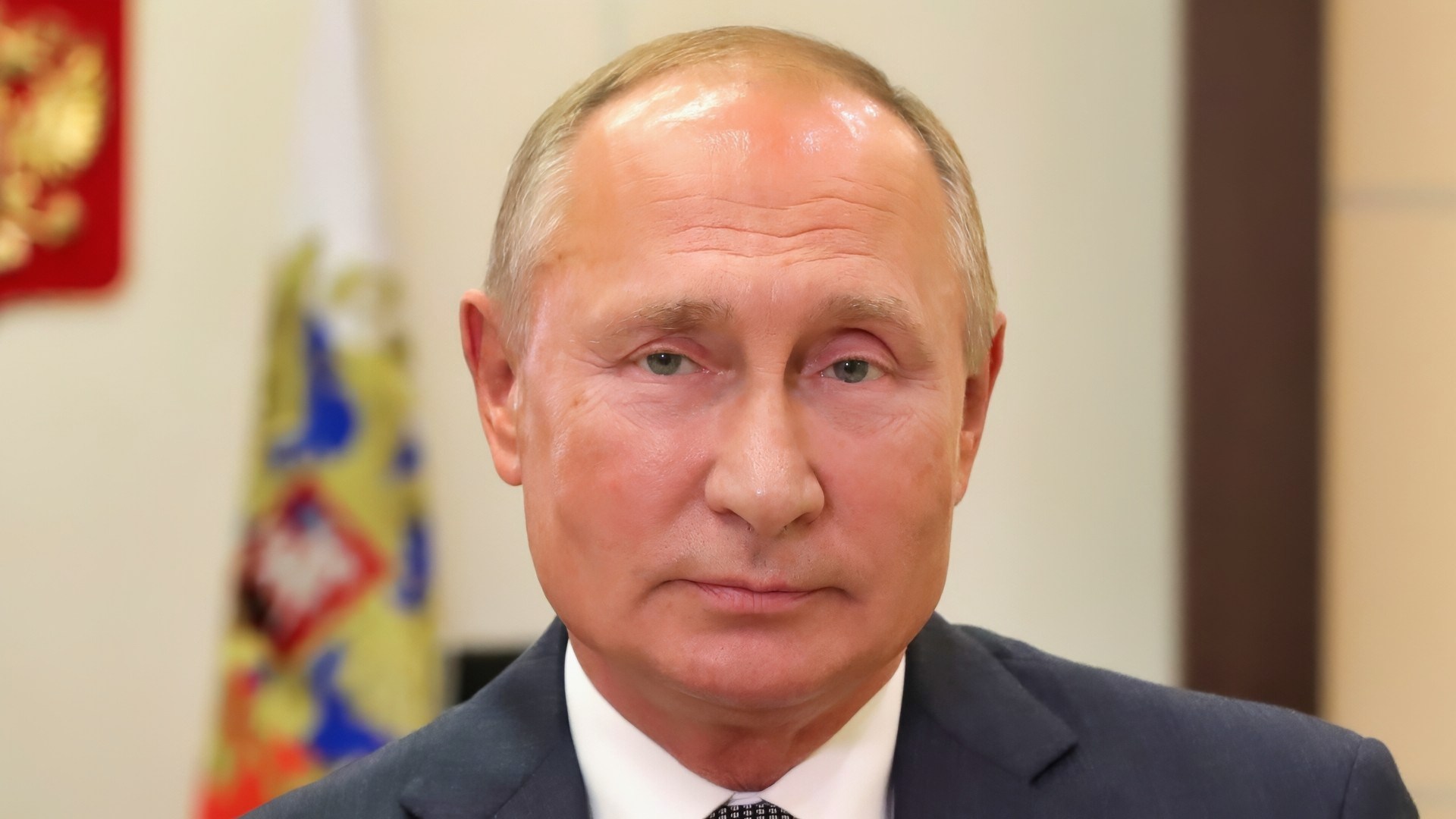
Putin Back in 2020. Image Credit: Creative Commons.
Secretary of State Marco Rubio called the talks “very productive,” while Ukrainian President Volodymyr Zelensky described them as “constructive and quite substantive.”
However, there is no indication that any significant breakthrough was achieved.
Neither Zelensky nor Russian President Vladimir Putin was present in Abu Dhabi for the talks, which were presided over by envoys Jared Kushner and Steve Witkoff.
Vladimir Medinsky led the Russian delegation, along with deputy foreign ministers Sergei Ryabkov and Mikhail Galuzin, and Russian military intelligence chief Igor Kostyukov.
Negotiating for Ukraine were Rustem Umerov, head of Ukraine’s Foreign Intelligence Service, and Zelenskyy’s chief of staff, Kyrylo Budanov.
“There’s a lot of work to be done in that regard,” Rubio said from the G7 summit in France this week, according to the AP. “It’s not like something that’s on the verge of being solved in the next 24 hours or anything like that.”
What Was Accomplished
The talks lasted four hours, with more scheduled for Wednesday, the report said.
Zelensky shared on social media what his negotiators had said about the talks. He said the Ukrainian delegation had first met with their “European and American partners” before the start of trilateral talks that included the Russians.
“They had time to discuss the need and possible parameters for humanitarian steps. The release of prisoners is a priority,” the Ukrainian leader said of the trilateral talks.
Zelensky also said in the post that they discussed “the substance of security guarantees for Ukraine,” as well as “the need for de-escalation steps.”
“The main thing is to truly bring peace closer,” Zelensky said of his instructions to Ukraine’s negotiating team. “And on Ukraine’s part, there will be only productive, high-quality, and honest work.”
Russian Foreign Minister Sergei Lavrov also weighed in, calling for a European security framework before the war itself can be resolved.
“The idea of defining clear parameters for a future security architecture, and only then moving on to resolving the actual Russia-Ukraine conflict, is absolutely reasonable,” Lavrov said this week, per Reuters.
What the Sides Want
According to a Reuters account, there remains a “gulf” between the sides before any settlement can be reached to put an end to the war, which began with Russia’s invasion of Ukraine in early 2022.
Among the many outstanding issues is who will control which land, with Russia demanding control over four regions of Ukraine.
There is also Russia’s insistence that Ukraine remain neutral and not join NATO. Ukraine also wants guarantees that Russia will not invade again in the future.
What Trump Wants
How is Donald Trump approaching the talks, especially following his party’s midterm election drubbing last week?
Russia/Ukraine was much less of an issue in the elections than Iran was, after Trump had promised heading into his second term that he would end the conflict on his first day in office.
Over the last two years, the president had vacillated between whether he supported Ukraine, doing everything from promising Patriot missile licenses to, more recently, agreeing to an energy deal with Russia.
But this week, Trump claimed that the two sides want to make a peace deal, that they’re “tired of fighting,” and that Russia and Ukraine are having “a very good conversation about that in Abu Dhabi,” Reuters reported about Trump’s White House comments on Monday.
Trump also said this week that Ukraine will have something of a “different shape” after the war is over, indicating that he was on board with Ukraine shedding territory as part of a future peace settlement.
“I believe that war is going to end and it’s going to end soon. And the only reason it’s going to end is because of me,” Trump said this week in his 60 Minutes interview.
A U.S. official had also told Reuters that both sides in the talks were “showing some flexibility privately on the possible exchange of territory,” ahead of the Abu Dhabi talks.
About the Author: Stephen Silver
Stephen Silver is an award-winning journalist, essayist, and film critic, and contributor to the Philadelphia Inquirer, the Jewish Telegraphic Agency, Broad Street Review, and Splice Today. The co-founder of the Philadelphia Film Critics Circle, Stephen lives in suburban Philadelphia with his wife and two sons. For over a decade, Stephen has authored thousands of articles that focus on politics, national security, technology, and the economy. Follow him on X (formerly Twitter) at @StephenSilver, and subscribe to his Substack newsletter.


