

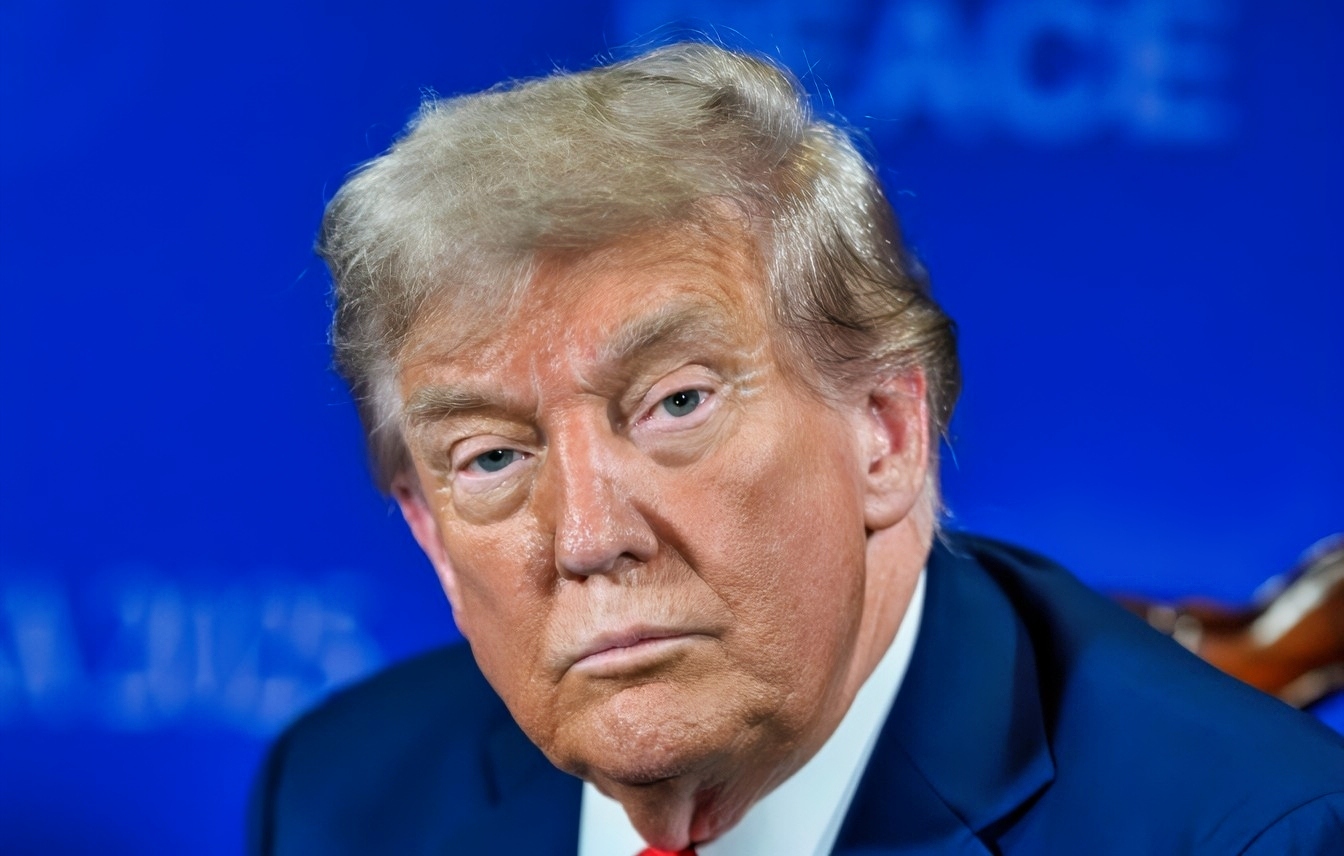
President Donald Trump is pushing ahead with additional tariffs as he continues to pursue his main economic agenda following the Republican Party’s substantial losses in the Nov. 3 midterm elections.
Trump announced additional tariffs on 14 major U.S. trading partners on Nov. 25, including the European Union, India, South Korea, Japan, and China, which his administration says are necessary to protect domestic manufacturers from unfair competition caused by excessive industrial output in many overseas markets.
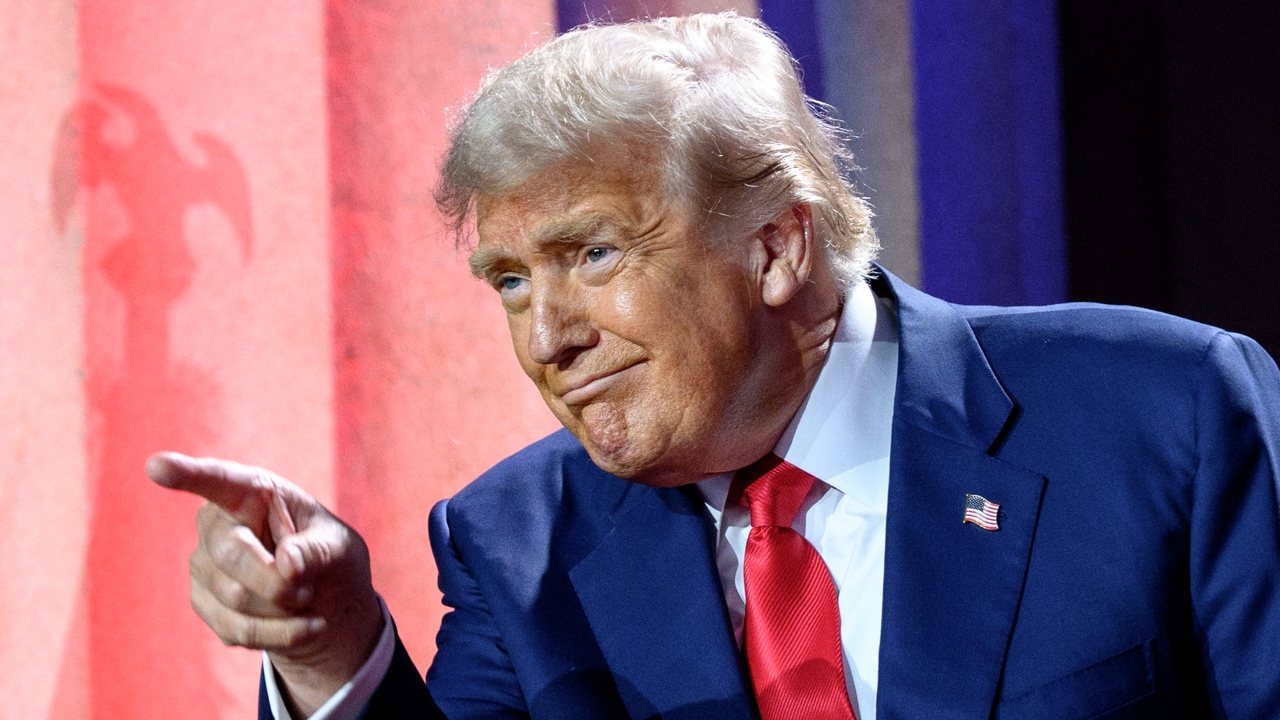
Trump WH Creative Commons Photo
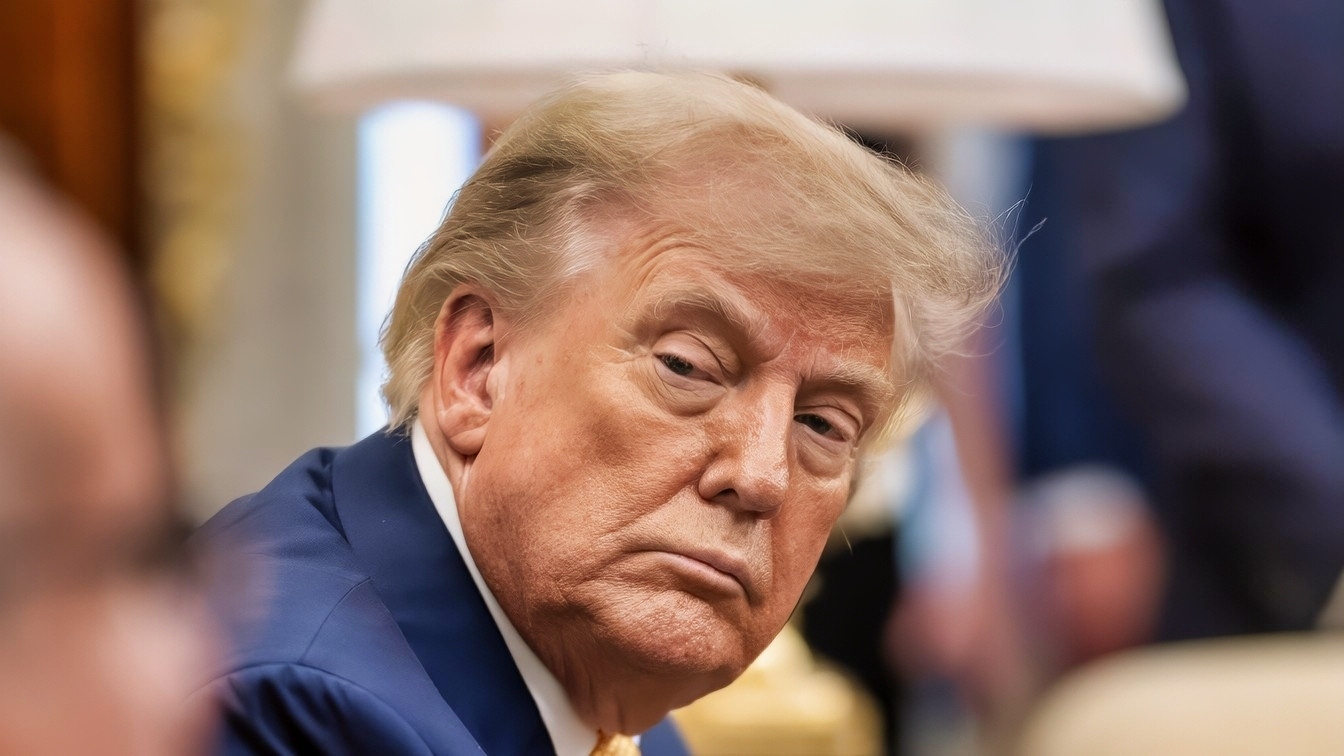
President Donald Trump hosts a bilateral meeting with Prince Salman bin Hamad Al Khalifa, Prime Minister of Bahrain, Wednesday, July 16, 2025, in the Oval Office. (Official White House Photo by Daniel Torok)
The development comes just over three weeks after Trump’s Republican Party suffered significant setbacks in the midterm elections, with the Democrats securing majorities in the House of Representatives and the Senate.
Midterm Voters Expressed High Rates of Dissatisfaction With State of Economy, Trump’s Tariffs
Roughly two-thirds of voters polled in the AP Voter Poll conducted Oct. 22 to Nov. 3, with over 100,000 voters nationwide, said Trump’s tariffs were hurting the economy, while 70 percent said the U.S. economic system favored wealthy Americans.
Exit polls indicated that dissatisfaction with the economy and cost of living were among the chief reasons voters sided against the Republicans, including significant pushback against Trump’s immigration and tariff policies.
A third poll by Reuters/Ipsos, conducted between Oct. 29 and Nov. 2, found that 48 percent of Americans who had already voted in the midterms or planned to vote were doing so to oppose Trump, compared to 25 percent who had cast a vote or planned to do so to express support for Trump.
The personal consumption expenditures (PCE) price index, which the Federal Reserve uses to assess inflation, has increased by 3.8 percent in the past year, according to information released Nov. 25 by the Commerce Department’s Bureau of Economic Analysis (BEA).
Trump Highlights Decreasing Gas Prices, Insists US Economy is Doing Well
Trump has consistently said the U.S. economy is doing well and recently pointed to decreasing gas prices.
Speaking to reporters Nov. 26 at his Mar-a-Lago estate, Trump built on previous remarks in which he said gas prices had been artificially high ahead of the midterm elections to bias the election outcome against him.
“Gasoline is coming way down,” Trump said. “That happened right after the election was over.”
The president also referred to revised government figures published on Nov. 25 that showed the U.S. economy grew at an annualized rate of 4.3 percent in the third quarter of this year, according to the BEA, up from a previous estimate of 3.4 percent.
On Nov. 26, Trump said there needs to be an investigation of the initial 3.4 percent forecast from the BEA, claiming that the lower projection had been issued as part of a “purposeful” error.
Decreasing gas prices are mainly due to slightly reduced recent demand for fuel, increased oil shipments successfully transiting through the Strait of Hormuz, and companies introducing less costly winter gasoline blends, according to the American Petroleum Institute.
Average gas prices nationwide fell to $3.78 per gallon, the lowest in eight months, according to a Nov. 19 release from the institute.
Trump Says He’s Optimistic About Working Together With a Democrat-Controlled Congress
Despite retaining his veto power over legislation, Trump and the Republican Party will face far greater restrictions on their legislative agenda when a Democrat-controlled Congress resumes in January.
However, the president has said he’s optimistic about working with Democrats, stating Nov. 26 that he has a “very bipartisan relationship” with the party and that Democrats worry he’ll use his veto power to block their bills.
“So I’m hearing from Democrats,” Trump said Nov. 26 while speaking to reporters. “They’re calling because I have the power of veto, and I’m not looking to use it. But it’s a very strong power,” he added.
Senior fellow at the right-leaning American Enterprise Institute Yuval Levin expressed doubt that Trump would substantially change his policies despite Republican losses in the midterms.
“I’d expect him to continue to play a more reactive and inconsistent role, keeping people inside and outside the administration off balance but not taking any steady course,” Levin said.
About the Author: Charlie Nash
Charlie Nash is a journalist and author whose work has appeared in The Spectator, Mediaite, New Statesman, and the American Conservative, among other major publications. His reporting has been featured by The Washington Post, Fox News, the Daily Beast, MS NOW, NewsNation, Hannity, and more. You can follow Charlie on X at @CharlieNash and on LinkedIn.


