

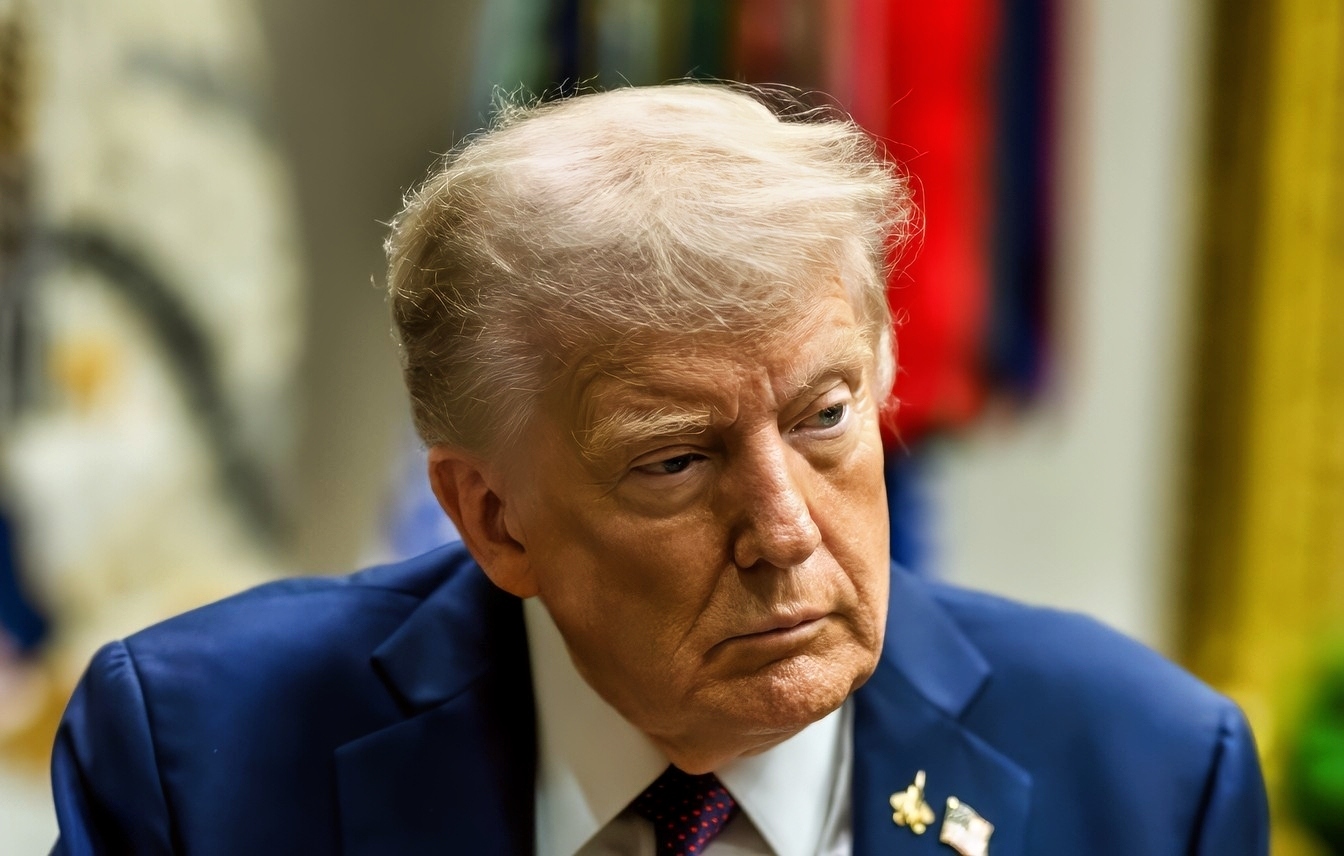
President Donald Trump’s approval rating has continued to deteriorate following the Republican Party’s disappointing performance in the 2026 midterm elections. According to polling analyst Nate Silver’s national polling average, Trump’s approval rating stood at 35.9 percent on November 25.
Silver noted that if Trump’s current downward trajectory continued, his approval rating would fall to about 27 percent by Election Day 2028. That would place Trump near the level of popularity George W. Bush experienced during the closing stages of his presidency.
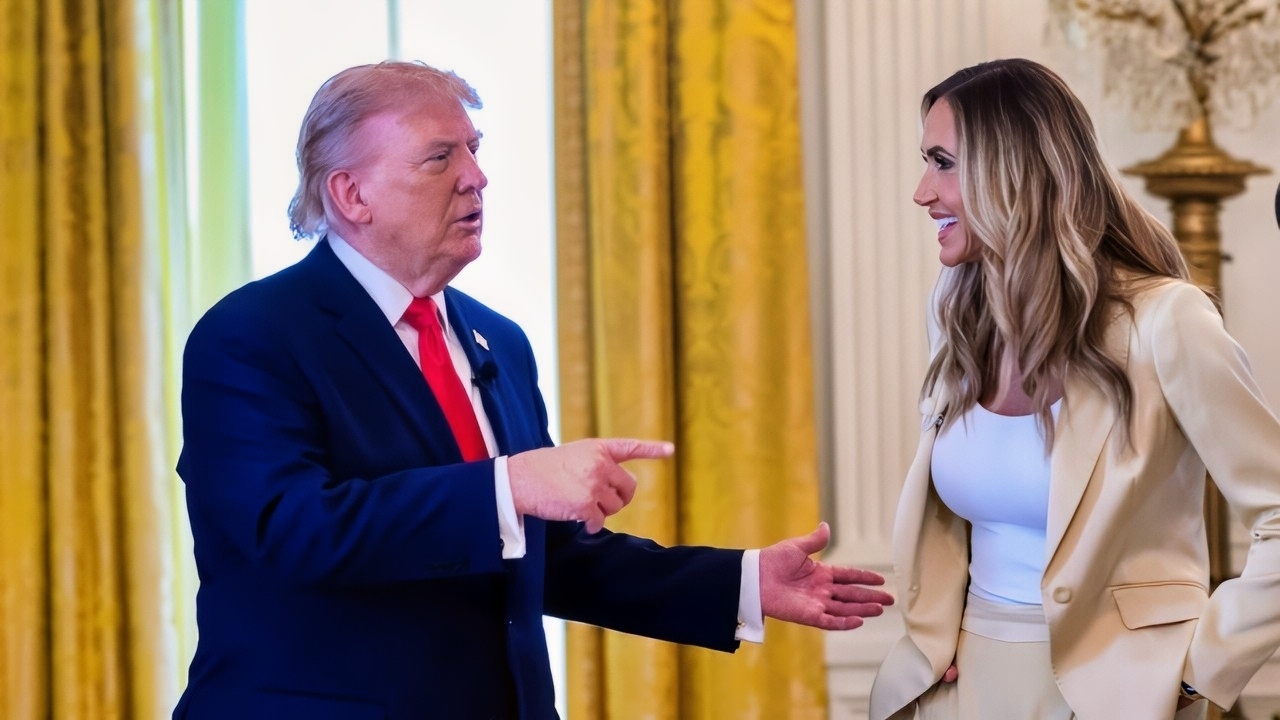
President Donald J. Trump tours the White House with Fox News host and daughter-in-law Lara Trump, Thursday, May 28, 2026. (Official White House Photo by Molly Riley)
Although Trump cannot seek another presidential term, his declining popularity could have significant consequences for the Republican Party. The eventual Republican nominee could inherit the political baggage of a deeply unpopular administration.
Understanding Silver’s Numbers
Silver discussed Trump’s declining popularity in his Silver Bulletin newsletter following the midterm elections.
Importantly, Silver emphasized that his analysis was intended to describe existing polling trends rather than predict future approval ratings. “I have an extended trendline plot today because this is meant to be descriptive, not predictive,” Silver wrote. Extending the existing trendline would nevertheless produce an approval rating of approximately 27 percent by November 2028.
The extrapolation assumes Trump’s popularity continues to decline at the same rate. Of course, presidential approval ratings rarely follow a perfectly linear trajectory.
Economic developments, military conflicts, legislative accomplishments, scandals, and other unforeseen events can substantially alter Trump’s standing, upward or downward.
The Historical Parallel
Trump’s declining approval invites comparisons with another Republican president who experienced significant political difficulties during a second term: George W. Bush.
Although extremely popular following the September 11, 2001, terrorist attacks, when Gallup rated Bush’s approval at 90 percent, Bush averaged 62 percent approval during his first term, compared with just 36.5 percent during his second term. Public dissatisfaction with the Iraq War and the onset of the financial crisis contributed to Bush’s deteriorating popularity.
Should Trump become a political liability for the Republican Party, the party’s presidential nominee could face the challenge of campaigning against a Democratic opponent while representing the outgoing president’s party.
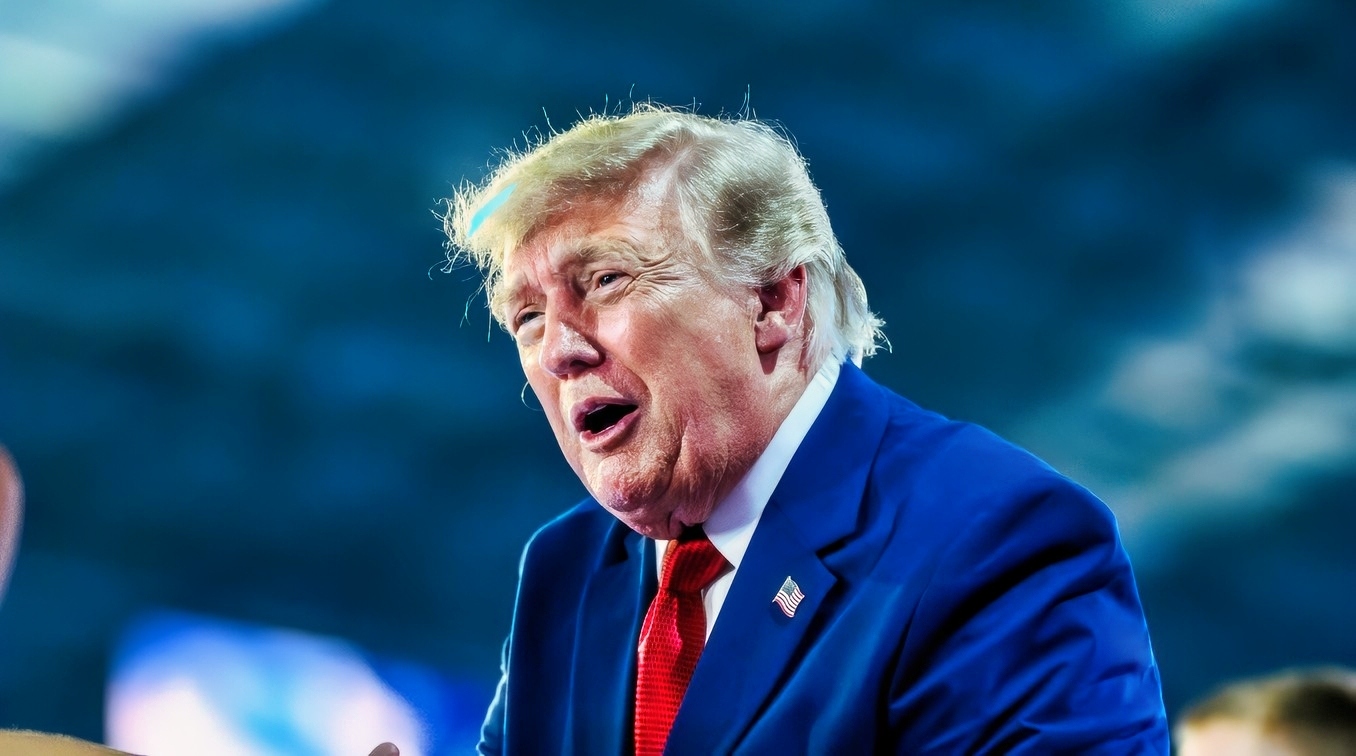
President Donald J. Trump attends the finale of the inaugural Patriot Games youth sports competition at SPIRE Academy in Geneva, Ohio, Tuesday, August 11, 2026. (Official White House Photo by Daniel Torok)
Democrat Barack Obama’s decisive 2008 victory demonstrated the difficult political environment an unpopular outgoing administration can leave for its prospective successor.
However, the circumstances surrounding Trump’s presidency differ considerably from those surrounding Bush’s, so it is important not to make a direct comparison.
Defending Trump’s Record
The Trump administration has rejected suggestions that the president’s approval is declining or reflects poor performance in office.
White House spokesman Davis Ingle pointed to several areas in which the administration claims to have delivered results, including working-class tax cuts, improved border security, reduced prescription drug prices, more than 1 million additional private-sector jobs, and nearly 20 trade agreements. Ingle predicted that Trump would ultimately be remembered as “the most successful and consequential president in American history.” Slightly hyperbolic, perhaps.
The administration’s defense highlights the apparent disconnect between its assessment of its accomplishments and public sentiment today.
The Trump Dilemma
Perhaps the most consequential implications of Trump’s declining popularity concern the 2028 presidential election. Trump remains the central political figure within the Republican Party, despite being constitutionally barred from serving another presidential term.
His endorsements, public statements, and influence over Republican primary voters could substantially shape the contest to succeed him. Silver has previously identified Vice President JD Vance and Secretary of State Marco Rubio as potential Republican successors.
Both could face a difficult balancing act: closely associating themselves with Trump could help a prospective candidate secure support from the president’s loyal political base during the Republican primaries.
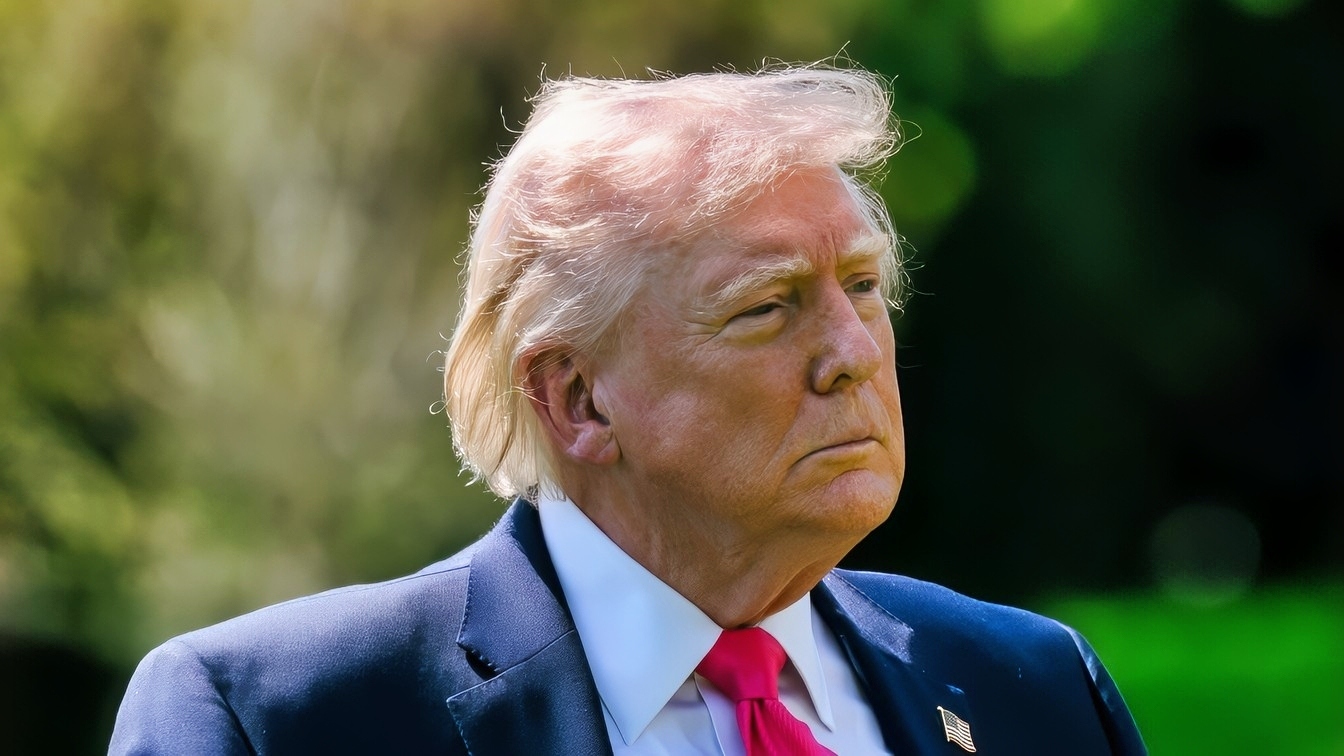
President Donald J. Trump speaks with members of the media before boarding Marine One on the South Lawn of the White House, Thursday, April 16, 2026, en route Joint Base Andrews for a trip to Las Vegas. (Official White House Photo by Molly Riley)
However, that association could become a liability during the general election, particularly among independent voters dissatisfied with the administration. At the same time, distancing themselves from Trump could alienate the very voters they need to secure the nomination.
The challenge for Republicans will be determining which elements of Trump’s political movement can survive independently of Trump’s personal popularity.
Trump’s approval rating also affects his ability to govern during the remaining two years of his presidency. Democrats won control of both chambers of Congress in the 2026 midterm elections, complicating the administration’s legislative ambitions.
An unpopular president generally has less political leverage when negotiating with congressional opponents, so Trump could become a rather lame duck.
About the Author: Harrison Kass
Harrison Kass is a writer and attorney focused on national security, technology, and political culture. His work has appeared in Tablet, City Journal, The Hill, The Spectator, and The Cipher Brief. He holds a JD from the University of Oregon and a master’s in Global & Joint Program Studies from NYU—more at harrisonkass.com.


