
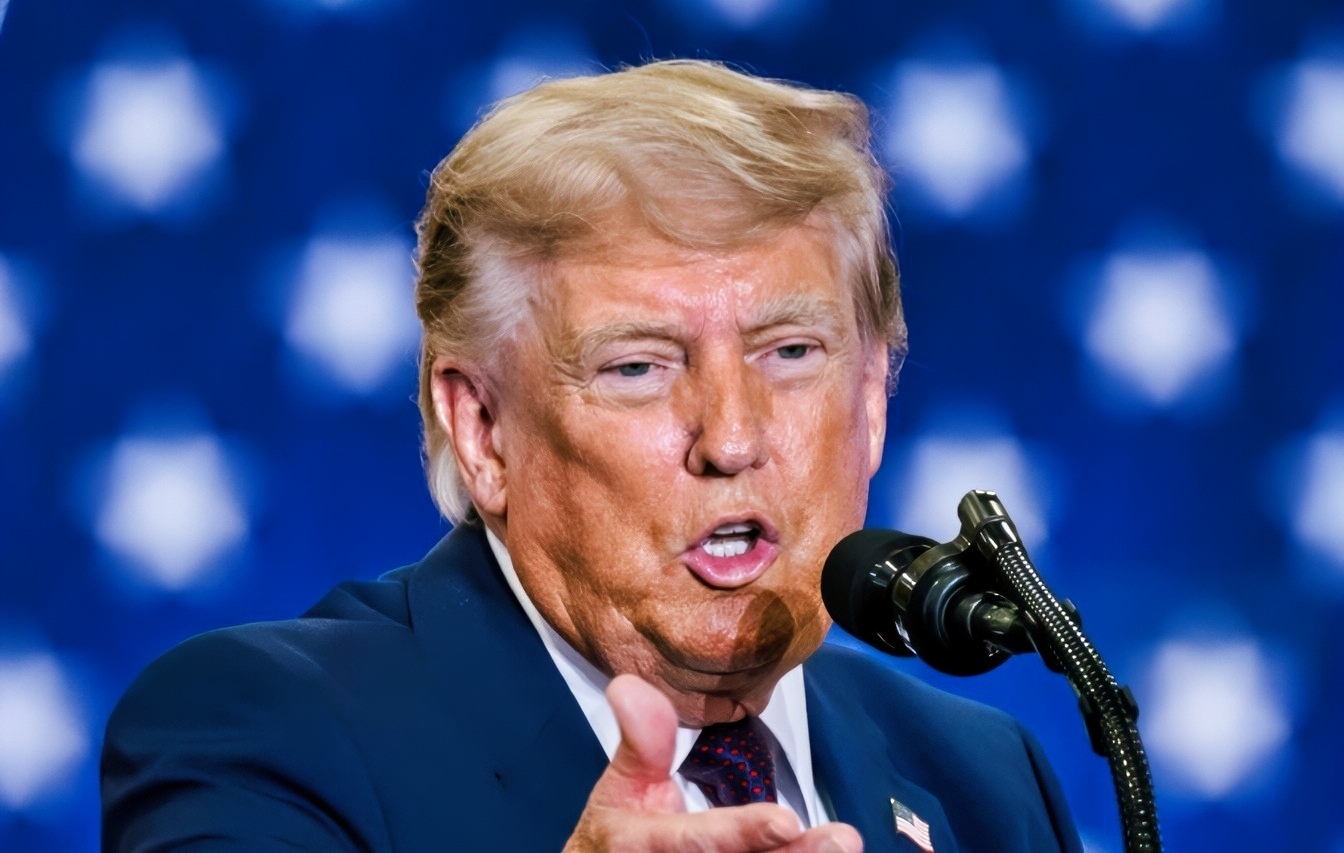
President Donald Trump could lose the 2028 presidential election without even running, should the embattled incumbent endorse a successor who supports his Make America Great Again agenda.
Following the GOP’s historic defeat in the November 3 midterm elections, it is becoming increasingly clear that the Republican Party has a major task on its hands, with the president’s declining popularity, rising prices, a global oil refining capacity shortage, and the Iran war still raging all standing in the way of a 2028 victory.
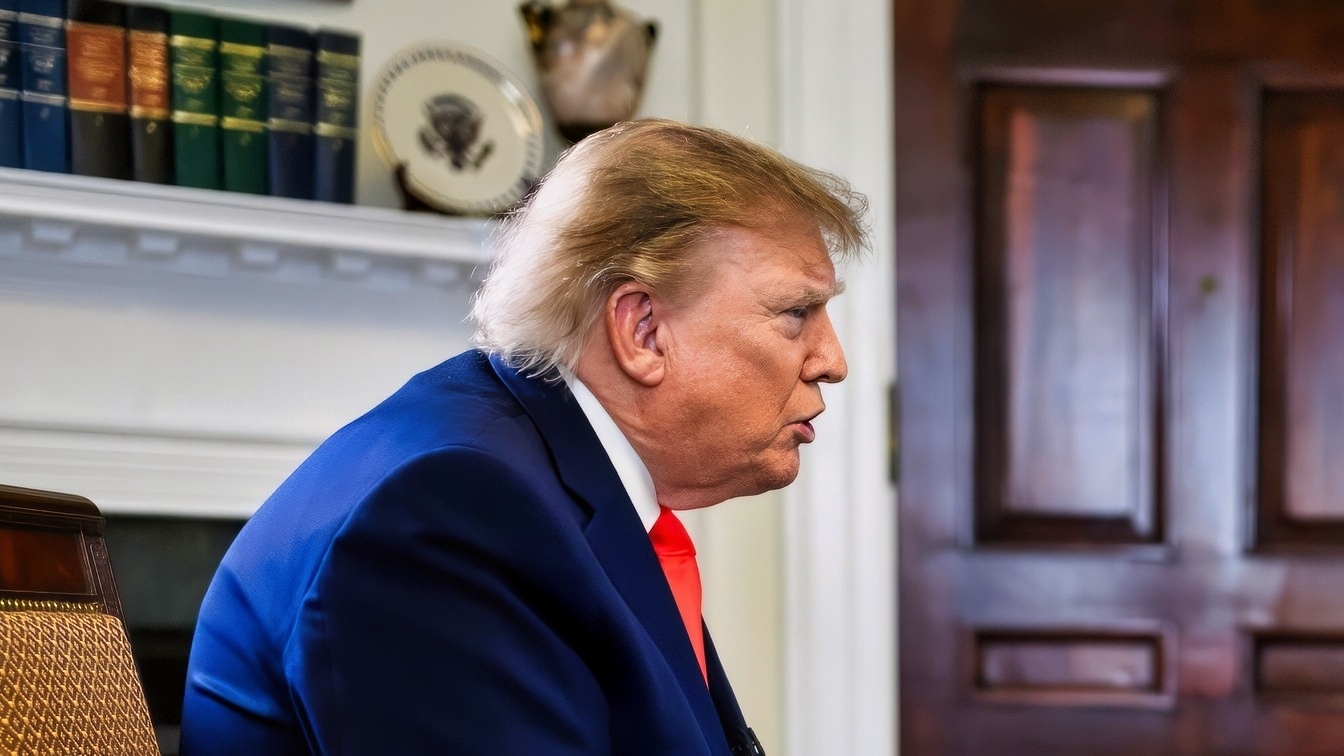
Donald Trump Sideview White House Photo
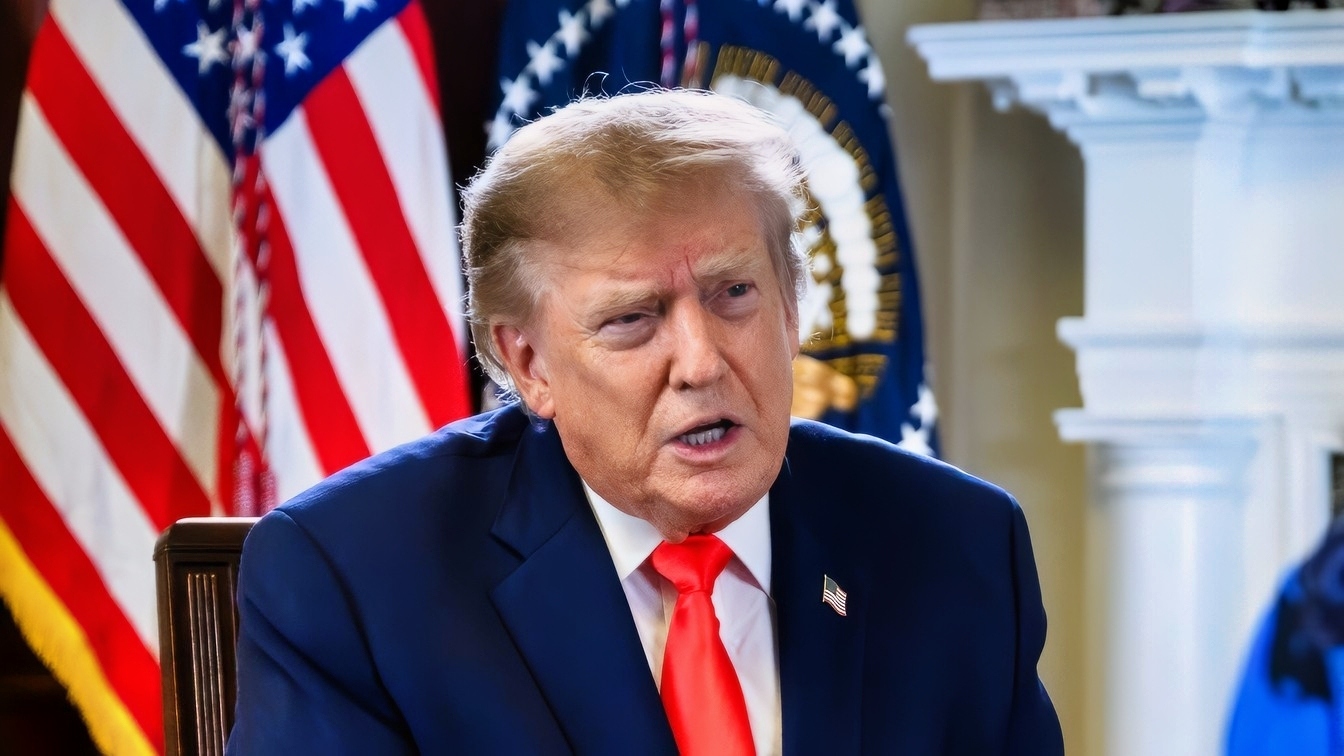
President Donald J. Trump participates in a pre-tape interview with Miranda Devine, Pod Force One, Friday, October 30, 2026, in the Red Room at the White House. (Official White House Photo by Abe McNatt)
A CNN analysis published on Sunday, November 15, explored how unpopular presidents have historically damaged their parties’ chances of retaining the presidency, and the findings compound Trump’s problems.
The report comes as Trump considers whether to endorse a Republican candidate in 2028, and as Vice President JD Vance reportedly questions whether he should even run at all.
Trump’s Approval Rating
Republicans lost control of both the House of Representatives and the Senate in November’s midterm elections, with Democrats winning several governorships and securing sizable victories in states that have voted Republican reliably for decades.
The defeat came amid widespread dissatisfaction with President Trump’s handling of the economy and the ongoing war with Iran.
A Reuters/Ipsos poll published on November 9 found that President Trump’s approval rating stood at just 32%, close to its lowest level ever.
Just 21% said that they approve of the president’s handling of the cost of living, while 25% said they approved of his management of the economy.
In its November 15 analysis, CNN cited surveys conducted during the midterm campaigns and found that 86% of voters who disapproved of Trump supported Democratic House candidates nationally, explaining how Republicans lost so badly.
The data, in short, shows that Trump voters actively turned out and voted Democrat, rather than simply staying home.
Republican pollsters recognize the problem, too. Speaking to CNN, pollster Whit Ayres attributed the party’s midterm losses directly to the president.
“This massive repudiation of Republican candidates is totally and completely about Donald Trump,” Ayres said.
A Warning From History
The CNN report also examined previous presidential elections in which the outgoing president was unpopular.
In 2008, Republican Senator John McCain struggled to distance himself from the legacy of President George W. Bush, whose administration was widely condemned for its war in Iraq and the financial crisis. McCain lost the election to Barack Obama.
Similarly, Vice President Kamala Harris failed to beat President Trump in the 2024 presidential election, in large part because of her role in the Biden administration.
Other unpopular outgoing presidents, including Woodrow Wilson in 1920 and Lyndon Johnson in 1968, were also succeeded by candidates from the opposing party.
Will Trump Endorse A Candidate In 2028?
Most analysts and commentators have long assumed that President Donald Trump would endorse a candidate for the 2028 presidential election if he did not attempt to run for a third term himself.
The president’s political operations, including his super PAC MAGA Inc., are still active and raising funds, suggesting he intends to continue playing a role in politics after he leaves office.
But during an interview for a November 8 60 Minutes broadcast, CBS correspondent Ross Douthat asked the president whether he intended to endorse someone in the 2028 Republican primary, and the president’s answer shocked many.
Trump initially suggested that he probably would, but he also did not rule out the possibility of remaining neutral.
The president praised Secretary of State Marco Rubio and acknowledged that he and other Republicans would make strong candidates.
“So I may or may not get involved,” Trump said. “I don’t know. Maybe I’m better off not getting involved.”
The president also argued that his endorsement would carry significant influence in the Republican primaries — a claim with which few would likely disagree.
The president still carries a lot of support among die-hard Republicans, and his endorsement would likely significantly increase the chances of a 2028 candidate.
It would not, however, guarantee his successor’s success, as discontent with the Trump administration has spread into the Republican voter base and made victory harder for any Trump-aligned candidate.
Vance May Not Run After All
While President Trump has consistently refused to back Vice President JD Vance when reporters asked, it is widely believed that the vice president is considering a presidential run regardless.
Recent reporting, however, suggests the vice president may have been spooked by the midterm losses and may not run after all.
On November 13, CNN reported that Vance had seriously considered not running, citing conversations with roughly a dozen people familiar with his deliberations. The report said that the vice president has still not made a decision.
A Washington Post report also claimed that several close allies believe that Vance is more likely to enter the race than abandon his ambitions.
Meanwhile, other high-profile Republicans are considering their own campaigns, including Secretary of State Marco Rubio, Florida Governor Ron DeSantis, and Senator Ted Cruz.
About the Author: Jack Buckby
Jack Buckby is a British researcher and analyst specializing in defense and national security, based in New York. His work focuses on military capability, procurement, and strategic competition, and he produces and edits analysis for policy and defense audiences. He brings extensive editorial experience, with a career output spanning over 1,000 articles at 19FortyFive and National Security Journal, and has previously authored books and papers on extremism and deradicalization.


