


President Donald Trump has signed an executive order that could make it harder for congressional Democrats to investigate his administration. Signed late Friday, November 20, the order directs federal contractors to notify the White House if Congress requests information about their work with the executive branch. Contractors may also be required to withhold information the administration considers protected by executive privilege.
Companies that fail to coordinate with the White House could face litigation or have federal contracts canceled.
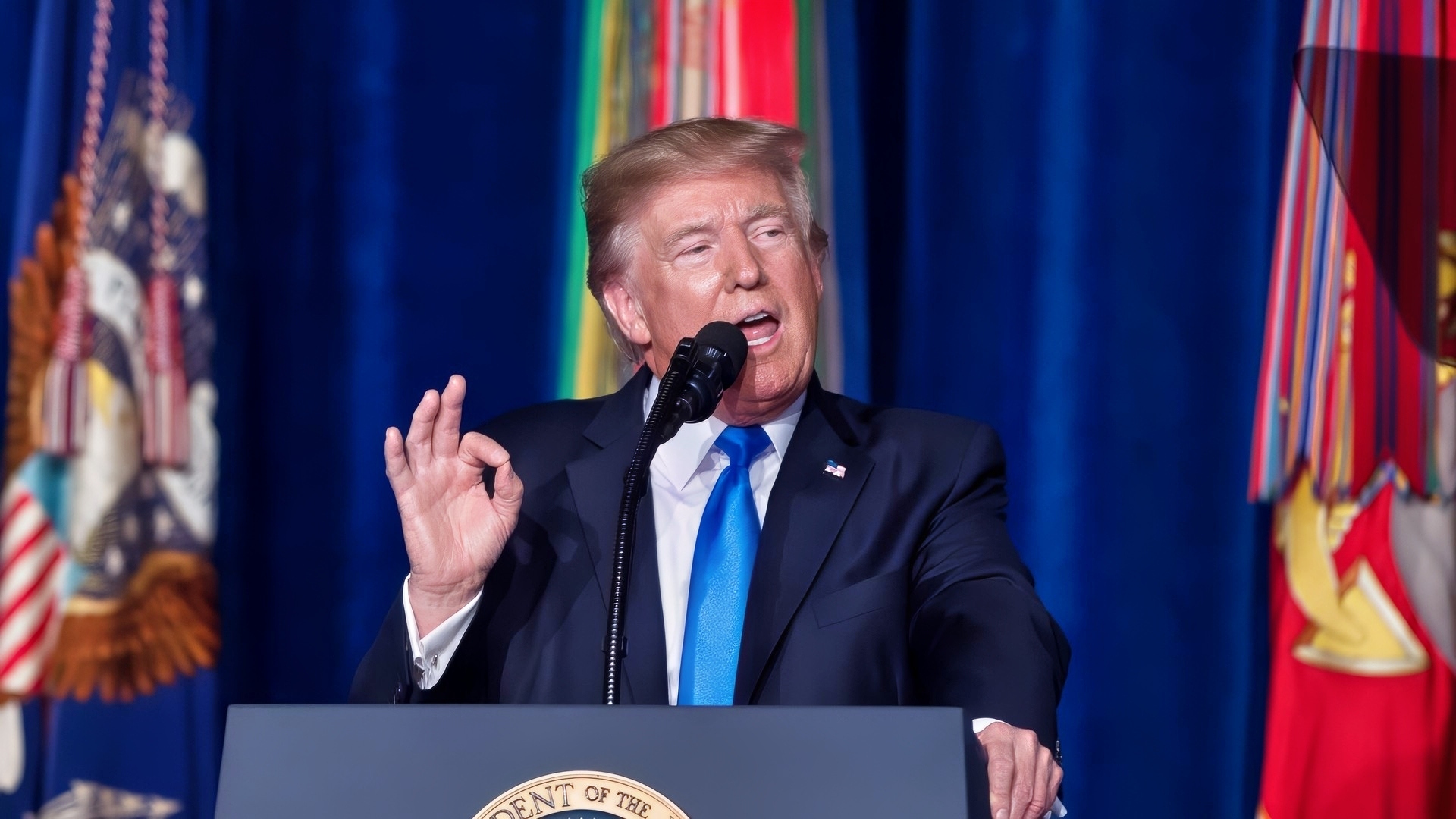
President Donald J. Trump addresses the nation on the South Asia strategy during a press conference at Conmy Hall on Fort Myer, Va., Aug. 21, 2017. (DoD photo by Army Sgt. Amber I. Smith)
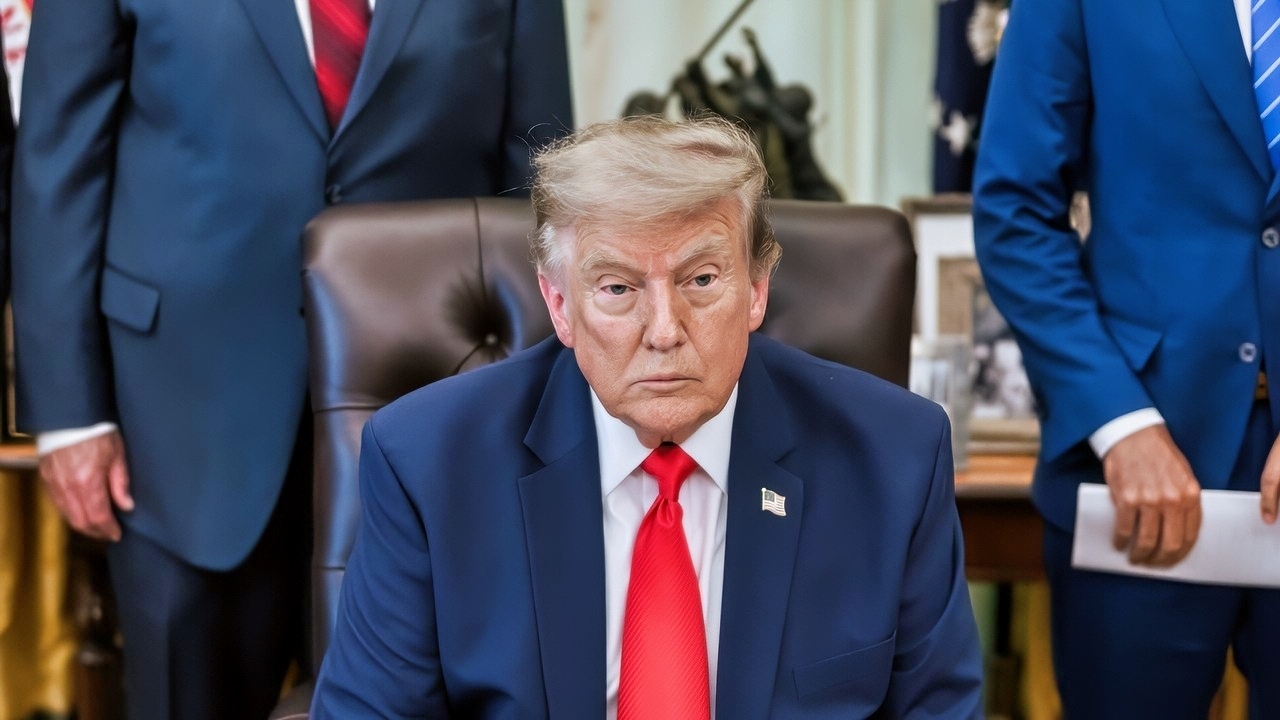
President Donald J. Trump makes an announcement regarding Dulles International Airport alongside Transportation Secretary Sean Duffy in the Oval Office, Wednesday, July 29, 2026. (Official White House Photo by Daniel Torok)
The timing is no coincidence; Democrats won both chambers of Congress in November’s midterm elections and are expected to prepare for extensive investigations of the Trump administration.
Trump’s order is clearly a proactive measure to restrict Congress’s ability to investigate, which raises constitutional questions about the limits of presidential authority over congressional oversight.
The Order Explained
The order targets private companies doing business with the federal government. Why? Because these contractors frequently possess communications, financial records, and other information relevant to congressional investigations.
Under the new requirements, companies must notify the administration before responding to certain congressional information requests, which allows the White House to assess whether the requested material is protected by executive privilege.
The order warns that contractors that fail to provide timely notice or coordinate with federal agencies could face legal consequences. According to the administration, the restrictions are necessary to protect confidential executive branch communications. However, the order does not categorically prohibit contractors from responding to Congress; instead, it just creates a notification and coordination process that could delay or restrict the disclosure of certain information.
Why Now
The timing is clearly related to the Democrats’ win in November, which set up a Democrat-controlled House of Representatives and Senate. The incoming congressional majority is expected to be preparing investigations into the Trump administration, its officials, and members of the president’s family. Representative Jamie Raskin of Maryland is expected to lead the House Judiciary Committee, while Representative Robert Garcia of California is expected to chair the House Oversight Committee.
Both have criticized the new executive order, with Raskin calling it “totally unprecedented and blatantly unlawful” and Garcia describing it as a “blatant attack on Congress’s constitutional right to conduct oversight.”
The administration has already taken other steps to control congressional inquiries. For example, earlier in November, White House Counsel Will Scharf instructed federal agencies to obtain White House approval before agreeing to congressional appearances.
Congress vs. the President
The Constitution divides federal authority among the executive, legislative, and judicial branches. Congress has broad investigative powers tied to its legislative responsibilities, including oversight of federal spending and government operations.
Congressional committees can request documents and witnesses and issue subpoenas.
The president, meanwhile, can invoke executive privilege to protect certain confidential communications. However, the privilege is not absolute and could be challenged in court. Trump’s order appears to rely in part on an August 2026 Justice Department Office of Legal Counsel opinion suggesting that executive privilege can extend to communications involving outside parties and private advisors.
Whether those protections apply to particular contractor communications remains disputed, but the central question is whether the executive branch can impose restrictions on private companies that interfere with Congress’s independent oversight authority. It may ultimately come down to the courts to determine where those competing powers intersect.
Defense and National Security
How the order applies to broader federal contracts could be especially significant for national security oversight, as defense contractors handle sensitive information involving weapons programs, military procurement, and government spending.
Congress depends on this information—from both federal agencies and private companies—to investigate potential waste, fraud, and mismanagement.
Major defense contracts can involve billions of dollars, making effective oversight particularly important.
The administration, however, argues that congressional requests could expose sensitive national security information, and its order warns that agencies might become reluctant to share confidential material with contractors if those communications could subsequently be disclosed.
However, critics will argue that allowing the White House to control access to contractor information creates opportunities to obstruct legitimate investigations.
Both concerns are valid enough and will likely require case-by-case consideration.
About the Author: Harrison Kass
Harrison Kass is a writer and attorney focused on national security, technology, and political culture. His work has appeared in Tablet, City Journal, The Hill, The Spectator, and The Cipher Brief. He holds a JD from the University of Oregon and a master’s in Global & Joint Program Studies from NYU. More at harrisonkass.com.


