

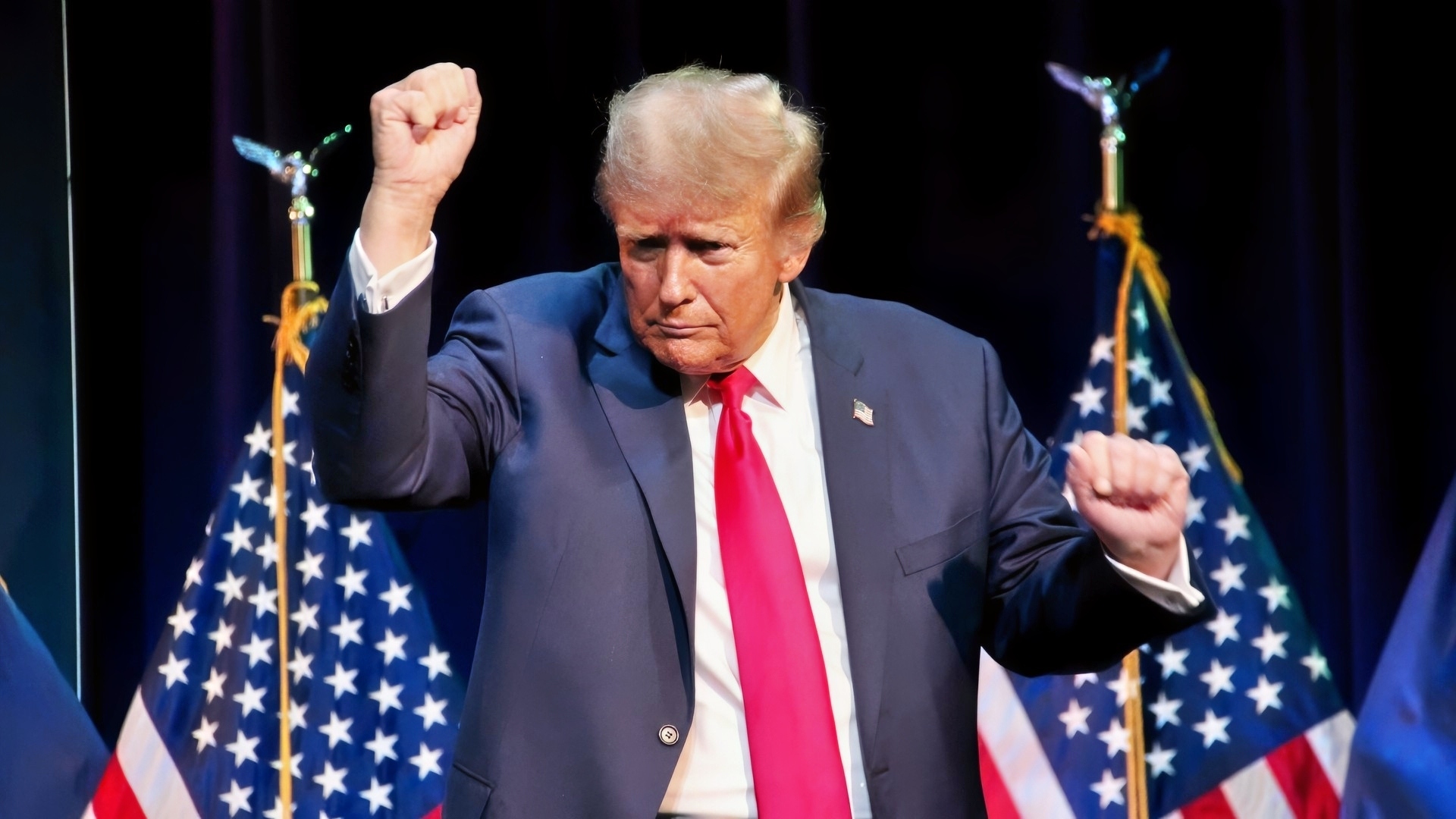
How much of a goal of the U.S. war in Iran was toppling the Iranian regime? When the war launched in February, following widespread protests against the regime and crackdowns on opposition, the U.S. and Israel launched a joint attack that killed Iran’s Supreme Leader and several other top officials. At that point, the regime’s collapse looked imminent.
President Donald Trump, in March, was talking about a desire to “clean out everything” in Iran.
However, over the next several months of the war, a new Supreme Leader replaced his father, and the Iranian regime proved itself resilient.
As the war dragged on throughout the year and into a stalemate, President Donald Trump has talked less about an imminent collapse of the Iranian regime.
This came up again this week, when Trump sat for an Oval Office interview with the New York Post.
Israel’s Goal
As the Post interview made clear, Israel has been more vocal about seeing the fall of the Iranian regime as a goal. In October, Prime Minister Benjamin Netanyahu called an overthrow of the Iranian government Israel’s “primary objective.” Israel’s inconclusive election results, however, make it unclear whether Netanyahu will continue as prime minister.
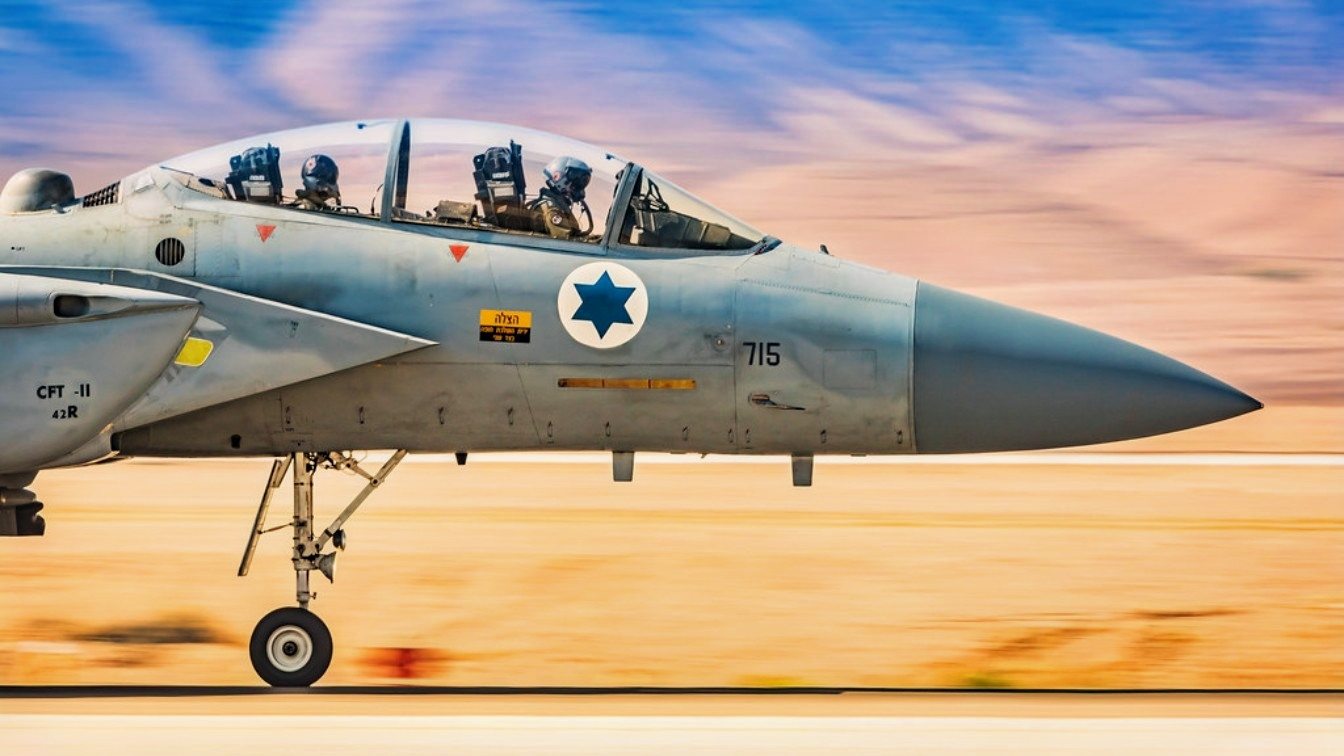
Israeli Air Force F-15I Image Credit IDF
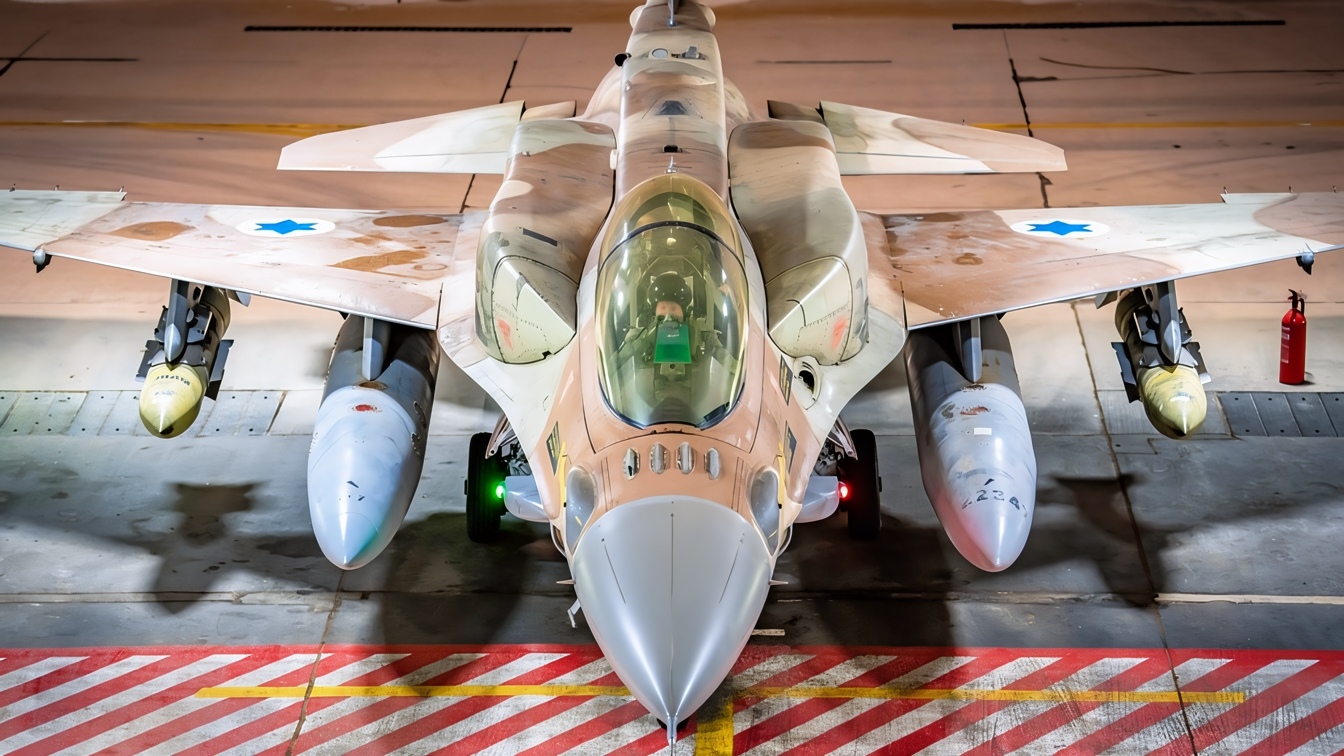
Israeli F-16I Fighter. Image Credit IDF
Trump, in the Oval Office interview, also said that the war is “effectively over,” although if that’s the case, the war is ending with the regime still in place.
Trump told the Post reporters that the goal of removing the regime is “probably doable,” but it isn’t his main goal.
“I just don’t want them to have a nuclear weapon. I was never for or against regime change; that was never a criterion for me,” Trump said in the interview.
It was never entirely clear what regime change in Iran, if that were the goal, would look like. Still, if Iraq and Afghanistan are any indication, such a goal would likely take a long time and bring great expense in American blood, treasure, and political capital.
All the sorts of things Trump, at the outset of his political career, vowed to avoid.
What Happens Next in Iran?
In the New York Post interview, Trump acknowledged that the Iran operations are only funded through January, and that Democrats, once they take over Congress, could stop any further funding.
Trump warned Democrats not to do that.
“They’ll take a total win and make it a loss,” Trump said of the opposition party, which rode dissatisfaction with the Iran war and its aftereffects to big Congressional majorities. “ I mean, if they do that, look, their navy’s gone, their air force is gone, their anti-aircraft, everything’s gone. Their leaders are gone. I mean, if [Democrats] do that, they’ll just take a win and make it a loss.”
An Iranian Lawsuit
Trump also addressed the lawsuit this week, in which the Iranian government sued both in the United States and four European countries over both the attack on Supreme Leader Ayatollah Ali Khamenei and the subsequent attack on the Tayyebeh Primary School in Minab, which killed 170 people, including dozens of schoolchildren.
The president responded that “I want compensation for the people that they’ve killed, which is far more because they’ve killed; first of all, they killed 75,000 protesters in the last seven months.” Trump added that Iran has “killed our people for years,” and indicated that the U.S. and Iran have actually been at war for almost a half century.
“This war started in 1979,” Trump told the New York Post. “I didn’t start it, but I was the only president that was willing to go and do it. But this war started in 1979. It’s a long time.”

B-1B Lancer Bomber in Museum in Dayton, Ohio. Image Credit: Harry J. Kazianis/National Security Journal.
Targeting Leaders?
The war began with an attack on Iran’s leaders, and now there are indications that Trump could try to end the war the same way.
According to NBC News, Trump Administration officials are currently debating whether to target Iran’s top leaders to “remove so-called hardliners from the regime.” Doing so, officials told NBC, could “send a clear message to the remaining Iranian regime that the U.S. can find, target and kill its leaders at any time.”
Other officials, however, have pushed back on that idea.
About the Author: Stephen Silver
Stephen Silver is an award-winning journalist, essayist, and film critic, and contributor to the Philadelphia Inquirer, the Jewish Telegraphic Agency, Broad Street Review, and Splice Today. The co-founder of the Philadelphia Film Critics Circle, Stephen lives in suburban Philadelphia with his wife and two sons. For over a decade, Stephen has written thousands of articles on politics, national security, technology, and the economy. Follow him on X (formerly Twitter) at @StephenSilver, and subscribe to his Substack newsletter.


