


In the last 24 hours, President Donald Trump has mused openly on the floor of the United Nations about “annihilating” Iran, while other reports have stated that productive talks have taken place on finding a diplomatic solution to the long-standing conflict.
However, Iran’s military has denounced the president’s “annihilation” talk as a sign of desperation.
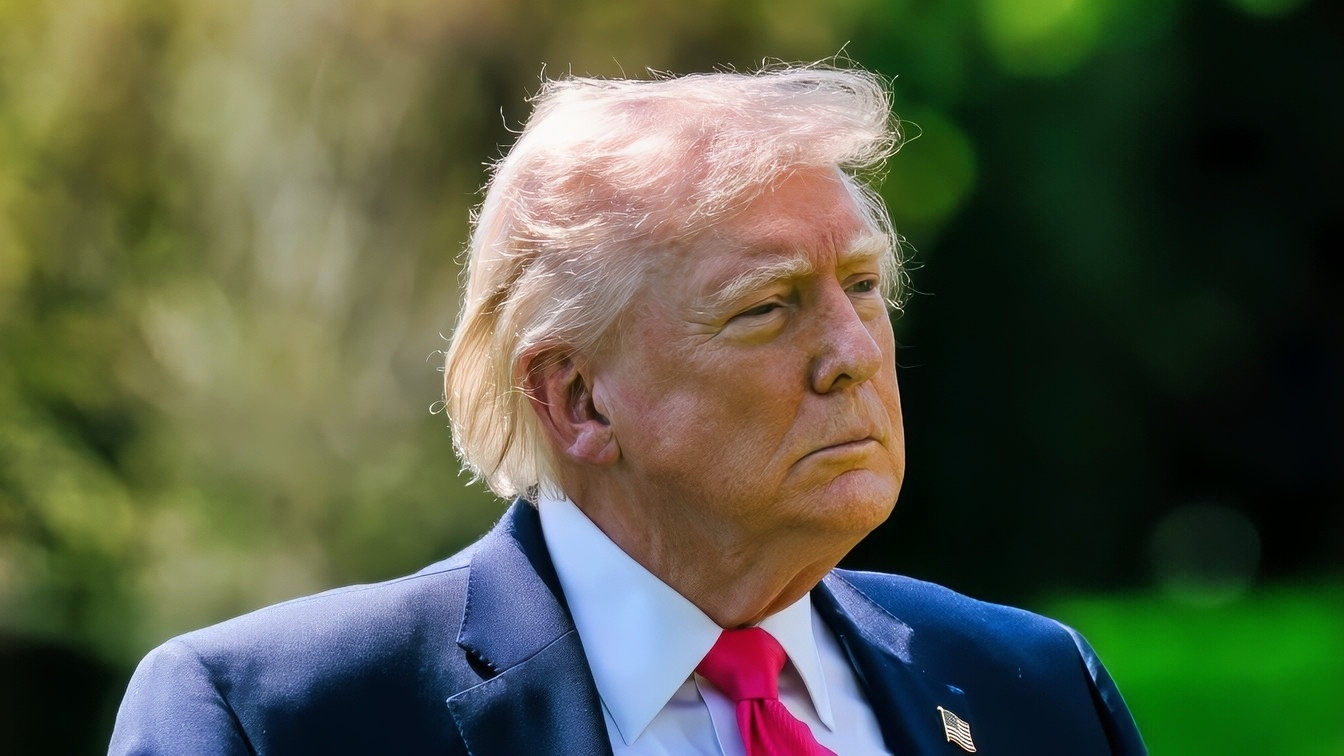
President Donald J. Trump speaks with members of the media before boarding Marine One on the South Lawn of the White House, Thursday, April 16, 2026, en route Joint Base Andrews for a trip to Las Vegas. (Official White House Photo by Molly Riley)
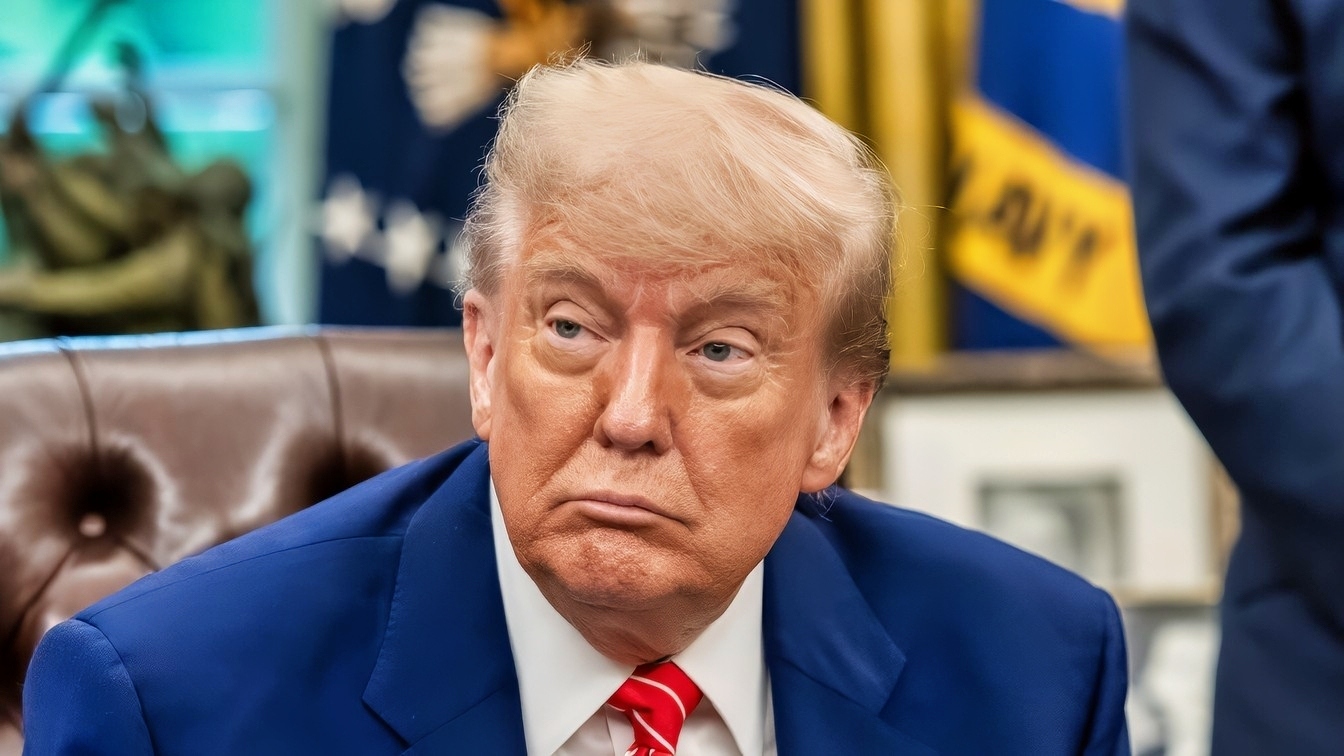
President Donald Trump is joined by Secretary of Commerce Howard Lutnick, Vice President JD Vance, British Ambassador Peter Mandelson, U.S. Trade Representative Jamieson Greer, and Secretary of Agriculture Brooke Rollins, while announcing a trade agreement with the U.K., Thursday, May 8, 2025, in the Oval Office. (Official White House Photo by Molly Riley)
In other words, it’s the type of whiplash that’s become familiar over the last few months.
In his speech Tuesday at the U.N. General Assembly, the president justified the invasion of Iran, claiming that preventing that country from acquiring a nuclear weapon has made the sacrifice worth it.
He went on to state in the speech that he is now left with “a big decision to make.”
Either there will be a deal with Iran, which allows that country to rebuild, or “do I annihilate the Islamic Republic and do it quickly, never giving them a chance to kill and destroy people and countries again?”
However, Trump went on to predict that a deal would be made, likely “right after the election,” presumably referring to November’s midterm elections in the United States.
That seemed to concede that no agreement would be reached before that election.
Also in the speech, Trump dismissed concerns about dwindling U.S. stockpiles, which have been widely cited as a reason why the U.S. cannot continue the war indefinitely.
Meanwhile, the “annihilation” talk has not been well received in Tehran.
Iran Responds
Per CNBC, Iran’s military reacted defiantly to Trump’s United Nations speech.
In a message delivered through Iran’s state-run Mehr news agency, Iran’s General Staff called Trump’s “annihilation” threat “a sign of strategic desperation,” and also accused the president of engaging in “baseless claims and threats.”
Also, per the New York Times, Iranian President Masoud Pezeshkian delivered his own remarks at the General Assembly on Wednesday.
This made Pezeshkian the first world leader in history to address the General Assembly while his country was at war with the United States.
In the speech, Pezeshkian brandished photos of Iranians killed by the United States and Israel in the war, accused those countries of violating international law, and vowed that Iran would “not be made to surrender.”
The newspaper noted that while Pezeshkian lived in an underground bunker several months ago, he is now physically in the United States, where the Secret Service is escorting him.
Hope For Peace?
However, amid all that tough talk, reports also emerged of negotiations on the sidelines of the United Nations meeting.
According to the Times, American and Iranian representatives met this week in New York for their first talks since the “Memorandum of Understanding” agreement fell apart three months ago.
Qatari mediators are presiding over the talks, in which envoys Steve Witkoff and Jared Kushner are representing the U.S and foreign minister Abbas Araghchi is representing Iran.
According to the newspaper, the sides have discussed how to move toward further peace talks, with the Iranian side demanding both an end to the war and the lifting of naval blockades.
Gen. Yahya Rahim Safavi, a military adviser to Supreme Leader Ayatollah Mojtaba Khamenei, told Iranian state media that the Supreme Leader had “right now decided to give the government an open hand to negotiate.”
Trump, per CNBC, said Wednesday that the U.S. and Iran had a “very good meeting” that lasted more than three hours.
What Does it Mean for Oil?
Oil prices, and with them gasoline prices, remain high. Brent crude, as of Wednesday morning, was still trading above $100 a barrel, rising Wednesday after several days of declines.
NBC News reported that “what markets heard” was the part of Trump’s speech in which he said it was unlikely a deal would be reached before the election in November, despite other bits of news that could potentially send prices in the other direction, such as reports of new talks and another report that Saudi Arabia’s key pipeline might be back online sooner than expected, following recent attacks by the Iran-aligned Houthis.
The price per barrel of oil, NBC said, is up more than 60 percent since the start of the year.
About the Author: Stephen Silver
Stephen Silver is an award-winning journalist, essayist, and film critic, and contributor to the Philadelphia Inquirer, the Jewish Telegraphic Agency, Broad Street Review, and Splice Today. The co-founder of the Philadelphia Film Critics Circle, Stephen lives in suburban Philadelphia with his wife and two sons. For over a decade, Stephen has authored thousands of articles that focus on politics, national security, technology, and the economy. Follow him on X (formerly Twitter) at @StephenSilver, and subscribe to his Substack newsletter.


