
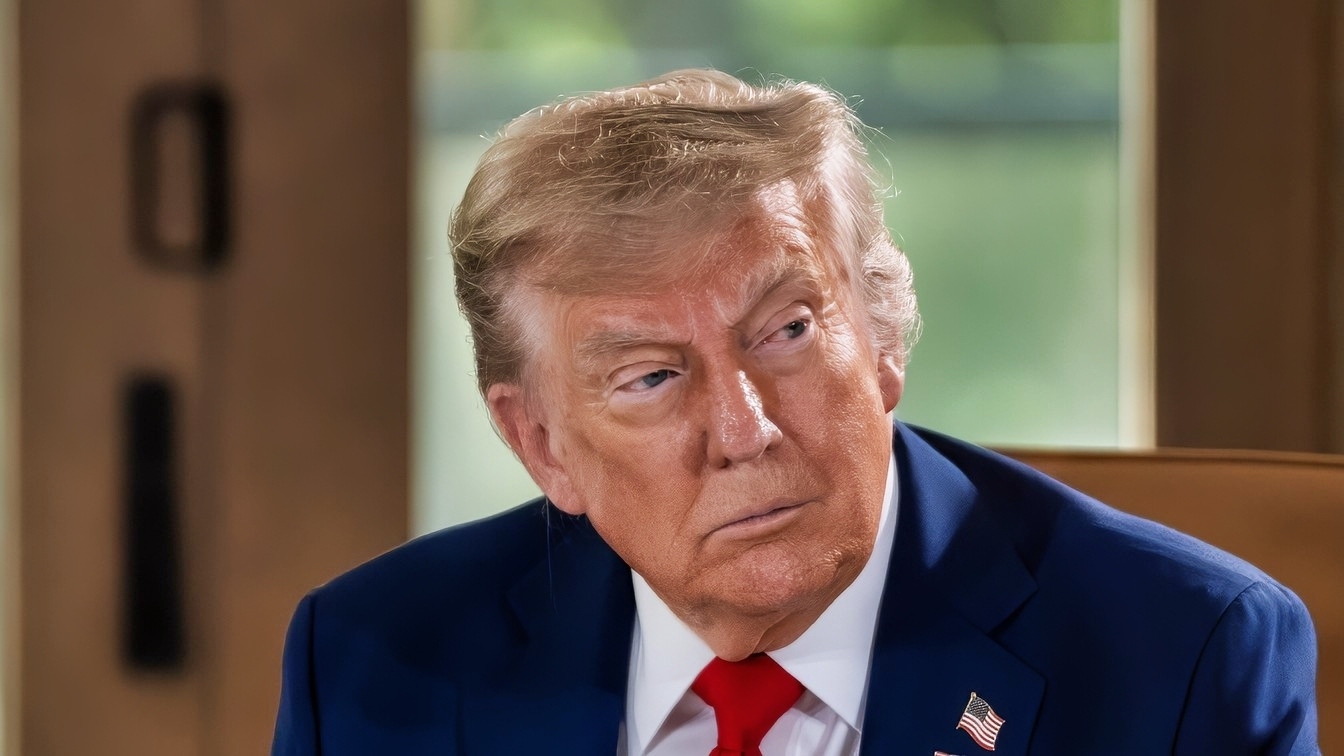
Why Trump Lost Republicans Everything Until 2032 — Or Longer: President Donald Trump didn’t just lose one election — he cost the Republican Party seven Senate seats, including some that had been reliably Republican for decades, and the consequences of those losses could be felt long after Trump leaves the White House in January 2029.
Prominent supporters of the president are even beginning to fall out of line and publicly criticize the president, too. The damage is clear: Republicans lost in places like Kansas and Texas, but they will have to wait six years to win them back, and in the meantime, there will be a presidential election.

Vice President JD Vance attends a U.S. military capabilities showcase at Elmendorf Air Force Base in Anchorage, Alaska for a military engagement, Tuesday, October 6, 2026. (Official White House Photo by Emily J. Higgins)
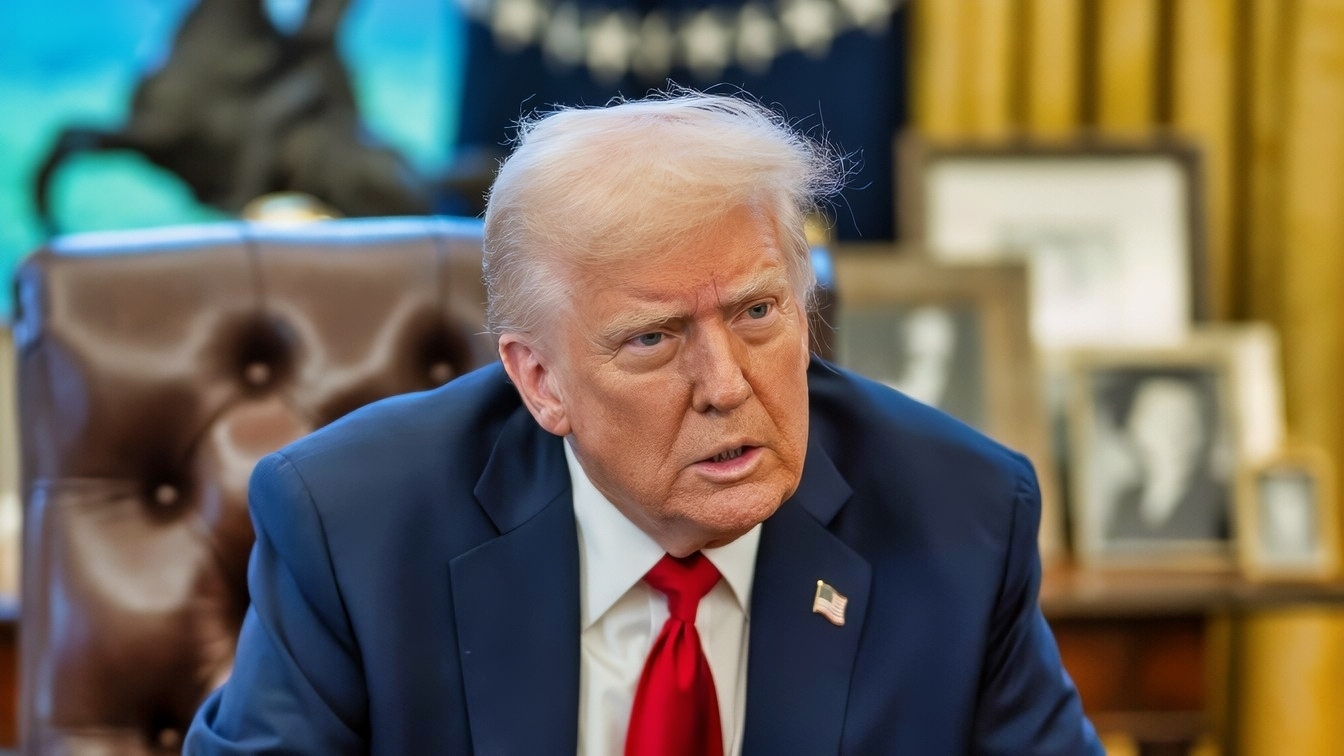
President Donald Trump announces tariffs on auto imports in the Oval Office, Wednesday, March 26, 2025. (Official White House Photo by Daniel Torok)
Six of the seven seats Democrats flipped will not be contested again until 2032, meaning that even if a Republican wins the presidency in 2028 — and that’s a big “if” — the next president will inherit a Senate controlled by the Democrats.
Republicans Lost Their Safest Seats
When Florida Governor Ron DeSantis described Tuesday night as a near-extinction-level event, he wasn’t exaggerating. In Kansas, Democrat Adam Hamilton defeated Republican incumbent Roger Marshall, becoming the first Democrat elected to the Senate from the state since 1932. Democrats ended Republicans’ 94-year winning streak in Kansas Senate elections.
And in Texas, ultra-progressive James Talarico defeated Republican Ken Paxton, becoming the first Democrat to win a Senate election in the state since 1988. South Carolina took a hit, too, electing its first Democratic senator since 1998, with Annie Andrews defeating Republican Darline Graham, the sister of former Senator Lindsey Graham.
These are not temporary losses, and Republicans have no guarantee they can easily win them back. Democrats have now established a presence in parts of the Senate map Republicans had long considered secure. Now they have six years to prove themselves to the electorate and hold those gains.
The Problem for Republicans
The Democrats also flipped Republican seats in Iowa, Maine, North Carolina, and Ohio, giving the party—which still hasn’t unified behind a single message or ideology after being defeated in 2024—at least 54 Senate seats, including the independents who caucus with them. As of November 8, Mississippi and Alaska races are still being counted.
The Republicans now face a major problem. Senators ordinarily serve six-year terms, with about one-third of the chamber up for election every two years. That means the Democratic victories in Iowa, Maine, South Carolina, Texas, Kansas, and North Carolina will not be contested again until 2032. The exception here is Ohio, where former Democratic Senator Sherrod Brown defeated Republican Jon Husted in a special election intended to complete the remainder of Vice President JD Vance’s original Senate term. That seat will be up for grabs again in 2028.
Republicans cannot win back their safe seats for six years and can only regain Senate power by winning seats up for election in 2028 and 2030.
Can Republicans Win Back the Senate Before 2032?
Republicans technically have a shot at winning back Senate control, but it doesn’t seem particularly likely. In 2028, 34 seats will be up for grabs—18 currently Republican and 16 currently Democratic. In 2030, 14 Republican-held seats and 17 Democratic-held seats will also go up for election.
In 2028, Republicans must defend seats in Alabama, Alaska, Arkansas, Florida, Idaho, Indiana, Iowa, Kansas, Kentucky, Louisiana, Missouri, North Dakota, Nebraska, Oklahoma, South Carolina, South Dakota, Wisconsin, and Utah. To gain, they must not only defend every one of those seats, but also try to flip safe Democrat seats in Washington, Vermont, Oregon, New York, Illinois, Hawaii, and Connecticut—with a handful of lean-D seats in between. Or Republicans could try to compete in Democrat-leaning seats in Arizona, Georgia, Nevada, Ohio, and Pennsylvania—if voters change their minds by then.
In 2030, the picture is set to be similar. Republicans will need to defend several “safe” Republican seats, if such a thing even exists today, while attempting to flip safe Democratic-held seats in California, Connecticut, Delaware, Hawaii, Maryland, Massachusetts, New York, Rhode Island, Washington, and Vermont.
Two years is a long time in politics, and four years is an eternity. But with the scale of Trump’s losses and the Iran war still raging — and indeed the likelihood of global oil refining capacity being reduced for the next several years, thereby keeping prices up — it’s not hard to imagine a scenario whereby the Republicans are left struggling to rebuild support for quite some time.
So, what now?
Trump needs to win the war in Iran, secure his legacy, bring down prices as best he can, and perhaps, if he is sensible, let the Republicans chart a new path and begin rebuilding trust with the electorate. But short of a miracle, the Republicans’ best hope is to win in 2028 and keep a Democrat-majority Senate under control.
About the Author: Jack Buckby
Jack Buckby is a British researcher and analyst specializing in defense and national security, based in New York. His work focuses on military capability, procurement, and strategic competition, and he produces and edits analysis for policy and defense audiences. He brings extensive editorial experience, with a career output spanning over 1,000 articles at National Security Journal, and has previously authored books and papers on extremism and deradicalization.


