

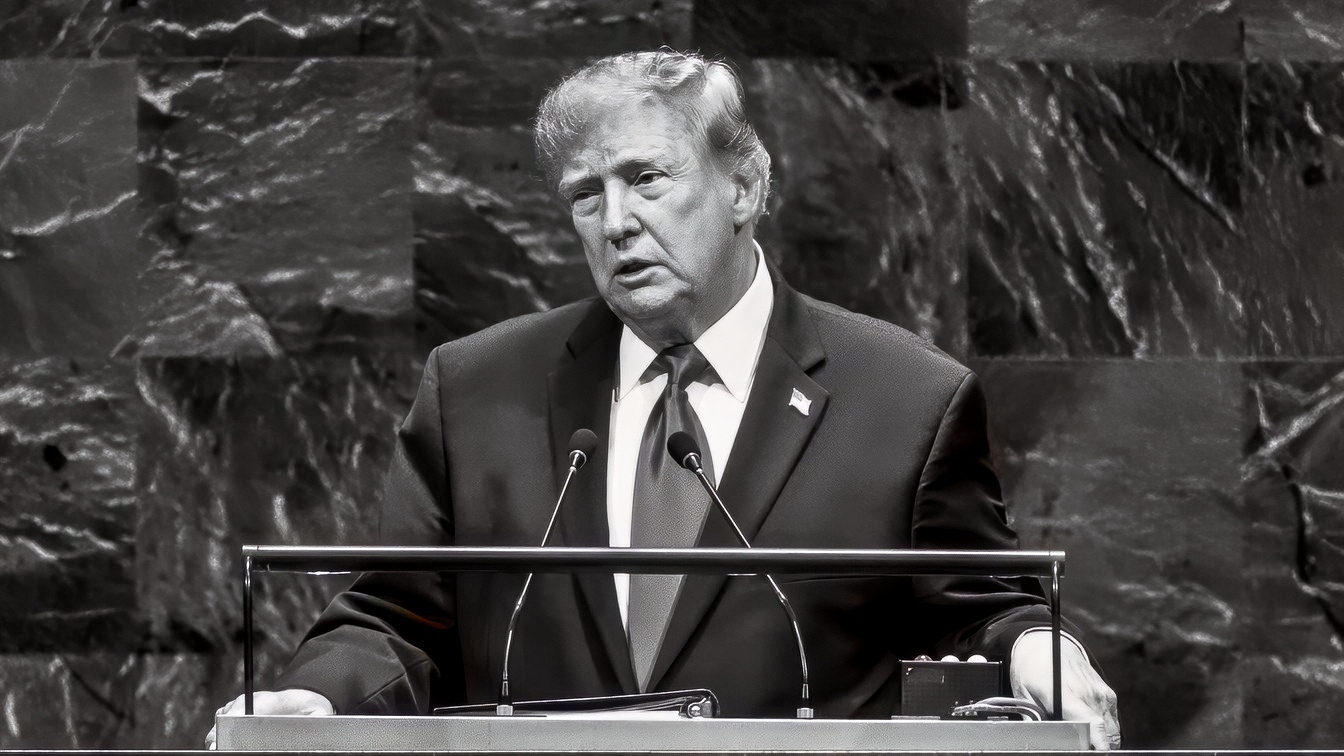
It has been nine months since US President Donald Trump and Israeli Prime Minister Benjamin Netanyahu launched a coordinated assault on Iran, and Trump’s options to end the conflict seem to be dwindling.
Trump still claims that there is “positive momentum” toward ending it, however.

Airman Brandon Kempf, 757th Aircraft Maintenance Squadron assistant dedicated A-10 Thunderbolt II crew chief, watches as an aircraft taxis into position after landing May 9, 2013 at Nellis Air Force Base, Nev. Upon landing, the A-10 Thunderbolt receives numerous post-flight checks and maintenance including strut servicing and ammunition downloads. (U.S. Air Force photo by Airman 1st Class Joshua Kleinholz)
Trump Dismisses Deal Prospects
On Thursday, November 12, Trump dismissed the idea of striking a deal with Iran as unnecessary, citing billions of dollars belonging to Iran that remain frozen in accounts overseas.
The president said the days of needing to reach a deal “have long since passed,” gloating that the US has “got their money” now and implying this would be all the leverage necessary for Iran to come to the table to surrender.
Trump also said the US has “got their Strait,” referring to the Strait of Hormuz.
The waterway remains heavily contested, and a wave of recent commercial tanker explosions indicates Iran will continue attempting to prevent vessels from passing through so-called “unauthorized” routes.
Qatar Sides with Trump While Trying to Maintain Diplomacy
Qatari leadership has been working to maintain a bridge of negotiations between the White House and the Islamic Republic, but the efforts remain stuck.
Qatar’s prime minister, Sheikh Mohammed bin Abdulrahman Al Thani, met with Trump on Monday, November 9, at the White House to discuss the situation. After the meeting, Trump published a statement on his Truth Social page and said his conversation with the Qatari prime minister was “excellent.”
Trump clarified that the current “status quo” of economic pressure through frozen Iranian assets was preferable to both himself, Al Thani, and the leaders of Saudi Arabia, the United Arab Emirates, Bahrain, Kuwait, and other Gulf Arab allies.

A U.S. Air Force A-10 Thunderbolt II flies a routine mission over the U.S. Central Command area of responsibility Dec. 23, 2024. A-10 Thunderbolt II pilots train and operate under night vision, allowing them to conduct presence patrols critical to regional security at any time and under any conditions. (U.S. Air Force photo)
Trump said the “Great Naval Blockade in History” was also part of that agreed-upon status quo, which is all part of what he has called “Operation Iron Gate,” meant to block Iran on both “land and sea.”
Trump Says Another Attack on Iran is “Unlikely”
The US president added in his Monday statement that although another attack on Iran seemed “quite unlikely,” the US military forces are “locked and loaded” in the event that another operation is deemed necessary.
Trump claimed that the entire Middle East, including Israel, is now “protected” from the “danger and threats” posed by Iran.
On Tuesday, November 11, US Secretary of State Marco Rubio repeated Trump’s stance that further military strikes would not be needed if economic pressures are “achieving the same objective.”
Disaffected Voters May Not Be Swayed
Trump’s remarks will likely do little to restore confidence in his leadership among the American people after a wave of GOP losses in the recent midterm elections on November 3.
Many voters cited economic conditions caused by the conflict as the main reason they decided to vote for Democratic Party candidates.
Six out of ten Americans believed taking military action against Iran was the “wrong decision,” according to a poll of over 100,000 voters reported on November 5.
The day before his Thursday statement, Trump declared victory over Iran while speaking at the Arlington National Cemetery in honor of Veterans Day.
He claimed that the US has already “won” and that the only remaining question is when he decides to end it.
During his speech, Trump said America did not start the war and claimed that Iran has been responsible for waging war on the US “since 1979,” and that it should have been dealt with “a long time ago.”
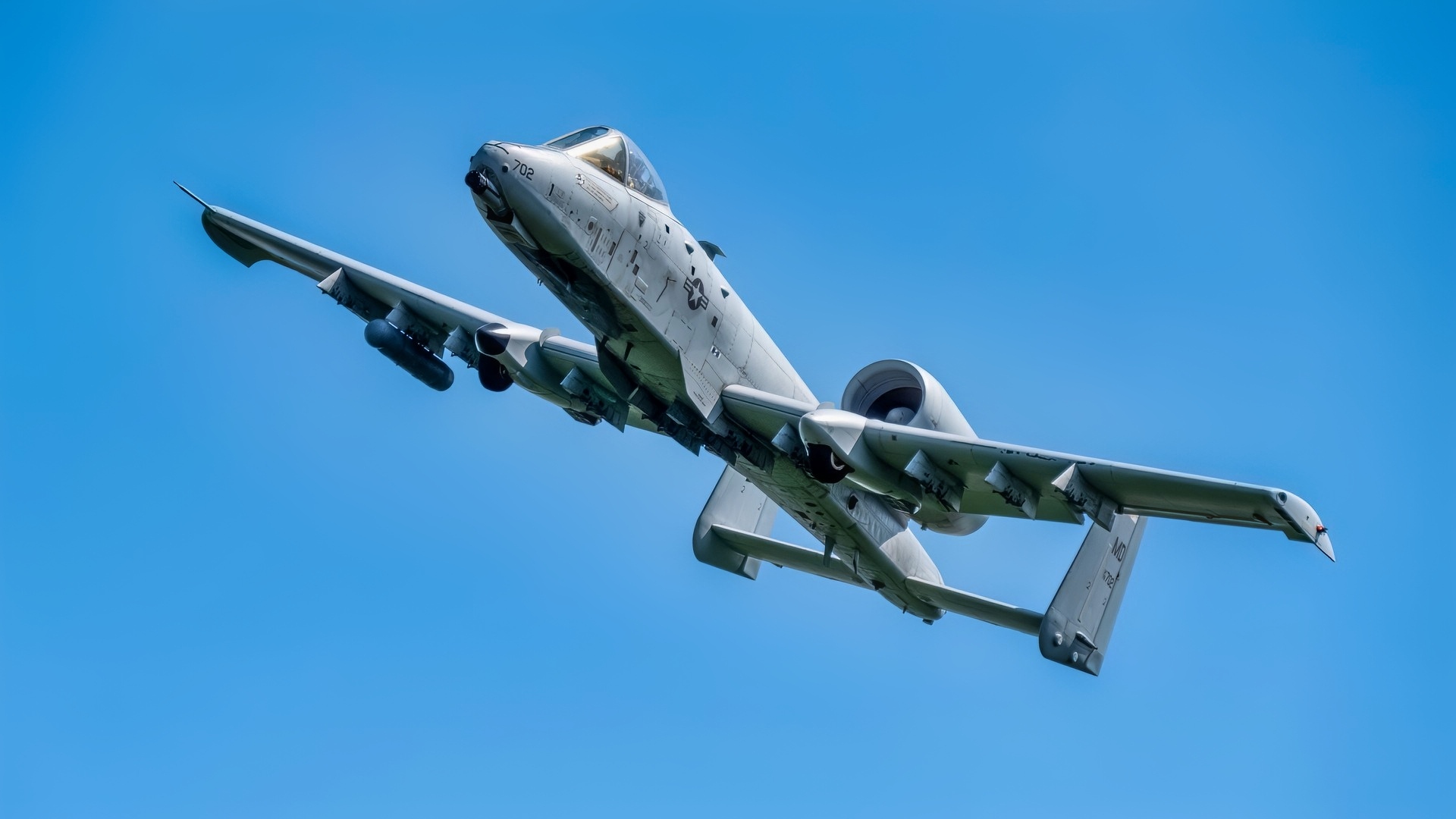
A Maryland Air National Guard A-10C Thunderbolt II, aircraft 702, from the 104th Fighter Squadron, flies through the air over Bollen Air-to-Ground Range, Fort Indiantown Gap, Pennsylvania, August 9, 2025. Family, friends and aviation enthusiasts attended the 104th Fighter Squadron Family Range Day to see the jets in action before the anticipated final divestment of the A-10C Thunderbolt II in September. (U.S. Air National Guard Photo by Airman 1st Class Sarah Hoover)
He mentioned 18 US soldiers who died in the recent conflict and reiterated that he believes the war will end soon.
Vice President JD Vance’s Focus is Redirected
Most of Trump’s Truth Social statement on Thursday had little to do with Iran.
The President instead announced that he was redirecting Vice President JD Vance’s focus away from Iran peace talks and toward dealing with corruption and crime surging in cities and states run by Democrats.
He cited Illinois, California, and Minnesota as examples of poorly run states and described them as “corrupt.”
Trump said the national budget would be balanced quickly if “billions of dollars” were not being stolen by fraud on a monthly basis.
Whether or not his redirecting of Vance away from the Iran war has anything to do with Vance’s statement citing the conflict as the number one reason Republicans lost in the midterms is unclear.
The statement, made the day after Election Day, revealed a divide between the president and vice president.
About the Author: Georgia Gilholy
Georgia Gilholy is a journalist based in the United Kingdom who has been published in Newsweek, The Times of Israel, and the Spectator. Gilholy writes about international politics, culture, and education.


