

Iran recently told a United Nations (UN) watchdog that it will not participate in any discussions about monitoring its nuclear programs as long as the nation remains under threat of military strikes from US and Israeli forces.
No More Nuclear Monitoring

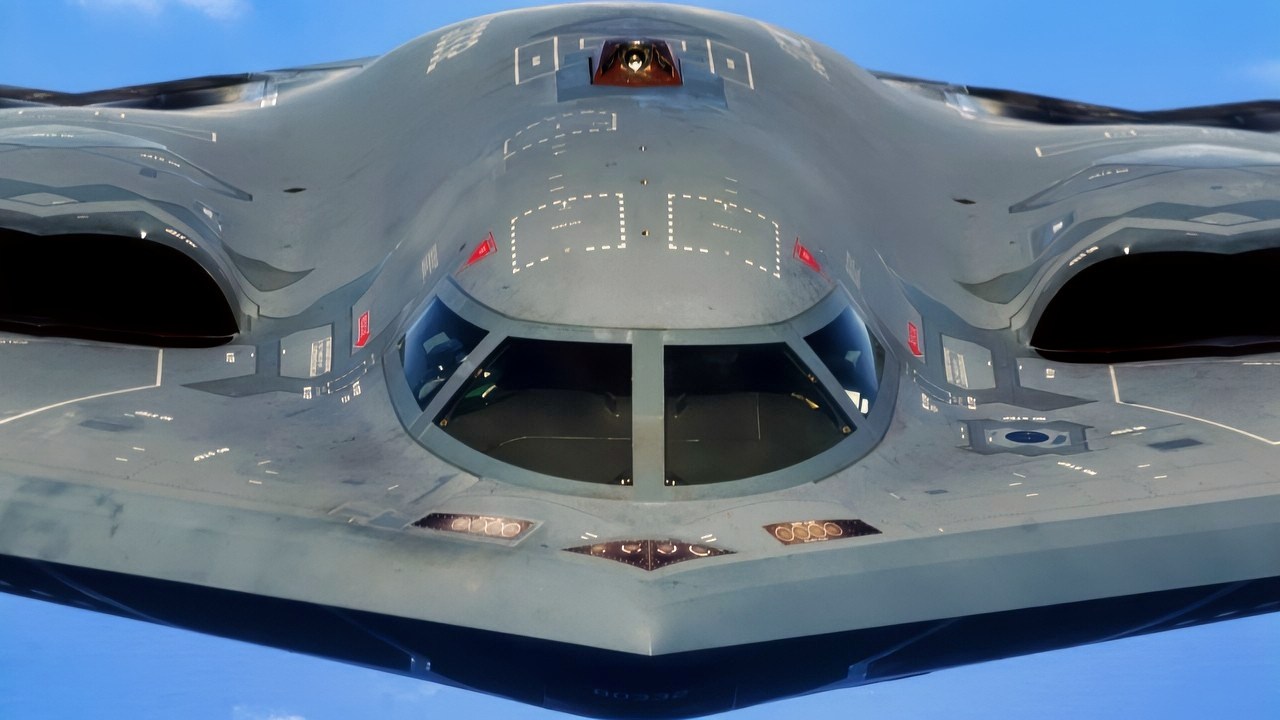
A B-52 Stratofortress lands at Patrick Space Force Base, Florida, April 15, 2021. The aircraft was featured at the Cocoa Beach Air Show April 17 – 18. The B-52 is is a long-range, heavy bomber capable of flying at up to 50,000 feet. (U.S. Space Force photo by Tech. Sgt. James Hodgman)
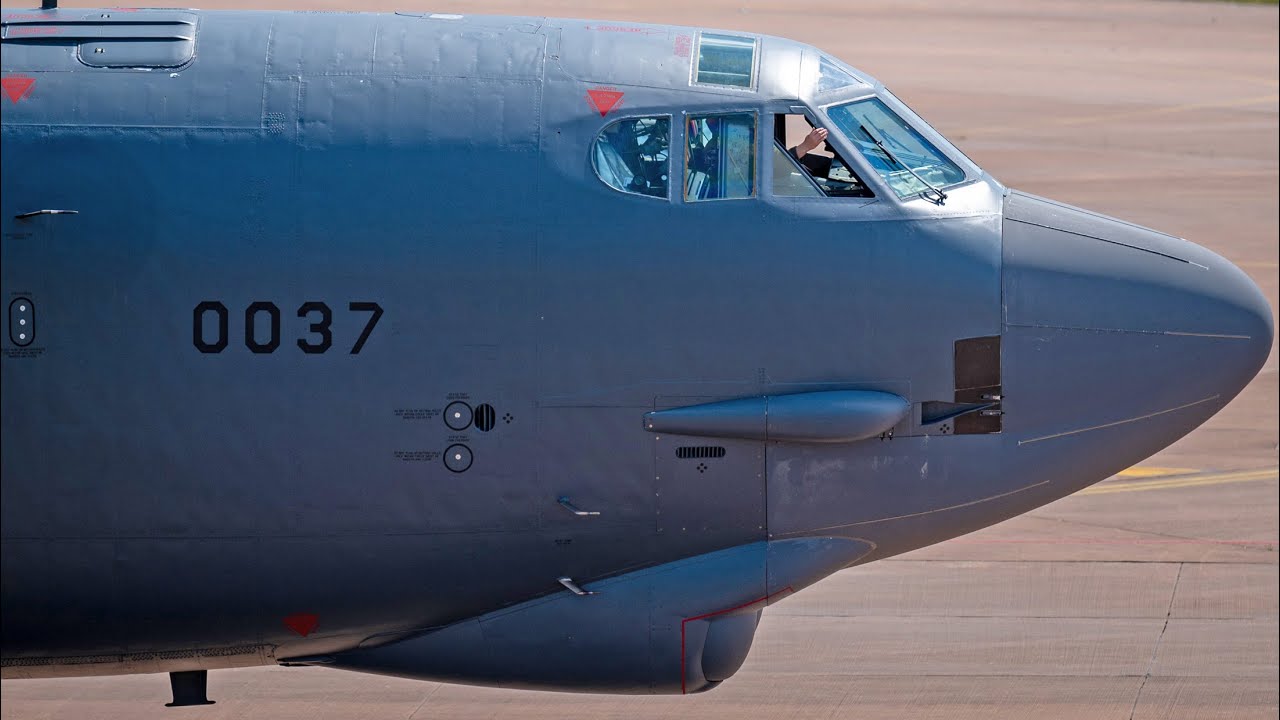
B-52 bomber. Image Credit: Creative Commons/USAF.
On Friday, November 13, a confidential report published by the watchdog, the International Atomic Energy Agency (IAEA), circulated among UN member states. According to the Associated Press, which saw the memo, Iran cited threats from US President Donald Trump as the reason it would not entertain discussions to resume inspections.
Iran described Trump’s threats as “persistent, explicit, and public,” noting that the US president has Iranian nuclear facilities “particularly” in his sights as targets.
Iran said there can be no resolution until “root causes… are addressed” and “normal safeguards” return, which the report says are “essential requirements.”
In June 2025, several nuclear sites in Iran were hit by US-Israeli forces during a 12-day conflict, and since then the IAEA has not been granted access to inspect the impacted sites.
The watchdog also has not been able to verify the current status of Iranian stockpiles of uranium over the last 17 months since that 12-day war.
Before the June 2025 strikes, the stockpile was estimated to be around 440 kilograms of 60%-enriched uranium.
Ninety-percent enrichment qualifies the uranium to be weapons-grade, meaning the stockpile was only a step away from dangerous enrichment levels.
Of particular concern to the IAEA is the Isfahan Fuel Enrichment Plant, which the watchdog raised concerns about in a report from June 2026 because its exact location remains unknown, as well as whether or not it is housing nuclear materials.
Inspectors Have Seen Only One Site Since 2025
Despite the breakdown in cooperation, IAEA inspectors have been allowed to visit Iran’s Bushehr nuclear power plant.
The inspection occurred between September 12 and 15, 2026.
It was the only inspection the agency conducted at an Iranian nuclear facility since the June 2025 conflict began.
Bushehr’s operating reactor uses uranium supplied by Russia that is enriched to 4.5%, which is far below the levels associated with weapons production.
The inspection therefore does not resolve any questions about Iran’s most sensitive nuclear facilities.
Director General of the IAEA, Rafael Grossi, warned that Iran’s uranium stockpile could theoretically provide enough material to build 10 nuclear weapons if it is enriched further.
The IAEA requires verification of uranium enriched to 60% every month.
The watchdog says that the continuing lack of information from Iran about its nuclear materials has become an urgent proliferation concern.
The agency has proposed that Iran gradually return to inspections and says that its personnel are preparing to resume monitoring on short notice.
U.S. Offers $20 Million for Iranian Nuclear Information
Washington is pursuing another strategy to obtain information about the state of Iran’s nuclear program.

A B-1 Bomber, 77th Weapons Squadron, Dyess Air Force Base, Texas, performs a fly by for the crowd during an Air Force Firepower Demonstration at Indian Springs Air Force Auxiliary Field, Nev., Oct 8. The Firepower Demonstration is held twice a year and gives the general public a glimpse into the Air Force’s ability to perform its wartime mission.
USAF Photo by MSgt Robert W. Valenca (Released)

B-1B Lancer Bomber. Image Credit: Creative Commons.
On November 6, the U.S. Department of State’s Rewards for Justice program announced that it would give up to $20 million to anybody who can provide information concerning Iran’s nuclear facilities or its equipment and personnel.
The offer also includes the possibility of relocation for those who provide the information.
Iranian Foreign Minister Abbas Araghchi responded to the offer on November 10.
He wrote to United Nations Secretary-General Antonio Guterres and IAEA chief Rafael Grossi.
In his letter, he accused Washington of encouraging espionage against Iranian scientists and nuclear facilities.
He called on the IAEA to help protect sensitive information obtained through inspections and prevent its use for any military purposes.
He also expressed his concern over the safety of Iranian nuclear personnel.
Qatar Proposed Nuclear Inspections Deal
Qatar has proposed a deal that would allow IAEA inspectors to return to Iran’s bombed nuclear facilities.
In exchange, Washington would lift its naval blockade.
The deal has not been formally accepted by either Washington or Tehran.
According to November 7 reports, the agreement would also see the United States release some of Iran’s $8 billion in overseas frozen assets.
Tehran would also be required to reopen the Strait of Hormuz on the second day of the deal. A shipping route through the waterway would be negotiated with Oman.
Sheikh Tamim bin Hamad al-Thani, Qatar’s emir, reportedly discussed the proposal with President Donald Trump.
However, Iran has made additional demands, including American troops withdrawing from its coastline.
Iran also wants sanctions relief and compensation for damage caused by the war.
The chances of any such deal being accepted are, however, low at this stage.
Tehran has expressed distrust of IAEA chief Rafael Grossi, accusing him of failing to condemn American attacks on its nuclear facilities.
President Donald Trump has also shot down prospects of a deal, declaring on November 12 that Washington no longer needs an agreement with Tehran and directing Vice President JD Vance to focus his work on so-called corruption in Democratic-run states.
About the Author: Georgia Gilholy
Georgia Gilholy is a journalist based in the United Kingdom who has been published in Newsweek, The Times of Israel, and the Spectator. Gilholy writes about international politics, culture, and education.


