

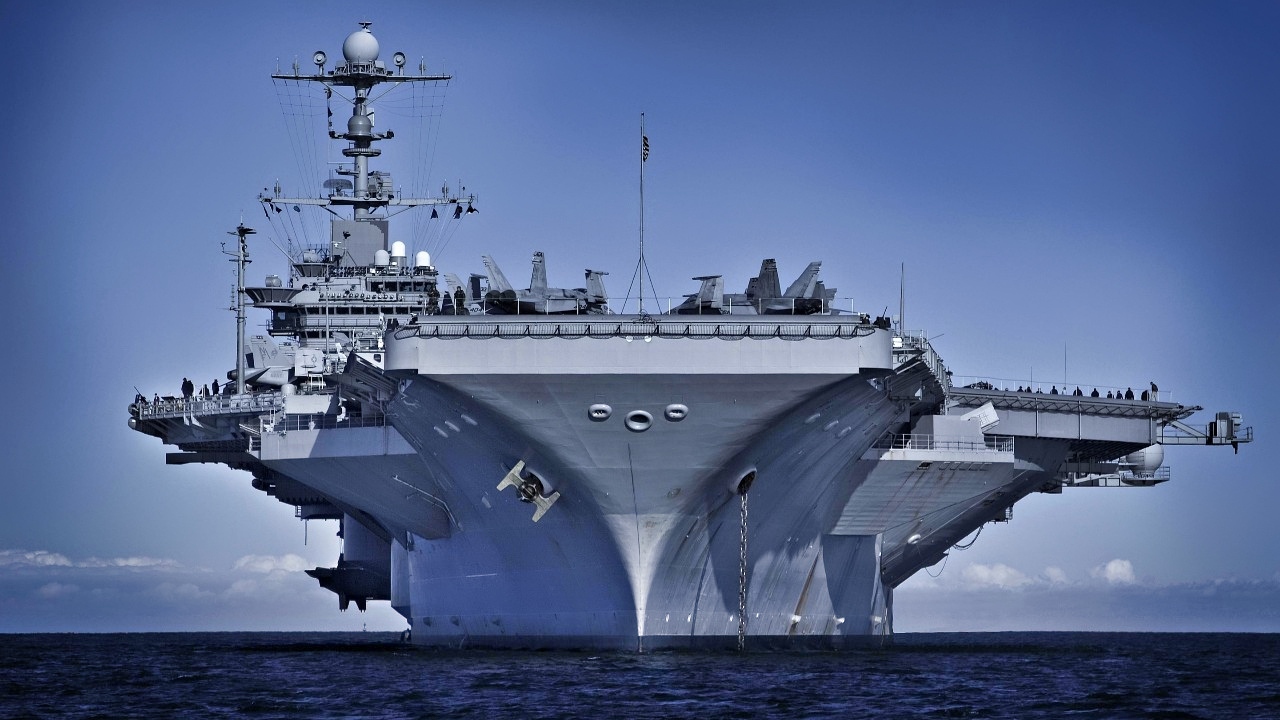
Donald Trump Bombed Iran for 13 Nights. Tehran Still Claims Control of the Strait of Hormuz: President Donald Trump has paused U.S. airstrikes against Iran after 13 consecutive nights of bombing, leaving the dispute unresolved. Iran said Monday it still controls the Strait of Hormuz and has not asked Washington to restart peace negotiations.
Tehran says its own forces will remain quiet only while Washington does the same. U.S. Ambassador to the United Nations Mike Waltz described Trump’s decision as an effort to give diplomacy room, while mediators continue trying to revive the interim arrangement reached in June.
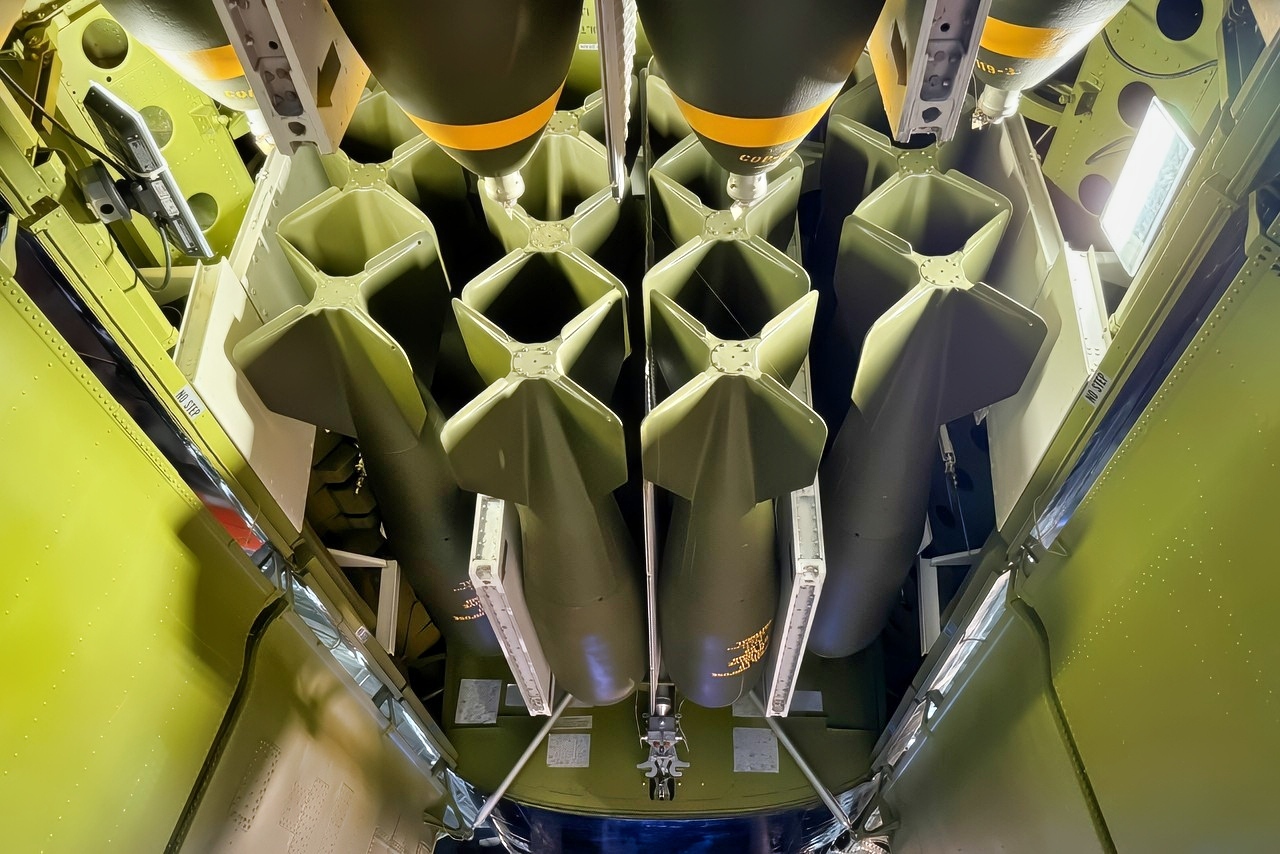
Bombs Inside the B-52 Bomber. Photo taken by Harry J. Kazianis/National Security Journal.
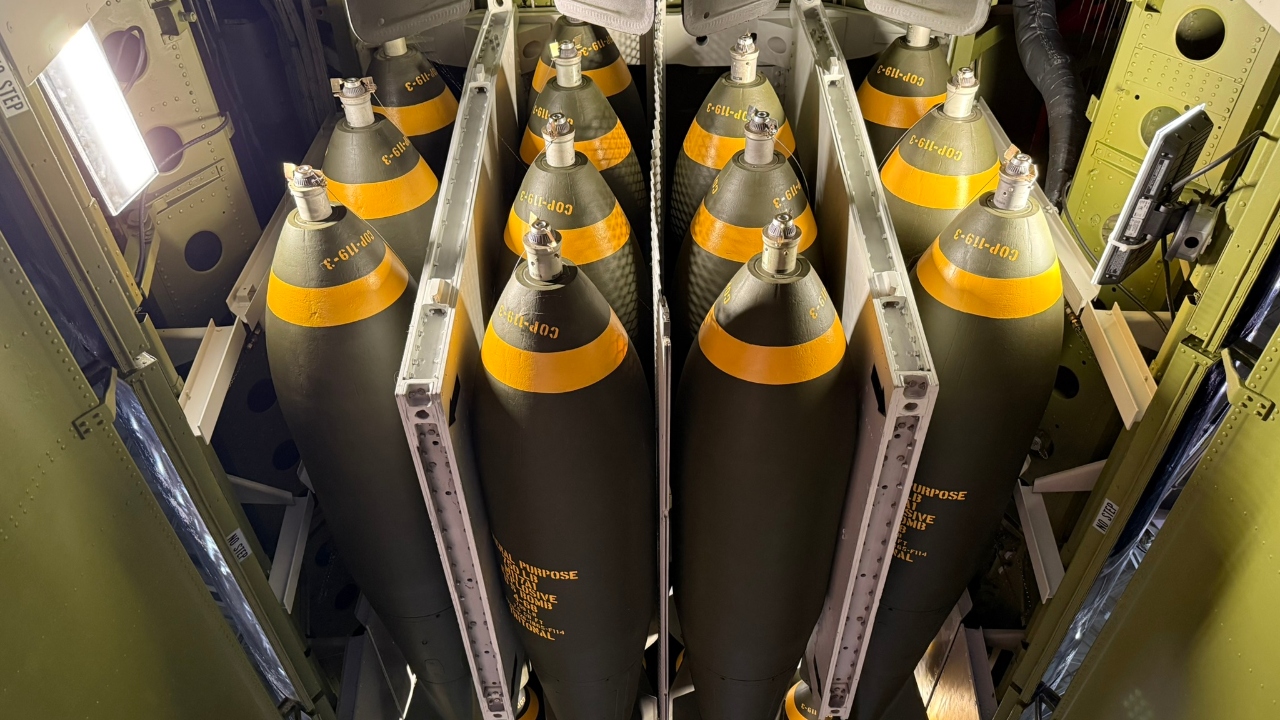
B-52 Bomber Bombs. Image Credit: National Security Journal.
The halt followed military advice. Adm. Brad Cooper, commander of U.S. Central Command, concluded another round of similar strikes offered little additional military value and that most assigned targets had been exhausted, according to Axios. Joint Chiefs Chairman Gen. Dan Caine also raised concerns about shrinking stocks of air-defense interceptors needed to protect American forces and allies across the Persian Gulf.
The pause leaves the political and maritime dispute intact. Commercial traffic through Hormuz remained at a three-week low over the weekend, with daily commodity-vessel transits staying below 10.
Six Turned-Back Ships Keep the Hormuz Dispute Alive
Iranian state media claimed Tehran turned back six ships Monday after they attempted to use a route without Iranian permission. The vessels were not publicly identified, and the reported encounters have not been independently confirmed. The claim follows another unverified report involving a tanker and a sea mine.
Washington rejects Iran’s claim of control and supports a route closer to Oman. Shipping companies must judge whether American protection outweighs the danger posed by Iranian missiles, drones, small boats, and mines.
The United States has the firepower to destroy coastal military targets, but airstrikes do not remove geography or persuade civilian crews and insurers to accept open-ended risk.
The June memorandum left the central dispute unresolved. Washington reads the agreement as requiring free commercial passage.
Tehran says the same language recognizes its authority to supervise transit. Earlier technical negotiations in Doha focused on shipping, but the two governments never reached a shared interpretation.
Oil Prices Fell While Tanker Traffic Stayed Near a Three-Week Low
Oil prices fell sharply Monday because traders saw a lower chance of immediate escalation. Brent crude dropped about 8 percent to roughly $89 after briefly rising above $100 last week, the Financial Times reported. The reaction shows how much economic pressure Hormuz gives Tehran even after weeks of American strikes.
Before the war, roughly 21 million barrels of oil and petroleum liquids moved through Hormuz each day, according to U.S. Energy Information Administration data. Iran wants ships to follow its designated channel and has sought transit fees, creating what critics describe as a new toll-based maritime order.
A temporary decline in oil prices does not restore tanker traffic, insurance coverage, or Gulf production. Those recover only when shipowners, crews, insurers, and energy buyers believe the route will remain safe for more than a few days. Tehran therefore retains leverage without defeating the U.S. military at sea: it needs enough credible threat to keep commercial operators cautious.
Trump Has to Decide Whether to Resume a Campaign That Hit Its Limit
Iran says its current discussions concern a bilateral arrangement with Oman, not negotiations with the United States. Washington is trying to turn the pause into leverage after commanders concluded further bombing offered diminishing returns. The campaign also exposed the pressure on American target lists and missile defenses.
Trump still has the option to resume strikes. Iran says its own pause lasts only while the United States holds fire, according to Reuters, and its army has warned that renewed attacks would expand the geography of the war. Trump has not said how long the bombing pause will last, and no date is set for formal negotiations. Iran says commercial ships still need its permission to cross Hormuz.
About the Author: Harry J. Kazianis
Harry J. Kazianis (@Grecianformula) was the former Senior Director of National Security Affairs at the Center for the National Interest (CFTNI), a foreign policy think tank founded by Richard Nixon based in Washington, DC. Harry has over a decade of experience in think tanks and national security publishing. His ideas have been published in the NY Times, The Washington Post, The Wall Street Journal, CNN, and many other outlets worldwide. He has held positions at CSIS, the Heritage Foundation, the University of Nottingham, and several other institutions related to national security research and studies. He is the former Executive Editor of the National Interest and the Diplomat. He holds a Master’s degree focusing on international affairs from Harvard University.


Jobardu
July 27, 2026 at 8:48 am
The limit isn’t Iran; it is the will of the West to survive. Right now, the Left/Democrats and the media support Iran and degrade American and Western capabilities. Troops on the ground are needed. Not to occupy Iran, but to occupy the area around Hormuz. This will need to be supported by air attacks for fire suppression, military targets and infrastructure targets where needed.
Iran can’t displace the US, especially if our erstwhile allies join the effort. Occupying the area and Islands around Hormuz and defensive attacks will make it difficult for Iran to continue.
Eujeho
July 27, 2026 at 9:53 am
Perhaps oil is falling because the world is slowly realizing it may not even need the strait of hormuz.