
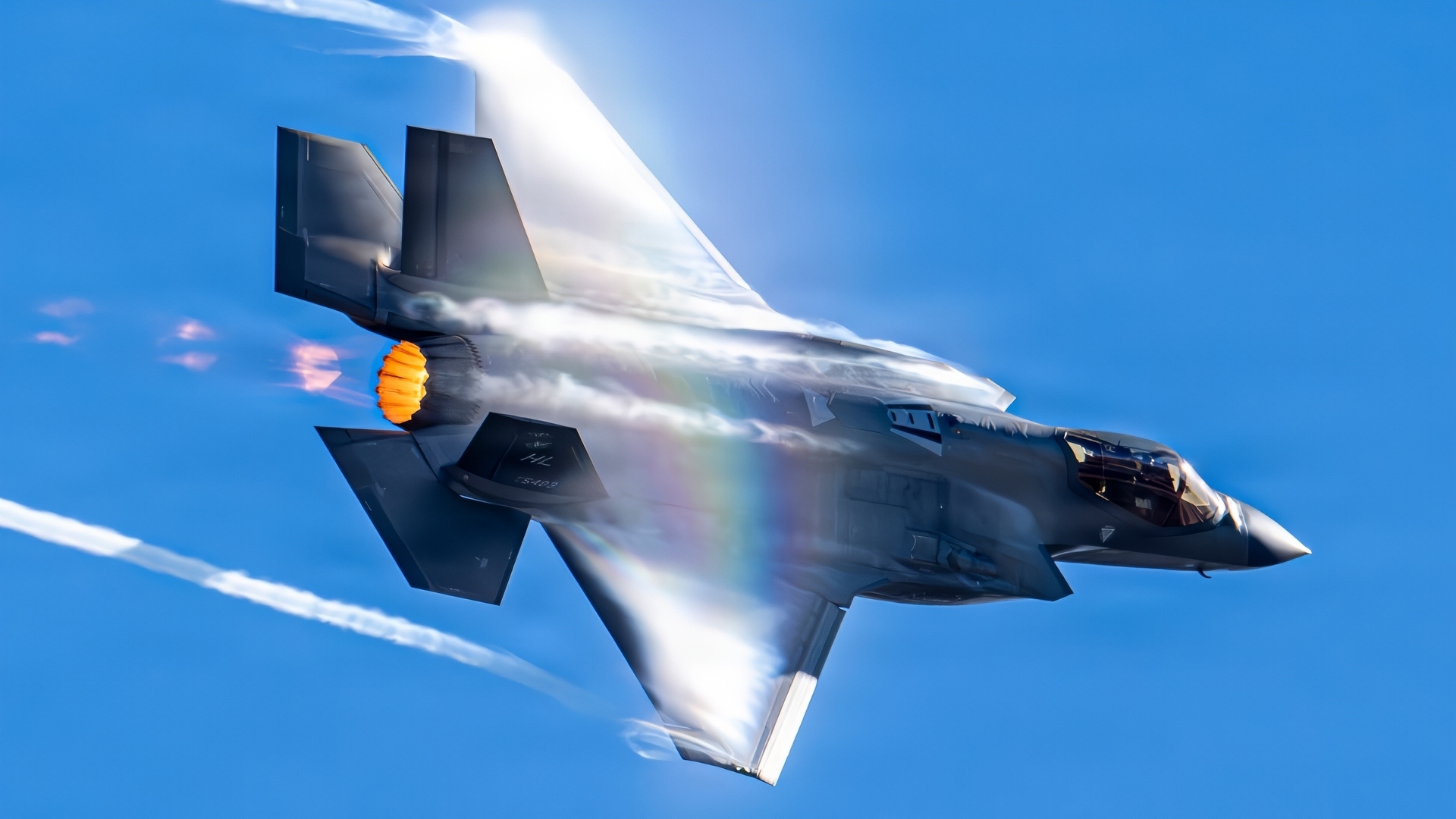
Trump Is Officially Cutting Iran Off From the Rest of the World: President Donald Trump announced on Sunday, November 8, that the United States is building on its naval blockade of Iranian ports and Operation Economic Outcast by restricting the movement of goods in and out of the country. The move effectively cuts Iran off from the rest of the world.
The announcement came after U.S. Central Command confirmed on Saturday the establishment of a new military task force, known as Iron Gate. The new operation will now focus on Iran’s land borders, which Tehran has used to try to navigate around the naval blockade. It will also focus on the Caspian Sea, through which Tehran has continued transporting equipment and military supplies.
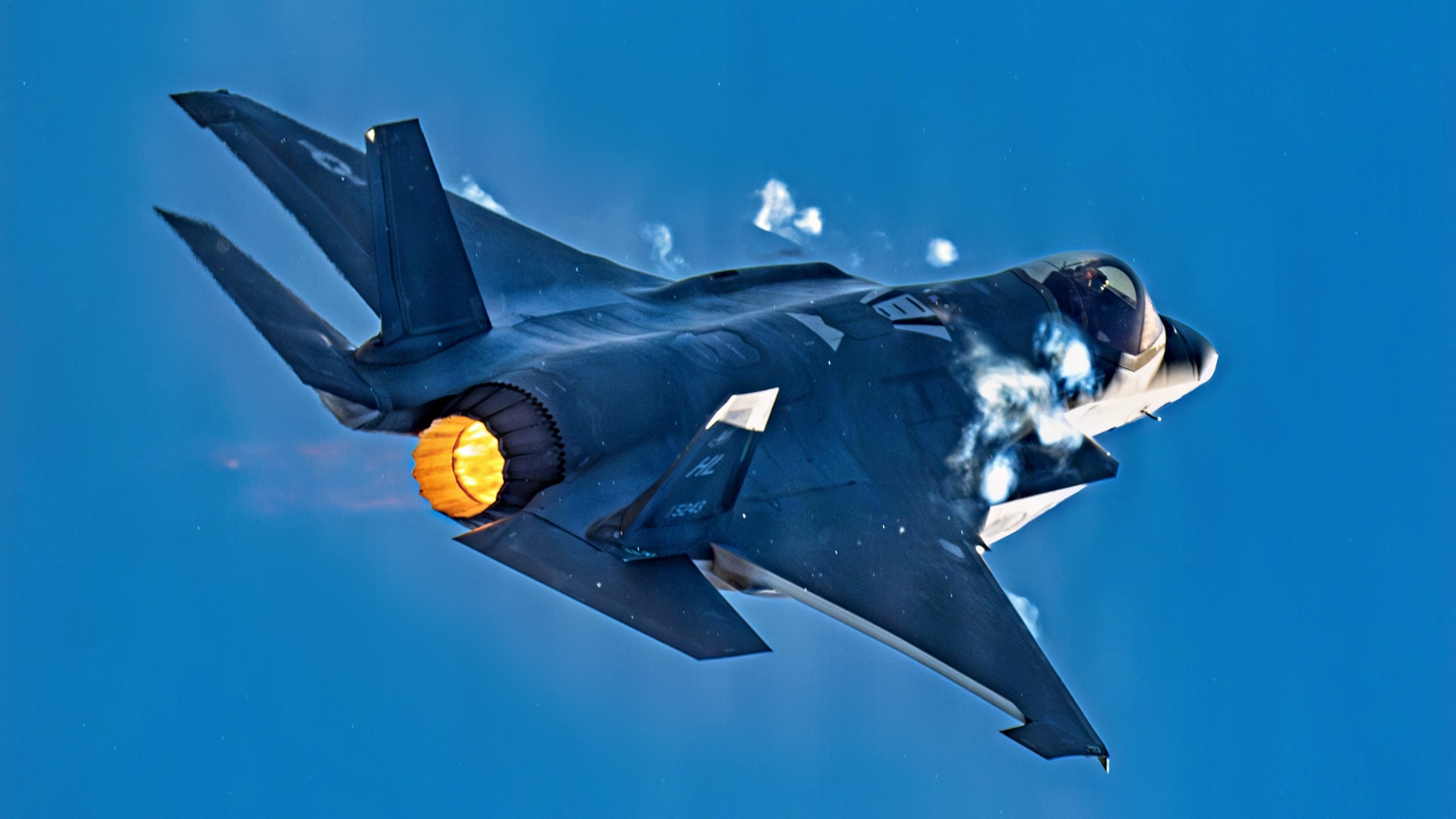
U.S. Air Force Maj. Sean “Rambo” Loughlin, pilot of the F-35A Demonstration Team, conducts aerial maneuvers during a practice demonstration at Hill Air Force Base, Utah, May 4, 2026. These practice demonstrations maintain the skills required to execute precise maneuvers at airshows worldwide. (U.S. Air Force photo by Staff Sgt. Nicholas Rupiper)
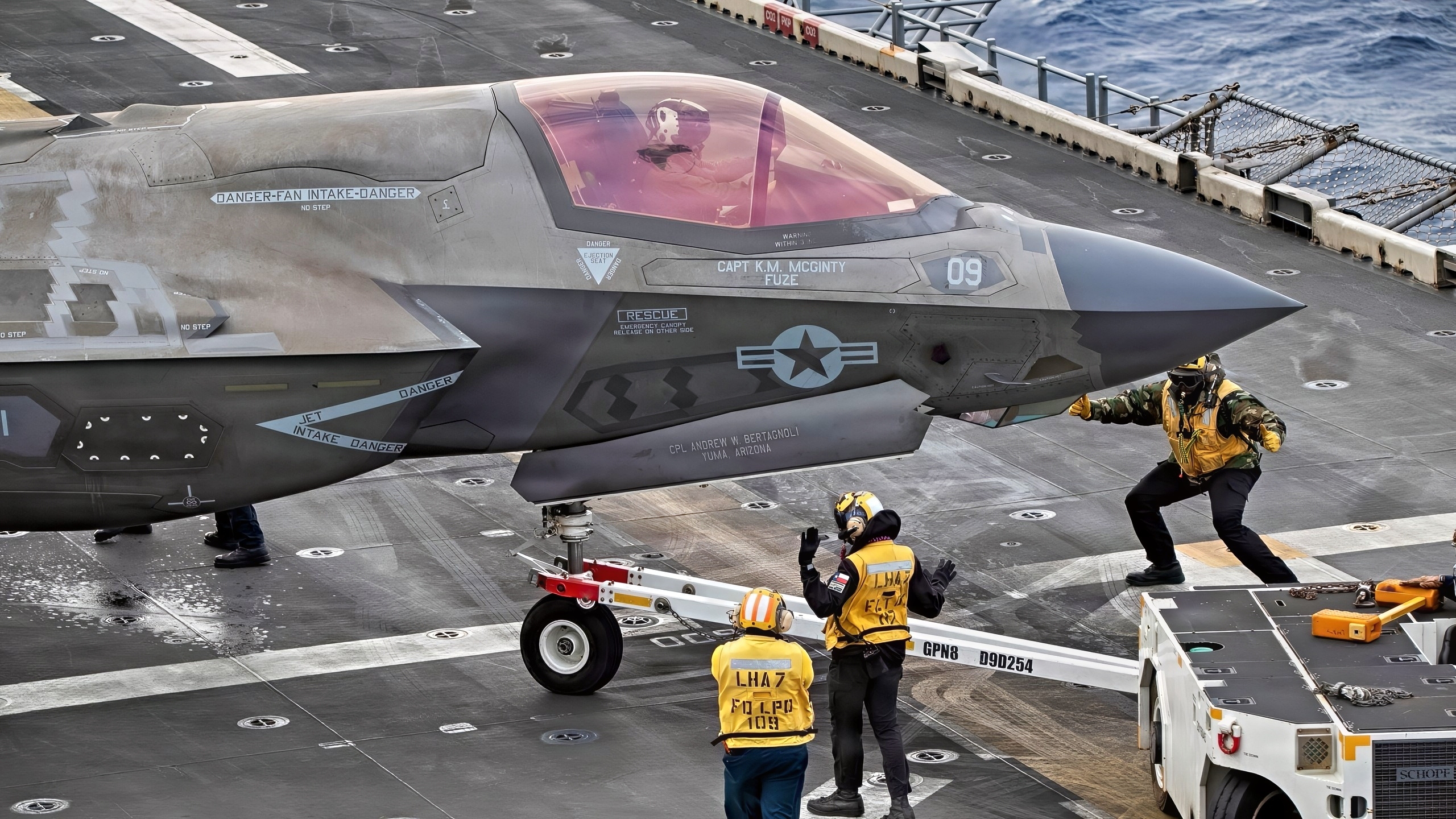
Sailors help move an F-35B Lighting II attached to Marine Fighter Attack Squadron (VMFA) 121 on the flight deck of America-class amphibious assault ship USS Tripoli (LHA 7), Mar. 05, 2026. Tripoli Amphibious Ready Group (ARG), composed of America-class amphibious assault ship USS Tripoli (LHA 7), San Antonio-class amphibious transport dock ships USS New Orleans (LPD 18) and USS San Diego (LPD 22), along with the 31st Marine Expeditionary Unit (MEU), are underway conducting routine operations in the U.S. 7th Fleet area of operations. U.S. 7th Fleet is the U.S. Navy’s largest forward-deployed numbered fleet, routinely interacts and operates with allies and partners in preserving a free and open Indo-Pacific. (U.S. Navy photo by Mass Communication Specialist Seaman Apprentice Reese Mitchell Taylor)
In a Truth Social post on Sunday, the president confirmed the plans, noting, “Task Force Iron Gate is in full force and effect in the Islamic Republic of Iran.”
“Coupled with history’s greatest Naval Blockade, very little gets into, or out of, Iran!” he continued.
The announcement comes as Secretary of State Marco Rubio indicates that Iran is making increasingly unrealistic demands to end the war, and as Tehran officially gives the United States a two-day ultimatum to end the war on its preferred terms.
What Is Task Force Iron Gate?
Task Force Iron Gate includes about 20 civilian and military personnel based at CENTCOM headquarters in Tampa, Florida. The task force coordinates with other federal agencies to track and disrupt the movement of weapons, sanctioned goods, technologies, and other items that could be used for both civilian and military purposes. The task force will work to ensure that goods cannot enter or leave Iran — period.
CENTCOM commander Admiral Brad Cooper said the operation builds on the existing naval blockade and aims to make it harder for Iran to replenish its military capabilities.
The operation does not involve deploying U.S. troops around Iran’s borders, however. The Pentagon has not yet explained how the task force will enforce restrictions on overland shipments, though reports suggest Washington has begun contacting regional governments and threatening sanctions if they do not comply with its demands on the movement of goods in and out of Iran.
Washington Targets Iran’s Supply Routes
Iran shares land borders with seven countries: Iraq, Turkey, Pakistan, Afghanistan, Armenia, Azerbaijan, and Turkmenistan. Iran also has access to the Caspian Sea, giving it shipping connections with Russia and other countries.
Those routes all bypass the Strait of Hormuz and the U.S. naval blockade that has restricted Iranian commercial activity through the Persian Gulf and Gulf of Oman. Per Reuters, Iran has imported at least $2 billion in military-related equipment since January 2025 through networks involving Russian shipping and Central Asian trucking routes. Chinese freight aircraft have also been used to import supplies. The naval blockade could not and cannot stop those shipments — and Iron Gate is intended to solve the problem.
Those routes have also become particularly important for Iran as it attempts to rebuild its military infrastructure before the United States potentially resumes strikes in the near future.
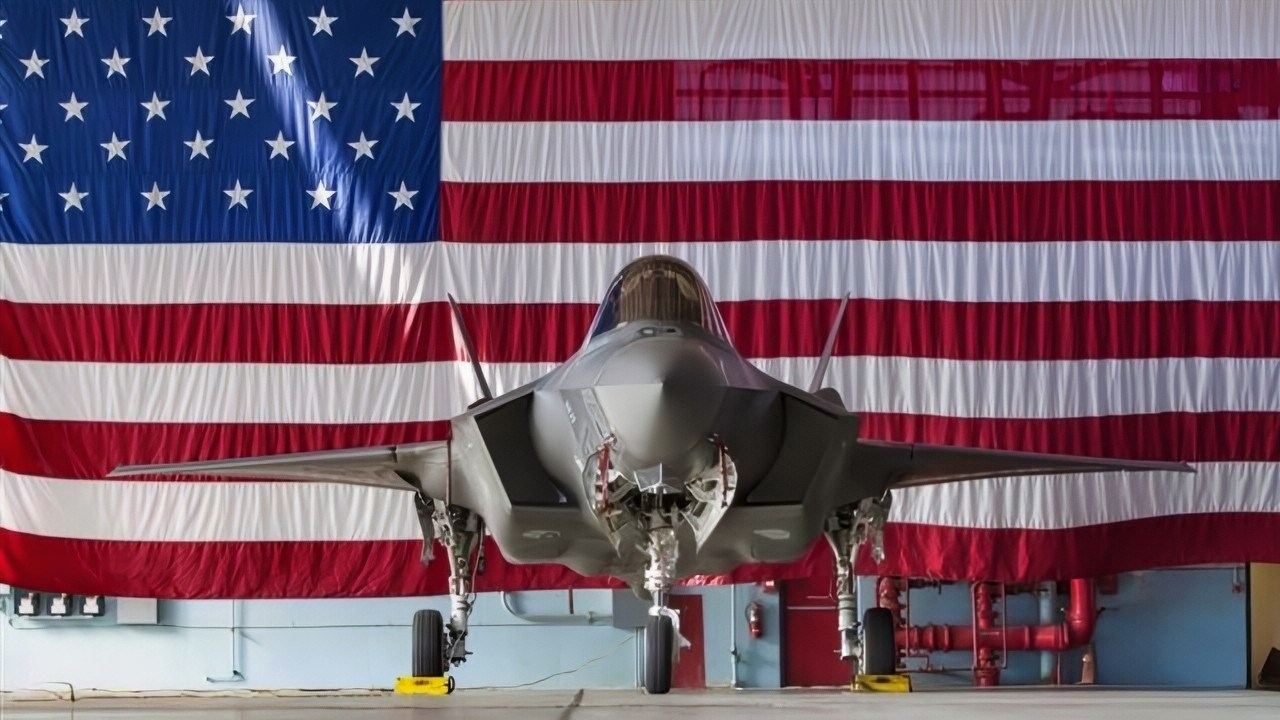
F-35 Fighter Image by Lockheed Martin
Washington Pressures Iraq and China
There are some signs of how Washington intends to enforce the new restrictions — by pressuring Iran’s neighbors to close their borders. The White House even appears to be threatening sanctions to ensure those neighbors cooperate.
On Sunday, Reuters reported that the U.S. Treasury Department had demanded that Iraq close all but two of its border crossings with Iran. Iraqi Foreign Minister Fuad Hussein confirmed the request in an interview with Al Jazeera, explaining that one of the two crossings allowed to remain open would be in Iraq’s Kurdistan region. Hussein said that closing the crossings would harm the Iraqi economy and prove difficult to enforce, given the large number of unofficial routes between the two countries. Still, he said Baghdad is negotiating with Washington over the demands.
Iraq closed the busy Sheeb border last month to strengthen security and install equipment to detect smuggling.
Washington is also looking to secure assistance from China — which is far from guaranteed.
Reports from earlier this week revealed that Treasury Secretary Scott Bessent, with President Trump’s approval, approached Beijing and asked it to use its influence over Tehran to help end the war. An unnamed U.S. official told the Washington Post that China had subsequently delivered a message to Iranian leaders.
President Trump also reportedly raised the topic of Iran directly with Chinese President Xi Jinping during their September meeting in Washington, and the issue will likely also be on the agenda when the two leaders meet in Shenzhen on November 18.
Washington may not have men on the ground at the borders, at least not yet, but threatening sanctions may just do enough to worsen the already crippling pressure on the Iranian economy and war machine.
About the Author: Jack Buckby
Jack Buckby is a British researcher and analyst specializing in defense and national security, based in New York. His work focuses on military capability, procurement, and strategic competition, and he produces and edits analysis for policy and defense audiences. He brings extensive editorial experience, with a career output spanning over 1,000 articles at National Security Journal, and has previously authored books and papers on extremism and deradicalization.


