

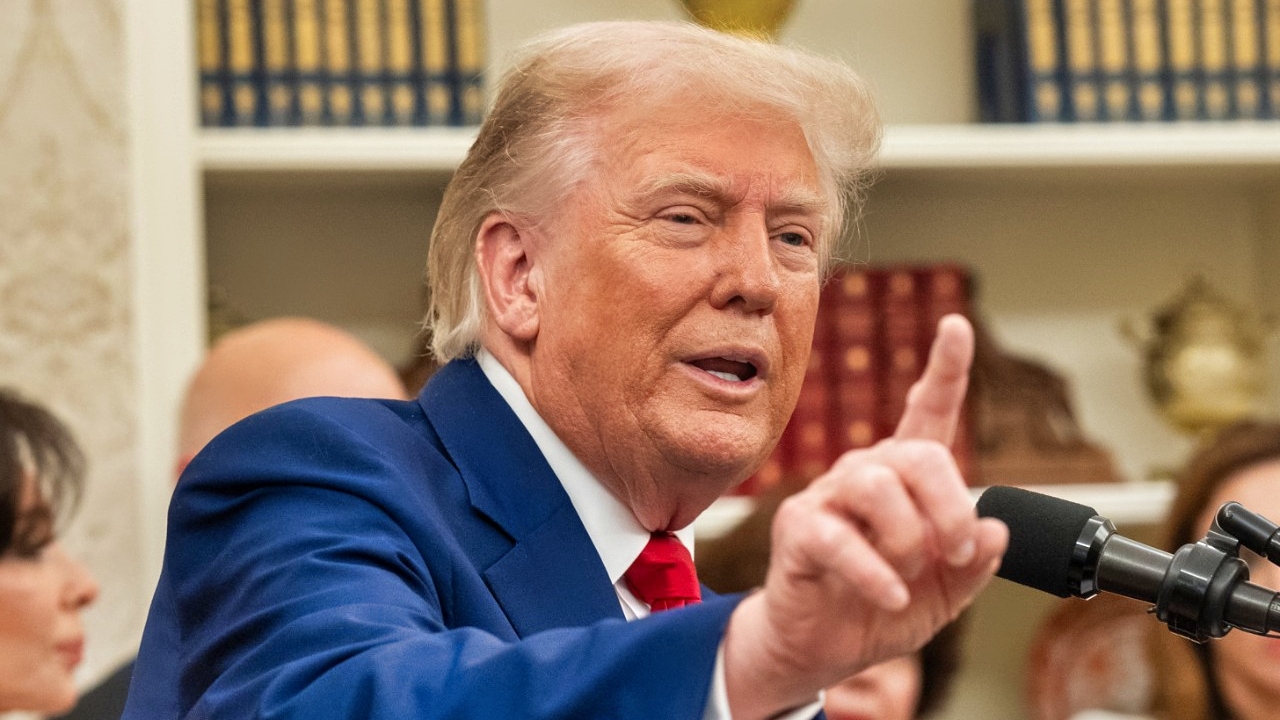
Iran’s motorists are facing hours-long lines at gasoline stations as war with the U.S. continues to imperil its economy.
Deutsche Welle reported that motorists were spotted sleeping in cars overnight to buy fuel the next morning.
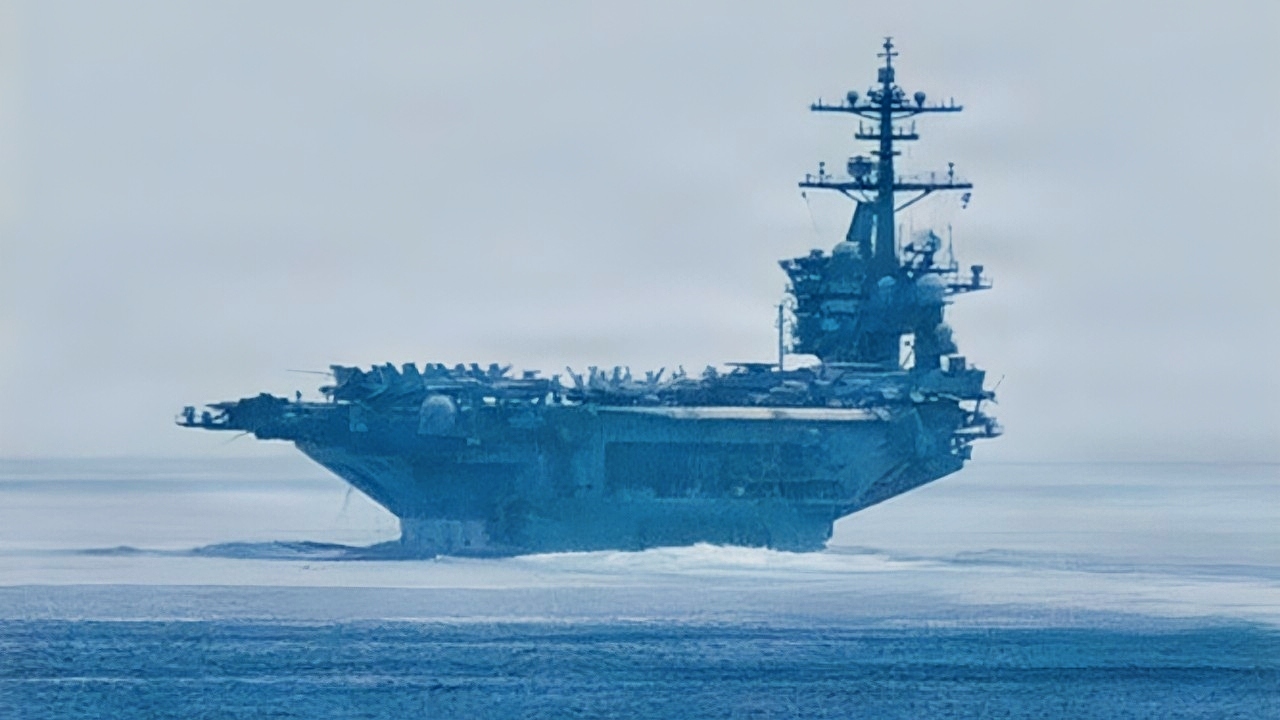
Nimitz-class aircraft carrier USS George Washington (CVN 73). Creative Commons Image.
Some stations were even forced to close after running out of fuel.
“I’m in the gasoline line right now. It took about 45 minutes just to get this far,” a resident of Karaj, west of Tehran, told DW. “Yesterday I went to several stations. Some were closed, some had no gasoline and others had very long queues.”
The New York Times described a similar picture in Tehran, Isfahan, Bandar Abbas, and Mashhad.
Midnight Streets Packed With Cars
“Even when you pass through the streets around midnight, like 2 or 3 in the morning, you will see that there is a huge line of cars,” a 30-year-old Mashhad resident told the newspaper.
Esmail Saghab-Esfahani, an Iranian vice president and the head of the regime’s Strategic Energy Policy and Management Organization, has put consumption at roughly 135 million liters per day against production of about 121 million. This marks a major shortfall of about 14 million liters per day.
Iran has historically filled these kinds of gaps with imported gas.
The current U.S. naval blockade of Iranian ports is making such trade impossible.
Much domestic energy infrastructure and refining capacity is also in ruins after months of targeted American attacks.
President Masoud Pezeshkian announced to Iranian state television last week: “We are facing war… The enemy has targeted our oil and gas resources, and our production has fallen.”
Oil Prices Increase Amid Sanctions
Treasury Secretary Scott Bessent launched “Operation Economic Outcast” last week. The bombastic politician claimed he would “sever every economic lifeline” aiding Iran’s autocratic regime.
The Treasury even moved to eliminate Banque Misr UAE’s use of the dollar-based financial system last week.
The move followed evidence that the financial institution had processed billions for Tehran.
Brent crude soared to $97.29 a barrel on Thursday as the turmoil continued. Iran’s rial also continued to weaken, falling to a record level of around 2.2 million to the U.S. dollar this week.
Iran Could Ration Fuel
Iranian Officials are now weighing whether to cap gasoline supplied to stations at 121 million liters per day.
They could also shift subsidized fuel allowances from cars to individuals and tighten vehicle quotas. Pezeshkian, however, has vowed not to raise the price of the cheapest subsidized gasoline tier.
He says heavier users might ultimately pay up to double current rates.
“If we raise the gasoline price recklessly, we will create problems for people,” Pezeshkian said.
A sudden gasoline price rocket in November 2019 caused nationwide protests followed by a tyrannical and violent government crackdown.
Iran’s Parliament Speaker Mohammad Bagher Ghalibaf has therefore claimed that gasoline consumption must fall while warning against simply increasing prices.
These issues are expanding amid a much wider collapse in the country’s purchasing power.
The Guardian said that vegetable oil was now priced 383% higher in August than in the same period in 2025.
Eggs soared by 294%, chicken 177%, and red meat 148%. Year-over-year inflation climbed by 84.4%. Demand for red meat had already halved in April.
Biomedical engineer Mohsen Zavaar told The Guardian that “For part of the population, the issue is no longer buying a house or a car.” He said that many ordinary Iranians are “cutting out meat, reducing food quality,” and even postponing medical treatments.
Fuel quality is also proving a key issue.
Persian Gulf Star Oil Company has acknowledged testing gasoline containing around 0.5% methanol. The company still claims the concentration aligns with Iranian standards.
Separately, authorities in Rafsanjan have acknowledged one case in which water contaminated gasoline because of what officials framed as a mere technical hiccup.
The reality is that Iran cannot keep consuming 135 million liters of gasoline forever, while producing just 121 million.
As economic expert Reza Gheibi told the New York Times, reforming Iran’s quota system would “at best, change the way the shortage is distributed — not the shortage itself.”
Will Tehran Double Down?
“They [Iran] should put up the white flag of surrender,” Trump told Fox News, claiming that backchannel talks with the Islamic Revolutionary Guard Corps (IRGC) were ongoing.
On Tuesday, Trump sharply changed tack, stressing that no talks with Iran were ongoing, nor were any scheduled.
About the Author: Georgia Gilholy
Georgia Gilholy is a journalist based in the United Kingdom who has been published in Newsweek, The Times of Israel, and the Spectator. Gilholy writes about international politics, culture, and education.


