
Iran said on Wednesday, September 30, that it had received an official response from the United States to its proposal to reopen the Strait of Hormuz and restart negotiations.
The claim comes days after U.S. President Donald Trump publicly rejected the offer.
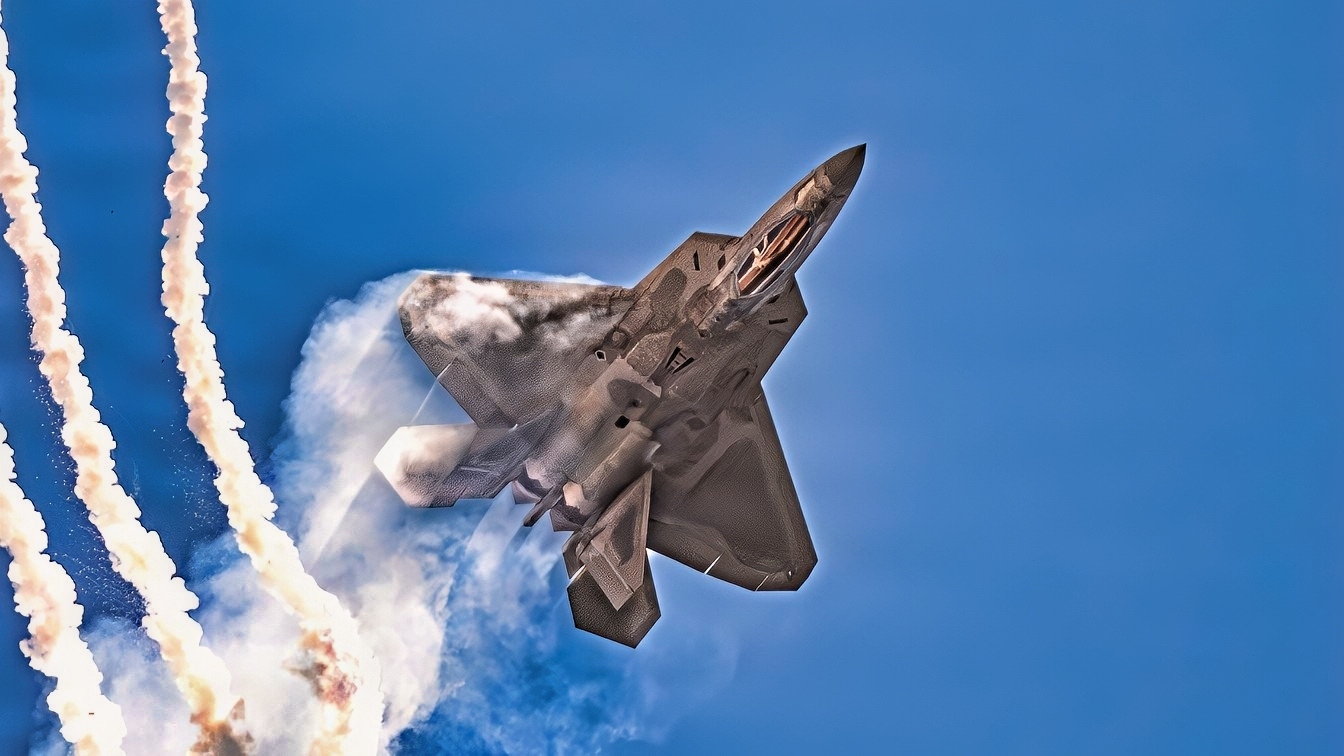
U.S. Air Force Capt. Nick “Laz” Le Tourneau, pilot and commander of the F-22 Raptor Aerial Demonstration Team, performs an aerial demonstration at Air Dot Show Tour Fort Lauderdale, Florida, May 9, 2026. Capt. Le Tourneau showcased the unmatched capabilities of the F-22 by performing a series of combat maneuvers. (U.S. Air Force photo by Staff Sgt. Mary Bowers)
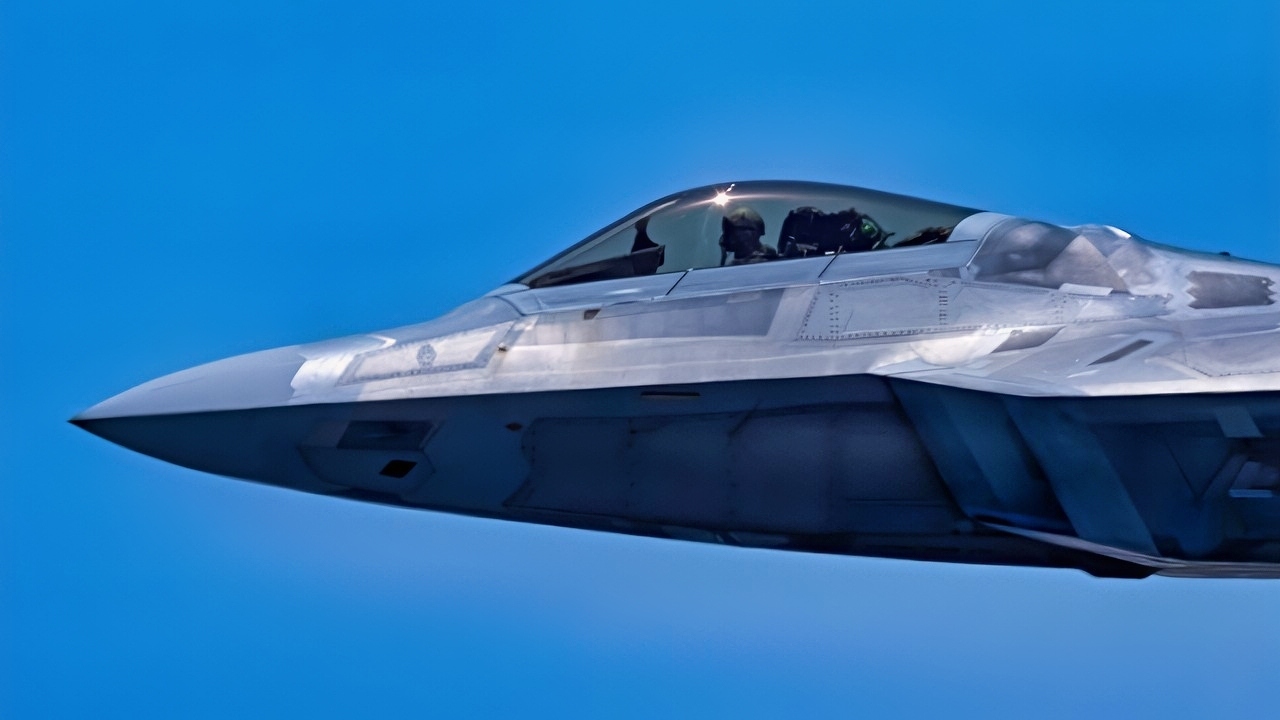
Air Force Chief of Staff Gen. Ken Wilsbach takes off in an F-22 Raptor from Joint Base Pearl Harbor-Hickam, Hawaii, May 13, 2026. Wilsbach flew an F-22 sortie, experiencing the total force integration among active-duty Airman and Hawaii Air National Guard counterparts. (U.S. Air Force photo Senior Airman Aden Brown)
Iranian spokesperson Fatemeh Mohajerani said that Foreign Minister Abbas Araghchi had presented the response to President Masoud Pezeshkian during a Cabinet meeting, though its contents were not disclosed.
What Iran Proposed
During a September 25 press conference at the United Nations headquarters in New York City, where Iranian officials were attending the General Assembly, Araghchi revealed details of an initiative proposed by Tehran.
The proposal was submitted through Qatari mediators and included provisions for Iran’s Supreme National Security Council.
Under the proposed deal, Iran offered a seven-day process that would culminate in the opening of the Strait of Hormuz, allowing full commercial passage through the waterway and the resumption of negotiations.
It came with a catch, however: Iran sought an end to the American naval blockade of its ports and waivers of sanctions on Iranian oil sales.
Iran also demanded access to frozen assets in foreign banks and a regional ceasefire that included Lebanon.
According to Araghchi, the seven-day timetable would start as soon as Washington accepted the deal.
He also positioned it as a return to the substance of the memorandum of understanding, the June deal that ultimately failed.

A U.S. Air Force F-22 Raptor assigned to the 3rd Wing conducts flight operations at Joint Base Elmendorf-Richardson, Sept. 28, 2023. The F-22 Raptor is a critical component of the Global Strike Task Force, and is designed to project air dominance rapidly and at great distances to defeat threats. (U.S. Air Force photo by Senior Airman Julia Lebens)

F-22 Raptor Elephant Walk. Image Credit: Creative Commons.
Trump Rejects It Publicly
On Saturday, September 26, President Trump told reporters outside of the White House that he rejects the proposal, and said that Iran was only coming back to the table because they are losing the war.
“I like making a deal too,” Trump said. “But, I’m not – that deal would not be acceptable.”
“They want to make a deal where they open the strait immediately because they’re losing so badly,” he added.
The logic is this: the American blockade is depriving Iran of revenue, allowing Trump to, as he puts it, “low-key” it with Iran and refrain from launching new strikes.
Instead, Washington is waiting for the economic pressure to force the Iranian regime to buckle.
So far, it looks like the strategy could, at the very least, force Iran to consider diplomacy and negotiations — but it’s still unclear whether any level of economic chaos would be sufficient to make the regime concede on every point the U.S. demands.
The Wall Street Journal also reported, citing unnamed American officials, that Trump doubts Iran will meet his demands in the end, and that a renewed bombing campaign after the November midterms is likely.
What Other Officials Are Saying
Trump administration officials are still publicly leaving open the door to negotiations.
An unnamed White House official told CNN that discussions through mediators were constructive, while arguing that American leverage meant Washington faced no immediate need to conclude an agreement.
Secretary of State Marco Rubio similarly cautioned earlier in September that reaching a deal would require substantial work over time.
During an appearance on Fox News’s “The Big Weekend Show,” U.S. Ambassador to NATO Matthew Whitaker defended Trump’s rejection of the Iranian proposal, characterizing the offer as inadequate.
He argued that sanctions and the American blockade on Iranian ports have already severely weakened its economy, and that Washington must continue to push for Iran to give up its ambitions to build a nuclear weapon.
“President Trump has been so successful with the naval blockade and the sanctions. Their economy is crippled. They are completely broke. Their currency is weak. Inflation is high, and you know they desperately want a deal,” Whitaker said.
Where We Stand
Per the latest reports, Qatari mediators delivered Washington’s official response to the proposal to Araghchi in Doha on Tuesday, September 29.
Reuters cited a non-Iranian official who was briefed on the talks.
The official said that the main area of disagreement between the two sides was over the order in which each side would carry out its commitments, and not necessarily the components of the plan – suggesting that the White House may still be open to the kind of deal that was implemented and failed in June.
A document circulating among negotiators also reportedly contained concrete steps relating to Iran’s nuclear program, although details of those measures have not been disclosed and Tehran continues to publicly insist that it will not end its nuclear program.
Pezeshkian said on Wednesday that Iran would continue working towards an agreement with Washington while defending its interests.
“We will make every effort to bring the agreement to fruition and will firmly stand up for the rights of the Iranian people,” Pezeshkian said.
“The agreement must now be based on a win-win strategy.”
About the Author: Jack Buckby
Jack Buckby is a British researcher and analyst specializing in defense and national security, based in New York. His work focuses on military capability, procurement, and strategic competition, producing and editing analysis for policy and defense audiences. He brings extensive editorial experience, with a career output spanning over 1,000 articles at 19FortyFive and National Security Journal, and has previously authored books and papers on extremism and deradicalization.


