

The war between the U.S. and Iran has been in something of a holding pattern for the last two months. The war hasn’t consisted of daily shooting or bombing since July, but there isn’t quite peace either, as the sides remain at a standoff, and no full-on peace talks are scheduled.
According to one shipping boss, it’s starting to look like the Russia-Ukraine war, in which the front lines haven’t moved much recently. While the analogy isn’t exact, some similarities remain.

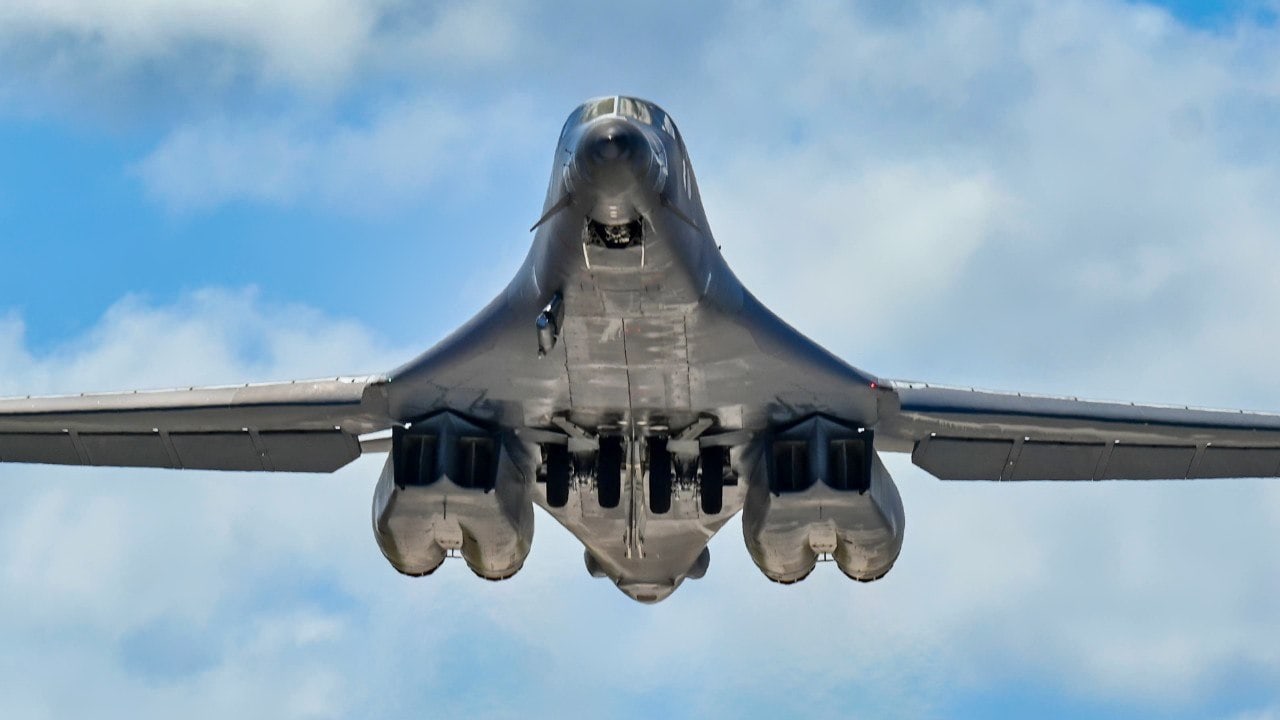
B-1B Lancer. Image Credit: Creative Commons.
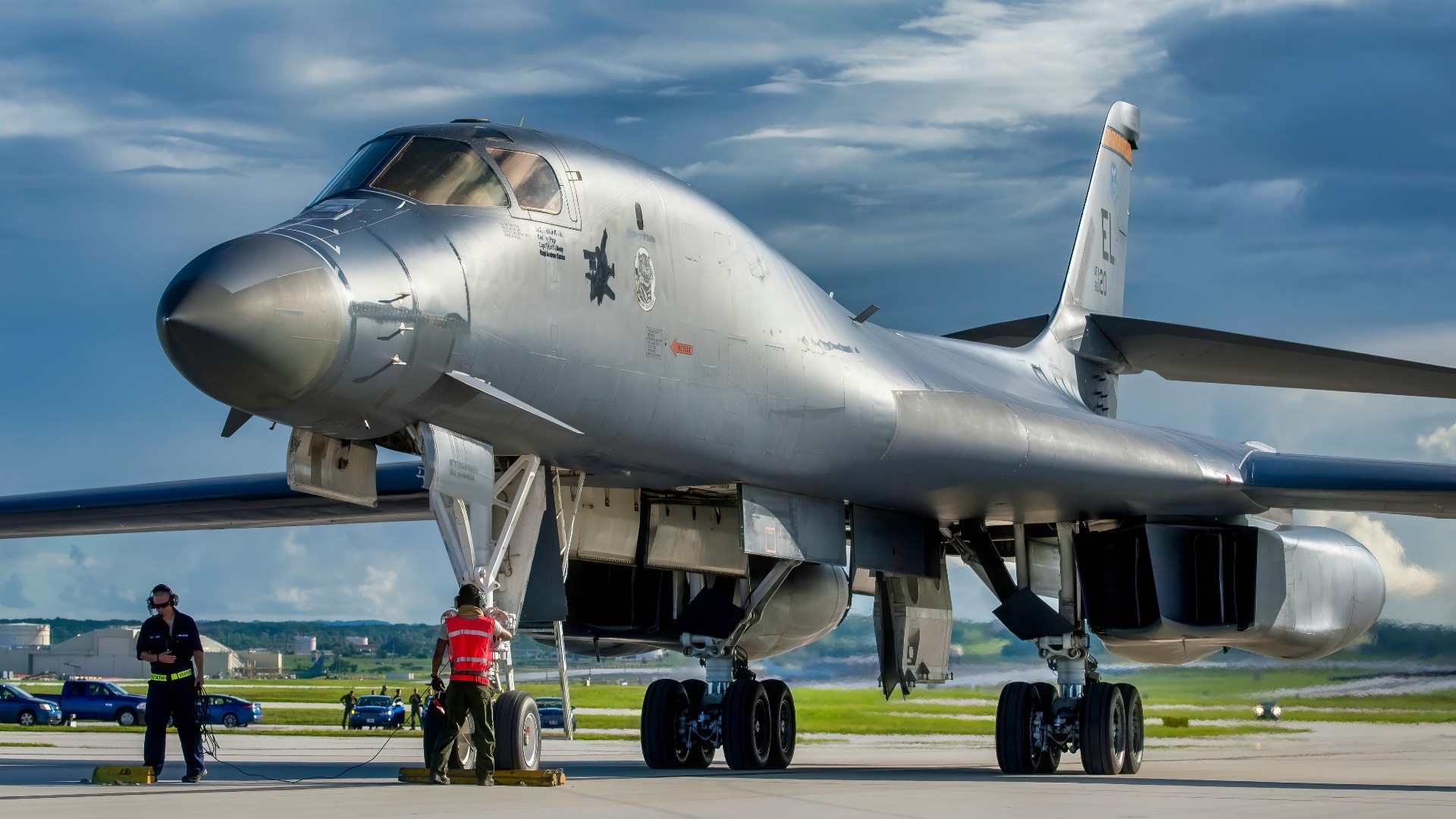
A U.S. Air Force B-1B Lancer assigned to the 37th Expeditionary Bomb Squadron, deployed from Ellsworth Air Force Base (AFB), S.D., arrives at Andersen AFB, Guam July 26, 2017. These aircraft, and the men and women who fly and support them, provide a significant capability that enables our readiness and commitment to deterrence, provides assurances to our allies, and strengthens regional security and stability in the Indo-Asia-Pacific region. (U.S. Air Force photo/Airman 1st Class Christopher Quail)
According to the Financial Times, Jacob Meldgaard, the chief executive of Danish tanker group Torm — which operates more than 100 tankers — said global markets are underestimating the possibility of a “prolonged stalemate” in the war — one that could last months or even years.
“In 2022, a lot of people, especially in the US, for the first six months said the war in Ukraine will stop very soon because it makes no sense and it is inefficient for Europe not to get energy from Russia,” Meldgaard told the Financial Times.
“Clearly people misread how long that situation could last.”
“Months or Years”
The most recent developments include a potential breakthrough in talks between Iran and Oman on the administration of the Strait of Hormuz, in which Iran says the sides have agreed on a revenue-sharing framework, and the U.S. announcing an “Economic D-Day” of sanctions on countries that continue to do business with Iran.
But Meldgaard doesn’t see any of that leading to a swift end to the conflict.
“The most likely scenario right now is that Trump and the US administration have no other solution than continuing, and nor does Iran and the IRGC,” Meldgaard said.
“The Gulf leadership has realized they need to prepare themselves for a prolonged situation that lasts not days or weeks but months or years.”
Meldgaard also said that he doesn’t see things going back to the way they were anytime soon.
“With the US acting the way it is, I think it is a dream world to imagine the world returns to the way it was 10 years ago in the foreseeable future,” the shipping CEO said. “I would love it, but I do not deem it realistic.”
That seems to match conventional wisdom that the “Economic D-Day sanctions,” unveiled earlier this week by U.S. Treasury Secretary Scott Bessent, will not lead to Iran’s capitulation.
The Limits of “Operation Economic Outcast”
According to a White House fact sheet, the new Iran sanctions regime is called “Operation Economic Outcast,” and it’s aimed at countries that continue to help Iran.
The new measures are positioned as the capstone of a successful military operation, one in which the U.S. is “entering the endgame with the single greatest financial offensive ever mounted against an adversary.”
The sanctions target five “lifelines” for Iran: “digital assets, technology, gold, aviation, and shipping.” It also added sanctions on 60 entities, and included the threat of worse sanctions down the line.
Politico reported that the new measures are unlikely to either end the war or reduce fuel prices.
“Energy market analysts and even some Trump allies fear it won’t do either,” the analysis said. Experts quoted say the conflict will likely remain prolonged, and it may even have the opposite of its intended effect by pushing Iran into a corner.
“You can game the market effect all you want to, but how do you respond in the moment to how Iran plans to offset this?” Behnam Ben Taleblu, who is the Iran program senior director at the Foundation for Defense of Democracies, told Politico. “As the asphyxiation gets closer, the thrashing becomes more violent.”
“It does show a willingness for the Trump administration to continue to play with fire, and that if Iran responds severely, it could be really damaging for the global energy market,” Brett Erickson, managing principal at Obsidian Risk Advisors, told Politico. “It’s really purely just up to Iran.”
One issue with the sanctions? They’re not specific about China, Iran’s greatest energy ally. And China has already pushed back on the new measures, with foreign ministry spokesman Lin Jian stating that China would “take all necessary measures to firmly safeguard its own rights and interests.”
About the Author: Stephen Silver
Stephen Silver is an award-winning journalist, essayist, and film critic, and contributor to the Philadelphia Inquirer, the Jewish Telegraphic Agency, Broad Street Review, and Splice Today. The co-founder of the Philadelphia Film Critics Circle, Stephen lives in suburban Philadelphia with his wife and two sons. For over a decade, Stephen has authored thousands of articles that focus on politics, national security, technology, and the economy. Follow him on X (formerly Twitter) at @StephenSilver, and subscribe to his Substack newsletter.


