
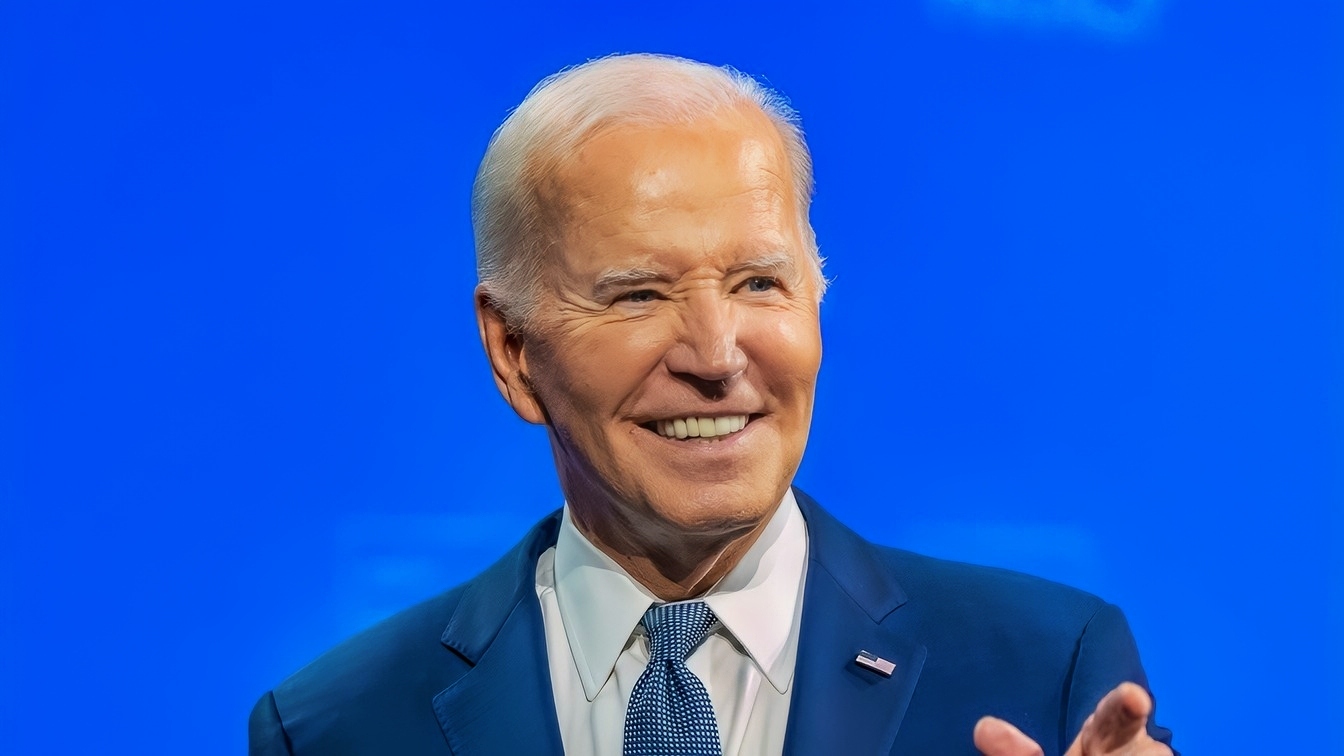
Joe Biden’s new memoir was a good opportunity for the former president to reflect on mistakes made during his time in office, or perhaps during the campaign—there were, after all, plenty.
But instead, excerpts from his new book, Promise Me, America, published recently, suggest the former president doesn’t believe he did much wrong at all.
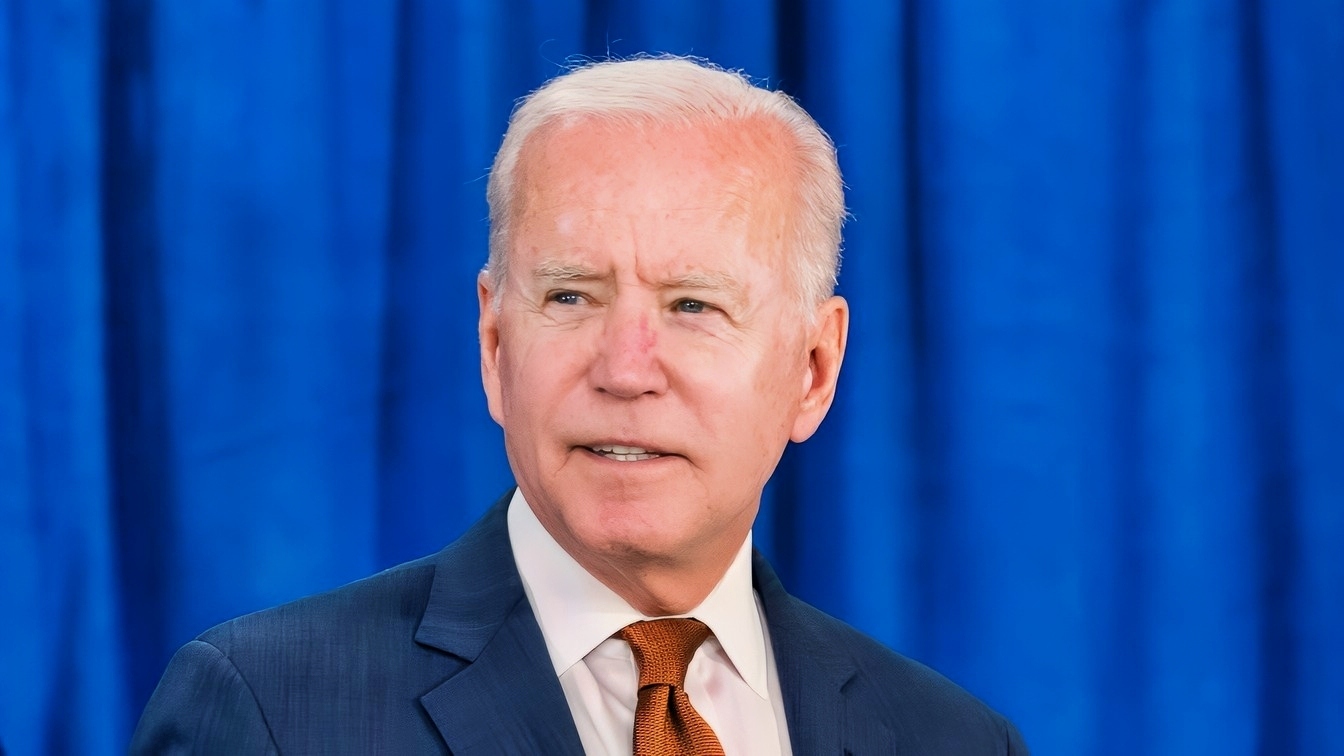
Joe Biden in 2021 White House Photo
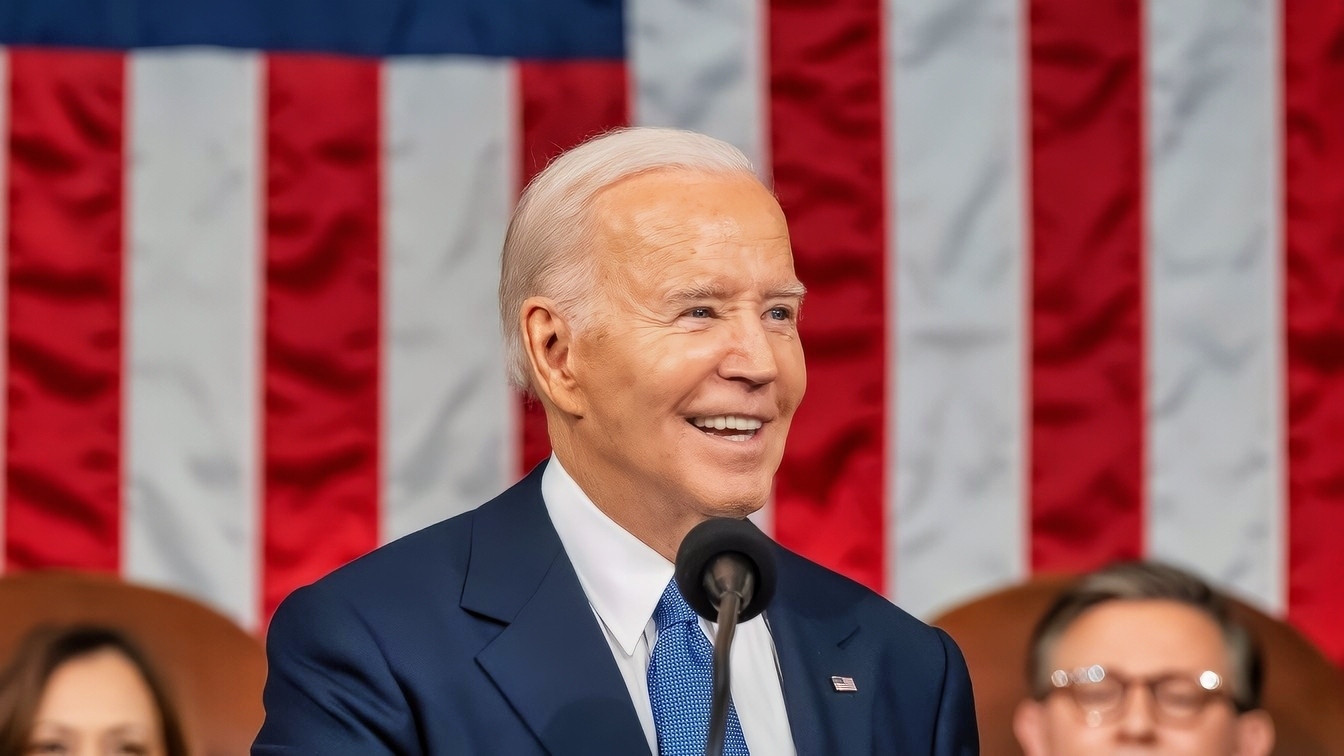
President Joe Biden presents copies of his speech to Vice President Kamala Harris and House Speaker Mike Johnson before delivering his State of the Union address, Thursday, March 7, 2024, in the House Chamber at the U.S. Capitol in Washington, D.C. (Official White House Photo by Adam Schultz)
The book, scheduled for publication on November 17, is largely a defense of the Biden administration’s record and his decision to seek re-election in 2024.
It even offers a defense of his handling of several major foreign policy crises.
The memoir has attracted widespread criticism, too, including from traditionally left-leaning outlets like The New York Times and The New Yorker, whose reviewers have questioned whether Biden adequately confronted or addressed the decisions that ultimately contributed to the end of his political career.
In a November 13 review titled “Reflecting on 2024, Joe Biden Finds No Faults of His Own,” New York Times critic Jennifer Szalai argued that Biden appears more interested in defending his legacy than examining the decisions that damaged it.
And Szalai isn’t the only person to have noticed.
Biden Defends His Disastrous 2024 Campaign
Among the most controversial subjects of the former president’s new memoir is his decision to seek another four years in office despite widespread and legitimate concerns about his age and physical condition.
The president spent years under media scrutiny for his lack of public appearances, his sluggish performance when he did appear, and a general sense that he was unwell or too old to fulfill his role.
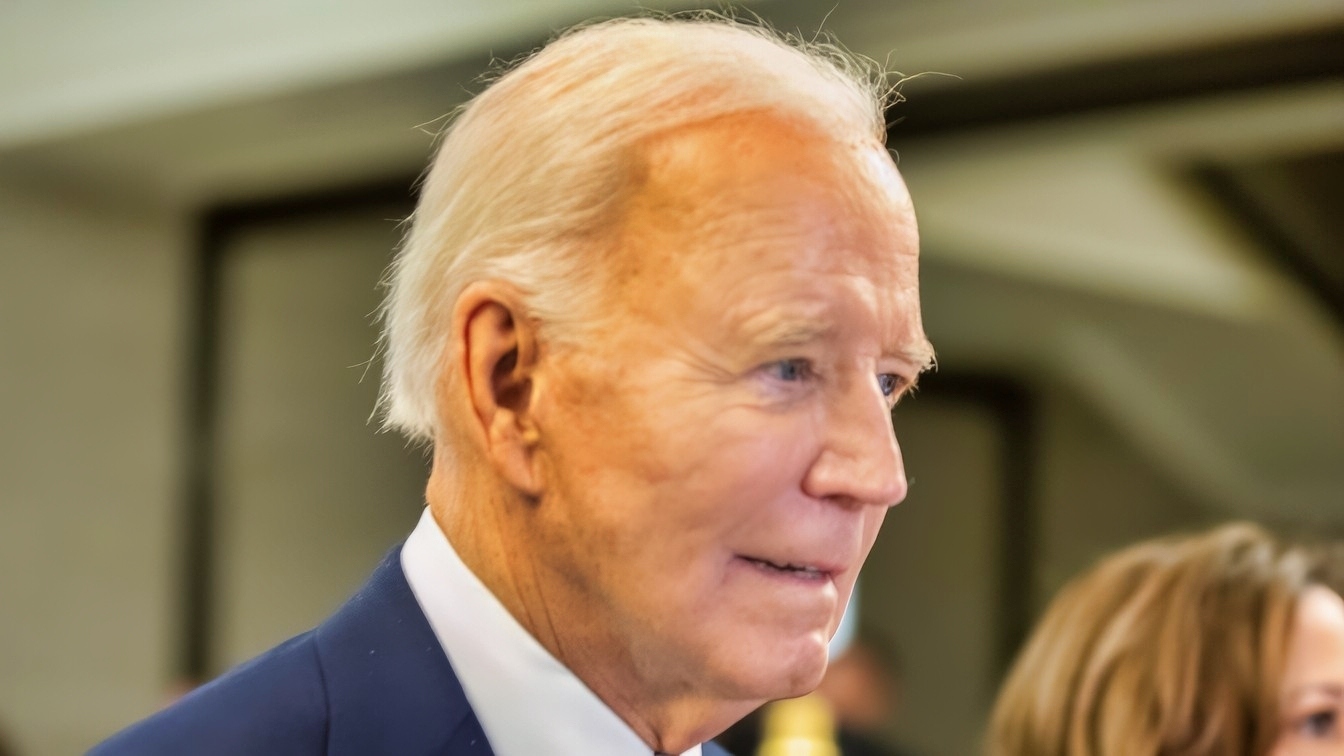
President Joseph Biden and Vice President Kamala Harris make their way to the Capitol Rotunda to attend the 60th Presidential Inauguration at the U.S. Capitol, Washington, D.C., Jan. 20, 2025. This is only the second time in history that the presidential inauguration has been held indoors due to weather. (DoD photo by Mass Communication Specialist 1st Class Vanessa White)
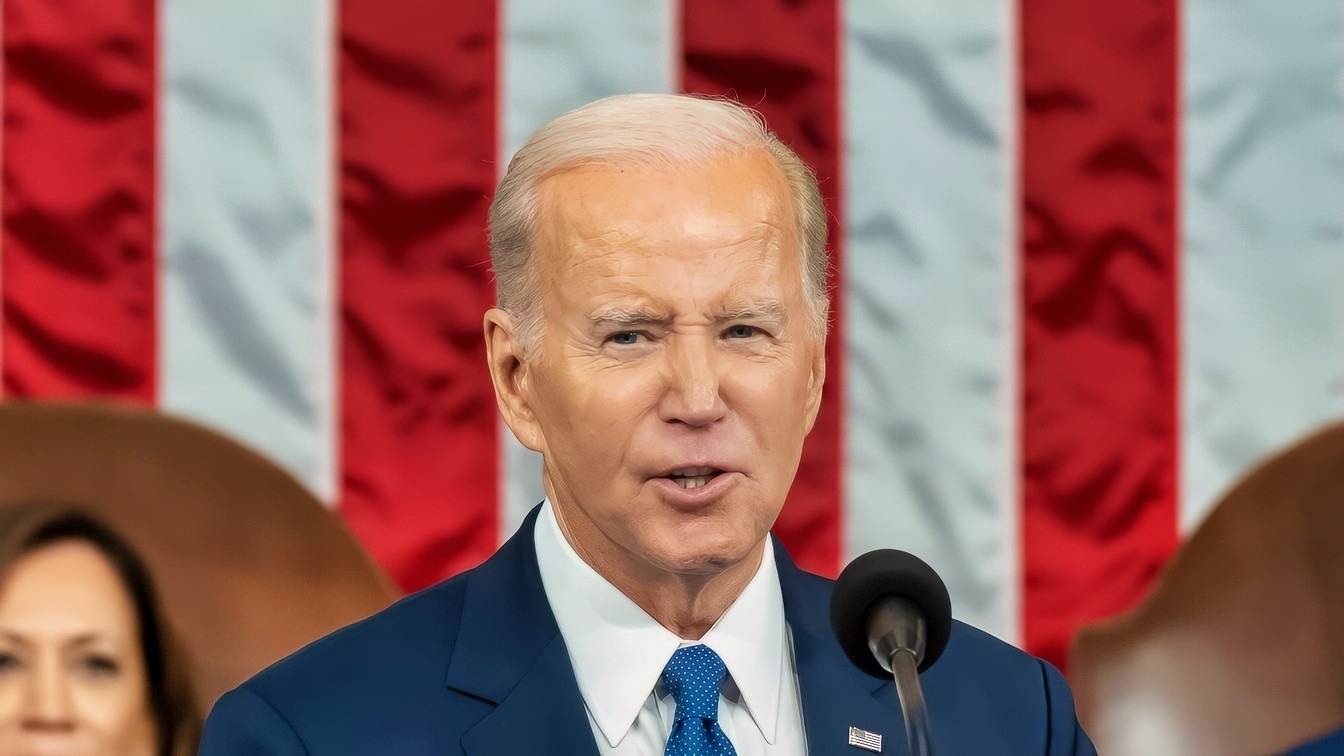
U.S. President Joe Biden delivering the 2023 State of the Union Address. Creative Commons Image.
While that criticism was largely dismissed in the first two years of his presidency, it was becoming noticeable towards the end of his first term — so noticeable, in fact, that even left-wing commentators began to discuss the possibility of Biden stepping down to allow Vice President Kamala Harris to take over, or stepping aside in 2024 for a younger candidate to take his place.
The Associated Press reported that Biden, in his new book, insisted that he remained capable of serving and could have even defeated Donald Trump had Democratic leaders allowed him to remain in the race.
“Was I old? Yes. Was I able to do the job? Yes. Were voters angry about inflation? Yes. All tough problems. But not insurmountable ones,” he said.
In the book, the former president also described his frustration with Democratic leaders who pressured him to withdraw from the race following his famously disastrous June 2024 presidential debate performance.
Writing for The New Yorker, Amy Davidson Sorkin questioned the president’s suggestion, arguing that Biden still has not meaningfully confronted the concerns his party had, which ultimately ended his campaign.
Biden Says He Would Have Resigned
Then, during a People magazine interview published on November 11, the former president addressed concerns about his health and claimed that he would have made different decisions about his campaign had he known that he had cancer at the time.
The former president was diagnosed with advanced and aggressive prostate cancer in May 2025, months after he left office.
The president told People, and wrote in his book, that had he known he was feeling “lousy” because of the cancer, he “would have resigned.”
Biden also insisted that claims he must have known about his cancer diagnosis earlier are incorrect, and that he had no idea about it while he was serving in the White House.
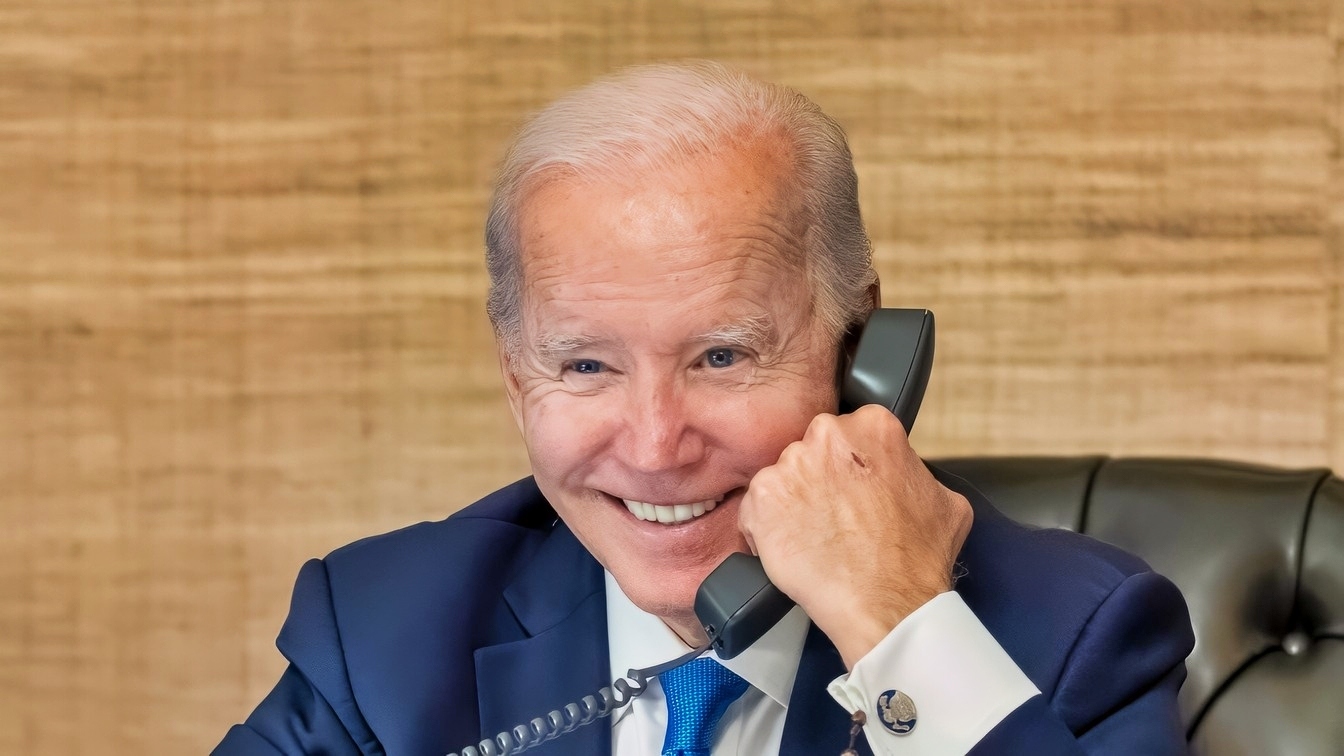
President Joe Biden talks on the phone to new Italian Prime Minister Giorgia Meloni, Tuesday, October 25, 2022, in the Treaty Room of the White House. (Official White House Photo by Adam Schultz)
But even with that admission, Biden goes on in his book to defend his fitness for the presidency, saying he believed he was the best-qualified candidate.
Biden Slams Trump for Friendly Oval Office Meeting
The former president also discussed his November 13, 2024 meeting with President Donald Trump, which occurred eight days after Vice President Kamala Harris was defeated in the presidential election.
An excerpt published by The Atlantic noted that Biden was surprised by Trump’s friendly demeanor during their private Oval Office discussion.
The former president described Trump as being unusually complimentary.
Trump reportedly praised Biden’s economic record and suggested the two could have been friends under different circumstances.
Still, Biden questioned Trump’s sincerity and went on to criticize his successor for dismantling policies implemented during the Biden administration.
In the book, Biden argued that Trump was unwilling to preserve what Biden believed were worthwhile achievements — but there’s another side to that argument.
On May 14, 2021, Biden signed Executive Order 14029 revoking six executive orders issued by President Trump. Among the orders Biden reversed was Executive Order 13978, which established a National Garden of American Heroes, a proposed garden of monuments that would have honored prominent historical Americans.
Biden not only refuses to accept and acknowledge his own mistakes, but is apparently willing to criticize President Trump for actions he himself committed too.
About the Author: Jack Buckby
Jack Buckby is a British researcher and analyst specializing in defense and national security, based in New York. His work focuses on military capability, procurement, and strategic competition, and he produces and edits analysis for policy and defense audiences. He brings extensive editorial experience, with a career output spanning over 1,000 articles at National Security Journal, and has previously authored books and papers on extremism and deradicalization.


