

The United States is again claiming victory in the Strait of Hormuz, announcing that it has succeeded in pushing enormous volumes of oil through the waterway despite ongoing Iranian efforts to keep ships from moving.
New shipping data released on Friday, September 4, however, shows how fragile the progress really is.
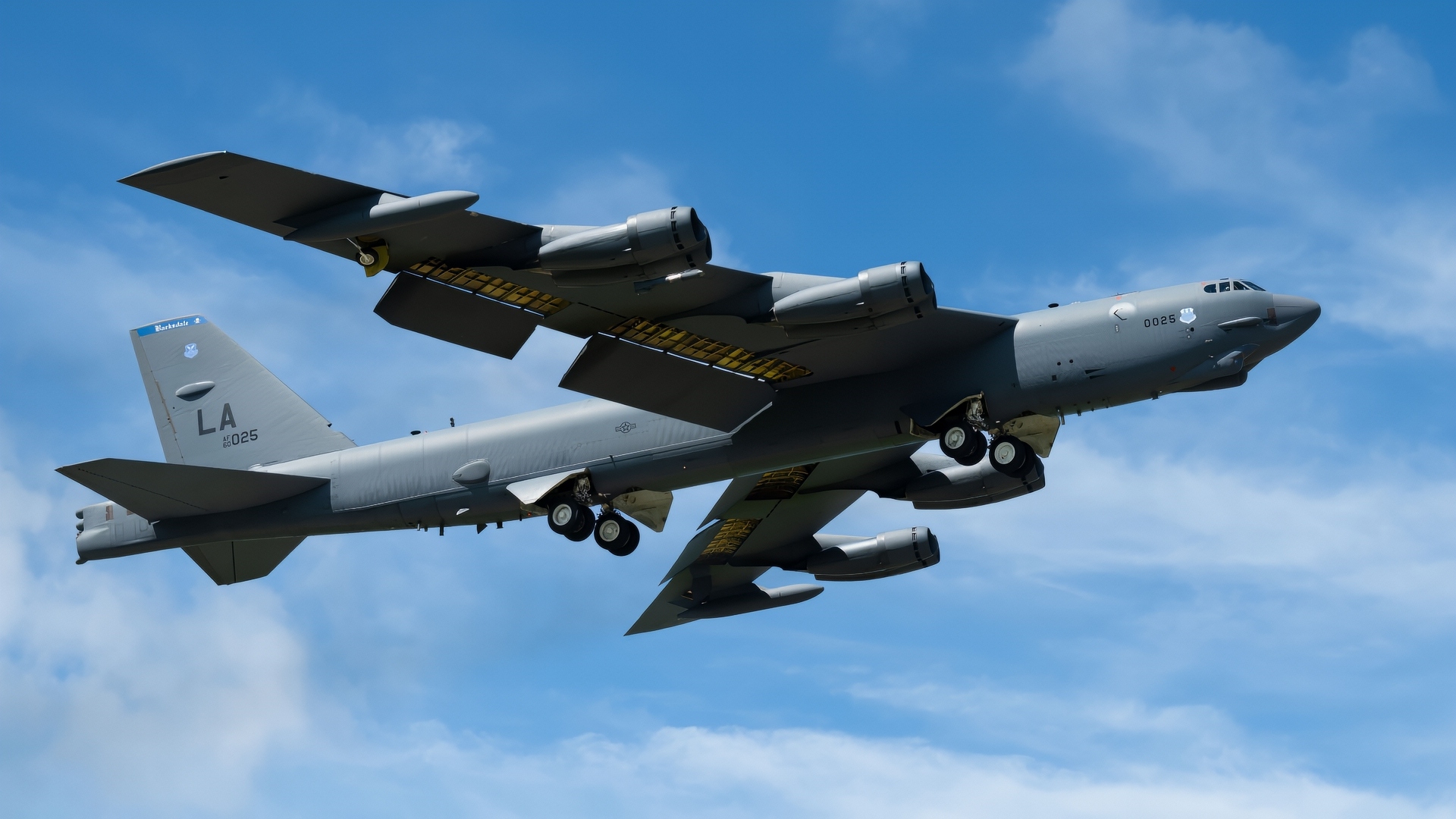
B-52 Bomber Flying High in Sky. Image Credit: Creative Commons.
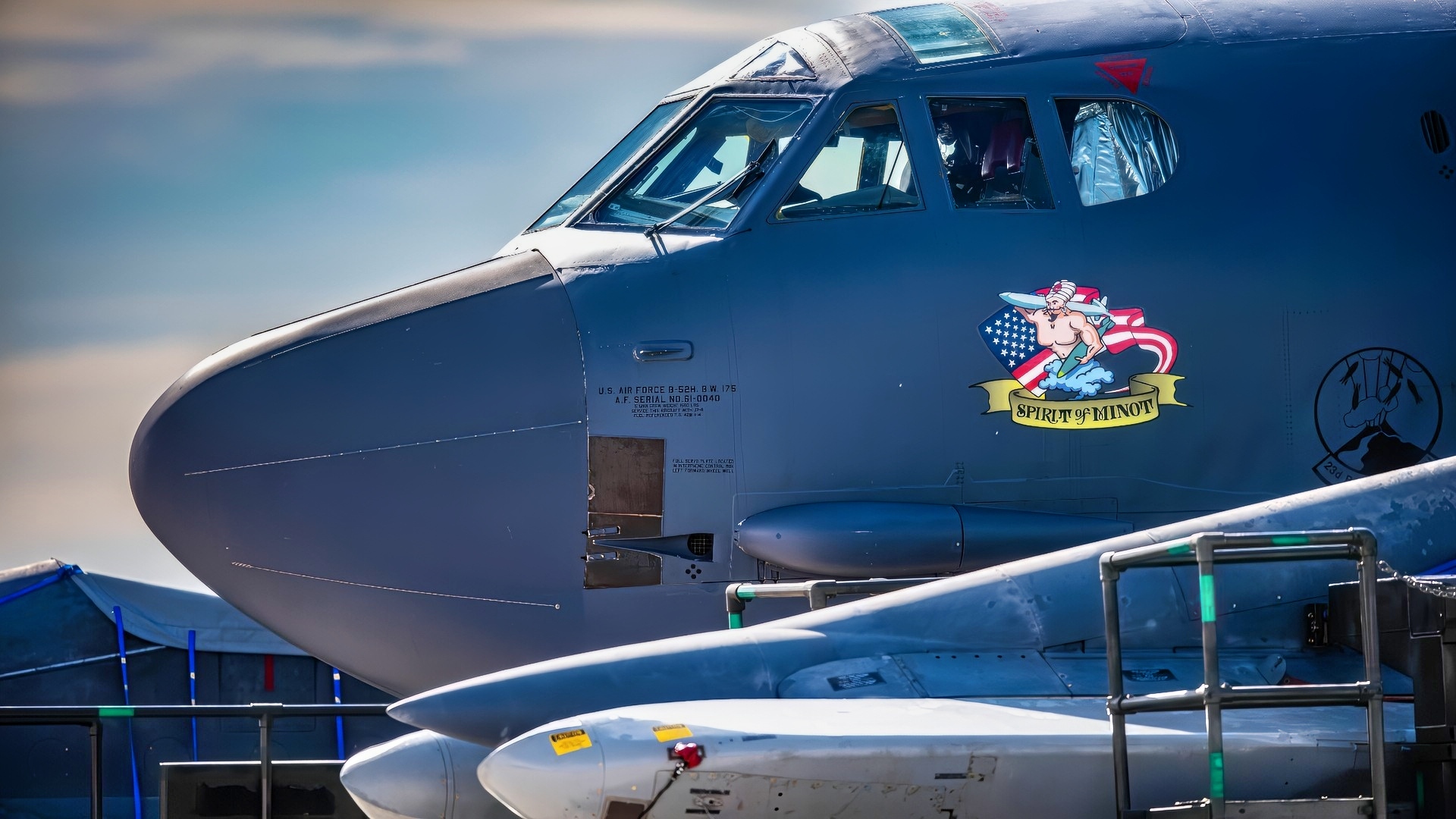
A U.S. Air Force B-52H Stratofortress assigned to the 23rd Bomb Squadron sits on the flightline during exercise Prairie Vigilance 25-1 at Minot Air Force Base, North Dakota, April 12, 2025. Vigilance series exercises are conducted with a focus on the safe and secure handling of equipment. (U.S. Air Force photo by Senior Airman Kyle Wilson)
Energy Secretary Chris Wright said more than 17 million barrels of oil moved through Hormuz on Monday, the largest single-day volume recorded since the U.S.-Iran war began on February 28.
Combined with oil transported through Saudi and Emirati pipelines that bypass the strait, Wright argued that Gulf exports had effectively returned to pre-war levels.
Those figures represent a major achievement after months of conflict that have disrupted Gulf shipping and pushed energy prices substantially higher.
But the commercial tracking data shows a less optimistic picture — and Iran’s determination to keep fighting, combined with ongoing Ukrainian strikes on Russian refiners and oil infrastructure, means global supply is still struggling, and prices are likely to remain high.
Kpler reported Friday that only four commodity vessels passed through Hormuz on Thursday, down from nine Wednesday and below a 10-day average of around 15. Before the war, roughly 125 commercial vessels passed through the strait every day.
U.S. and Private Data Tell Different Stories
Exactly how much traffic has returned to the Strait of Hormuz is difficult to determine officially because U.S. government figures and commercial vessel-tracking data present two different pictures.
And given that Gulf suppliers are also using alternative routes to ensure oil reaches the global market, those figures do not accurately reflect how much oil is reaching buyers.
Wright said more than 17 million barrels of oil passed through the strait on Monday alone, putting flows close to the roughly 20 million barrels per day that moved through Hormuz before February.
When you include oil transported through Saudi and Emirati pipelines that bypass Hormuz, Wright said total Gulf exports actually exceeded pre-war levels. That is, without question, very positive news.
But commercial shipping data shows something different.
Kpler recorded only four commodity vessels passing through Hormuz on Thursday, September 3, down from nine on Wednesday and well below the previous 10-day average of roughly 15 vessels per day.
Those figures don’t match, however, because commercial tracking companies largely identify vessels using Automatic Identification System (AIS) signals, and many ships using the U.S.-protected convoy to move oil switch off their AIS systems.
The data, therefore, does not necessarily conflict — and the Monday figures may represent a genuine breakthrough in oil throughput.
But the good news may not last forever, and despite ongoing strikes aimed at preventing Iranian efforts to disrupt shipping, the lack of a lasting deal with Tehran means the potential for disruption to return remains high.
Americans Are Still Paying the Price
A good day of moving oil through the Strait of Hormuz is one thing, but Americans are still paying the price, and there is no sign that prices are about to go down again.
The national average price of diesel reached a record high of $5.85 per gallon on Friday, September 4, according to AAA data.
The price surpasses the previous record set in 2022.
Oil prices remained on course Friday for a weekly gain of over 6%, the largest since mid-July, despite falling slightly earlier in the day.
The increase came after the United States and Iran once again exchanged strikes, and Tehran warned that it will continue to retaliate for U.S. strikes on its military infrastructure.
The price of diesel is a major problem. While most drivers use gasoline, diesel powers commercial vehicles, agricultural machinery, and industrial equipment.
Sustained high diesel prices mean that the cost of everything goes up – and there’s no telling how high that figure could get in the coming weeks.
Iran Is Still Threatening Shipping
Iran has caused significant disruption in the Strait of Hormuz despite having limited conventional military capability — and even with its missile and radar infrastructure being taken out by U.S. strikes again, the regime continues to explore ways to prevent vessels from moving through the Strait of Hormuz.
And even if those methods prove less successful over time, the risk of moving through the waterway remains elevated — which means higher insurance rates and fewer shipping companies willing to send crews out to the Gulf.
All of that means higher prices for Americans.
Iran continues launching strikes, too.
Two tankers carrying Saudi crude were attacked while passing through the strait earlier this week, including a vessel operated by Saudi shipping company Bahri.
Two crew members were killed in that incident, and Saudi Arabia blamed Iran for the attack.
About the Author: Jack Buckby
Jack Buckby is a British researcher and analyst specializing in defense and national security, based in New York. His work focuses on military capability, procurement, and strategic competition, producing and editing analysis for policy and defense audiences. He brings extensive editorial experience, with a career output spanning over 1,000 articles at National Security Journal, and has previously authored books and papers on extremism and deradicalization.


