


Throughout 2026, the Trump Administration has pursued a variety of strategies to deal with Iran.
Much of that time has been consumed by full-on war, sometimes interrupted by negotiations and ceasefires.
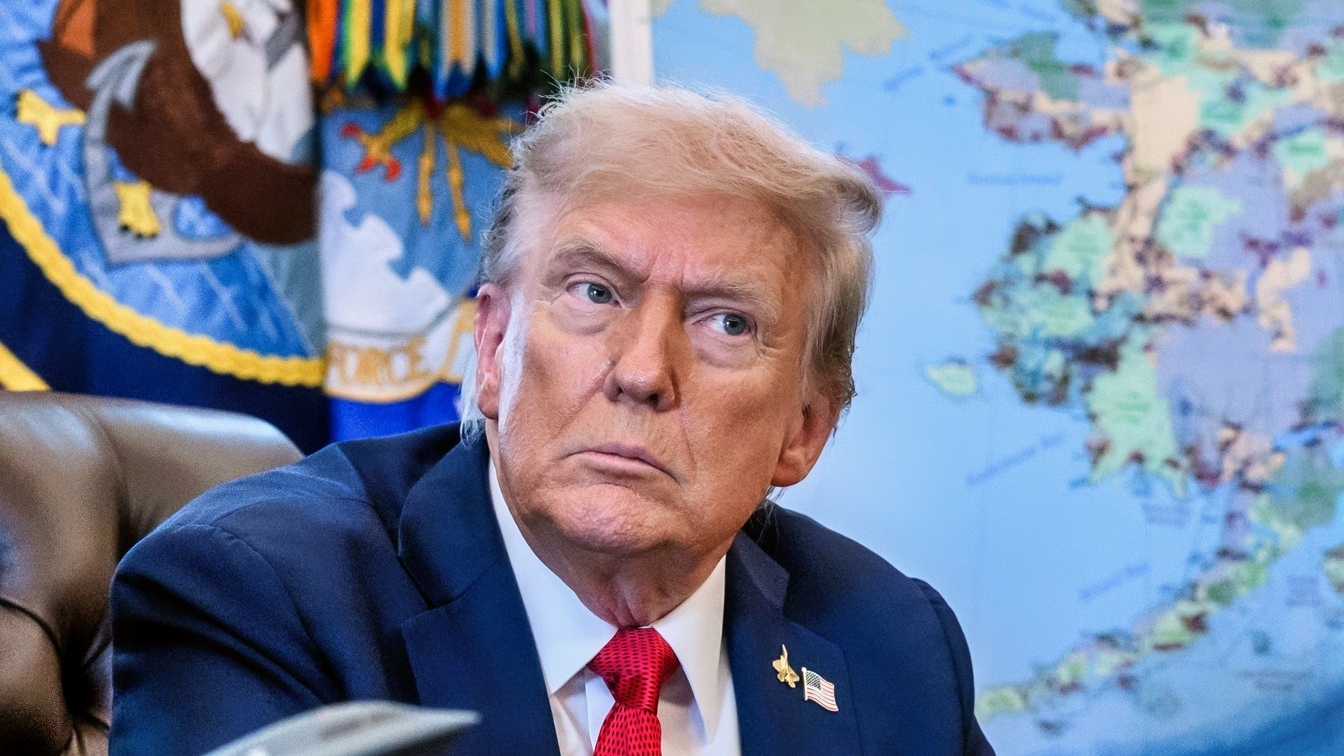
President Donald Trump, flanked by Secretary of Energy Chris Wright and Secretary of the Interior Doug Burgum, signs an Executive Order approving the Ambler Road Project in Alaska, Monday, October 6, 2025, in the Oval Office. (Official White House Photo by Joyce N. Boghosian)
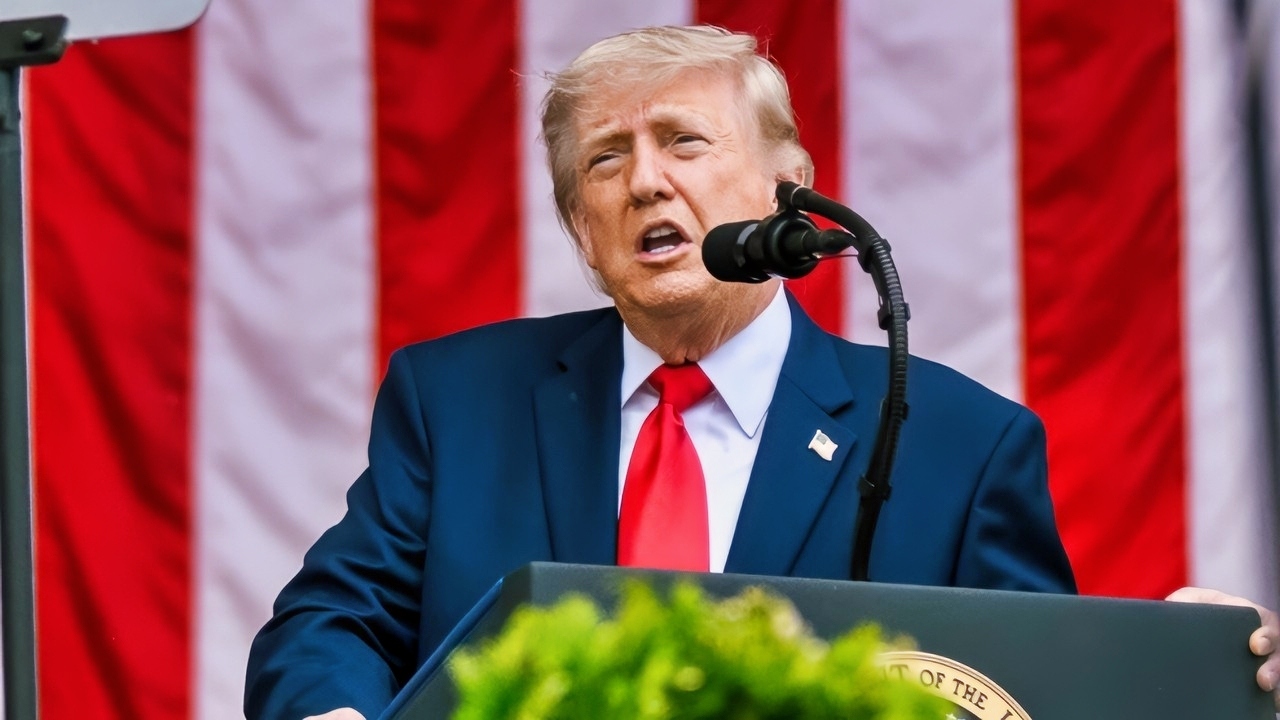
President Donald J. Trump delivers remarks during a Memorial Day ceremony at Arlington National Cemetery Amphitheater, Monday, May 25, 2026, in Arlington, Virginia. (Official White House Photo by Daniel Torok)
This week, there’s a new strategy: A new sanctions regime aimed at punishing countries that continue to do business with Iran.
According to a new NPR analysis, some people doubt whether that new sanctions regime can work.
Treasury Secretary Scott Bessent, on Monday, announced what’s known as Operation Economic Outcast, aimed at isolating Iran from its allies and sanctioning countries that assist Iran in “digital assets, technology, gold, aviation, and shipping.”
“We are launching an economic onslaught against Iran’s financial connections around the globe. Our objective is to sever every economic lifeline that sustains this tyrannical regime until Tehran stands alone,” Bessent said in the Monday remarks, according to a fact sheet released by the White House.
The fact sheet, however, did not name any countries specifically.
Sanctions Aren’t New
As NPR noted, sanctions on Iran are nothing new and have been pursued in various forms by the last several presidential administrations, including Trump’s first term. It remains to be seen whether the sanctions are any more effective in getting Iran to agree to a favorable settlement to end the war than military action was.
In fact, there are reasons to think it won’t.
“One thing that we’ve seen over the years is that maximum pressure tends to generate maximum resistance from Iran’s side,” Esfandyar Batmanghelidj, chief executive of the Iran-focused think tank Bourse & Bazaar Foundation, told NPR.
“What the Trump administration is likely to do is trigger Iranian leaders to resume some of the more aggressive targeting in the region in order to show they’re not going to be coerced into basically capitulating to U.S. demands.”
Miad Maleki, a former U.S. government official now with the Foundation for Defense of Democracies, also shared his thoughts with NPR.
“Regional countries seem to be taking steps — one step at a time — to make it more difficult for Iran to use those jurisdictions to bypass sanctions and as a result of the Iranian regime’s own decisions to target these countries,” Maleki said.
Other experts told NPR that whether the new strategy works will depend on whether the countries that assist Iran will cooperate- and that the most important one will be China.
And China, whose crude oil purchases account for nearly 45 percent of Iran’s government budget, has already said that they oppose the new sanctions regime, which represents an instant test for the new strategy.
“There has been something of a détente between the U.S. and China after some tit-for-tat where we saw semiconductors, rare earth minerals used in economic warfare,” Adam Szubin, formerly the director of the Treasury Department’s Office of Foreign Assets Control (OFAC), told NPR.
“It seems like the Trump administration and the Chinese government want to see things quieter, and so we’re probably at a moment where there’s some hard discussions going on behind the scenes about how much China is willing to do without the U.S. following through on its threat.”
There Were Warnings
Also on Tuesday, the Wall Street Journal published a long story about the decisions at the war’s beginning, and how they led to this moment.
Per the Journal, Tulsi Gabbard, who at the time was director of national intelligence but has since left the administration, was among those warning that attacking Iran would lead to the rise of a harder-line regime, as well as the closure of the Strait of Hormuz and strikes on U.S. allies- all instances that came to pass in the ensuing months.
Vice President JD Vance, meanwhile, “promoted a more cautious approach,” while Defense Secretary Pete Hegseth and Admiral Dan Caine, the chairman of the Joint Chiefs of Staff, “replied on multiple occasions that they would navigate any complications.”
Months later, Trump has tried another strategy: new sanctions.
“This was all predictable and predicted,” Eric Brewer, a deputy vice president at the Nuclear Threat Initiative and former government official, told the Journal.
“You can draw a straight line from the fact that the war was launched without any clear political objective to the mishandled diplomacy in trying to end it.”
About the Author: Stephen Silver
Stephen Silver is an award-winning journalist, essayist, and film critic, and contributor to the Philadelphia Inquirer, the Jewish Telegraphic Agency, Broad Street Review, and Splice Today. The co-founder of the Philadelphia Film Critics Circle, Stephen lives in suburban Philadelphia with his wife and two sons. For over a decade, Stephen has authored thousands of articles that focus on politics, national security, technology, and the economy. Follow him on X (formerly Twitter) at @StephenSilver, and subscribe to his Substack newsletter.


