

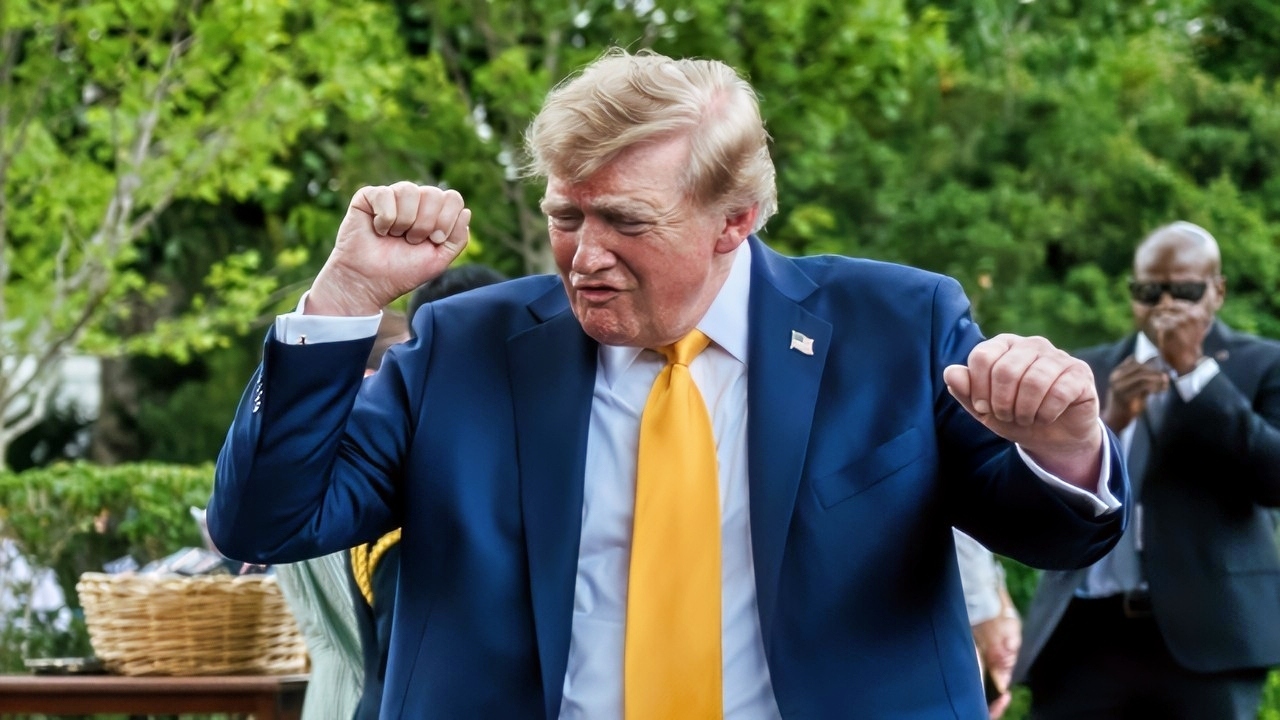
A week ago, President Donald Trump made the shocking announcement that he had agreed to a deal with Vladimir Putin to lift sanctions and buy hundreds of thousands of tons of diesel oil from Russia, amid concerns about still-rising diesel prices.
The deal was lambasted by some Republican senators, who slammed Trump for abandoning an ally, for not informing Congress that sanctions were being lifted, and for undermining the international regime of sanctions on Russia in response to the war in Ukraine.
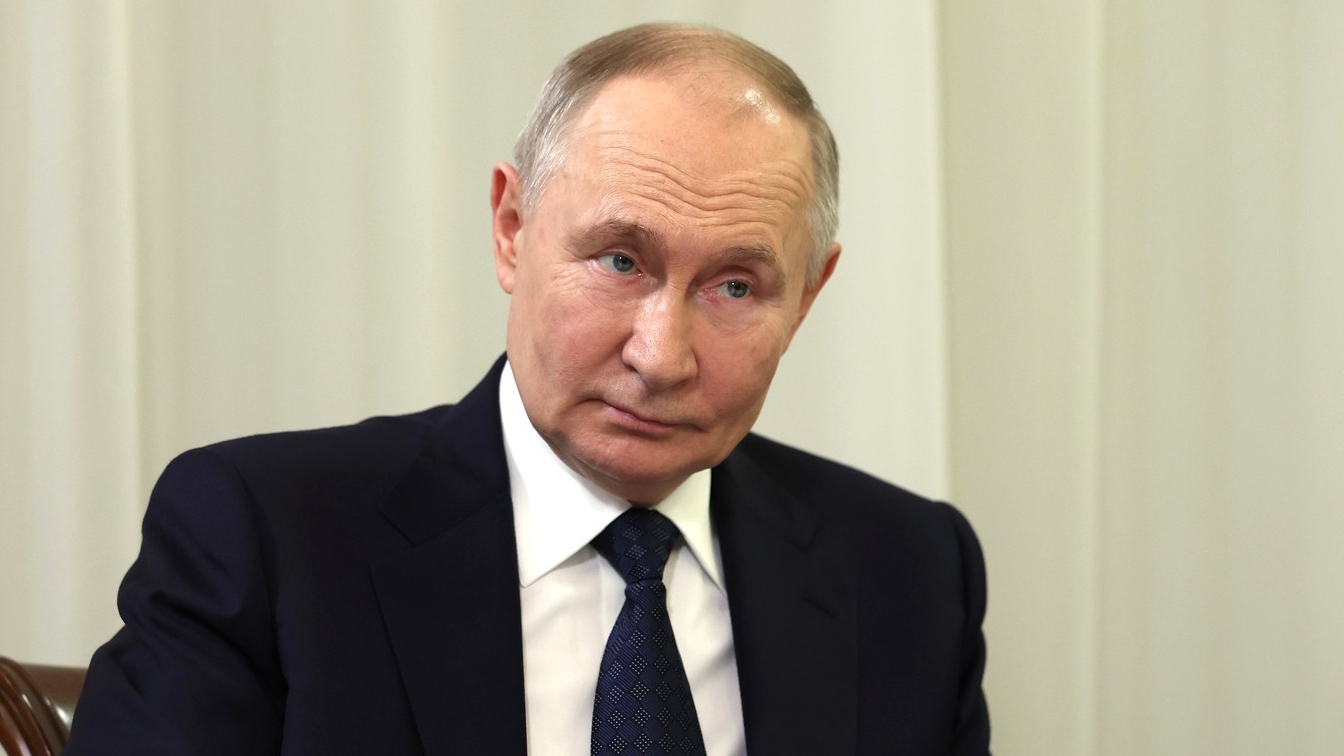
Putin In Meeting Creative Commons Image
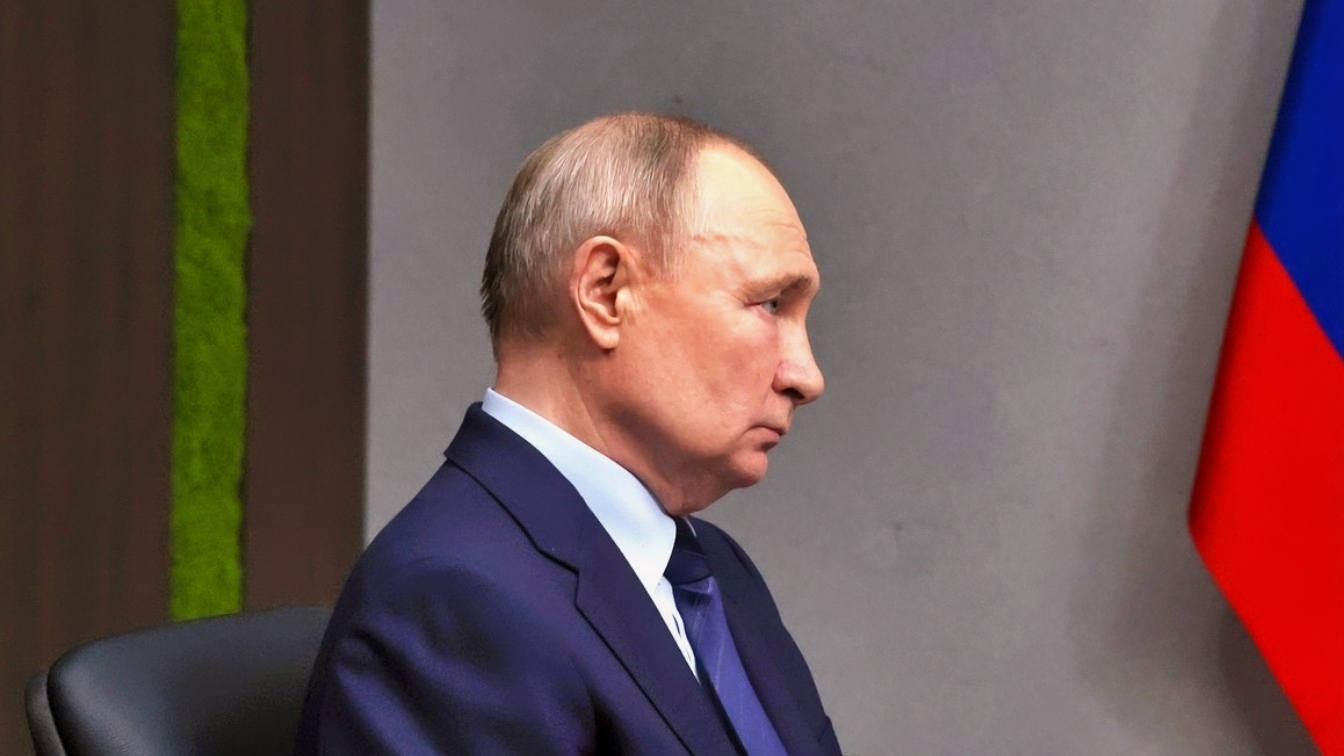
Putin Meeting with Staff Russian Federation Creation Commons Photo
A bipartisan group of senators has written a letter demanding that Trump pull out of the deal.
Now, one Nobel Peace Prize winner, Oleksandra Matviichuk, has gone further: She has accused the president of financing Russia’s war on Ukraine.
A Nobel Laureate Speaks
Trump has long said he wants to win the Nobel Peace Prize, though it seems unlikely he ever will, and he’ll have to settle for being the first, and probably only, winner of the FIFA Peace Prize.
But one woman whose organization won that prize has slammed the president’s recent move.
Oleksandra Matviichuk is a Ukrainian lawyer and director of the Center for Civil Liberties.
That organization shared the Nobel Peace Prize in 2022, the year Russia invaded Ukraine, with Belarusian human rights activist Ales Bialiatski and the Russian human rights organization Memorial.
In an interview this week with France 24, Matviichuk accused the U.S. president of “openly financing this war, by lifting sanctions, providing Russia with opportunities to earn more money,” which could be used for weapons.
The action will also likely lead to lots of loss of life in Ukraine.
The sanctions, in place since the start of the war in 2022, aimed to make it harder for Russia to wage the war by cutting off revenue.
As a result of the deal, she argued in the interview, “extra money will be converted [into] rockets and drones and additional deaths among the civilian population.”
In the interview, the activist also called the current moment “a weird situation,” noting that Trump had promised to end the war in 24 hours when he first returned to office in 2025.
“This is already the longest 24 hours… in human history,” Matviichuk said in the interview.
She went on to say that 40 percent of Russia’s budget is going toward the war in Ukraine, which matches news reports from earlier this year. The oil deal has given Russia an economic lifeline at a precarious time.
Questioning the Starshield Throttle
Matviichuk was also asked about Elon Musk, SpaceX’s CEO, and reports this week of a disruption in Starshield, the military-grade version of SpaceX’s Starlink, for Ukraine.
Senators have also called for an investigation into that affair.
Reuters reported Thursday that someone in the White House ordered the throttling, although officials have denied that President Trump ordered it.
Musk is currently a major financial backer of Republican midterm election efforts, although he has claimed the government controls what happens to Ukraine’s access to the technology.
France 24’s Mark Owen asked Matviichuk what right Musk has to join Trump’s call to oust President Volodymyr Zelensky as president of Ukraine, or to “meddle in Ukraine’s affairs.”
She called it a “good question” what Musk is up to right now.
“This will have an impact not just on the battlefield,” she said, but on the defense of the civilian populations, comparing it to “like a shooting gallery” in which Ukraine will be slower to stop Russia from attacking civilian sites.
The Need for “Decisive Action”
She went on to call for “decisive action” from Ukraine’s European allies, in the face of Trump seeming to back off of sanctions. She called for stopping Russia’s shadow fleet, confiscating frozen Russian assets, and creating a “special tribunal” to deal with Russia’s actions in the war.
Governments in France and Germany, she said, know what needs to be done, but it’s “just a question of bravery,” Matviichuk said. She cited Vladimir Putin’s claims that there is “no Ukrainian nation” or language or culture, to accuse the Russian war of having “genocidal character.”
About the Author: Stephen Silver
Stephen Silver is an award-winning journalist, essayist, and film critic, and contributor to the Philadelphia Inquirer, the Jewish Telegraphic Agency, Broad Street Review, and Splice Today. The co-founder of the Philadelphia Film Critics Circle, Stephen lives in suburban Philadelphia with his wife and two sons. For over a decade, Stephen has authored thousands of articles that focus on politics, national security, technology, and the economy. Follow him on X (formerly Twitter) at @StephenSilver, and subscribe to his Substack newsletter.


