

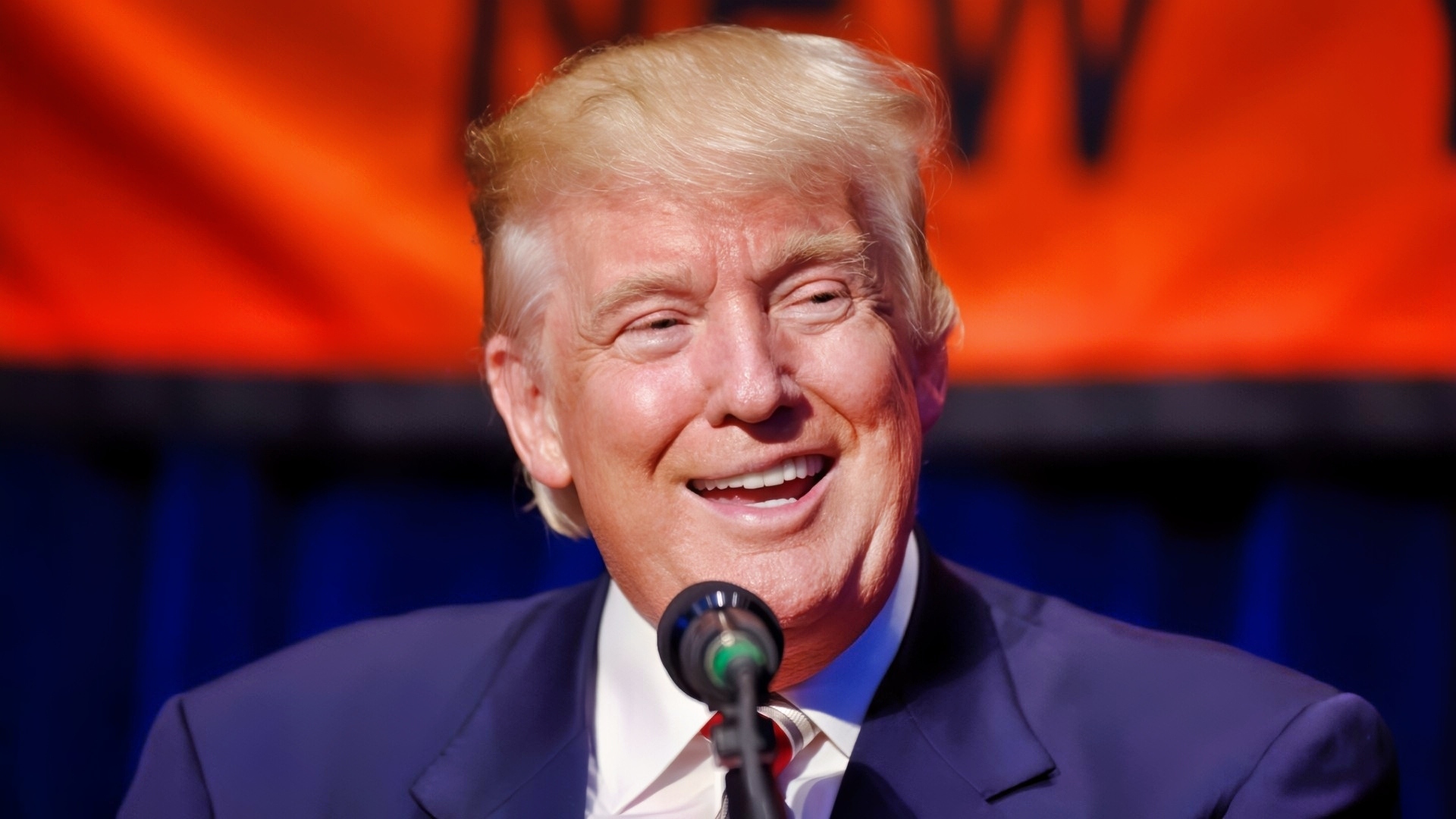
The U.S. recently made a surprising decision to strike a deal with Russia to purchase large quantities of diesel fuel. The deal has drawn criticism not only from Democrats and Republicans within the U.S. but also from America’s international allies, especially Ukraine.
The situation was further complicated by President Trump’s announcement that Russia and Ukraine had agreed to halt strikes against each other’s energy infrastructure, a deal neither side had been made aware of beforehand.

MSTA Artillery Firing Creative Commons Image
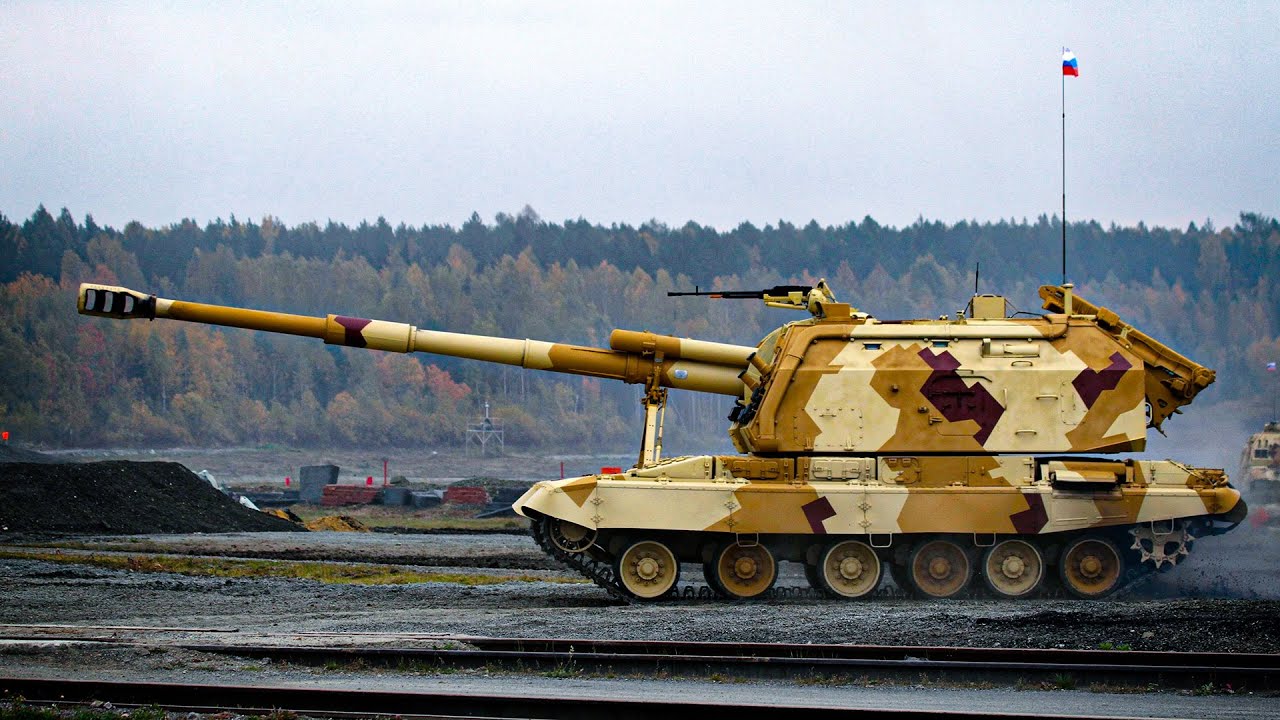
MSTA Russian Artillery Creative Commons Image
The “diesel deal” with Putin is a stark reversal of U.S. policy up to this point and is interpreted by many as a betrayal of Ukraine by Trump.
Art of the Deal Gone Bad? The U.S. to Buy Diesel Fuel From Russia
On Friday, October 9, Trump announced on social media that he had secured a deal with Russia that will allow the U.S. to import tens of thousands of tons of diesel fuel from Moscow. “I have just concluded a highly successful discussion with President Vladimir Putin of Russia,” Trump wrote, “wherein it was agreed that Russia will immediately supply over 300,000 Tons of Diesel Fuel to the American and Global Marketplace, another 500,000 Tons during the month of November, and 1,000,000 Tons immediately thereafter… Diesel Prices for Americans and, indeed, the World, will be COMING DOWN, IN RECORD NUMBERS, AND FAST!” The announcement shocked the world, especially after Trump signed the Sanctioning Russia Act, written and sponsored by the late Lindsey Graham.
President Zelenskyy reacted strongly, expressing frustration and disappointment on social media.
In a statement released by the Ukrainian embassy in Washington, Zelenskyy called the decision a “weak decision, unfortunately, a weak decision by strong partners.”
At the time, Steve Whitcoff and Jared Kushner, Washington’s top negotiators, were in Miami with Ukrainian officials, discussing measures to end the war in Ukraine.
The diesel deal with Putin has sparked tensions between Kyiv and Washington, as Trump has distanced himself from Ukraine since taking office in 2025.
According to the Financial Times, the U.S. is now threatening to cut off intelligence sharing with Kyiv, following Ukraine’s repeated strikes against Russian oil and fuel infrastructure.
Reducing Prices at the Pump
The motivation behind the deal with Putin is simple: Trump wants energy prices to go down to alleviate some of the political pressure caused by the war in Iran.
Thanks to Iranian attacks against oil tankers in the Strait of Hormuz and attacks against oil infrastructure across the Middle East, the energy market has been in perpetual flux.
Brent Crude remains above $100 per barrel, and U.S. gas prices currently average around $4.34 per gallon, while diesel remains higher at $6.52. Polling data suggests that high gas prices are one of the main factors influencing Americans’ dissatisfaction with the war in Iran.
Trump’s solution, therefore, is to import large quantities of diesel fuel from Russia to reduce U.S. fuel prices before the midterm elections.
This way, the White House hopes to eliminate high fuel prices as a point of contention among regular voters and increase domestic support for the war against Iran.
Unfortunately, with most of the Gulf States still reeling from the war, the U.S. is forced to turn to Russia for fuel. Despite constant attacks on its refineries and oil infrastructure, Russia remains a major player in the energy market.
Russian Deputy Prime Minister Alexander Novak told Russian state news that Moscow was already lifting its domestic restrictions on diesel exports, stating that Russian exports to the U.S. could begin as early as this month.
Congress Isn’t Happy
Understandably, Congress has met this decision with significant pushback from both Democrats and Republicans.
Over the weekend, a bipartisan group of six senators urged Trump to reverse course, saying that the U.S. “should not provide Putin with a financial lifeline.” Many argue the deal reverses American policy since 2022, which has typically opposed any Russian imports.
Just a month ago, Trump approved the latest round of sanctions against Russia, which imposed tariffs on countries that continued importing Russian fuel.
Worsening Ukrainian-American Relations
The most significant outcome of this deal is the faltering U.S.-Ukraine relationship.
Tensions between Washington and Kyiv have been shaky since 2025, but this new deal could be the beginning of the end of Zelenskyy’s hopes of finding a reliable partner in Trump’s White House.
When asked about the implications for Ukraine, Trump suggested that Ukraine should “get a new leader who can make a deal.” Trump’s frustrations with Zelenskyy have been exacerbated by Ukraine’s strikes against Russian oil refineries, which have provided another shock to the oil market in the midst of the current war in the Middle East.
As mentioned earlier, reports are spreading that the U.S. is now threatening to stop sharing intelligence with Ukraine in the midst of the increased tensions.
Kyiv regularly relies on Western, particularly American, intelligence to conduct its deep strikes against Russia.
Ironically, this intelligence likely helped Ukraine conduct its strikes against Moscow’s oil refineries to begin with.
If the U.S. suddenly halted intelligence sharing with Kyiv, the Ukrainian Army would not collapse, but Ukraine would be at a severe disadvantage against Russia.
It is not yet clear whether Trump actually intends to cease intelligence sharing or if it is political theater.
Nevertheless, Ukrainian-American relations may be entering a new phase thanks to Trump’s diesel deal with Putin.
About the Author: Isaac Seitz
Isaac Seitz, a Defense Columnist, graduated from Patrick Henry College’s Strategic Intelligence and National Security program. He has also studied Russian at Middlebury Language Schools and has worked as an intelligence Analyst in the private sector.


