

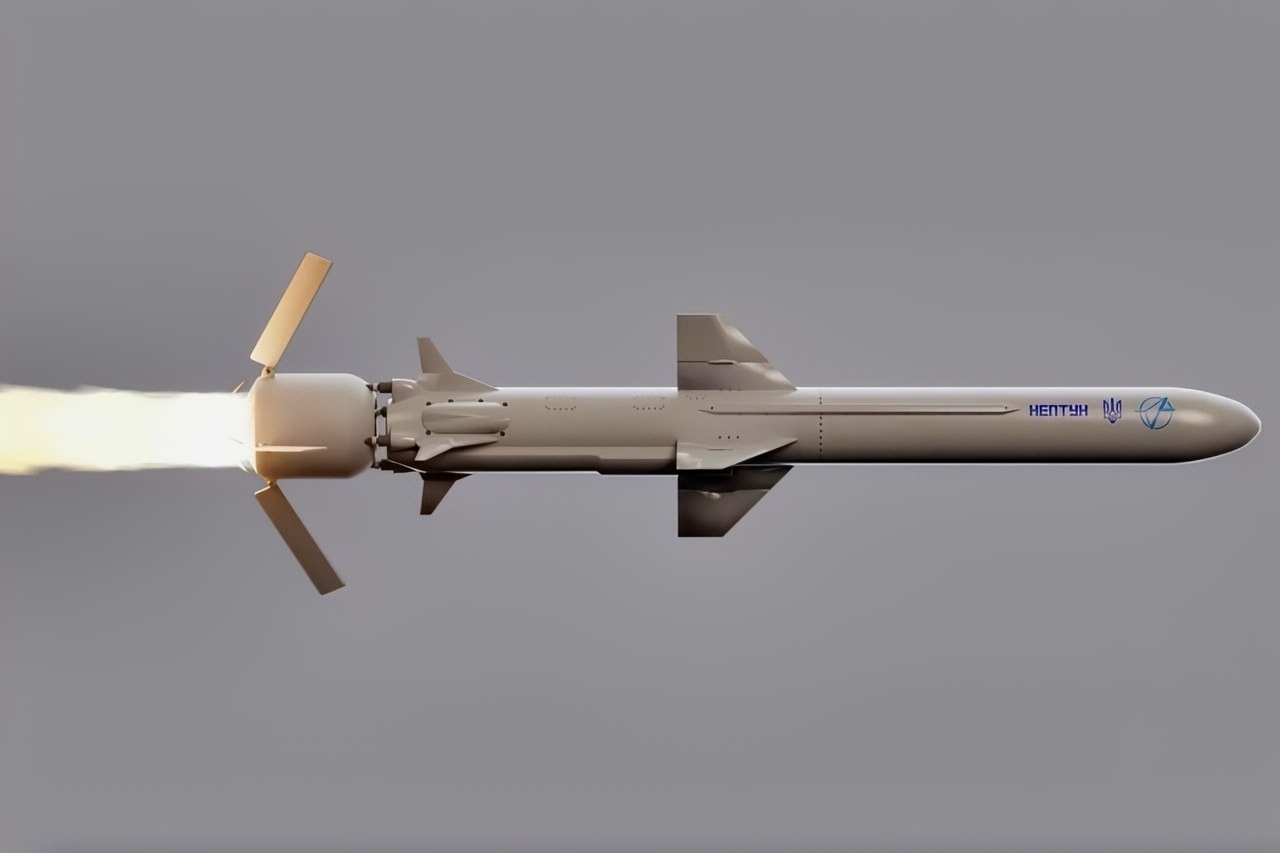
Ukraine says it is facing re-imposed speed limits on military satellite communication systems, affecting its fastest interceptor drones.
Ukrainian military units across the frontline have faced major issues with Starshield over the past few days, said President Volodymyr Zelenskyy on 12th November.
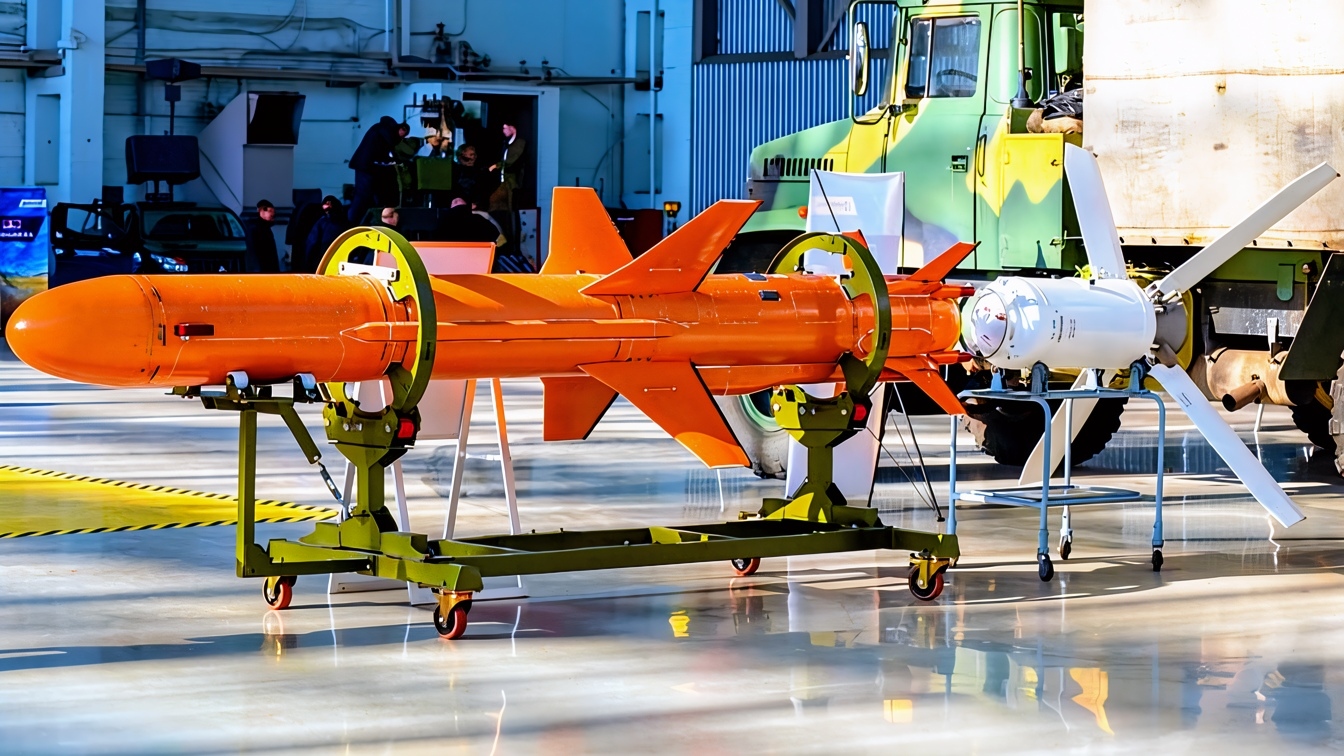
Neptune Cruise Missile Ukraine Government Photo
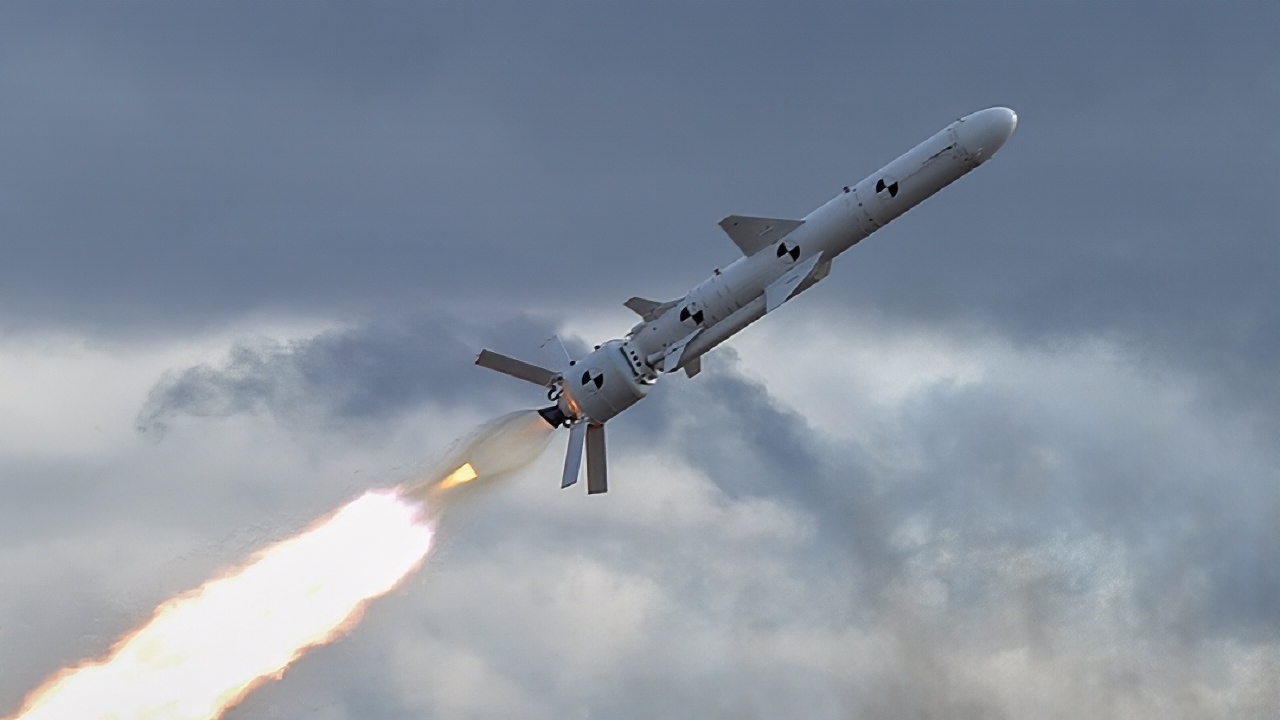
Neptune Missile. Image Credit: Creative Commons.
Devices using the system face restrictions when traveling faster than approximately 161 km/h (100 mph).
“Unfortunately, this is helping the Russians kill more Ukrainians and carry out more accurate strikes against Ukraine.”
Kyiv is demanding answers from the United States, but it is not clear who imposed the new speed limits.
Fast Interceptor Drones Impacted
Starshield is a military-focused communication service provided by SpaceX, founded and controlled by Elon Musk.
Ukraine uses satellite communication to control drones, coordinate military efforts, and intercept Russian weaponry.
Zelenskyy said the reimposed speed limits meant Ukraine’s interceptor systems could not reach the speed needed to catch Russian jet-powered drones.
The Ukrainian leader said these issues had allowed some Russian strikes to succeed.
A senior Ukrainian commander fighting in Donetsk Oblast told the Kyiv Independent that the speed limit was still causing issues for mid-range strike drones.
Helicopters hunting Shahed-style drones and jet interceptors are also facing communication issues, presidential adviser Serhii “Flash” Beskrestnov said. The adviser explained that Ukraine’s “joy was short-lived” and warned that Washington might blame the issues on Ukraine’s military service agreement with Starshield.
It is not publicly known why the speed limits have been reimposed. The 100mph speed limit first caused issues for Ukraine in mid-October.
Zelenskyy later said tests showed that Starlink terminals can run faster in European Union countries.
“In the EU it works at 180-plus and works constantly,” he told reporters.
But on 24th October, the Defense Ministry announced that the Ukrainian systems were operating at speeds above 400km/h.
“We are recording speeds exceeding 400 km/h, and the connection is stable,” said Defense Minister Yevhenii Khmara.
He said direct conversations and Zelenskyy’s involvement brought the service back online.
However, problems were noted on 12th November.
Who is to Blame
Initially, the Wall Street Journal reported that Elon Musk had imposed the speed limits on Ukraine’s satellite communications; however, the Trump administration gave mixed responses.
On 23rd October, Trump was asked if he had spoken to Musk, and he replied, “I have not spoken to him.”
“If there is a problem, I’ll get it straightened out.”
Musk said on 14th October that “Starshield systems are owned and controlled by the U.S. government,” and that “Any limits on speed or usage are decided by the US military and ultimately POTUS.”
However, Defense Secretary Pete Hegseth told reporters, “We haven’t made any directives or anything like that.”
Musk later alleged that Ukraine had violated the terms of service for commercial Starlink by using it for offensive drone strikes.
“That loophole was closed last week,” he wrote on October 24, but Ukrainian officials have since disputed this accusation.
Beskrestnov said on October 25 that, consequently, Ukraine “physically cannot use commercial Starlink for deep strikes or medium-range strikes.”
U.S. Senator Richard Blumenthal opened an investigation into the issue on October 22.
“The events in Ukraine show how a single point of control can be turned against the forces that depend on it,” he said.
None of last month’s mixed responses explain who imposed the speed limits reported on Thursday, and the matter is still shrouded in confusion.
No Ceasefire Deal in Sight
The issues come just days after U.S.-brokered peace talks in Abu Dhabi failed to reach an agreement on a ceasefire.
However, Russia and Ukraine did agree to a large prisoner exchange.
“One of the positives is we agreed that we’re going to have the biggest humanitarian release of prisoners,” U.S. Envoy Jared Kushner said on Wednesday.
Kushner and his colleague Steve Witkoff traveled to Moscow on Thursday to meet President Vladimir Putin.
The Starshield speed limits were not discussed during the talks in Abu Dhabi, a Ukrainian official told Reuters.
The Air Force said Russia launched 123 drones overnight, including 73 jet-powered drones.
Impacts were recorded in 17 places, the Associated Press reported.
The new speed limits mean that Ukrainian drone operators face losing their high-speed connection as Russia launches aerial attacks.
About the Author: Georgia Gilholy
Georgia Gilholy is a journalist based in the United Kingdom who has been published in Newsweek, The Times of Israel, and the Spectator. Gilholy writes about international politics, culture, and education.


