
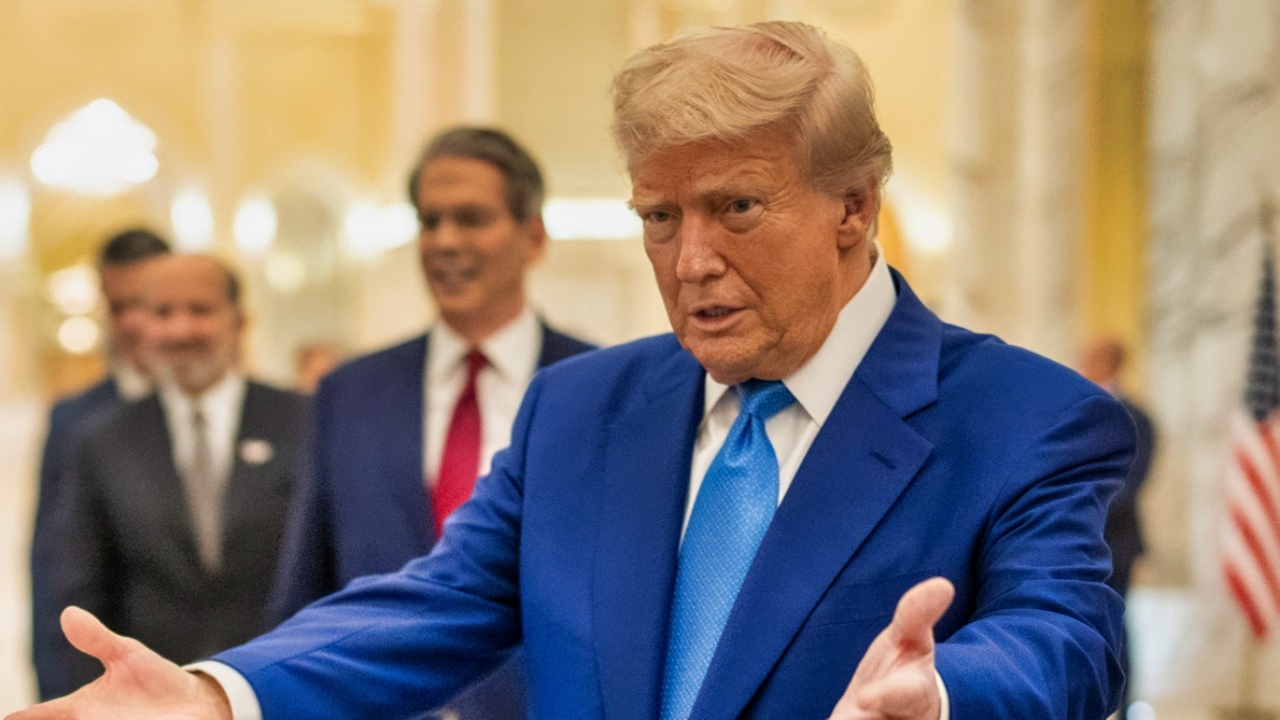
Republican candidates and their campaigns are distancing themselves from President Donald Trump ahead of the rapidly approaching November 3 midterm elections, and new advertising data shows the president has virtually disappeared from the party’s television campaigns.
A new New York Times investigation found that less than 1% of Republican advertising spending on congressional races over the last five weeks went toward commercials that mention President Donald Trump by name.
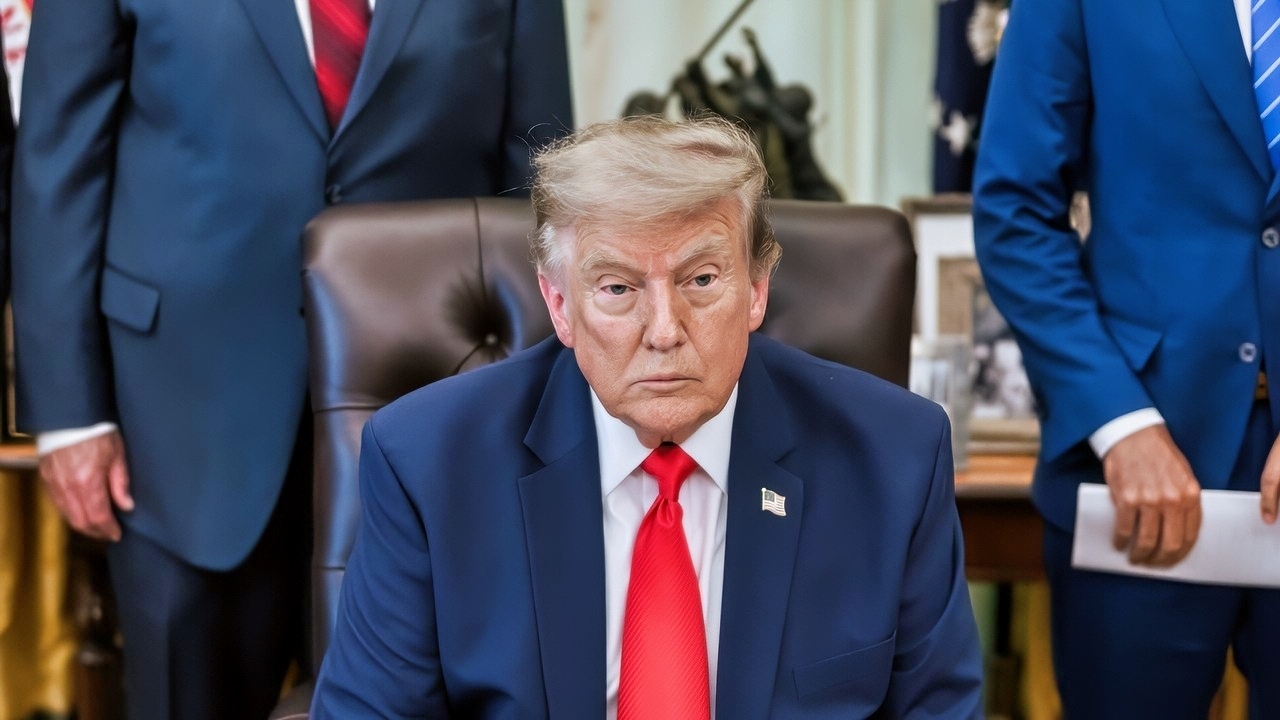
President Donald J. Trump makes an announcement regarding Dulles International Airport alongside Transportation Secretary Sean Duffy in the Oval Office, Wednesday, July 29, 2026. (Official White House Photo by Daniel Torok)
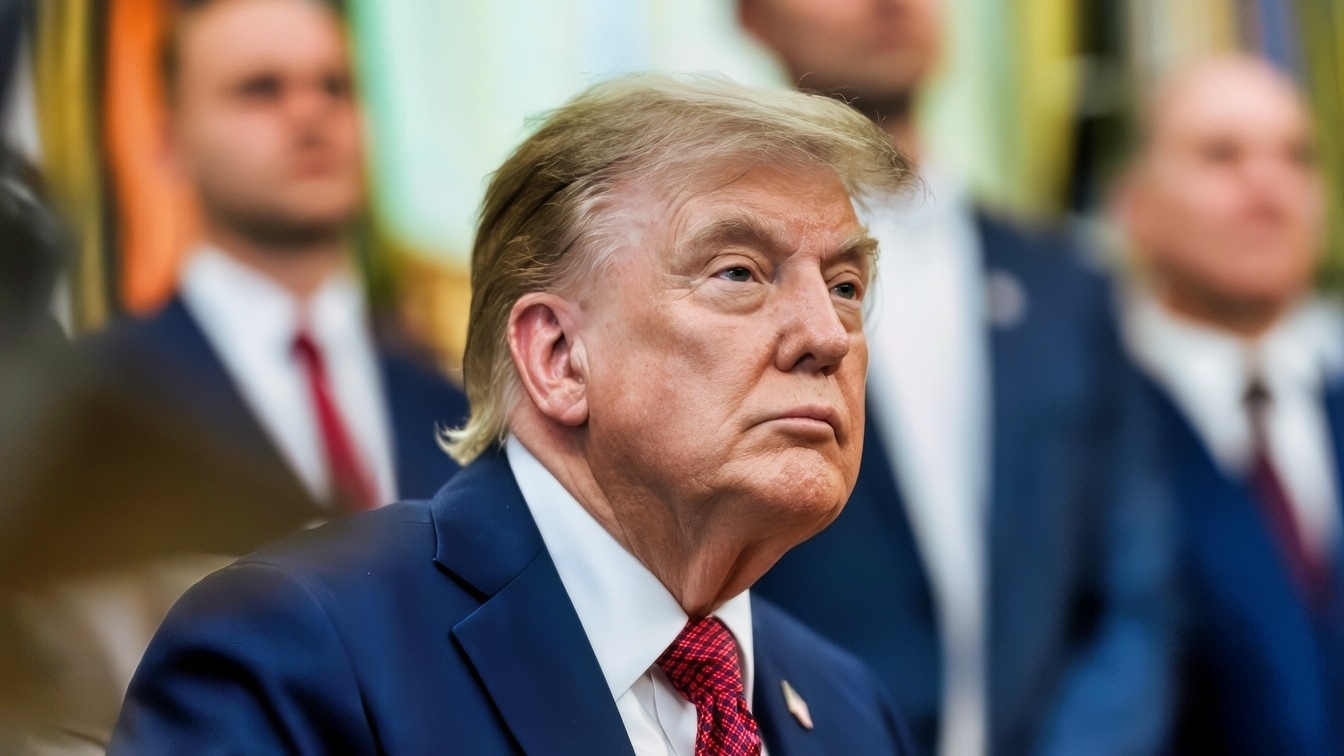
President Donald J. Trump makes an announcement on American nuclear innovation, Friday, July 24, 2026, in the Oval Office. (Official White House Photo by Molly Riley)
The findings come amid regular reporting on the president’s plummeting approval ratings, which hit new historic lows this week.
Meanwhile, Democrats are gaining ground, spending more on competitive races, and looking to overperform in historically safe Republican districts.
And despite Trump repeatedly urging Americans to treat the midterms as a referendum on his presidency, Republican candidates appear to recognize the fact that most Americans are growing frustrated with the president’s performance – and they realize he could cost them their seats.
The New York Times’ advertising data also follows a Reuters investigation published earlier this month that found roughly two-thirds of Republican candidates in competitive congressional races have tried to distance themselves from the president and his policies.
Trump Disappears from Republican Advertisements
According to The New York Times’ reporting, which examined advertising data collected by media tracking firm AdImpact, Republican campaigns and their supporters have spent about $830 million on broadcast and streaming ads.
The spending covers both House and Senate races and ads that aired between September 9 and October 17.
Less than $1 of every $100 spent went toward commercials that mentioned President Trump by name.
The Democrats spent $590 million during the same period, with about 20% of that spending on ads that mentioned the president by name.
The fact that Democrats are more willing to mention President Trump by name reflects Trump’s consistently poor ratings in recent surveys of likely American voters.
The difference is particularly striking compared with the Republican primaries, when candidates competed to demonstrate loyalty to the president, whose support was far higher after his popular-vote victory in 2024.
Republican Candidates Are Breaking With Trump
President Trump is appearing less on television, and Republican campaign strategists and candidates also seem to be making a concerted effort to protect themselves from the president’s declining popularity.
A Reuters report from October 7 found that Republican candidates in 41 of 62 competitive congressional races either publicly disagreed with Trump on specific policies or tried to minimize their public ties to him.
Reuters described how candidates were particularly concerned about President Trump’s foreign policy positions and the war with Iran, with Republicans in 12 competitive races either publicly opposing aspects of the war or calling for an end to fighting entirely.
Individual candidates also appear to be taking positions that directly contradict the president’s agenda, too. In Michigan, for example, Republican Senate nominee Mike Rogers published an advertisement on October 10 criticizing President Trump’s trade conflict with Canada and arguing that the dispute is hurting his state’s economy.
Meanwhile, in Alaska, Republican Senator Dan Sullivan has focused his advertising on his efforts to force the release of documents connected to Jeffrey Epstein.
The ads also explicitly oppose the Trump administration’s Justice Department.
Democrats Make Trump the Issue
Democrats are doing quite the opposite, and are using the president’s record on the economy, tariffs, health care, and Iran to attack Republican candidates.
Democrats have spent more than $163 million on advertisements mentioning President Trump since September 1, according to the Associated Press.
The Democrats’ ads aired almost 180,000 times, compared with just 16,000 Republican televised ads that mentioned the president.
In Georgia, Democratic Senator Jon Ossoff and his allies have attempted to connect his Republican challenger, Mike Collins, to President Donald Trump, rising gasoline prices, and the Iran war.
The strategy may work, as Americans grow more frustrated with President Trump’s performance than they are warming to Democrats, giving Democrats a chance to win through a combination of low turnout, a lack of enthusiasm for Republican candidates, and some independents switching to Democrats this time around.
An AP-NORC survey published on October 15 also found that 85% of registered voters consider the economy an important factor in their November vote. 84% said that the cost of living was an important factor, and 64% said the same about the Iran war.
The survey also found that roughly eight in ten voters disapprove of President Trump’s handling of the rising cost of living.
With just two weeks until election day, the Republican Party faces an uphill battle – and while they may want Trump to steer clear of their campaigns, the president seems intent on making the election a referendum on his “success.”
About the Author: Jack Buckby
Jack Buckby is a British researcher and analyst specializing in defense and national security, based in New York. His work focuses on military capability, procurement, and strategic competition, and he produces and edits analysis for policy and defense audiences. He brings extensive editorial experience, with a career output spanning over 1,000 articles at National Security Journal, and has previously authored books and papers on extremism and deradicalization.


