

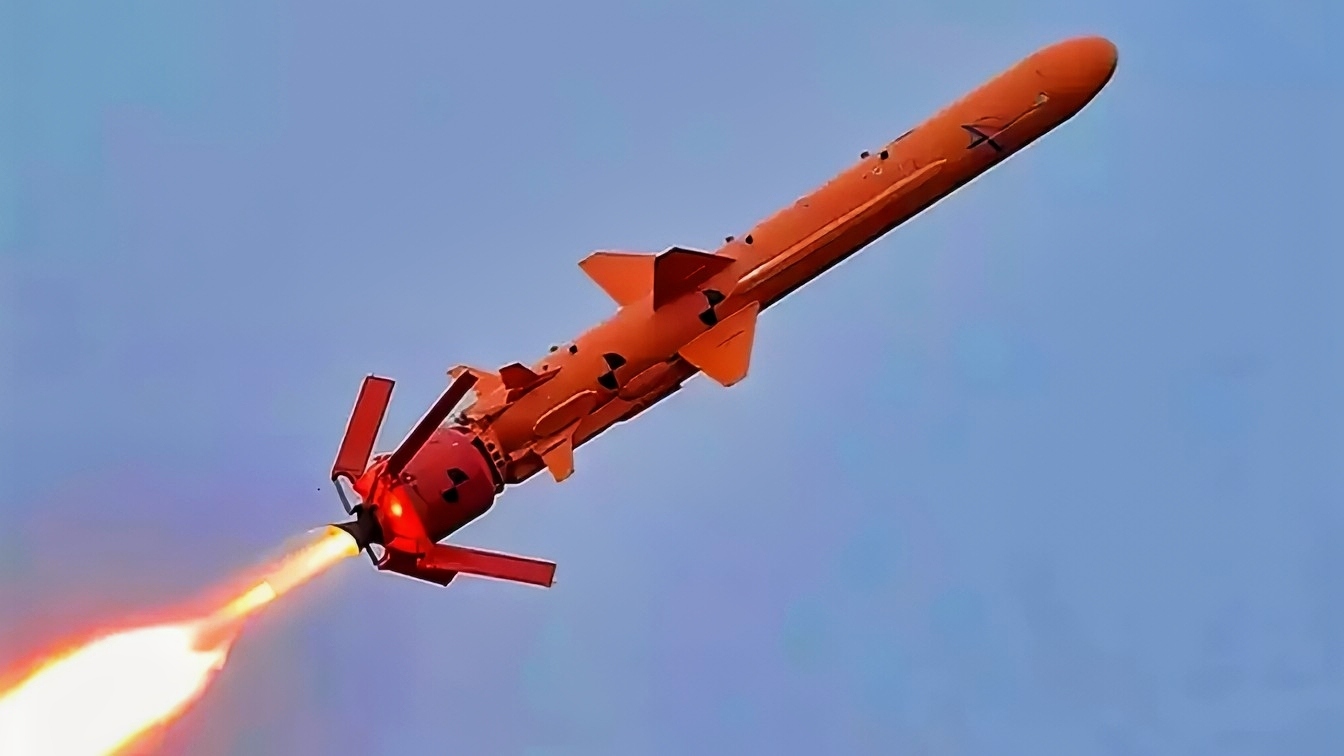
Ukraine’s medium- to long-range drone attacks against Moscow have ramped up significantly since 2026.
For most of the war, Russia has held a clear advantage in long-range capabilities.
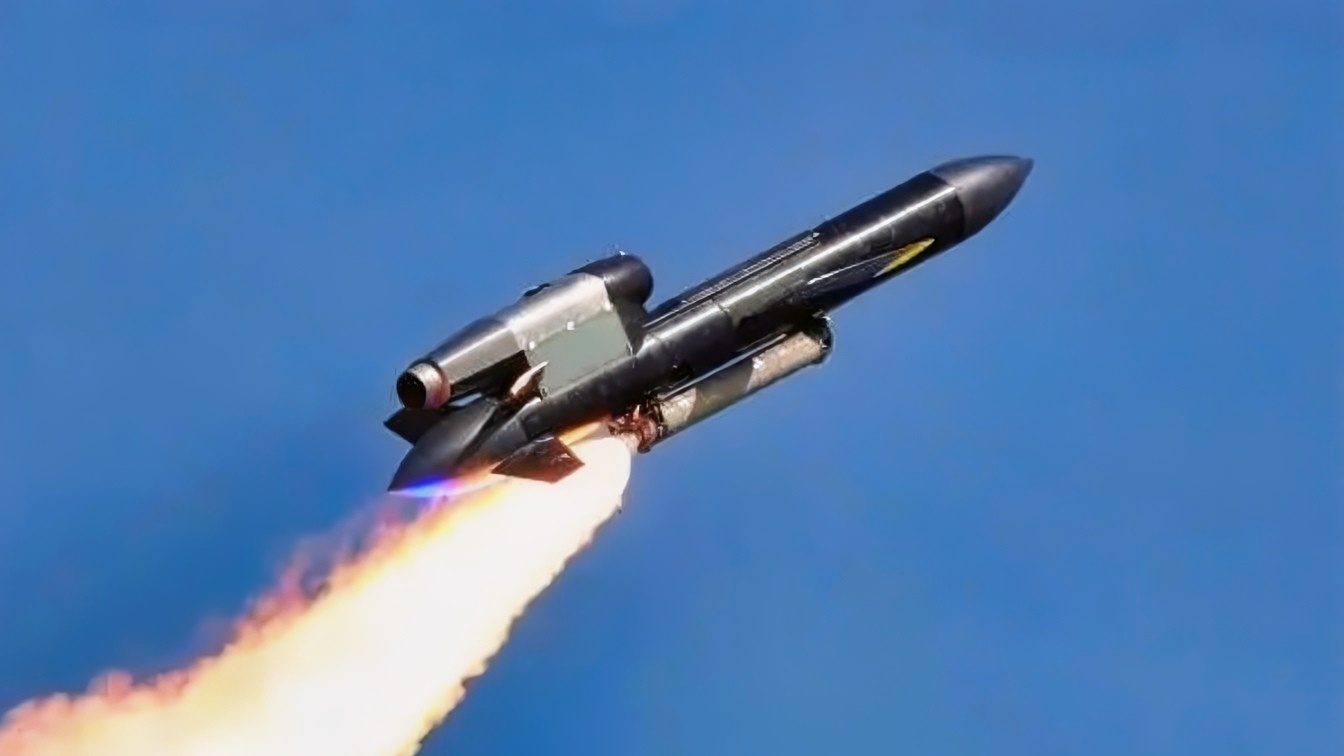
FP-5 Flamingo Cruise Missile. Image Credit: Ukraine Government
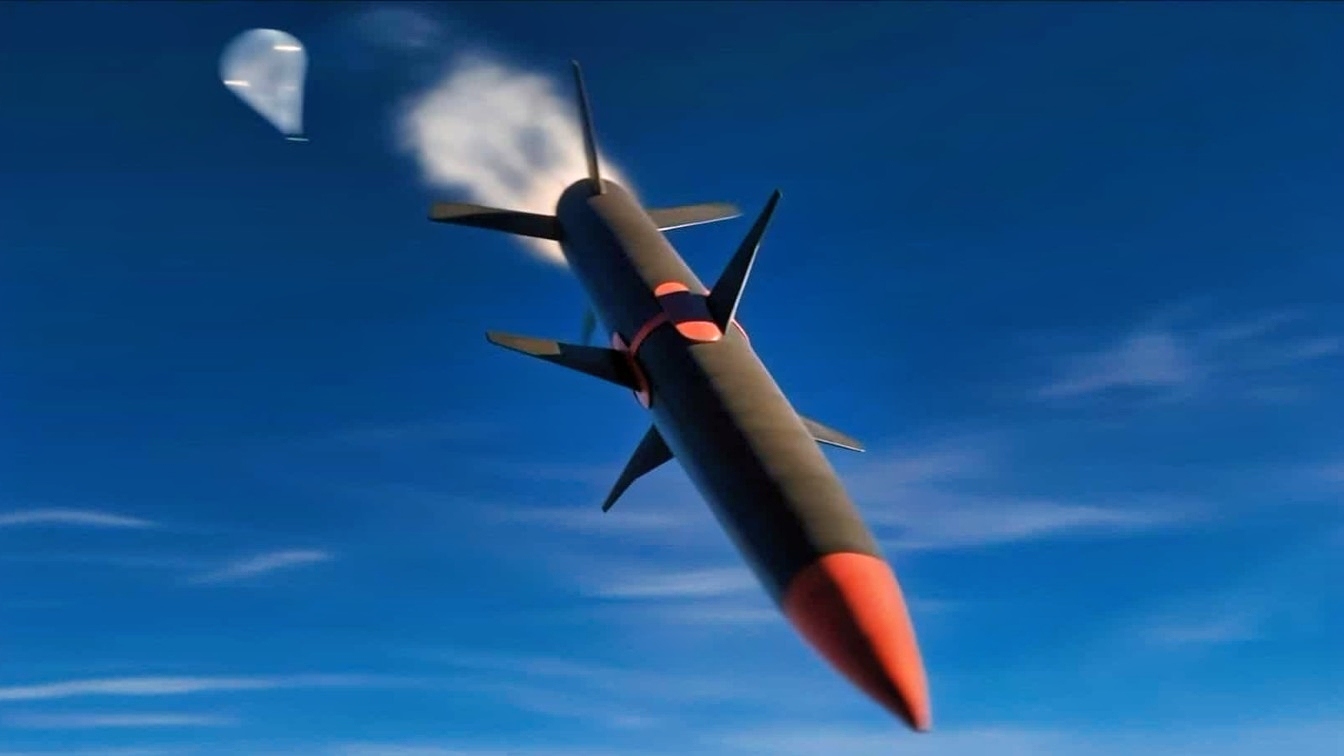
Ukraine DART Weapon Image Credit Ukraine Military
While it is too early to say that Ukraine has surpassed, or even matched, Russia’s strike capabilities, the once-wide chasm between Moscow and Kyiv has been closing in 2026.
In terms of sheer numbers, Ukraine has launched thousands of drones against Russia, and in March, Ukraine launched more attack UAVs than Russia did.
The effectiveness of Ukraine’s attacks versus Russia’s is worth discussing, but Kyiv’s investment in long-range strike technology has clearly been paying off.
Closing the Gap in Aerial Capabilities
During March, the Russian Ministry of Defense reported that it had intercepted 7,347 Ukrainian drones over Russian territory. The figure does not include the total number of drones Ukraine launched. Also important is that “over Russian territory” also includes Ukrainian territory occupied by Russian troops, such as Donetsk and Crimea.
Likewise, the Ukrainian Ministry of Defense reported that Russia launched 6,462 drones and 138 missiles against Ukraine.
The Ukrainian Air Force claimed that 5,833 drones, or roughly 90%, were intercepted while 102 missiles, 74%, were shot down. According to Kyiv, March marked a high point in Russia’s long-range attacks, though in subsequent months Russia launched more missiles.
However, an important elephant in the room remains. As ABC News notes, neither number has been independently verified.
It is possible, and likely, that both Ministries of Defense have inflated or manipulated their figures for propaganda purposes. However, for this analysis, let’s assume that the data is accurate.
The March data show that Ukraine launched more long-range strike munitions than Moscow that month.
This was right before Kyiv’s campaign against oil refineries and logistics warehouses kicked off. Ukraine’s summer campaign generated significant hype in Western news outlets.
The common conception at the time was that the air component of the war had shifted firmly in Ukraine’s favor, and that repeated attacks against Russian oil refineries and warehouses would force Moscow to accept a peace settlement favorable to Kyiv.
Changing the Tide of the War?
The aim of the campaign, according to Kyiv, was to bring the war home to Russia and weaken its economy. “We do not have to choose whether we strike a military target or energy,” Zelenskyy said. “He [Putin] sells oil, takes the money, invests it in weapons. And with those weapons, he kills Ukrainians.”
Ukraine’s main targets in the summer campaign were (and still are) oil refineries and depots. Later, the campaign expanded to include warehouses belonging to the online retailers Wildberries and Ozon.
More recently, Ukraine has also been targeting data centers belonging to some of Russia’s major companies.
Ukrainian drones have hit data centers belonging to Yandex, Sberbank, and VK.
Ukraine has also struck industrial sites and military installations, although less frequently because of the greater presence of air defense and EW assets.
With news of thousands of drones launched into Russia and footage of oil refineries and warehouses burning, one would get a sense that Ukraine has indeed succeeded in turning the tide of the air component of the war.
However, the reality is more complicated. Russia holds a key advantage: missiles.
Following the initial shock of Ukraine’s summer campaign, Moscow ramped up its attacks against Ukraine.
Effective drone attacks require hundreds, if not thousands, of drones to overwhelm sophisticated air defenses.
Ballistic missiles, though more expensive to manufacture, are much harder to intercept than drones.
As a result, Kyiv is currently facing a crippling shortage of ballistic missile interceptors, enabling Russia to launch missile attacks with near impunity.
Testing (and Improving) Russia’s Air Defenses: Ukraine Has a Problem
Ukraine’s drone attacks are also reliant on massive numbers to overwhelm Russia’s air defenses and do not always guarantee good results.
In August, the Ukrainian OSINT channel, DroneBomber, published an analysis of Ukrainian drone attacks against the Moscow Oblast in June and July.
Using data compiled from various monitoring sites and channels, DroneBomber verified 1,500 interceptions, most of which occurred in the region’s outer defensive lines.
During those two months, it struck only three targets: the Kapotnya oil refinery (hit by multiple drones), the Dubna Space Communications Center, and some Wildberries warehouses.
Obviously, this applies only to the Moscow Oblast, which was the largest concentration of air defenses in Russia.
Still, compared with a typical large-scale drone/missile attack on Kyiv, the disparity is obvious.
It is easy to see footage of drone attacks against Russian refineries, or ballistic missile attacks against Kyiv, and assume that one side has already won.
However, the reality is much more complicated.
As Ukraine’s former Commander in Chief, Valerii Zaluzhnyi, wrote in July, “Ukraine’s increasingly effective strikes against Russian logistics and critical infrastructure have imposed real costs on Moscow. But these attacks are expensive, technologically demanding, and ultimately reciprocal.” The number of attacks launched will not decide the war in Ukraine; both sides’ willingness to fight will.
Kyiv launched its long-range attacks hoping to force Russia to capitulate.
Unfortunately, the air raids have had the opposite effect.
Rather than approaching the negotiating table, Vladimir Putin has instead doubled down on his war.
This is not to say that Ukraine’s drone campaign hasn’t achieved any results, or caused a scare in Russia, but if Ukraine is looking to force Russia to capitulate, it will need a lot more firepower and money.
About the Author: Isaac Seitz
Isaac Seitz, a Defense Columnist, graduated from Patrick Henry College’s Strategic Intelligence and National Security program. He has also studied Russian at Middlebury Language Schools and has worked as an intelligence Analyst in the private sector.


