
Four and a Half Years On, Russians Still Support the War with Ukraine: It’s hard to know what Russians truly think of their country’s full-scale invasion of Ukraine.
The “special military operation” launched in February 2022 was expected to last no more than three days. Instead, it has surpassed the duration of the First World War.
Why the Ukraine War?
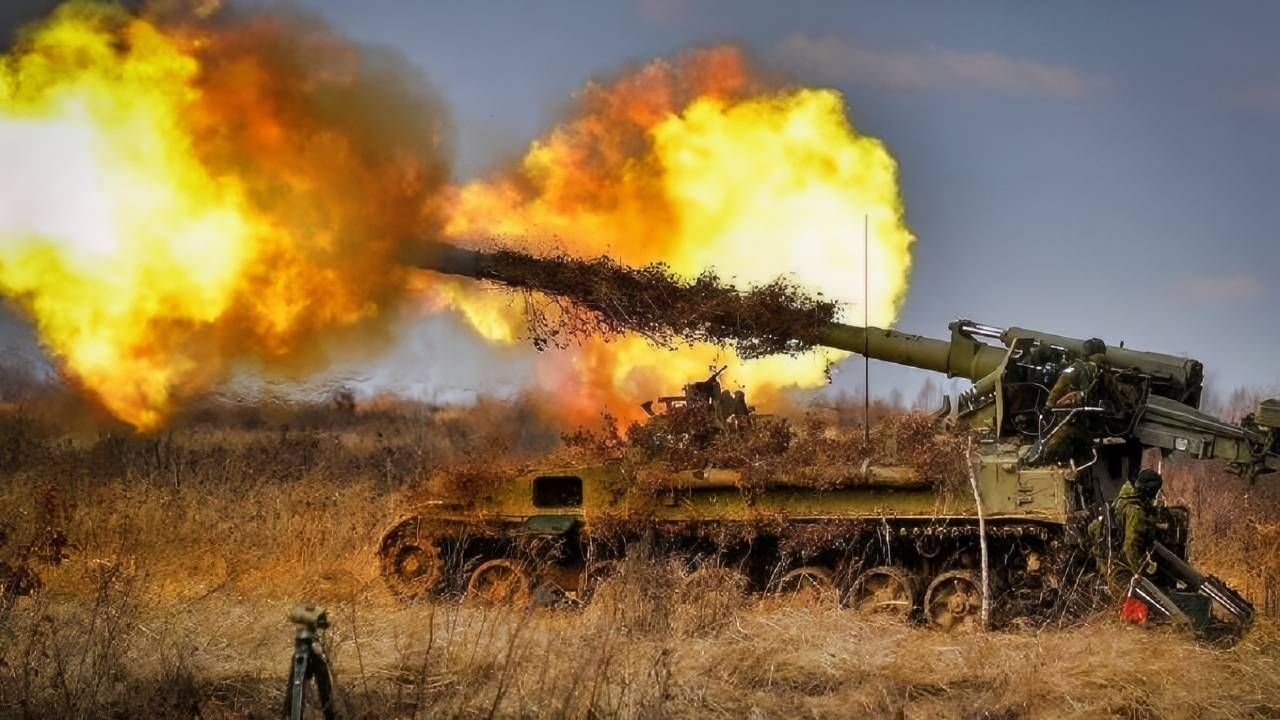
Russian Artillery Creative Commons Image
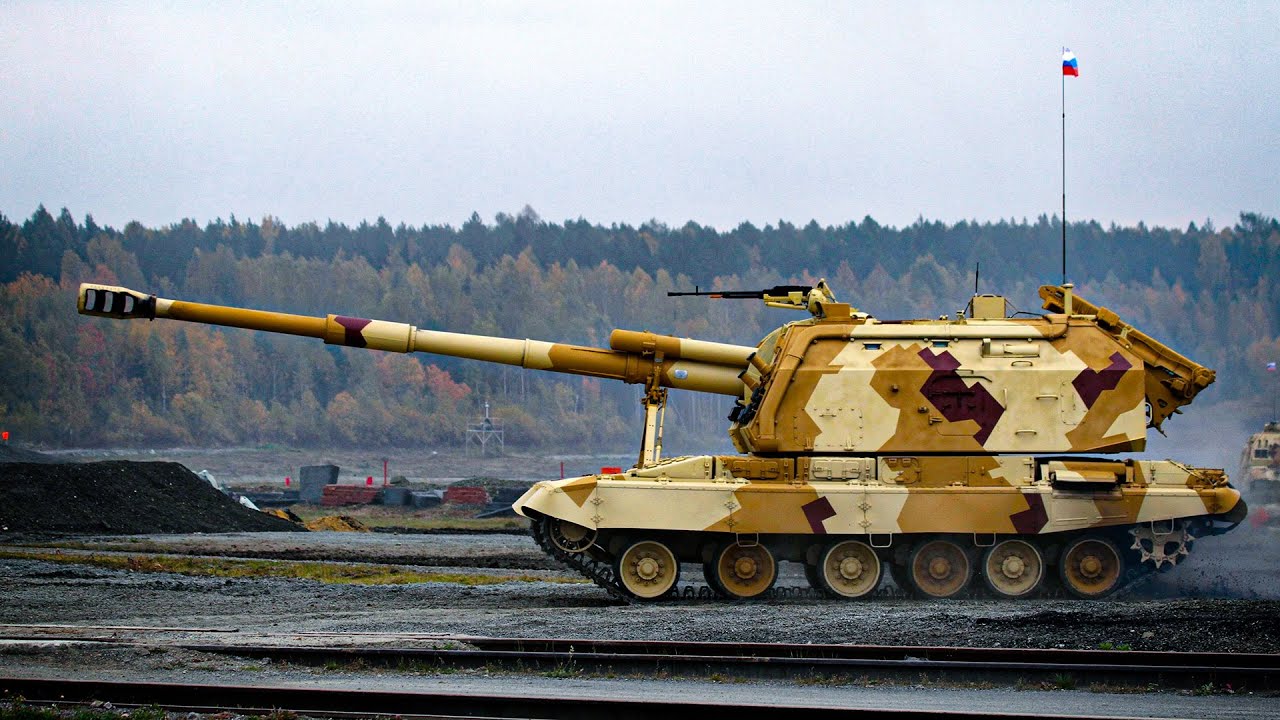
MSTA Russian Artillery Creative Commons Image
Hundreds of thousands of Russians have been killed, and many more wounded. The occupier controls less of Ukraine than it did on the first day of the invasion. The gains made over the past four and a half years have been so incremental that, at the current rate, the Donbas won’t be under full Russian control until 2032.
Little can be gained from an analysis of Russia’s recent parliamentary elections. War-backing parties won 100% of the seats available in Russia’s State Duma; then again, the only anti-war party was banned from the ballot before it could gain any momentum, never mind votes.
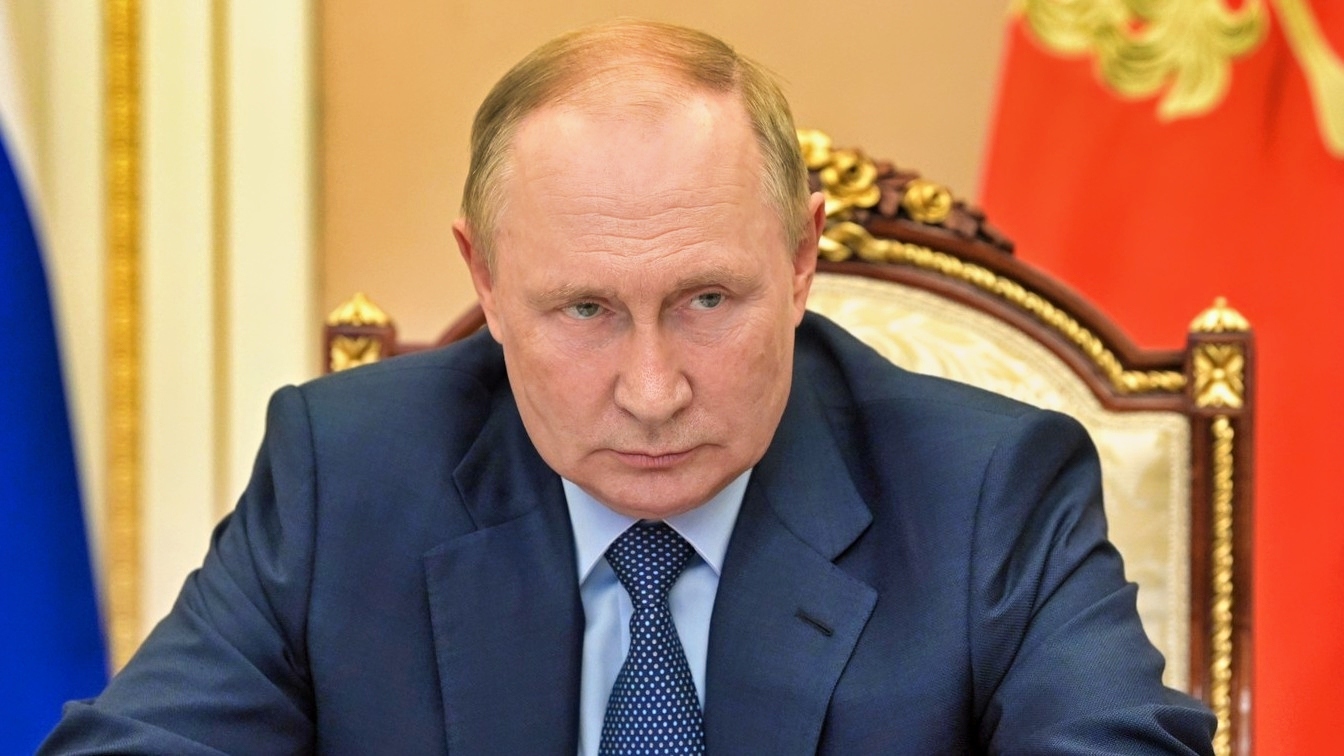
Few Russians dare speak out against the Kremlin’s official line on the war. Prominent critics of the official response, whether that be opposition politicians like Alexei Navalny or militia leaders such as Yevgeny Prigozhin, have been killed. President Vladimir Putin enjoys widespread support as a result, but there will always be doubt about whether that’s genuine, due to a lack of credible opposition or to fear.
Nevertheless, with fathers and sons leaving for the frontlines and returning in body bags, one would imagine that war fatigue would be growing. However, a recent New York Times article suggests otherwise.
North Ossetia
The Times reported from North Ossetia – a remote mountainous region close to the border with Georgia. It described how the sheer numbers of soldiers returning to Vladikavkaz in body bags had led to a dedicated plot for victims of Putin’s war.
Yet despite most households having lost a relative to the conflict, many residents remain supportive of it. Oksana Abaeva, for example, spoke to the Times about her son who was killed three months after the full-scale invasion began. Before his death, Abaeva’s husband, Khetag R. Zaseyev, joined the military in the hope of finding his stepson.
“He couldn’t take it. He hoped to find Albert, or at least hug him, because we all understood what it was like where he was,” she said.
Even after seeing firsthand the ultimate cost of warfare, Abaeva still supports the war until what her government describes as “the Nazis” in Ukraine have been eradicated.
“I do not wish for any mother to bury her child, neither in Ukraine nor here,” she said. “I want peace. I want there to be no Nazism.”
Defeating “Nazism”
Abaeva is not alone in North Ossetia. Anatoly Betruzov, a 65-year-old veteran of three wars, also cited the defeat of “Nazis” despite his objections to those dying “who have nothing to do with it.”
Others parroted similar views, suggesting that while they support the Kremlin’s invasion, they themselves do not want to be a part of it.
Russia and Authoritarianism
One thing is clear four and a half years after the invasion began. There is support for the conflict, even if the knock-on effects are felt by Russians far from the frontline. Those who have been fortunate not to lose a loved one in Ukraine have faced disruption to everyday life as Kyiv fires drones towards oil refineries and warehouses across Russia. For many, it’s a small price to pay to achieve the Kremlin’s objective of defeating “Nazism.”
What remains unclear is the reasons why Russians believe what the Kremlin wants them to believe. A tightly controlled media where dissent is not tolerated? A widespread sense of fear where silence results in a more comfortable life? A propaganda machine where the military is promoted above all else? The answer is likely a mix of all three.
Russia has flirted with democracy twice in history. The first lasted ten months and led to the Bolshevik Revolution and the Soviet Union; the second lasted a little longer before Putin came to power, and he’s remained in power ever since. The nation’s entire history has been one of authoritarianism, whether through a monarch, a political party, or an individual leader. Russia simply knows no different.
That’s why the invasion will only end when the Kremlin decides to end it. There’ll be no mass uprising from the populace, no matter how bad the situation becomes at home.
Any threatening dissent will be met with the same fate suffered by Navalny and Prigozhin. When decision-making is influenced only by those at the top, critical opposition becomes meaningless – a reality recognized by millions of Russians.
Until Putin decides the war should end, Russians will keep supporting it.
About the Author: Shay Bottomley
Shay Bottomley is a British journalist. He has written for the Western Standard, Business Insider, Maidenhead Advertiser, Slough Express, Windsor Express, Berkshire Live and Southend Echo.