

An article this week in the London Daily Telegraph by former British Army tank commander and chemical and biological weapons expert Hamish de Bretton-Gordon takes on the eternal question of which European country does better than the others in the intelligence game.
The subject could not have come up at a better time, as the intelligence aspects of the Ukraine war are no small factor in this conflict.
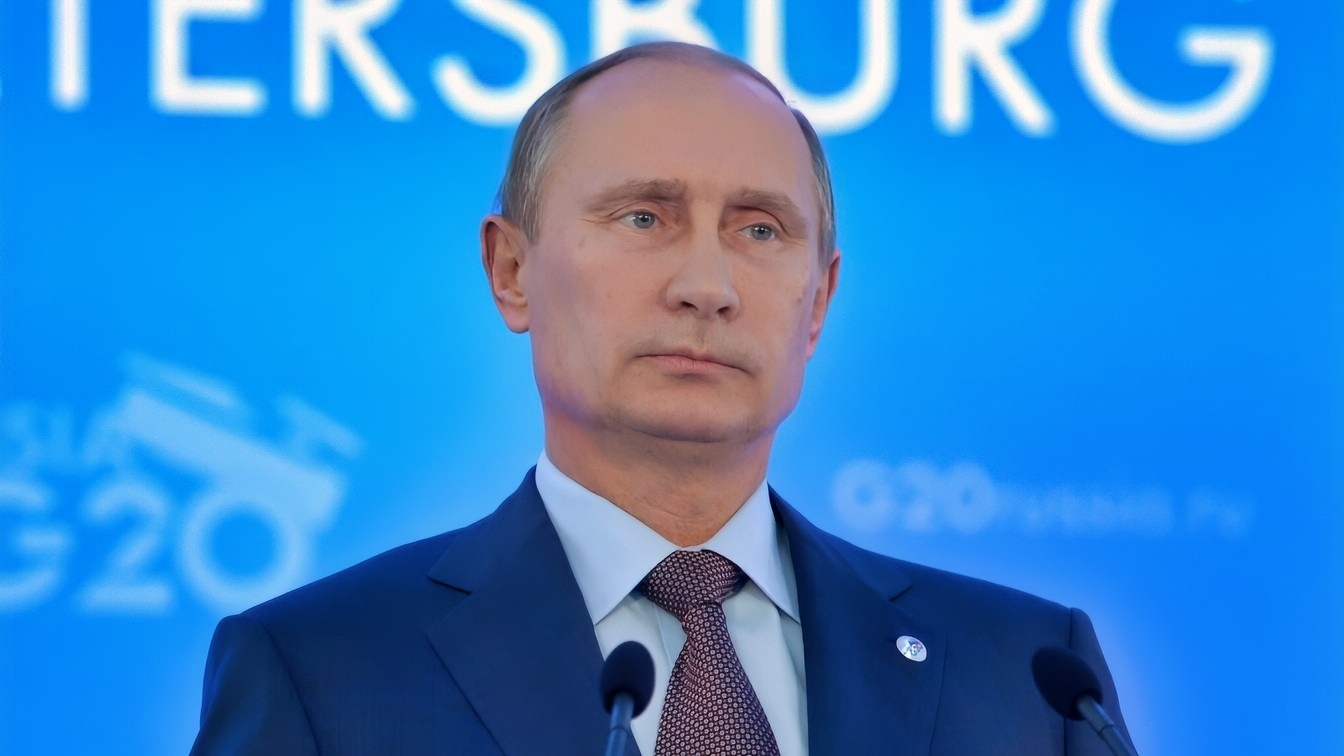
Putin Back in 2012 Creative Commons Image
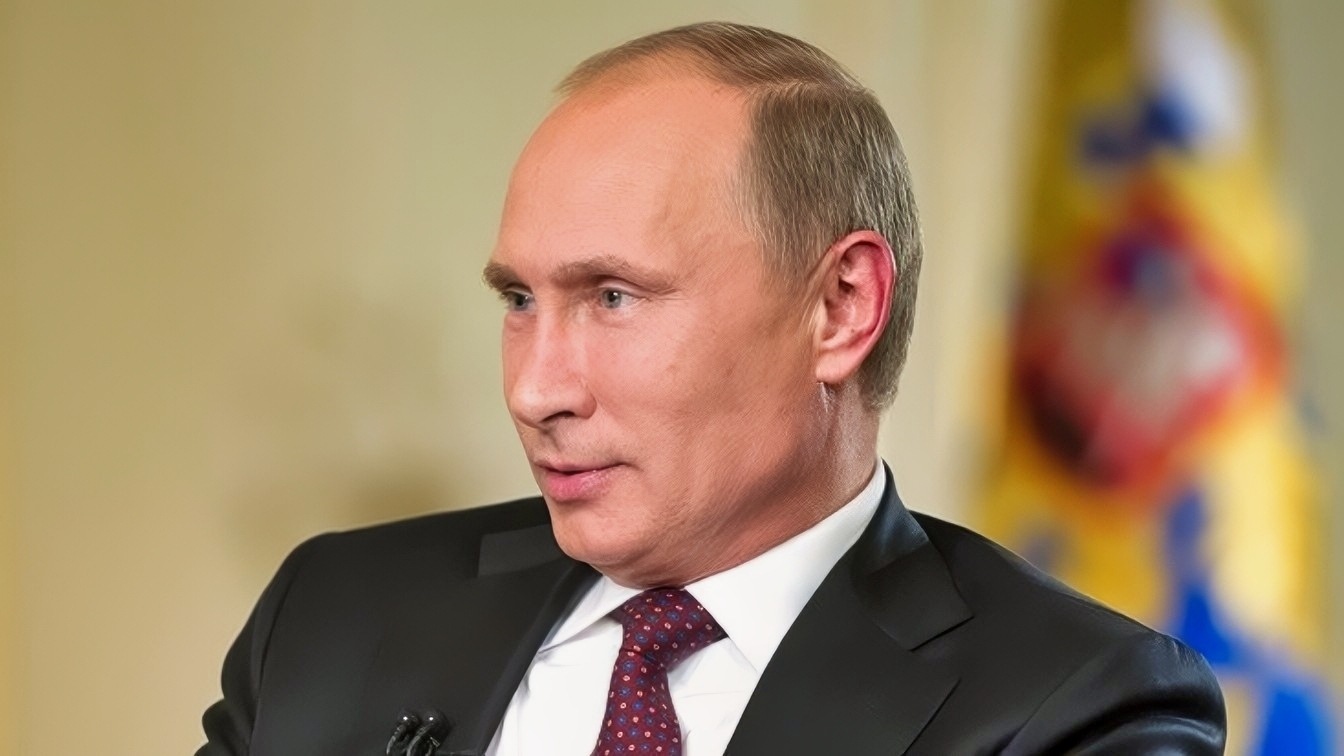
Putin Interview from Back in 2012 Image Credit Creative Commons
From Ukraine’s use of allied intelligence targeting data and satellite imagery to their ability to conduct targeted assassinations, to blowing up the Nord Stream 2 pipeline for an operation that cost pennies on the dollar, to the infamous Operation Spider Web, intelligence operations have had a game-changing impact on many aspects of this four-and-a-half-year war against Russia.
But the question remains: which European nations are leading when operating in the “wilderness of mirrors”, as the intelligence business was nicknamed long ago?
Ukraine in the Intel Game
The US intelligence agencies were not part of the analysis and rating of the various intelligence services that de Bretton-Gordon has written his synopsis about.
But he does quote one of the US Central Intelligence Agency’s (CIA) former senior officers, Ralph Goff, at one point.
Goff, who was the Agency’s former chief of operations for Europe and Eurasia, was very straightforward: “The British are in the lead on the Ukrainian file. We are right behind them.”
“This could be very significant if US intelligence is correct about imminent Russian attacks,” says the former tank commander-turned-defense correspondent.
No one in the community discusses details or sources for this kind of assessment, but US intelligence reportedly believes Russian President Vladimir Putin might attempt a limited land incursion or unleash cyber-attacks against Eastern Europe between this autumn and 2029.
This is a sea change from the previous estimates that the CIA and other US agencies had been sticking to for some time.
Their assessment had been until recently that Putin would be unlikely to attack NATO while still deeply stuck in what has become a quagmire for Moscow in Ukraine.
The Rating Methodology
The rating of the European services comes from a survey conducted by the French magazine L’Express. The publication spent three months collecting observations from 60 intelligence professionals across 25 countries to produce an assessment of the effectiveness and reliability of the world’s intelligence agencies.
Using a system in which a nation’s intelligence service was given “points” for its competency and capabilities in the different intelligence disciplines, Britain’s MI6 (also known as the Secret Intelligence Service or SIS) was rated far above that of its European competitors, producing this final listing.
United Kingdom, MI6: 251 points
France, DGSE: 169 points
Netherlands, AIVD/MIVD: 97 points
Ukraine: 77 points
Germany, BND: 62 points
Sweden: 40 points
Norway: 34 points
Estonia: 27 points
Poland: 22 points
Denmark: 16 points
The French, he observes, “who are never famous for over-praising Britain, have recently confirmed what many of us in defense and security have known for years: Britain remains Europe’s pre-eminent intelligence and espionage power.”
Therefore, it is no small surprise that MI6 received 50 percent more points than the next-most-respected intelligence organization, France’s Direction générale de la Sécurité extérieure (DGSE).
As he writes, the United Kingdom’s “greatest strategic advantage may not be sitting aboard an aircraft carrier or inside a Challenger tank, but behind the anonymous doors of Vauxhall Cross (MI6 headquarters), Thames House (MI5 internal security and counterintelligence) and the GCHQ “Doughnut” in Cheltenham,” which is home to Britain’s equivalent of the US National Security Agency (NSA).
Seeing the Future Before the War Began
The UK recognized the increasing Russian threat before the February 2022 invasion of Ukraine, says de Bretton-Gordon. “We exposed Kremlin deception, shared intelligence with allies, and armed and trained the Ukrainians when others were still hesitating.
Much of this work has necessarily taken place far from the television cameras,” he writes.
It bears mentioning that the one service which is perhaps unique among all those surveyed is that of Ukraine.
More than four years of war and cooperation with its European allies have made this nation’s intelligence units the “most innovative and operationally audacious organizations in the world.
Their ability to penetrate deep into Russia has forced military planners everywhere to reconsider what modern warfare actually means.
There is a lesson here for Westminster,” he concludes.
Ukraine also demonstrates, said a US intelligence official speaking to National Security Journal, “that old-school intelligence work still matters. Walking the streets, at times going door-to-door, mastering the basics without excessive dependence on technological gadgetry. It’s an example we could all learn from.”
About the Author: Reuben F. Johnson
Reuben F. Johnson has thirty-six years of experience analyzing and reporting on foreign weapons systems, defense technologies, and international arms export policy. Johnson is the Director of Research at the Casimir Pulaski Foundation. He is also a survivor of the Russian invasion of Ukraine in February 2022. He worked for years in the American defense industry as a foreign technology analyst and later as a consultant for the U.S. Department of Defense, the Departments of the Navy and Air Force, and the governments of the United Kingdom and Australia. In 2022-2023, he won two awards in a row for his defense reporting. He holds a bachelor’s degree from DePauw University and a master’s degree from Miami University in Ohio, specializing in Soviet and Russian studies. He lives in Warsaw.


