
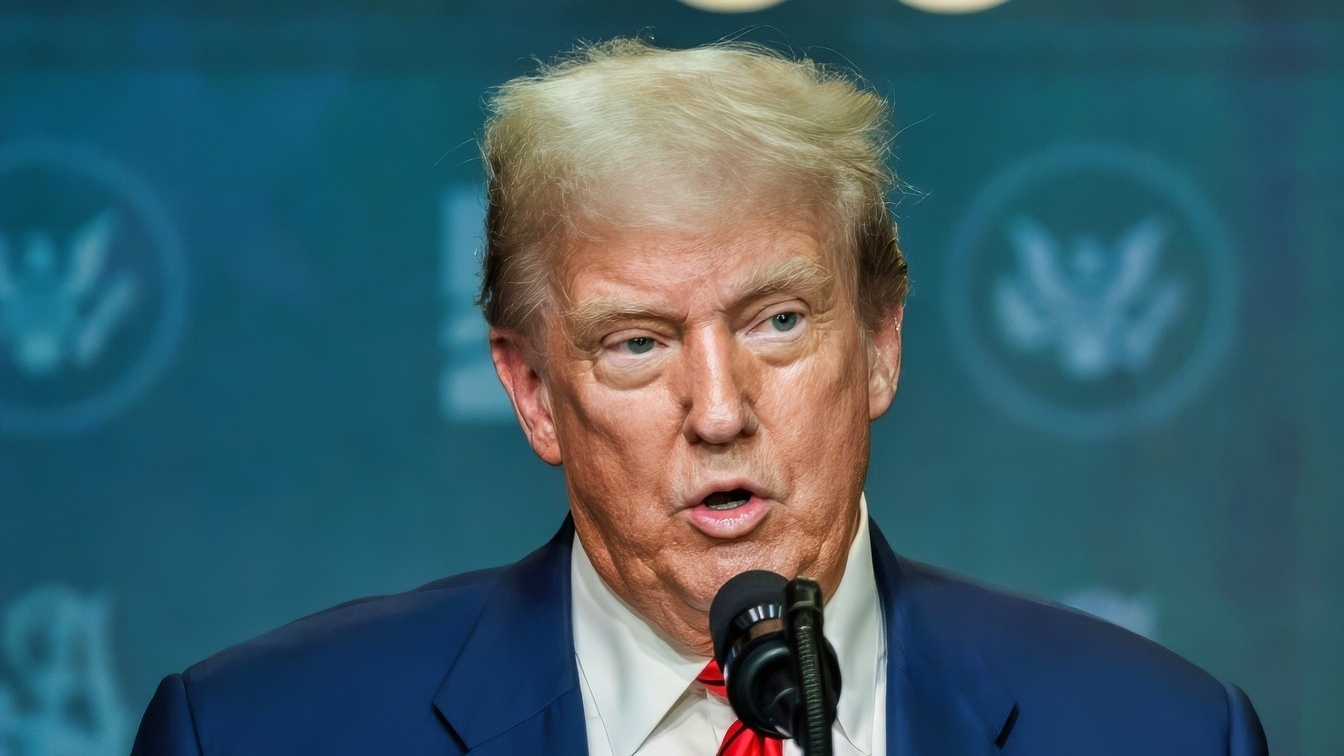
Trump Is Building A Two-Year Wartime Team: President Donald Trump is reportedly preparing to make Cabinet changes after replacing White House Chief of Staff Susie Wiles with Stephen Miller on Friday, November 6. The announcement came three days after Republicans suffered devastating losses in the midterm elections, with the Democrats now set to assume control of both chambers of Congress in January — leaving President Trump with a difficult final two years in office.
But Miller’s appointment, one of the most controversial and aggressive figures in the Trump administration because of his work on Trump’s immigration policies, suggests Trump is preparing to confront his political opponents during his final two years. Trump is also reportedly furious about the election results, with reports claiming that he raised his voice at Wiles during a clash in the Oval Office shortly before she submitted her resignation.
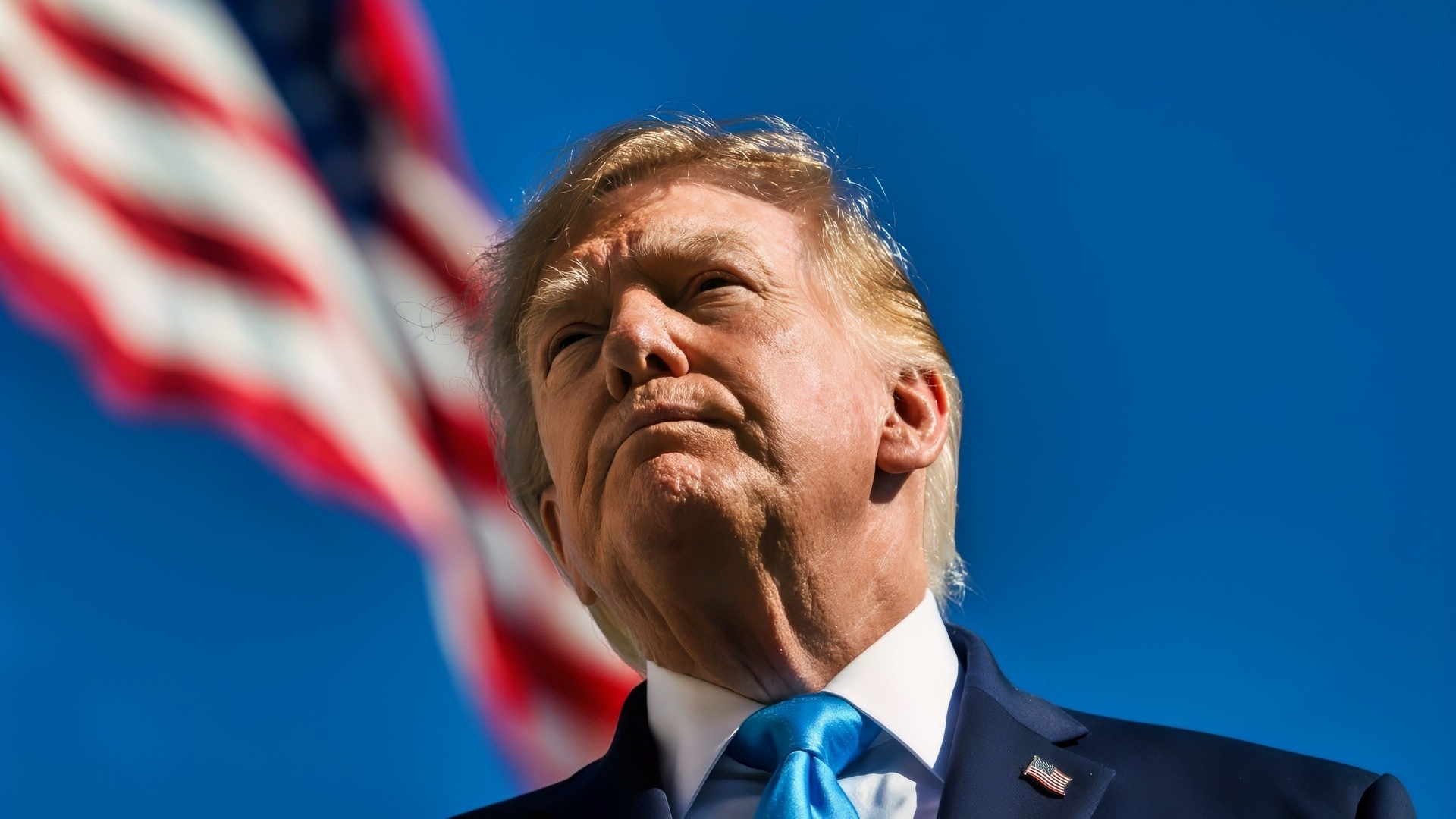
President Donald J. Trump boards Marine One on the South Lawn of the White House, Monday, October 5, 2026, en route Joint Base Andrews for a trip to Nebraska. (Official White House Photo by Daniel Torok)
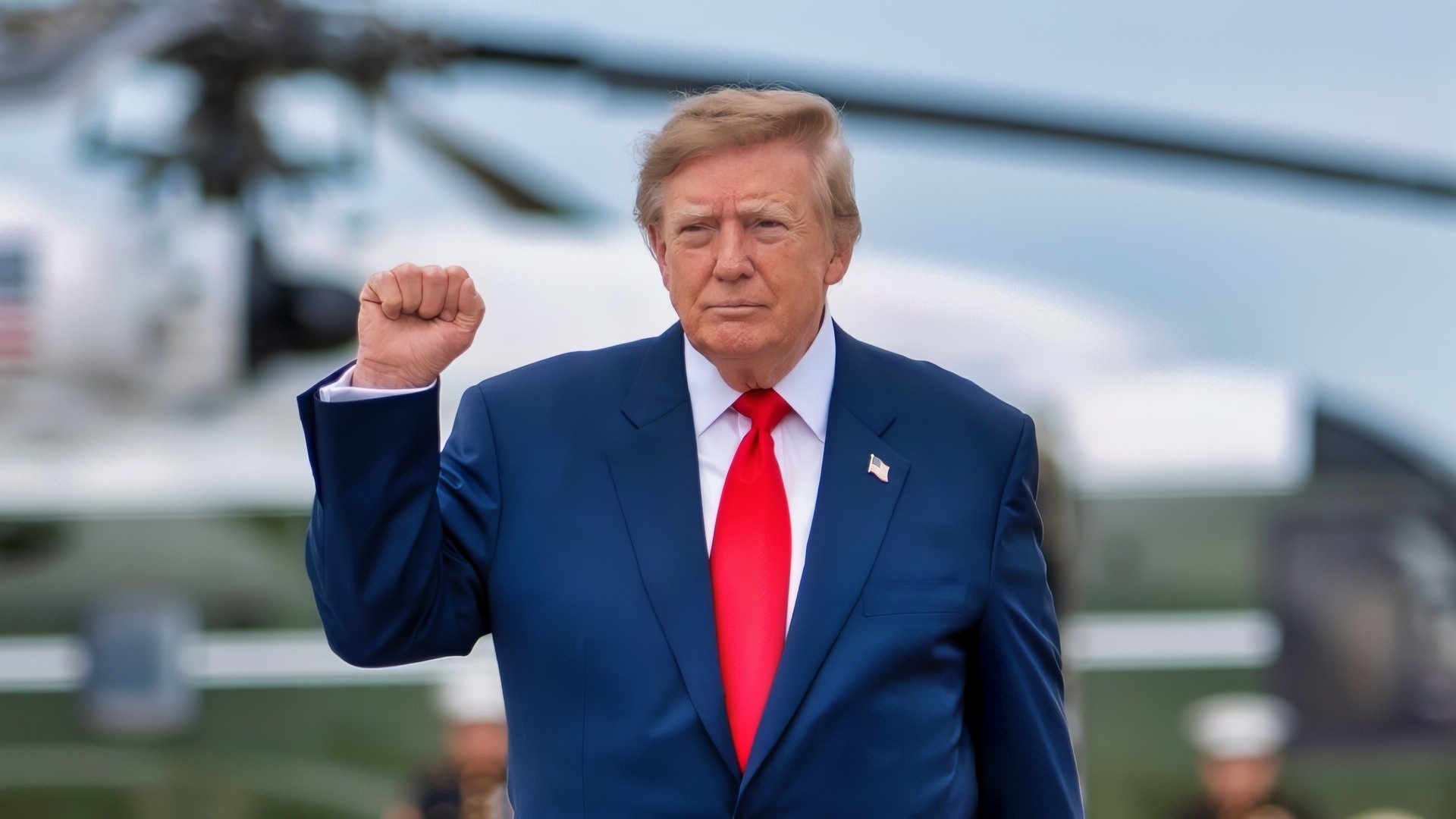
President Donald J. Trump disembarks Marine One at Joint Base Andrews, Maryland on Saturday, October 10, 2026, and boards Air Force One en route Campbell Army Airfield in Fort Campbell, Kentucky. (Official White House Photo by Molly Riley)
And now, the president is even threatening legal action against Democrats, announcing on Saturday that he was directing the Department of Justice to investigate Democratic legislators whom he accused of threatening Republican donors and administration officials with impeachment and criminal proceedings.
Trump, then, may be preparing to assemble a wartime leadership team — an administration that is hell-bent on winning the war with Iran and going to war with Democrats who are preparing to destroy his legacy and prevent his administration from pursuing his policy agenda before he is finally forced to retire from politics.
Trump Says More Changes Are Coming
During an interview with CBS News correspondent Ross Douthat, as part of a 60 Minutes episode scheduled to air on Sunday, November 8, President Trump confirmed that he expects to remove officials from his administration. The revelation came in a short clip from the upcoming interview, in which Douthat asked the president whether he intended to fire anyone after the Republicans’ midterm defeats on Tuesday.
“I do, yeah. Little bit,” Trump said.
In the clip, the president also said he is generally satisfied with his Cabinet but expects to make some changes. He did not say who he plans to fire next.
According to a CBS News report from November 7, the interview took place just hours before he announced Wiles’ departure.
But one of the most prominent figures facing pressure in his administration is Defense Secretary Pete Hegseth, whose handling of the war is not universally popular — not by a long shot. The president has insisted he has faith in Hegseth so far, but that may not be the only reason Hegseth could be safe. With a Democrat-controlled Congress arriving in January, Trump faces an uphill battle confirming new Cabinet members. The Iran war is also still ongoing, and with so many Republicans concerned about the conflict, Trump could still face an uphill battle getting a new defense secretary confirmed with the support of his own party before January. And few would want to take on a senior military role while fighting an unpopular war that looks set to escalate.
Why Trump Needs Miller
Replacing Wiles with Miller is particularly interesting because they are two very different people with different approaches to running the White House. Wiles is widely credited with bringing discipline to the Trump administration, while Miller has built his career as a hardliner on issues President Trump has long campaigned on. From immigration to countering radical progressivism, Miller’s approach to governing is warlike.
Miller’s influence extends well beyond immigration, too. He has become increasingly involved in national security and foreign policy matters, developing a close working relationship with Secretary of State Marco Rubio. Roger Stone, a longtime adviser to the president, also described Miller as the president’s “wartime consigliere” in comments Axios published on November 7.
That description isn’t new, and it may explain the thinking behind his appointment.
With the Iran war still raging and set to escalate, and with the Democrats preparing to challenge the administration’s military spending and even launch investigations into every Trump-aligned figure possible, Trump needs somebody willing to fight on every front. Wiles may not have been that person, but Miller certainly is.
Preparing for War With Democrats
After initially praising Democrats for their victory on Tuesday, the president called for the Justice Department to investigate Democrats whom he has accused of threatening Republican donors and administration officials with criminal investigations and impeachment proceedings.
Writing on Truth Social, the president described recent Democratic statements as tantamount to blackmail.
“The Democrats are going around threatening a lot of people, including the Attorney General of the United States, and others, with Impeachment and many other forms of punishment, even though they admit they have no reason to do so, and there have been no impeachable acts committed, or even thought of, by the victims of this illegal process,” Trump wrote.
“This is extortion at the highest level, and they should be held accountable for this,” he continued.
Trump is not just preparing for war with Iran, but war with Democrats who, like Tehran, hope to “defeat Trumpism” by the end of 2028.
About the Author: Jack Buckby
Jack Buckby is a British researcher and analyst specializing in defense and national security, based in New York. His work focuses on military capability, procurement, and strategic competition, and he produces and edits analysis for policy and defense audiences. He brings extensive editorial experience, with a career output spanning over 1,000 articles at National Security Journal, and has previously authored books and papers on extremism and deradicalization.


