
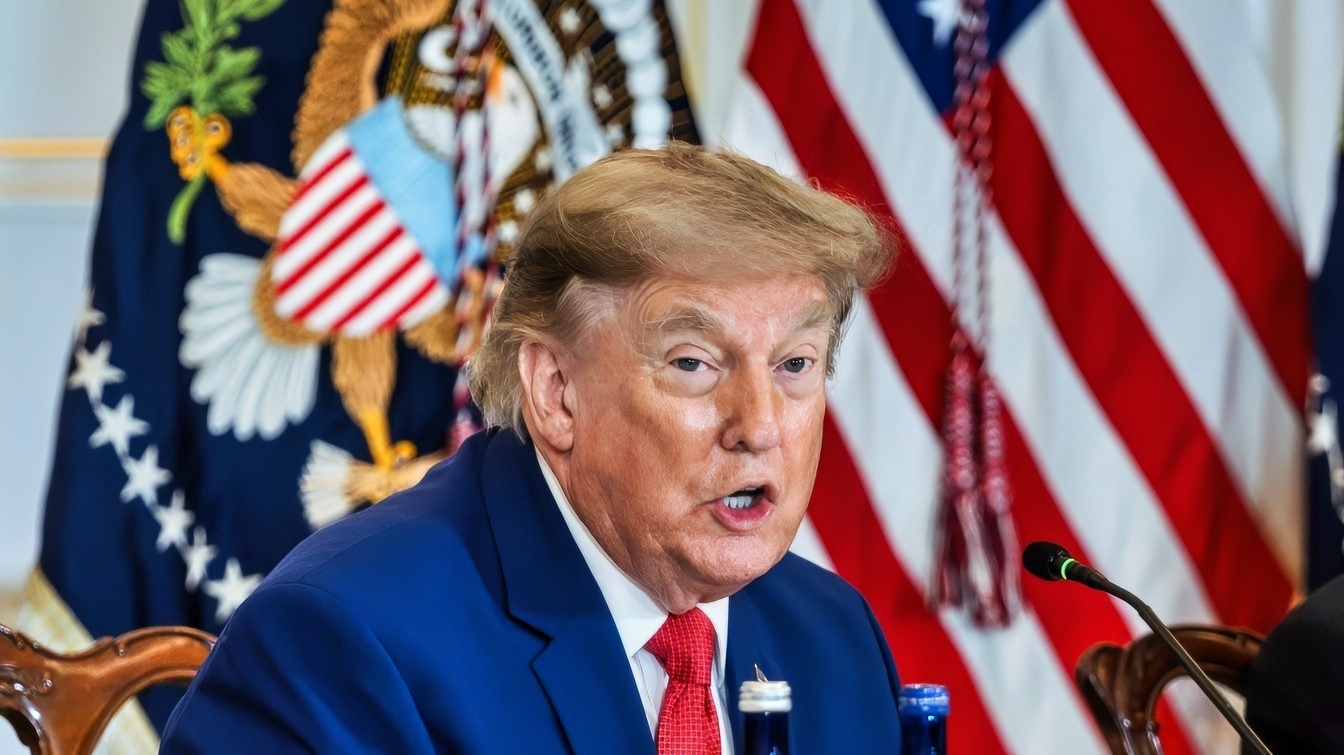
Will Trump Interfere in the Midterms? State election officials and voting rights organizations are preparing for possible interference by the Trump administration in the November 3 midterm elections, after a series of legal challenges and comments by President Donald Trump have raised questions about how he may respond to what he expects will be a poor showing for Republican candidates.
With less than a week until Americans vote, officials in several states are developing plans to respond if federal agents appear at polling locations or seize voting materials. They are also reportedly preparing for possible Department of Justice efforts to prevent election results from being certified.
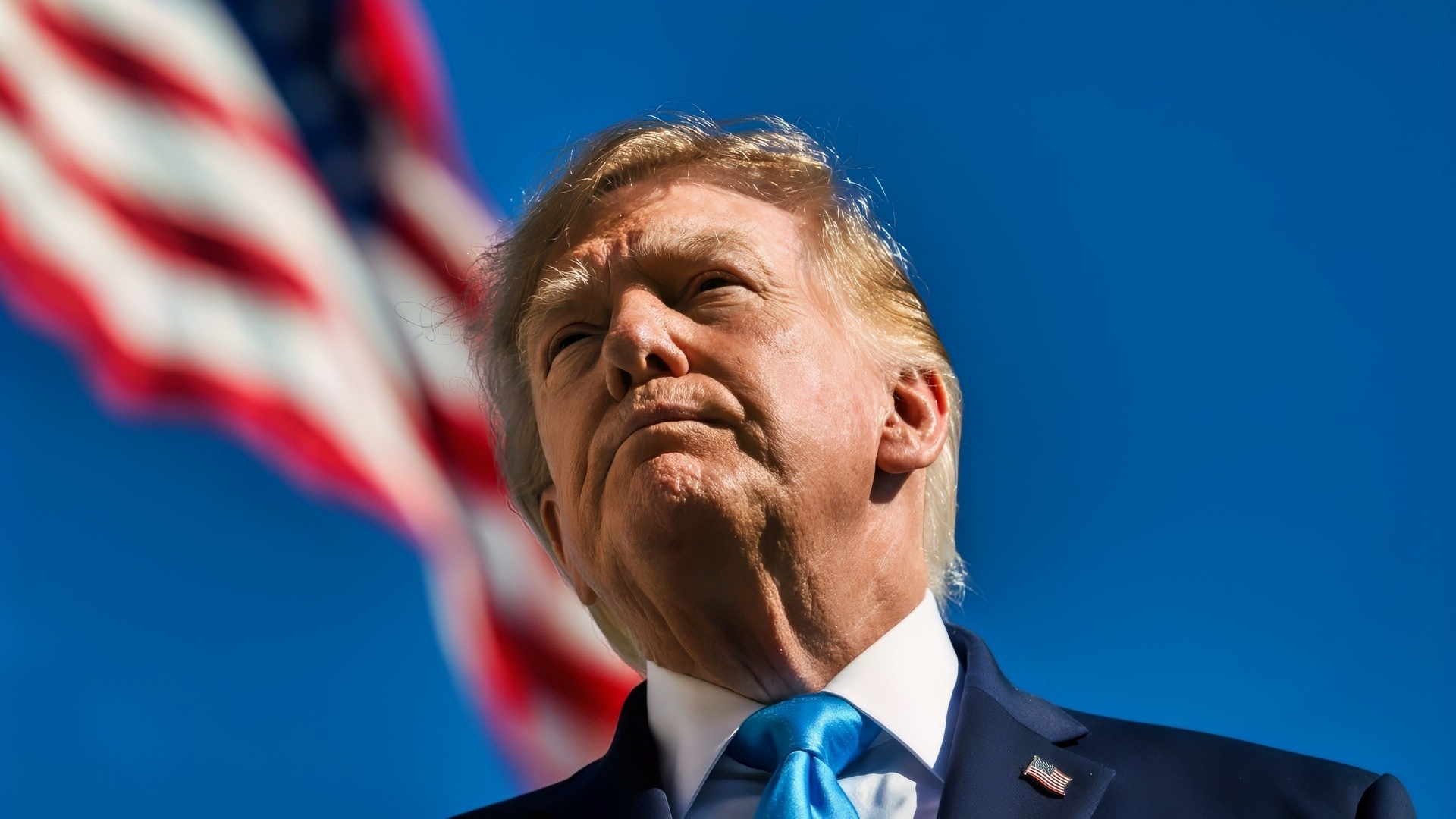
President Donald J. Trump boards Marine One on the South Lawn of the White House, Monday, October 5, 2026, en route Joint Base Andrews for a trip to Nebraska. (Official White House Photo by Daniel Torok)
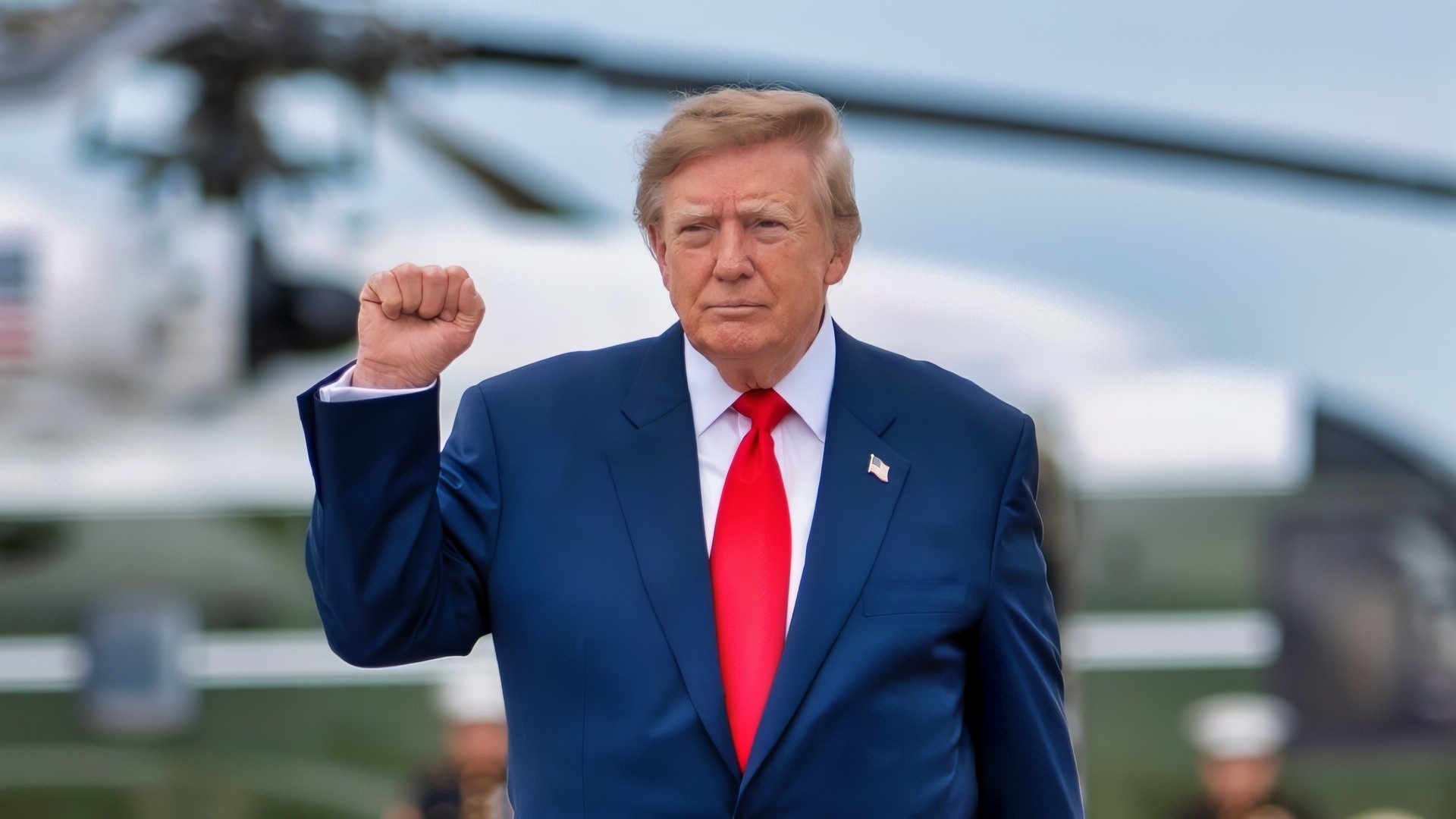
President Donald J. Trump disembarks Marine One at Joint Base Andrews, Maryland on Saturday, October 10, 2026, and boards Air Force One en route Campbell Army Airfield in Fort Campbell, Kentucky. (Official White House Photo by Molly Riley)
An October 28 TIME report describes how legal organizations and election officials are preparing for federal intervention before, during, and after the elections. The Trump administration, however, maintains that any planned moves are intended to protect election integrity.
Election Officials Are Preparing
Election officials in Minnesota, Virginia, and other states are preparing for the possibility that federal agents could be deployed to polling stations during the midterm elections.
On October 20, the Arlington County Board in Virginia filed a federal lawsuit that seeks to prevent Immigration and Customs Enforcement (ICE) and FBI agents from being present at polling places. Arlington County Board Chair Matt de Ferranti said the county is also taking legal action after Homeland Security Secretary Markwayne Mullin and FBI Director Kash Patel said armed federal agents may be stationed at some election sites.
“Threatening to send armed agents to polling stations is unlawful and contravenes the bedrock values of free and fair elections we hold dear in this country,” a statement from Arlington County Board Chair Matt de Ferranti reads.
“These statements are a clear attempt to stoke fear and undermine confidence in our elections.”
He added that the Arlington County Board will do everything it can to protect voters and their right to vote, although the Trump administration has not implemented, nor does it plan to implement, measures to prevent legal voters from casting their ballots.
The Department of Homeland Security responded by noting that ICE was not planning any operations targeting polling locations.
Minnesota and Beyond
Meanwhile, Minnesota Secretary of State Steve Simon told Reuters on October 21 that his office is preparing to monitor any federal Justice Department personnel who may be deployed during the midterms.
This follows the deployment of about 40 state employees during Minnesota’s August primary elections to observe federal monitors operating in Hennepin and Ramsey counties.
Simon acknowledged that the personnel were there and had complied with the rules during the primary; however, his office expects to continue coordinating with the state attorney general’s office to oversee any federal monitors in November.
NPR also reported on October 21 that the Justice Department had begun notifying counties in Colorado, Florida, Minnesota, Texas, and Washington of its plans to deploy election monitors during the midterm vote.
The department plans to send about 1,000 federal personnel to voting sites nationwide, compared with the 300 sent during the last midterm elections.
Challenging the Alaska Senate Race
The Trump administration has also taken legal action in Alaska, with the Justice Department seeking to prevent certification of the state’s Senate election if Democrat Mary Peltola defeats Republican incumbent Dan Sullivan by a small margin. The lawsuit, filed on October 22, claims that another candidate named “Daniel J. Sullivan Jr.” may confuse voters and affect the final results. The department seeks to delay certification if the other Sullivan’s vote total exceeds the margin of defeat for the incumbent.
Attorney General Todd Blanche defended the lawsuit on October 25, saying the department was simply putting “guardrails” in place to protect the integrity of the election.
On October 27, Alaska’s Department of Law asked a federal judge to dismiss the case entirely, arguing it had no legal basis.
Federal Gov Challenges Ballot Counting in Washington and California
The Justice Department is also pursuing a separate effort to prevent potentially ineligible voters from having their ballots counted in California and Washington races. Federal prosecutors asked Washington’s Secretary of State, Steve Hobbs, on October 26 to withhold ballots from over 400 registered voters suspected of not being citizens. The department said it would take emergency legal action if the states refused to comply.
Hobbs questioned the timing of the request but said his office would follow all established procedures.
On October 27 in California, U.S. District Judge David Carter heard arguments relating to a Justice Department request to separate ballots from as many as 20,000 voters whose citizenship is in question. An October 27 Associated Press report said Carter is considering appointing a third-party expert to review evidence the federal government presented.
About the Author: Jack Buckby
Jack Buckby is a British researcher and analyst specializing in defense and national security, based in New York. His work focuses on military capability, procurement, and strategic competition, and he produces and edits analysis for policy and defense audiences. He brings extensive editorial experience, with a career output spanning over 1,000 articles at National Security Journal, and has previously authored books and papers on extremism and deradicalization.


