
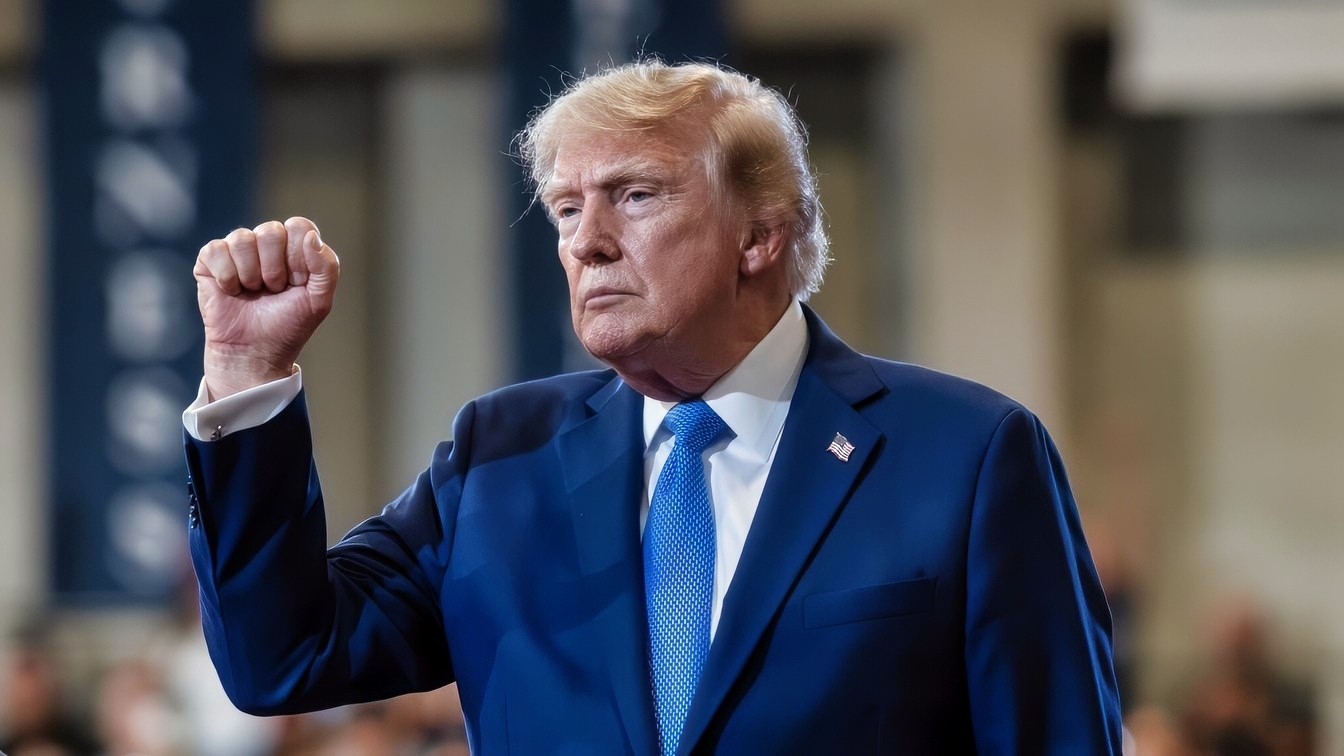
President Donald Trump is on a late campaign blitz to limit the Republican losses forecast for next week’s midterm elections.
The Democratic Party has led the polls for much of the campaign, and almost all pollsters expect a strong showing next week.
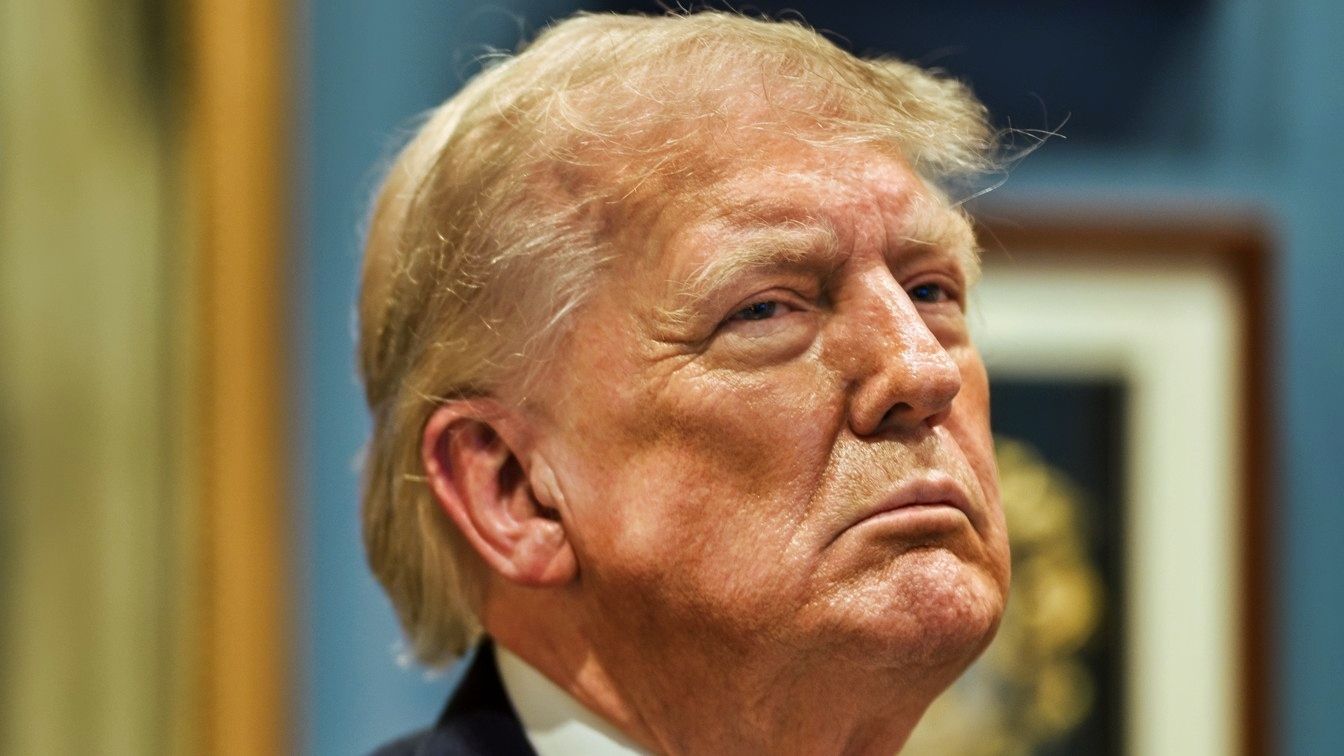
President Donald J. Trump watches the liftoff of Artemis II in the Outer Oval Office, Wednesday, April 1, 2026. (Official White House Photo by Daniel Torok)
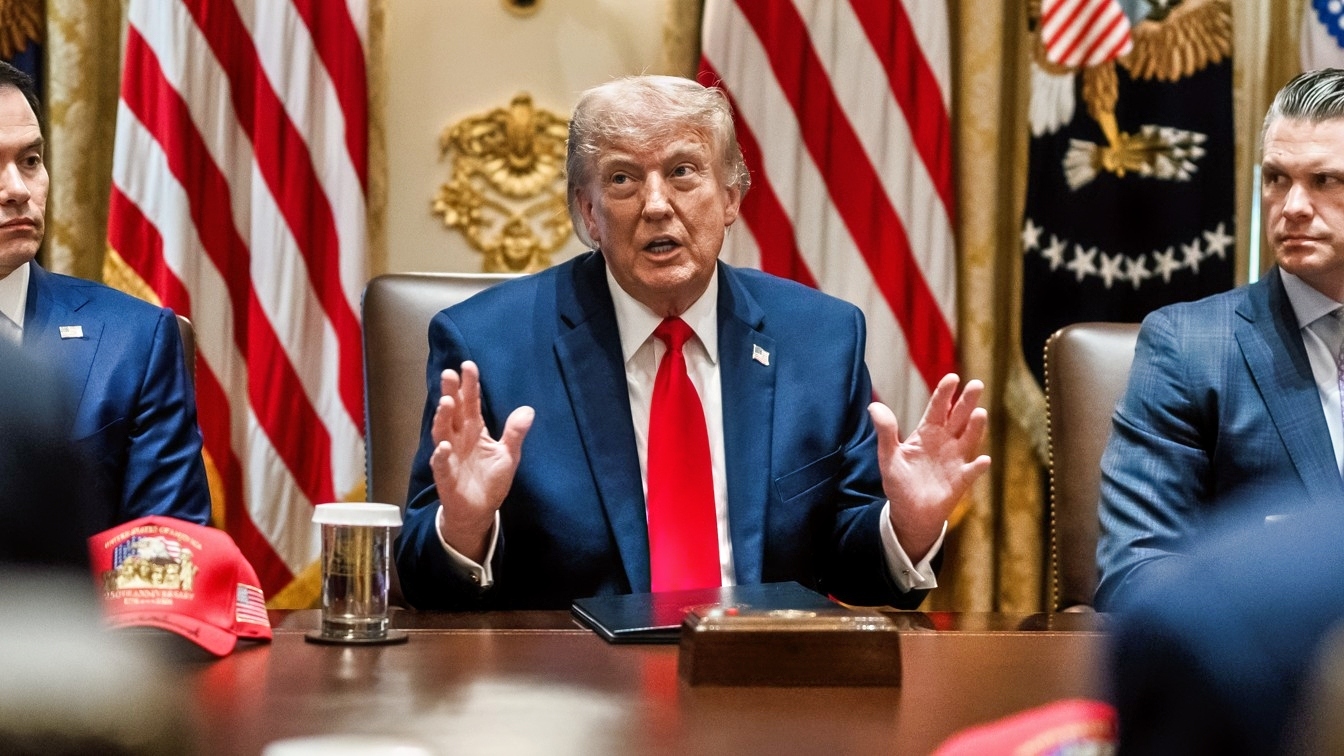
President Donald J. Trump holds a cabinet meeting in the Cabinet Room Wednesday, May 27, 2026. (Official White House Photo by Daniel Torok)
However, previous polls have underestimated the GOP in the Trumpian era of U.S. politics, and a Democratic wave is far from guaranteed.
Republican Defense
The campaign has been challenging for the GOP.
What were once guaranteed wins have become potential battlegrounds, with President Trump’s campaign schedule taking him to traditional Republican strongholds such as Mississippi—a state he won by 23 percentage points two years ago—to voice support for Sen. Cindy Hyde-Smith.
“You know, I’m here because Cindy’s doing great, but I [have] just got to make sure. I can’t take a chance,” Trump told supporters at a rally on Monday, October 26.
Trump also plans appearances in Texas, South Carolina, Iowa, and Kansas, where Republicans are defending Senate seats or trying to hold open ones.
It’s not just Trump who’s being sent to former Republican strongholds. Funds have also gone to back candidates once thought to be certain victors.
At a recent rally, Trump acknowledged that House Speaker Mike Johnson had asked for extra attention for Laurie Buckhout in North Carolina’s 1st District—a seat GOP lawmakers redrew to benefit the party.
$20 million has been pumped into the district that Trump would have won by 11 percentage points in 2024.
Democratic Prospects
With a week to go until the midterm elections, the Democrats are set to flip between 12 and 22 seats on November 3, according to the latest Cook polling.
They need just four to take control of the House.
Securing a Senate majority remains a much harder task for the Democrats.
Flipping four seats will give the Democrats control of the Senate, although the seats being defended were last contested in 2020, when Trump was voted out of the White House.
Several opportunities are being explored as potential gains.
In North Carolina, former Democratic Gov. Roy Cooper is running against Republican Michael Whatley for an open seat.
Former Democratic Sen. Sherrod Brown is seeking a return to the Senate in Ohio, where he faces Republican incumbent Jon Husted, while Democrats are seeking to oust Republican Dan Sullivan in Alaska.
Although the GOP faces challenges in traditional strongholds such as Texas, the party still has opportunities.
Prominent Iran war and tariff critic Mike Rogers remains within the polling margin of error behind Democrat Abdul El-Sayed, and a surprise GOP flip would require Democrats to flip five seats elsewhere.
The Key Issues
Affordability will decide around half of the country’s voters, according to a recent Reuters/Ipsos poll.
That’s a challenge for a GOP battling to hold on to its slim congressional majority, with a recent Washington Post/ABC News/Ipsos poll finding that almost half of the country feels financially worse off since Trump returned to office — the highest such figure of any comparable poll since 1986.
The economy, the Iran war, immigration, and artificial intelligence are other issues that will shape how millions of Americans cast their vote.
President Trump’s approval rating, itself an issue for the GOP, is polling at a net negative across all categories.
A Democratic Majority
An average of all congressional generic ballot polls has a healthy Democratic Party lead of nine percentage points.
Republican support among likely voters has ticked up in the past few weeks, but so has Democratic support.
As of Tuesday, October 27, 51% of voters, on average, say they will vote Democratic next week.
Any circumstance other than the Republican Party retaining its majority across both chambers is likely to disrupt Trump’s agenda for his last two years in office.
For example, legislation requiring congressional approval would be much harder to pass.
The last Democratic-led House under Trump resulted in two impeachments, and a president more willing to wield executive power is likely to face greater scrutiny from the opposition party during his final two years in the White House.
About the Author: Shay Bottomley
Shay Bottomley is a British journalist. He has written for the Western Standard, Business Insider, Maidenhead Advertiser, Slough Express, Windsor Express, Berkshire Live and Southend Echo.