


The YF-23 Stealth Fighter Was Almost Flown By Japan
The YF-22 versus the YF-23 stealth fighter jet fly-off was one for the ages. The airplane that would become the F-22 Raptor almost lost out to another model. The result in this competition has always spurred many defense wags to wonder if the YF-23 should have been picked. It could have been used for technology demonstration, research, and development.
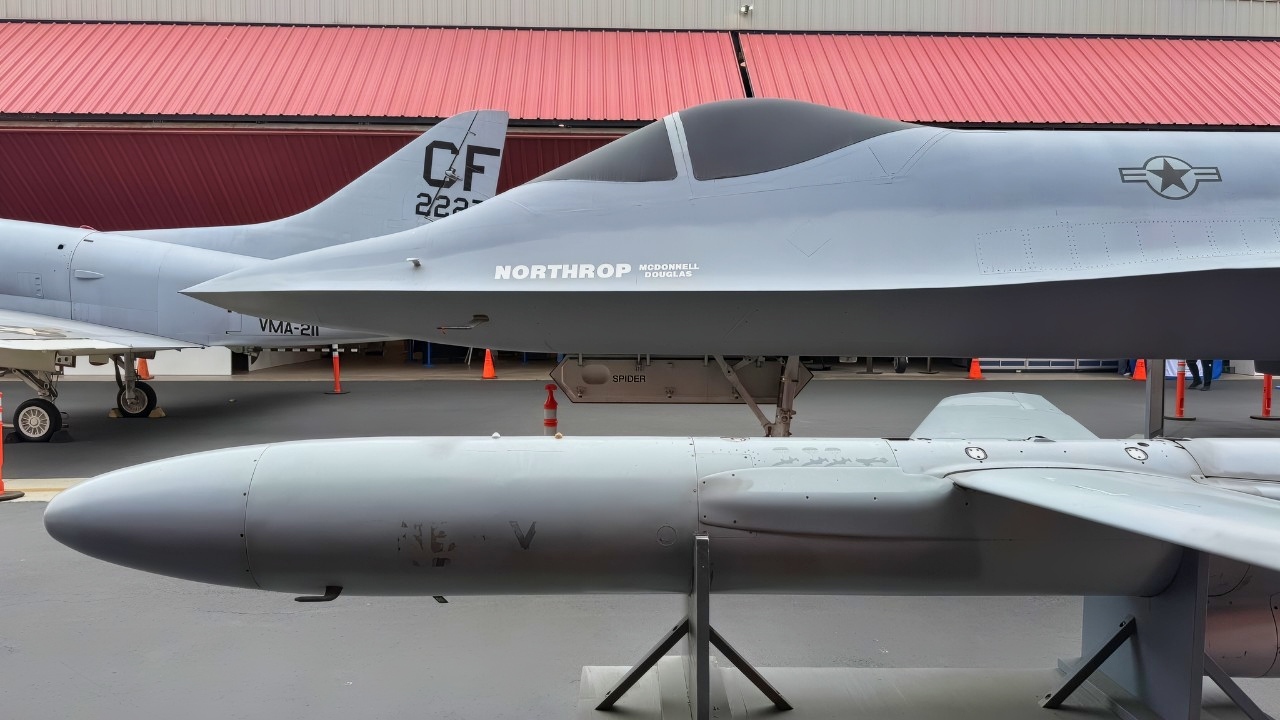
YF-23A Black Widow II Stealth Fighter in Torrance
The YF-23 was comprised of two Northrop and McDonnell Douglas prototypes – the Black Widow II and the Grey Ghost. They had great range, supercruise capability, and stealthiness, but the YF-22 proved its advantages in maneuvers and handled better than those two warbirds.
Japan Kicks the Tires on the YF-23
But the YF-23 almost had a valuable second life after the Advanced Tactical Fighter competition. The Japanese air force considered working with Northrop Grumman in 2018 to modernize the still-impressive stealth jet and bring the YF-23 to Japanese pilots.
Japan almost bit on the offer, but later balked because the platform’s original technology became obsolete.
The Japanese instead decided to work with Italy and the United Kingdom on a better sixth-generation fighter jet.
Japan Looked to the United States for Inspiration
Japan had its own F-X program to develop a fifth-generation stealth fighter for the Self-Defense Air Force. They looked for aerospace contractors and preferred placing their bets on an F-22/ F-35 hybrid design. The YF-23 was also an option.
The whole F-X project was going to be expensive, and it was not certain that Japan could build, fly, and maintain such a new jet with its existing aerospace industrial base.

YF-23 Back End. Image by Harry J. Kazianis/National Security Journal. Taken back in July 2025 at USAF Museum.
The Raptor Was Off the Export Market
What Japan really wanted was the F-22 Raptor. This was a no-go because Congress forbade its export due to the high level of stealth it wanted to maintain. Japan was in a conundrum, and it needed a solution fast. The air force decided to focus on the Mitsubishi F-2.
How About Partnering With the Europeans?
However, an international consortium came calling. The United Kingdom and Italy were working on the Global Combat Air Program (GCAP). This would be an entirely new sixth-generation fighter to replace the Eurofighter Typhoon. Japan was excited to be a member of this partnership. Why not share the research and development costs? The Japanese air force would be much better equipped, with a new airplane that could face down the Chinese if hostilities broke out in East Asia. There is usually historic tension between the two countries.
The New Fighter Is Tempting
The United Kingdom calls the new GCAP fighter the Tempest. This will be great for allies to fly. The airplane will be fully interoperable with ultra-stealth coatings and able to serve air forces for decades.
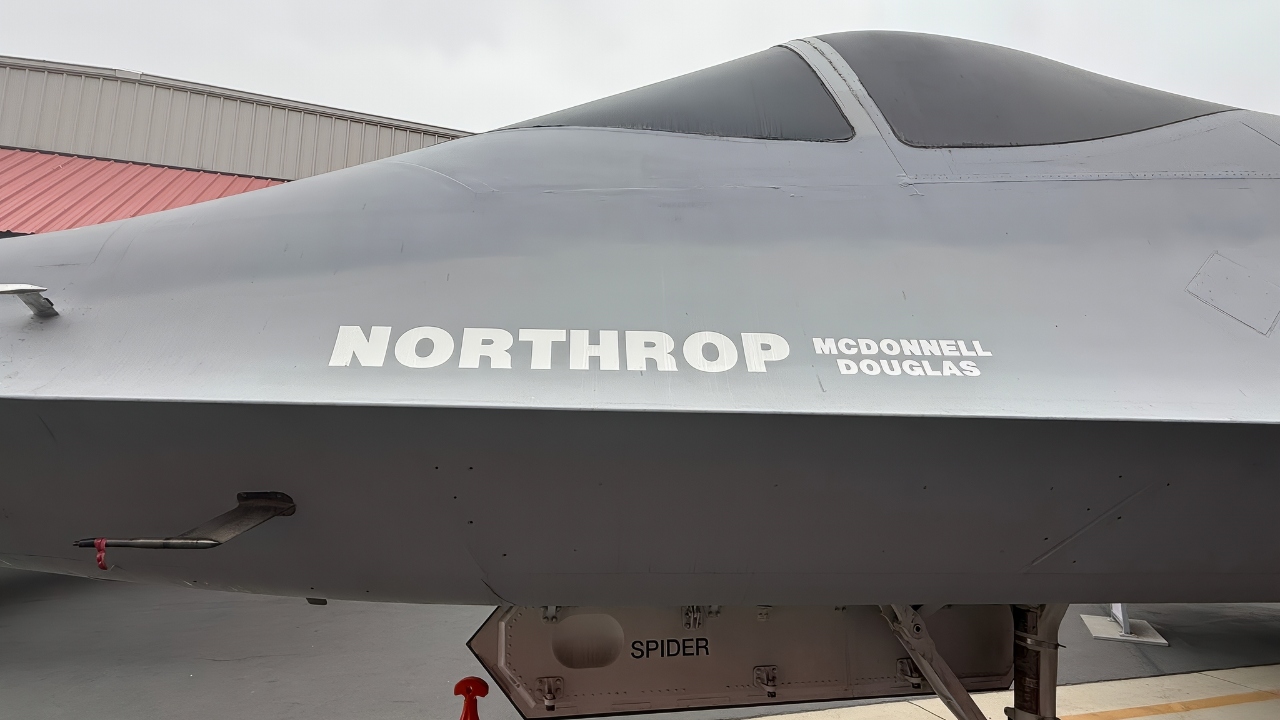
Sideview of YF-23A Black Widow II. Image Credit: Harry J. Kazianis/National Security Journal.
The artificial intelligence software in the cockpit will be some of the most advanced in the world. All sensors will be of the highest quality. The radar can process rapidly. There may even be manned-unmanned teaming with a “Loyal Wingman” drone. The best part is sharing the cost. If only one country were to build the Tempest, it would easily run over $40 billion. Sharing is caring, as they say, and more brain power will create a great airplane. A prototype should be flying in 2027 with active duty scheduled for 2035.
The Americans Were Going to Drag Their Feet
Now about that YF-23 purchase. Japan did not want to wait for the U.S. Congress to approve the sharing of the airplane’s design plans. This could have taken years, and lawmakers on Capitol Hill can be finicky about original rights to premier defense projects, even though Japan is an ally. We are talking mega-stealth technology, after all, and the Americans were reticent to share it.
It Would Still Need a Tech Glow-Up
And even though the YF-23 was a great airplane, it was originally designed in the 1990s. Time had crept up on the old fighter, and while the Japanese loved the shape and sleek lines, they knew that avionics, sensors, and radars would have to be upgraded. This would have required much more effort and time than they wanted to invest.

YF-23 Black Widow II Fighter Gray Ghost. Image Credit: National Security Journal.
Taking Advantage of Components Already Built
The Japanese also wanted the option to take some of the existing technology they had already developed and insert that in the guts of a new fighter. The YF-23 would have eventually allowed this, but the clock was ticking, and the Air Force needed a next-generation fighter quickly.
Japan finally opted to go a different direction, but the YF-23 still lives on in museums and in our imagination. The Asian country may have struck gold with the Tempest anyway. Decisions on defense can be second-guessed, though.
The Japanese had to make a tough decision and will now stick with it. They are in for a penny and in for a pound on the Tempest. Let’s see how this plays out if the new fighter can come in on time and under budget.

YF-23 Black Widow II Up Close National Security Journal Photo.
About the Author: Brent M. Eastwood
Author of now over 3,000 articles on defense issues, Brent M. Eastwood, PhD, is the author of Don’t Turn Your Back On the World: A Conservative Foreign Policy and Humans, Machines, and Data: Future Trends in Warfare, plus two other books. Brent was the founder and CEO of a tech firm that predicted world events using artificial intelligence. He served as a legislative fellow for U.S. Senator Tim Scott and advised the senator on defense and foreign policy issues. He has taught at American University, George Washington University, and George Mason University. Brent is a former U.S. Army Infantry officer. He can be followed on X @BMEastwood.


