
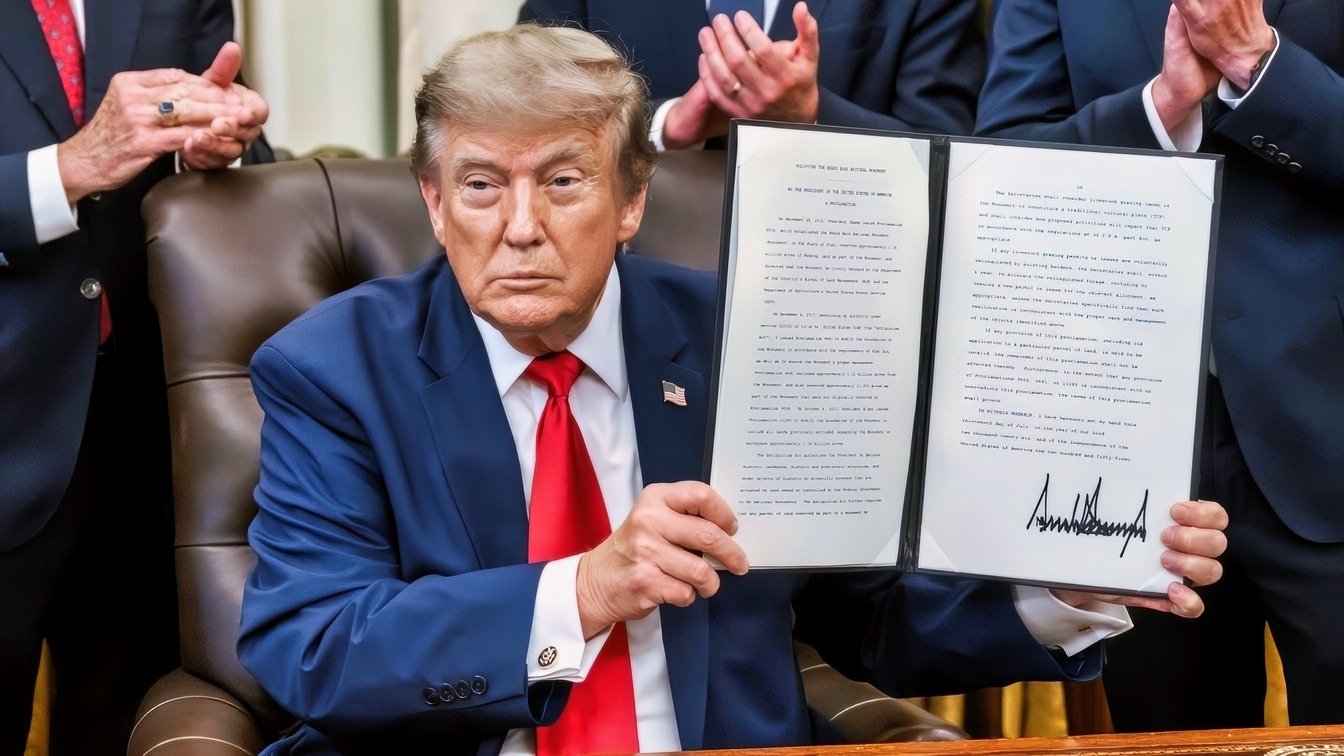
Republicans are on the verge of losing control of Congress in November, with new polling showing Democrats strengthening their national lead and even becoming competitive in states that, under normal circumstances, may not have been considered competitive.
The GOP currently controls both chambers, and neither is safe.

U.S. Secretary of Defense Pete Hegseth boards the Ticonderoga-class guided-missile cruiser, USS Chosin (CG 65), Panama, April 9, 2025. U.S. Southern Command and the Panamanian security forces collaborate to ensure and maintain regional stability during natural disasters, medical catastrophes or regional conflicts. (U.S. Marine Corps photo by Lance Cpl. Van Hoang)
Republicans hold 53 Senate seats, compared with 45 Democrats and two independents who caucus with them.
In the House of Representatives, the Republican majority is much slimmer, with 218 Republican representatives to 214 Democrats.
One independent and two vacancies remain.
On November 3, Americans will go to the polls to determine who occupies every House seat. 35 Senate seats are up for election; Republicans currently hold 22 and Democrats 13.
Republicans have a lot to defend and several reasons to worry.
The Polling Looks Bad
Republicans are aware of the dire state of the polls, with Americans telling surveys that they prefer Democrats overall.

Vice President JD Vance gives remarks at a Sports Council announcement, Thursday, July 31, 2025, in the Roosevelt Room of the White House. (White House Intern Photo by Julian Casciano)
A Reuters/Ipsos poll published this week shows Democrats leading Republicans by seven percentage points among registered voters, 44% to 37%, when respondents were asked which party they planned to support in the election.
President Donald Trump’s approval rating is also slipping, at just 32%, the lowest recorded during his second term.
Many other surveys also show Democrats leading.
A Cygnal poll published on October 7 gave Democrats a nine-point lead on the generic congressional ballot.
An Economist/YouGov survey also showed the Democrats with an 11-point lead. CBS also put the Democrats ahead by nine points.
That’s consistent polling, and the economy seems to be the driving factor.
Inflation is elevated, gasoline and diesel prices have surged to record highs, and mortgage rates have climbed as well.
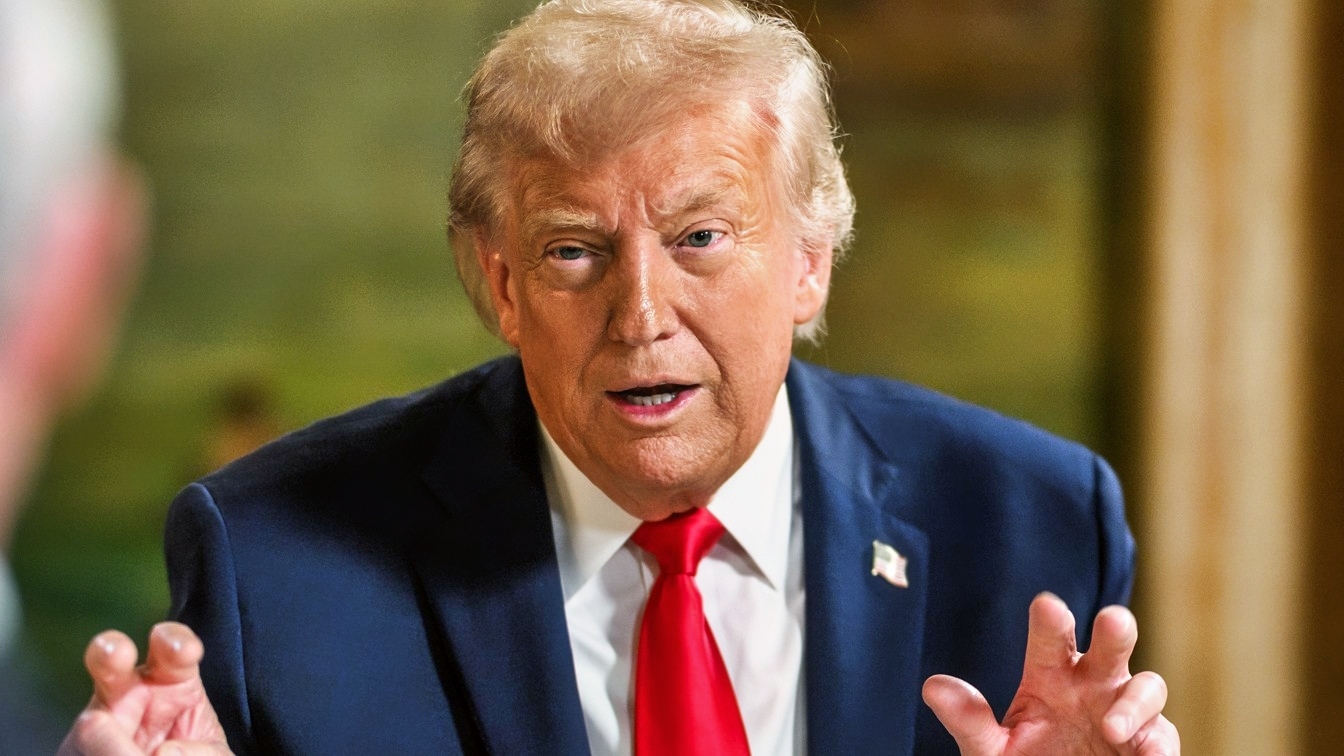
President Donald Trump hosts a bilateral meeting with Israeli Prime Minister Benjamin Netanyahu, Monday, December 29, 2025, at the Mar-a-Lago Club in Palm Beach, Florida. (Official White House Photo by Daniel Torok)
The average 30-year mortgage rate reached 7.49% last week — the highest level in almost three years.
Safe Republican Seats May Not Be Safe
Safe Republican seats may also be in play, with Cook Political Report moving the Kansas Senate race from “Lean Republican” to “Toss Up” on October 6.
North Carolina and New Hampshire were also pushed further toward the Democrats.
This latest assessment suggests the Democrats could gain between two and six Senate seats, and they need a net gain of four to take control.
Texas is becoming a serious problem, too.
Trump won Texas by roughly 14 points in 2024, but even with that lead, Republican Senate nominee Ken Paxton is now fighting a competitive race against Democrat James Talarico.
Trump is paying attention, too, paying a third visit to Texas on October 7 in a month to help Republicans shore up support for races that would normally require less of his attention.
Findings from a YouGov survey released on October 7 also show Republican candidates trailing in six of the seven Senate races surveyed, with Democrats now ahead in Texas, Kansas, Ohio, Michigan, and New Hampshire.
An independent candidate was also leading the Republican candidate in Nebraska.
Republicans Distance Themselves From Trump
Some Republicans appear to be distancing themselves from the president, aware that poor performance in the November elections could be driven by national politics and economic issues.
Reuters reported on October 7, after analyzing Republicans running in 62 of the country’s most competitive House and Senate races, that roughly two-thirds have taken steps to distance themselves from the president or his policies.
Some candidates have reportedly removed references to the president from their campaign materials, while others have very publicly broken with the president over the Iran war and other economic matters, including data centers. Some candidates have also refused to campaign alongside him.
The news is shocking, given that President Trump won the popular vote in the 2024 election.
South Carolina
Another sign of trouble came this week in South Carolina, where Republicans are spending $5 million to defend Senator Darline Graham’s seat amid pressure from Democratic challenger Annie Andrews.
Recent polling shows that the race is separated by only one point.
Trump is also preparing to campaign in the state, which he won comfortably in 2024, as Republicans scramble to prevent another normally safe Senate seat from becoming a battleground and potentially ceding ground to Democrats now and into the future.
Money Isn’t Fixing the Problem
Republicans are spending massive sums of money trying to prevent Democrats from winning control of Congress, but it doesn’t seem to be working.
According to an analysis by The Washington Post, Republican candidates and supportive groups have spent $500 million since Labor Day on key House and Senate contests, and little evidence suggests any of that spending has meaningfully improved the party’s position.
About the Author: Jack Buckby
Jack Buckby is a British researcher and analyst specializing in defense and national security, based in New York. His work focuses on military capability, procurement, and strategic competition, and he produces and edits analysis for policy and defense audiences. He brings extensive editorial experience, with a career output spanning over 1,000 articles at National Security Journal, and has previously authored books and papers on extremism and deradicalization.


