

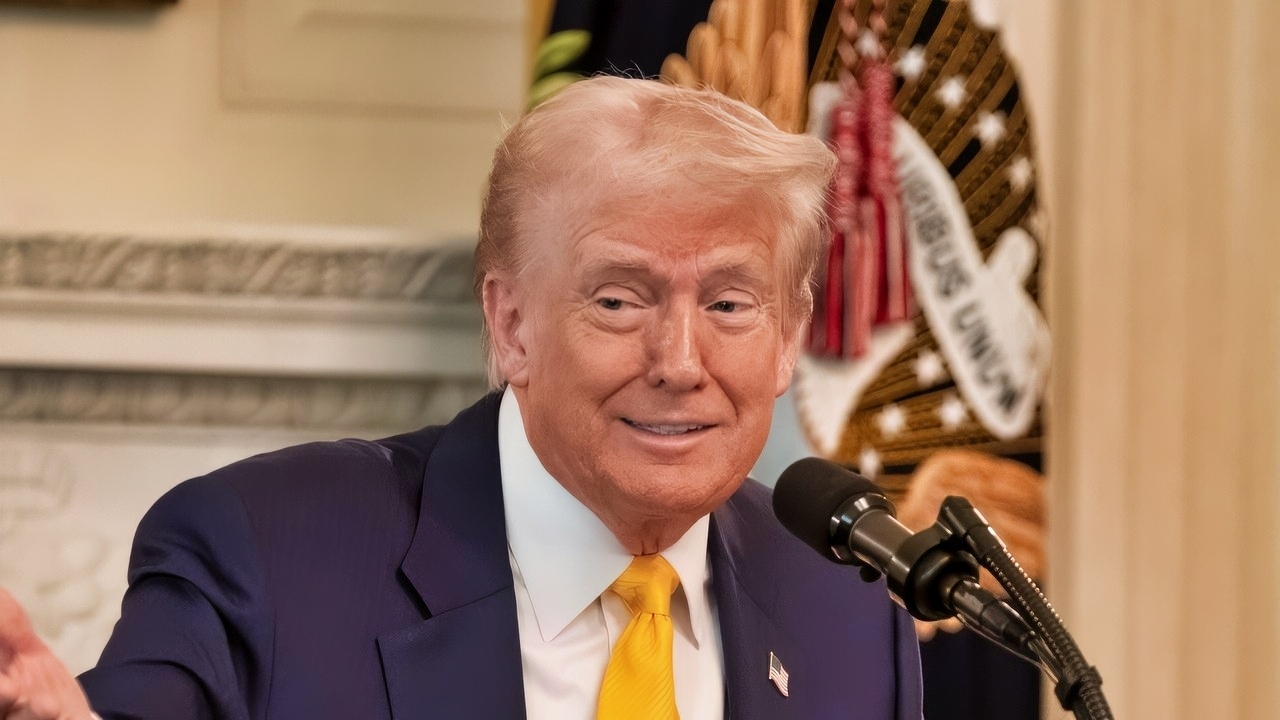
With one month remaining until the 2026 midterms, President Trump’s decision to execute Operation Epic Fury is starting to look politically foolish.
With the war in its eighth month, the global energy market still disrupted, and domestic gas prices still sky-high, voters are understandably disgruntled.
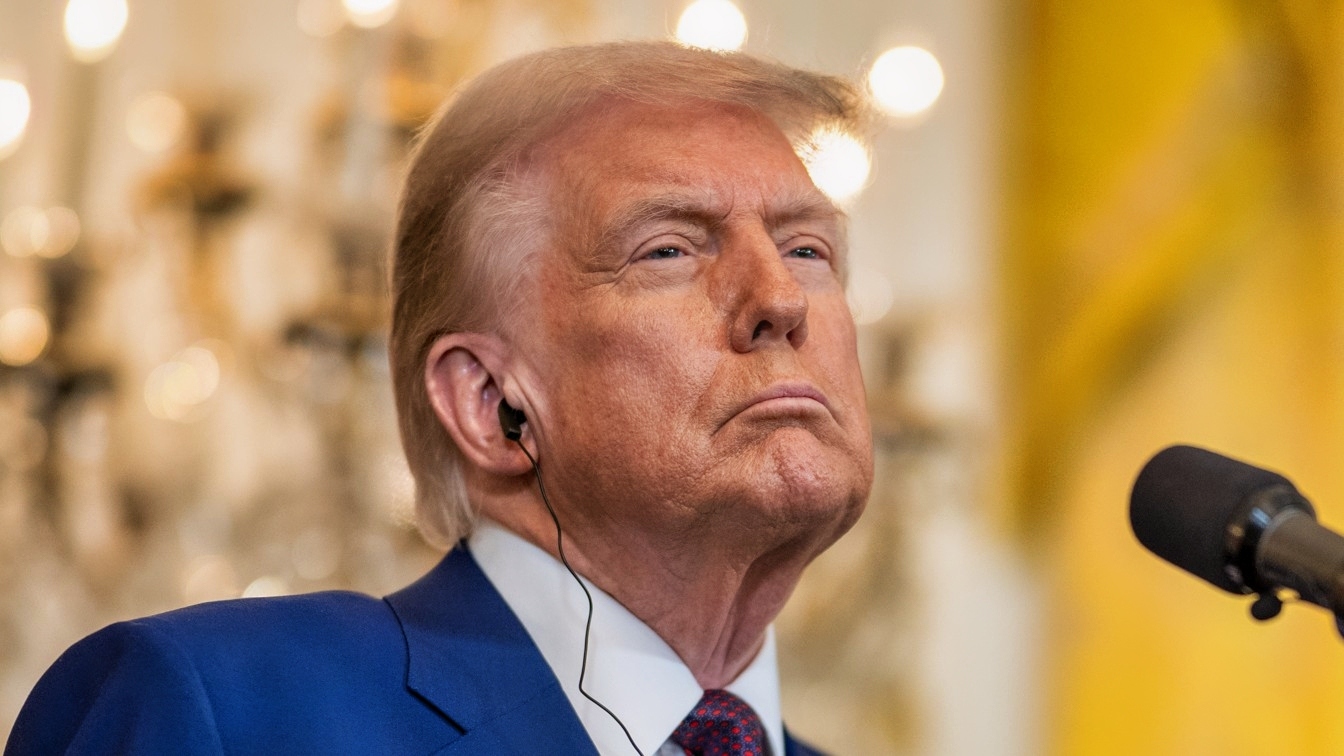
Donald Trump Back in 2025 White House Photo
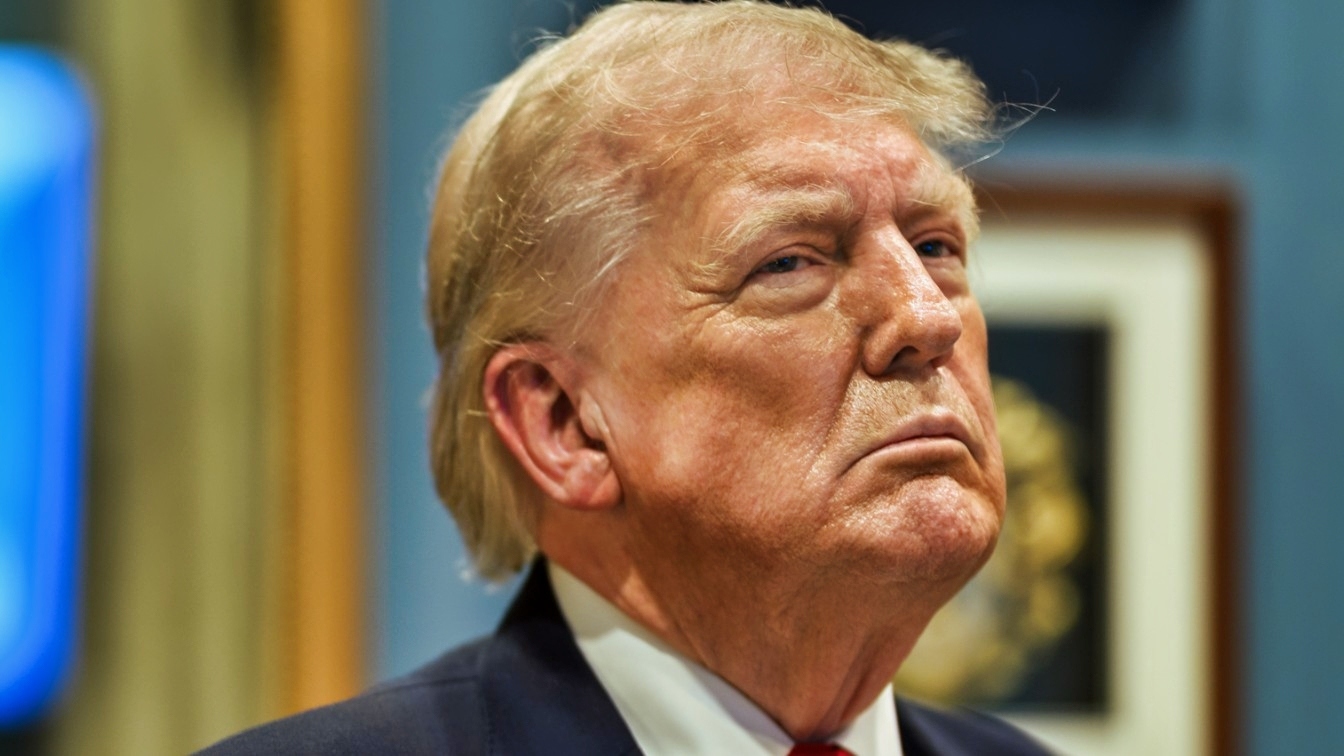
President Donald J. Trump watches the liftoff of Artemis II in the Outer Oval Office, Wednesday, April 1, 2026. (Official White House Photo by Daniel Torok)
Republicans are therefore staring at a difficult election.
Granted, the party of an incumbent president typically suffers during the midterms. But Epic Fury has likely worsened Republicans’ challenges.
Facing the Midterm
Even without Iran, Republicans were never guaranteed a good midterm election.
Historically, the president’s party usually loses House seats for reasons unrelated to the economy.
Opposition voters become energized, the president’s supporters become somewhat complacent, and there’s just a very American tendency to push back against those in power.
Trump himself experienced this in 2018 when Republicans lost control of the House despite strong economic growth, low unemployment, and no recession.
So it’s not accurate to say that without the war in Iran, the Republicans would be sitting pretty for the upcoming midterms.
Still, one question is worth exploring: how much worse did the war make an election that was always going to be difficult for Trump’s party?
Counterfactual Economy
If we run a political counterfactual—an alternative universe, a little thought experiment here—that probably starts with lower gas prices.
Because Iran borders the Strait of Hormuz, one of the world’s most important energy chokepoints, the war has created significant risks for global oil markets.
Crude prices are higher, and this filters down to consumers as higher prices for gasoline, diesel, transportation, manufacturing, and food.
Energy shocks can also complicate the inflation picture, which is currently dire.
Without the war, hypothetically, oil and gas prices would remain relatively low. Inflation could be moderating, and interest rates could start to fall.
That’s a fairly ideal political environment for an incumbent administration.
Under such circumstances, Trump could’ve argued that the inflation crisis had receded, that Americans were paying less to drive, and that mortgages and other borrowing costs were beginning to fall—and he could credit Republican economic policies with all of it.
Whether the Trump administration actually deserved credit for any of that is another story, but it would’ve been an easy sell for a midterm election.
Gas Prices…
Gas prices, though, are unavoidable.
Unlike GDP or core inflation, Americans encounter gasoline prices constantly.
We are a nation of drivers, constantly at the pump, where enormous digital signs display prices along nearly every major roadway.
Voters don’t need an economist to tell them that gas prices are high right now. No one wants to pay $5.50 per gallon.
This also shapes perceptions of the broader economy as everything is more expensive. Commuting to work costs more, shipping costs more, vacations cost more, and airfare costs more. All this tightens household budgets.
This is hazardous for any administration, but especially for Trump, because cheap energy has always been central to his economic message.
A war in a region that Trump promised to avoid—which happens to drive energy prices upwards (predictably)—undercuts one of Trump’s long-standing promises.
War Changes the Calculus
Midterms often become a referendum on the sitting president. An active war will give the opposition a clear, natural focal point.
The election probably won’t center primarily on taxes, immigration, crime, regulation, or economic performance.
Instead, voters will be asked to consider whether the war in Iran has made their lives easier or harder. That’s a difficult message to counter.
And even a voter who doesn’t care very much about Iran is probably going to care about gasoline and grocery prices.
Foreign wars lose much of their appeal when they start affecting the household budget.
And all of this interacts negatively with Trump’s longstanding marketing of himself as a skeptic of Middle Eastern intervention.
Trump rode to office on criticism of previous American leaders who wasted money abroad and entered unnecessary wars while neglecting domestic priorities.
Now Trump has done exactly that, and the midterm election will let voters register their feedback.
About the Author: Harrison Kass
Harrison Kass is a writer and attorney focused on national security, technology, and political culture. His work has appeared in Tablet, City Journal, The Hill, The Spectator, and The Cipher Brief. He holds a JD from the University of Oregon and a master’s in Global & Joint Program Studies from NYU—more at harrisonkass.com.


