
The Iran War has caused a shortfall in U.S. munitions and “bottlenecks” in supply chains, according to a new report by the Pentagon’s watchdog.
The report, released on Monday, 14th September, is the first released since the war began in February.

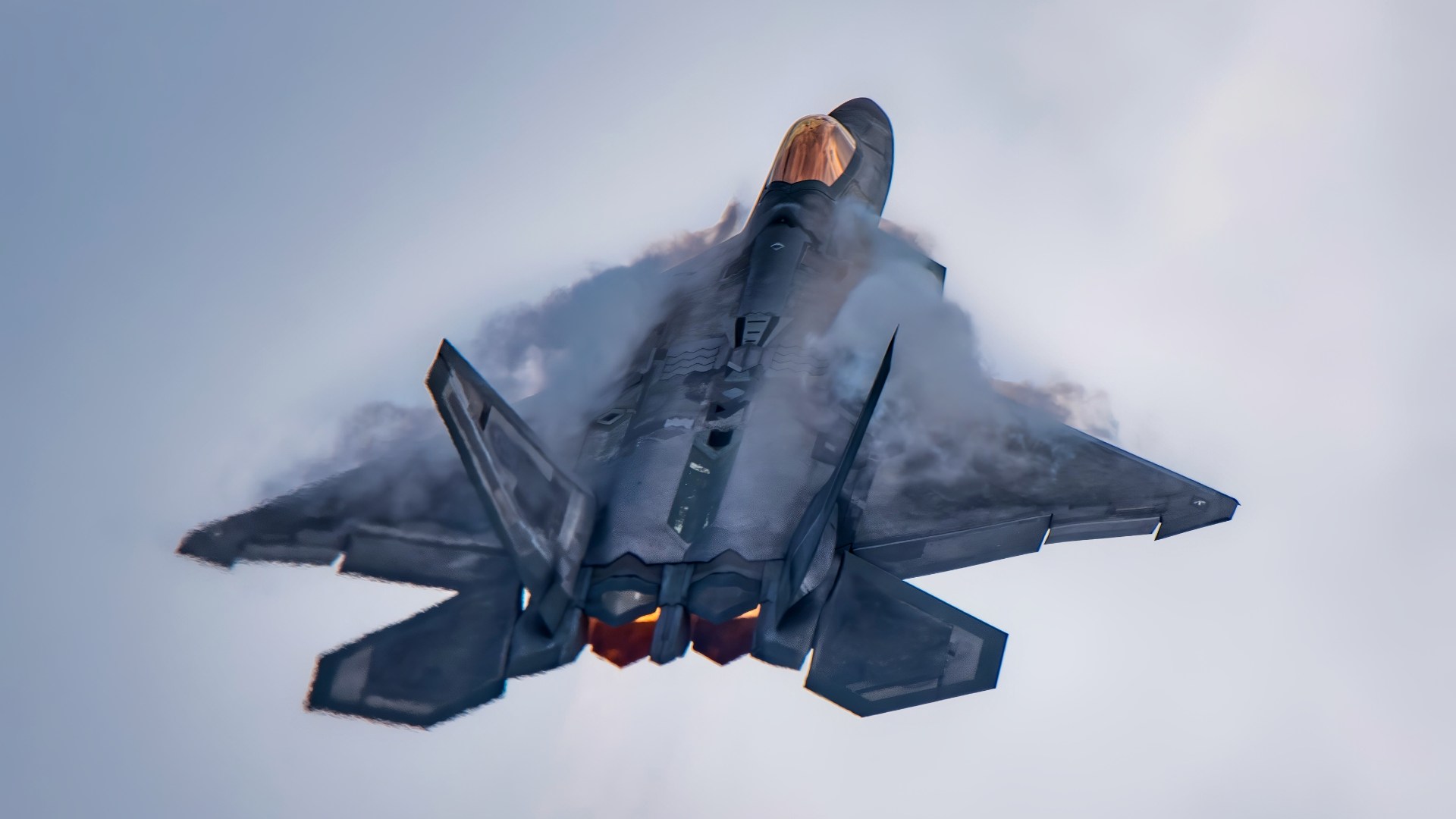
F/A-18 Hornets and an F-22 Raptor fly in formation during the HUGE 1 flyover practice over the National Mall as part of the America 250 celebration in Washington, D.C., July 3, 2026. The formation showcased current U.S. military airpower during the nation’s 250th anniversary celebration. The flyover highlighted the joint capabilities of America’s armed forces in recognition of Independence Day. (U.S. Air Force photo by Staff Sgt. Lauren Diaz)
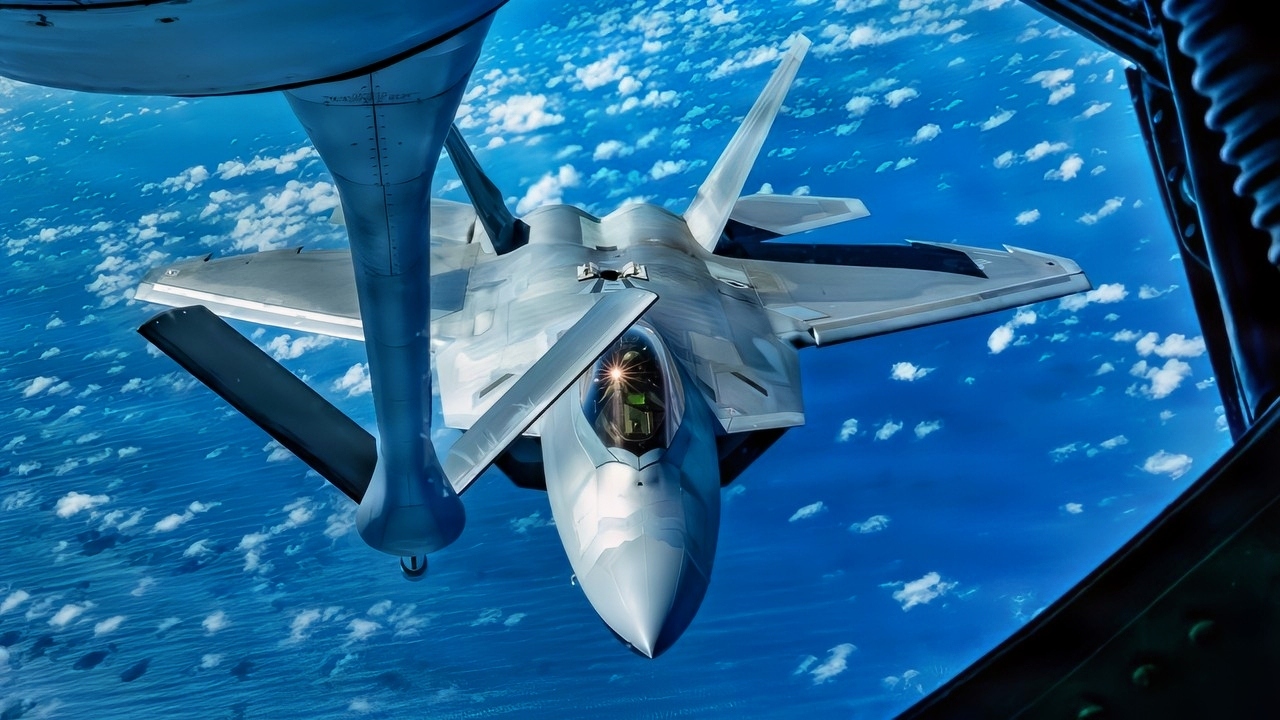
A U.S. Air Force F-22 Raptor assigned to the 27th Expeditionary Fighter Squadron, deployed to Kadena Air Base, Japan, approaches a KC-135 Stratotanker assigned to the 909th Air Refueling Squadron during a training flight over the Pacific Ocean, July 8, 2026. Aerial refueling capabilities extend airborne training time and combat radius, ensuring joint and allied aircraft are postured to maintain regional peace and stability within the Indo-Pacific. (U.S. Air Force photo by Staff Sgt. Erin Currie) 18 WG/PA
It covers the war’s initial period up to Tuesday, 30th June.
A Significant Moment
Although much of the report’s findings have been publicly released throughout the conflict, such as U.S. personnel losses and attacks on military bases, the report marks the first official account of the damage so far.
It outlines the conflict’s costs, totaling $33.4 billion up to the end of June.
The conflict with Iran “has resulted in strategic inventory shortfalls and revealed industrial base bottlenecks for munitions resupply” with regard to advanced weapons, according to the findings by the Pentagon’s inspector general.
The Associated Press has previously cited experts who estimated that it could take as long as three years to restock supplies of advanced missiles and defensive interceptors to pre-war levels – something U.S. President Donald Trump has repeatedly denied.
“I’ve just received a report that the United States is producing more exquisite and elite weapons than at any time in our history,” Trump wrote on Truth Social on Monday. “They are being delivered to our forces in the Middle East, and beyond.”
A Wider Breakdown
The 44-page report covers a range of key issues related to the Iran war and details the damage caused by Operation Epic Fury.
“The most persistent bottlenecks remain in the production of solid rocket motors, the availability of high-grade explosives and propellants, and the recruitment of skilled manufacturing labor,” the report notes, adding that the Defense Department was reallocating funding to “alleviate constraints and chokepoints as they arise.”
The total cost of the conflict up to June 29 was $33.4 billion, of which $22.3 billion was replacement cost for expanded munitions.
Another $3.7 billion was for equipment losses, with £7.4 billion in additional operating costs. Crucially, the $33.4 billion does not include the cost of repairing damaged U.S. military infrastructure.
On that point, the report says Iranian attacks damaged or destroyed hundreds of buildings and structures at American bases across the Middle East.
It also notes the losses in aircraft, with as many as 30 MQ-9 Reapers – a remotely piloted aircraft used for precision strikes – destroyed during the conflict.
Logistical Nightmares
Iran’s attack on American military bases prompted the armed forces to reorganize its logistics network.
“Prior to Operation Epic Fury, Bahrain had been U.S. Navy Central’s main logistics hub to sustain operations in the Persian Gulf region,” the report said. “During major combat operations, Iran targeted Bahrain with OWUAS [one-way unmanned aircraft systems] and ballistic missile strikes. CENTCOM stated that it initially shifted naval sustainment resources from Bahrain to alternate hubs.”
These alternate locations included Diego Garcia in the Indian Ocean – some 2,500 miles from the Iranian coast.
Redistribution affected other theatres including the Pacific, where at least six warships were relocated to the Middle East, including the Abraham Lincoln carrier strike group.
An Enormous Campaign
The scale of Operation Epic Fury is best illustrated by the data provided by CENTCOM.
Approximately 36,000 combat sorties and more than 1,800 fire missions were conducted through the end of June, with the U.S. Transportation Command flying more than 1,500 air missions.
There’s also further detail on the attacks from Iran, with Tehran launching more than 6,000 attack drones and more than 1,500 ballistic missiles towards U.S. and allied forces.
Although the report doesn’t provide a breakdown, the sheer scale of the defense effort points to an ongoing worldwide shortage of Patriot air defense systems, along with other interceptor shortfalls.
The human cost is outlined, with 11 U.S. personnel killed in action and another seven wounded in non-hostile incidents. A total of 417 were wounded in action during the first four months of the war.
Embassies were also targeted by Iran, with $184 million in costs from damage to American diplomatic facilities.
The vast majority of this damage occurred in Iraq, with the State Department reporting more than 600 attacks on U.S. facilities in Iraq alone during the reporting period.
Approximately 3,500 diplomats were displaced during the reporting period, with around 9,000 Americans evacuated from the region from February to the end of June.
About the Author: Shay Bottomley
Shay Bottomley is a British journalist. He has written for the Western Standard, Business Insider, Maidenhead Advertiser, Slough Express, Windsor Express, Berkshire Live and Southend Echo.