


WARSAW, POLAND – For a second night in a row, two of Moscow’s major airports – Vnukovo and Sheremetyevo – suspended their operations and canceled all flights.
These actions were taken in response to the threats to all commercial aviation presented by the rapidly increasing use of drones in Russia’s war against Ukraine.
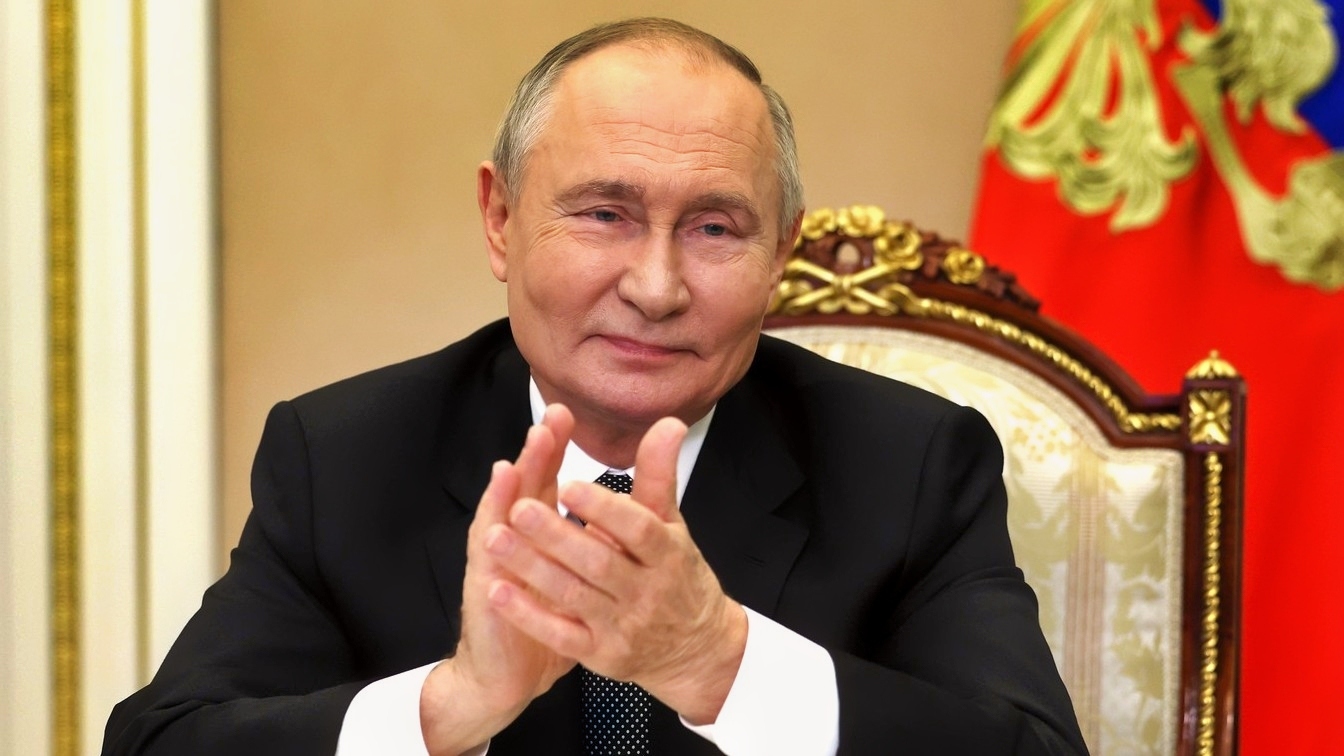
Putin Clapping Russia Federation Photo
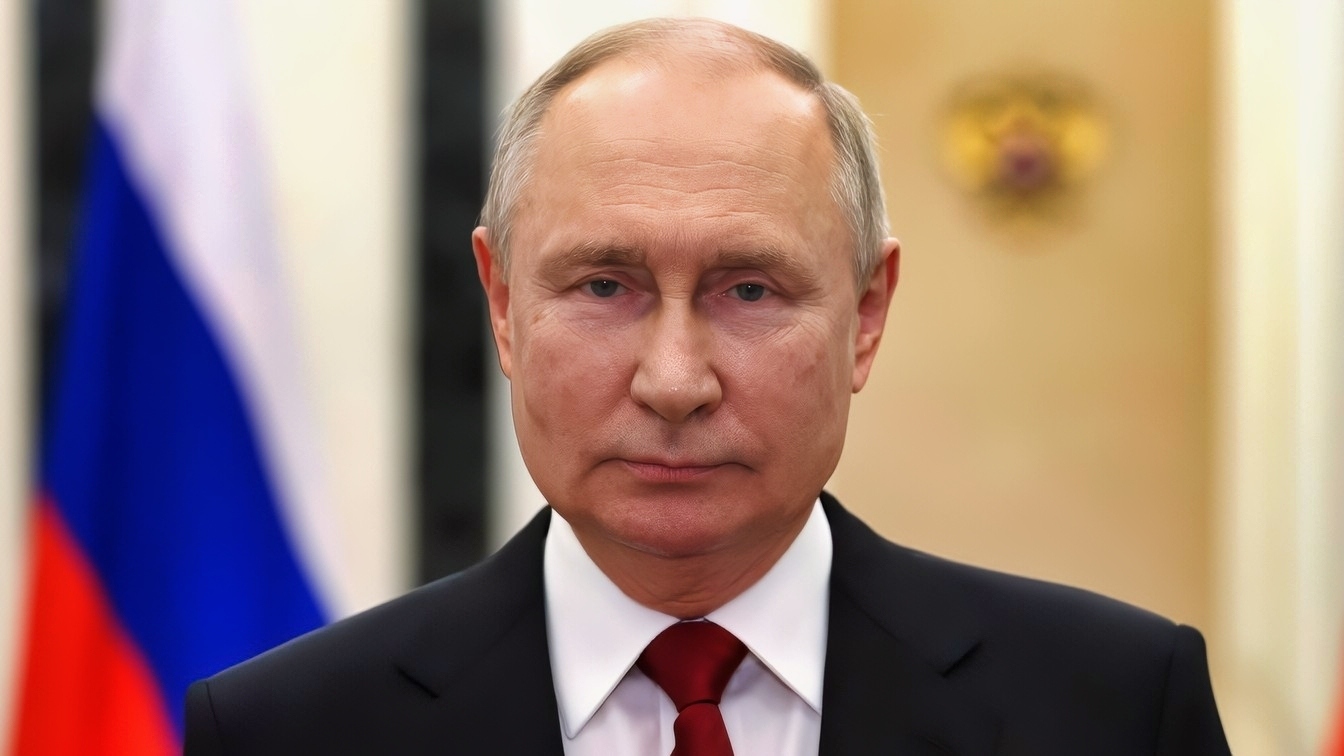
Putin on June 24 2023 Russian Federation Photo
These airports and the airlines they serve took these actions not long after Ukrainian President Volodymyr Zelenskiy’s 1 September warning to all air carriers and the insurers who cover them that Russia’s increasingly contested airspace poses a dire and escalating risk to all civilian aviation.
Russia’s federal aviation authority, Rosaviatsia, Russia’s rough equivalent to the US Federal Aviation Administration, again imposed temporary restrictions on all aircraft movements at these two major Moscow airports on 2 September.
“Temporary restrictions have been introduced on the arrival and departure of aircraft,” read the official Rosaviatsia statement. This disruption has occurred again after another night of massive delays across Moscow’s aviation network.
Three airports in the Russian capital temporarily shut down operations last night. The Flightradar24 tracking database showed 21 flights had been canceled and another 235 delayed at Sheremetyevo, while Vnukovo recorded 22 cancellations and 94 delays.
Zelenskiy’s Warning
The consecutive nights of shutdowns occurred after Zelenskiy’s 1 September warning that was specifically intended to force changes in their operations by all international airlines still flying over Russia and the aviation insurers that stand to have to pay for any of their losses – plus other companies such as air cargo firms that are still carrying shipments through Russian airspace.
Many of the world’s major airlines suspended flights over Russian territory long ago, but a few major carriers still fly routes through this airspace.
Ukraine’s President said that his armed forces now intend to intensify long-range drone operations against targets inside Russia.
These will be drone strikes that are largely a retaliatory response to Moscow’s continuing strikes against Ukrainian cities and civilian infrastructure. His warning is that this increase in drone operations over Russian territory should be factored into the plans for commercial air carriers should they continue their service to and from Russian airports and cargo terminals.
Ukraine’s Foreign Minister Andrii Sybiha said that his ministry and the other relevant institutions in Ukraine had formally notified the International Civil Aviation Organization (ICAO) that Russian airspace presents growing dangers to all civilian aviation.
Zelenskiy and others also emphasized that Ukraine’s armed forces do not target civilian aircraft in any manner.
Ukraine has also requested that the UN aviation body recommend strongly to its member states that they completely prohibit their civilian aircraft from operating in Russian airspace.
According to a letter from Ukrainian Infrastructure Minister Mykola Kalashnyk, cited by Reuters, Kyiv has advocated that these far stronger international measures be taken.
These are necessary steps that must be implemented to minimize any risk of a civilian aviation disaster as this military activity within Russian airspace intensifies.
Expanding and Escalating Danger
Aviation disasters caused by military operations are no stranger to Ukraine. On 17 July 2014, a 9M38 air defense missile fired by a Russian armed forces self-propelled Buk (SA-17) Transport Erector-Launcher and Radar (TELAR) shot down commercial flight MH 017, killing all 298 persons on board.
The Buk unit had been brought from Russia and positioned on a farm near Pervomaiskiy in eastern Ukraine.
The fire unit was controlled by pro-Russian separatists not properly trained, nor were they taking the normal precautionary measures of making contact with any local air defense radar networks.
After the downing of the Malaysian airliner, the same unit was later seen being transported back to Russia, but with one of the missiles normally mounted on the launcher assembly now missing.
The position of Ukrainian officials today is that the consequences of Russia’s war against their nation can no longer be confined to Ukrainian airspace. If Moscow continues launching missiles and drones against Ukrainian territory, Kyiv will expand its long-range operations against targets inside Russia to the point where the dangers of an accidental mishap can no longer be ignored.
Recently, Türkiye’s largest private airline, Pegasus Airlines, turned several Moscow-bound aircraft around mid-flight and canceled dozens of other services to Russia overnight on 2 September.
These actions were taken in direct response to drone-related disruptions at Russian airports, as well as the warnings from Ukrainian President Volodymyr Zelenskiy about the increasing dangers associated with operating inside Russian airspace.
About the Author: Reuben F. Johnson
Reuben F. Johnson has thirty-six years of experience analyzing and reporting on foreign weapons systems, defense technologies, and international arms export policy. Johnson is the Director of Research at the Casimir Pulaski Foundation. He is also a survivor of the Russian invasion of Ukraine in February 2022. He worked for years in the American defense industry as a foreign technology analyst and later as a consultant for the U.S. Department of Defense, the Departments of the Navy and Air Force, and the governments of the United Kingdom and Australia. In 2022-2023, he won two awards in a row for his defense reporting. He holds a bachelor’s degree from DePauw University and a master’s degree from Miami University in Ohio, specializing in Soviet and Russian studies. He lives in Warsaw.


