
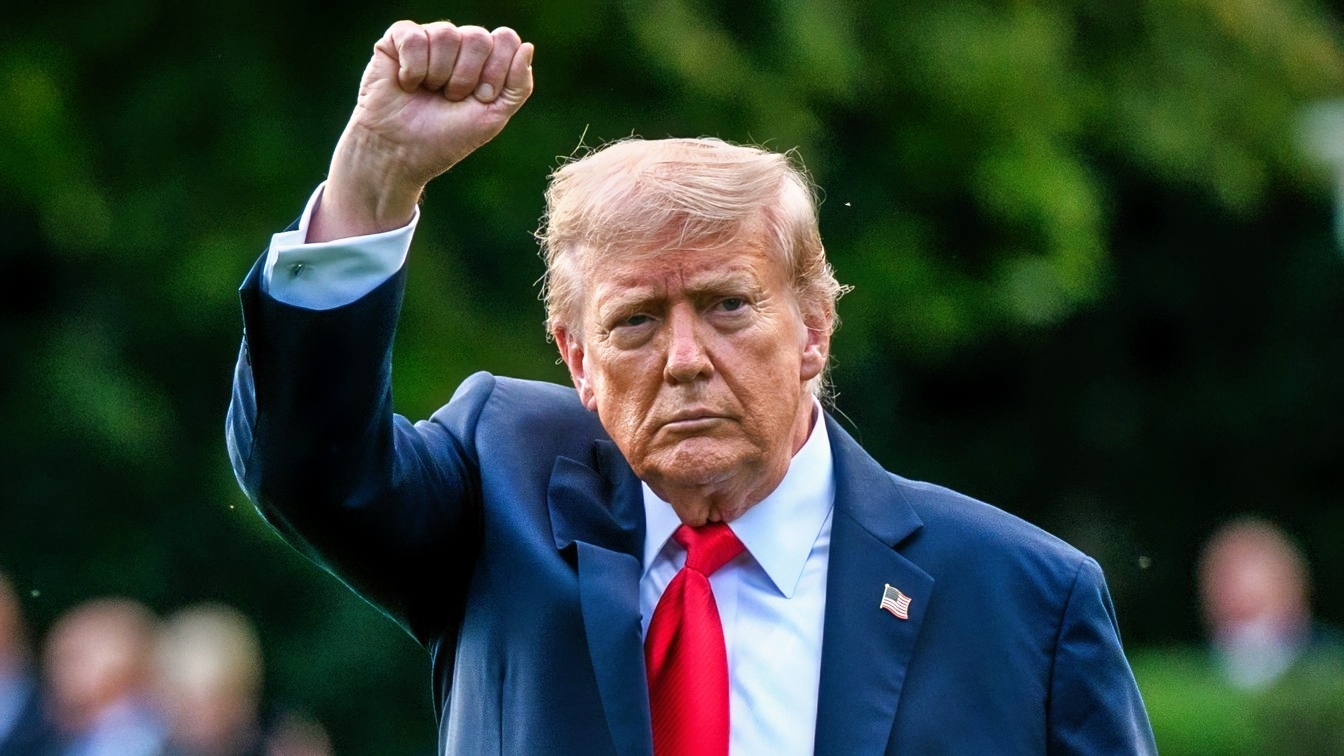
Denmark has reaffirmed its sovereignty over the semi-autonomous territory of Greenland after U.S. President Donald Trump claimed the island would soon begin major oil, gas, and mineral extraction.
Washington and Copenhagen signed a deal last month that ended a near two-year standoff over the island’s future, which Trump has repeatedly claimed is essential to U.S. security.
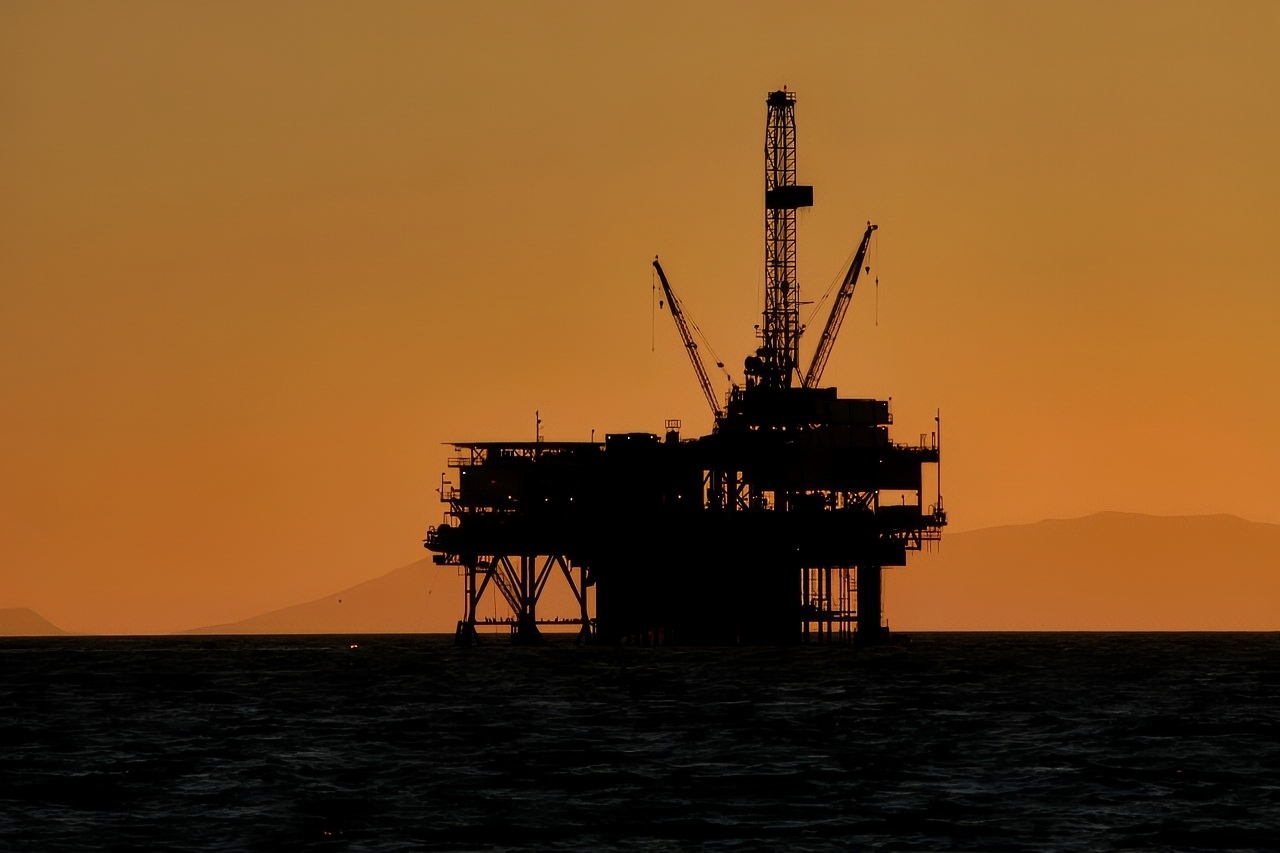
Oil Platform. Image Credit: Creative Commons.

Generic Oil Tanker Image. Image Credit: Creative Commons.
A Truth Social post last week sparked confusion from Greenlandic politicians, including the country’s deputy mining minister, Jorgen Hammeken-Holm, who acknowledged “activities by U.S. companies,” but told CNN that “we are very far away from ‘massive’ exploration.”
Trump’s Truth Post
On Wednesday, 14th October, President Trump said that a “massive oil, gas, and mineral exploration is getting ready to begin in our new and beautiful Greenland,” in a Truth Social post.
“There are experts that are saying that the amount of easily available oil is far greater than that of almost any land, anywhere in the world and, even more importantly, from a security purpose in the defense and offense of both the United States of America and Europe, is second to none,” he continued, adding that “any future attack on the United States will have to come across Greenland, where our defense will routinely knock down drones, missiles, or any other form of weapon not yet even conceived.”
No Preferential Treatment
The Danish Foreign Ministry has since reaffirmed that the deal signed between Denmark, Greenland and the U.S. “does not grant investors from the U.S. any preferential treatment” over those from NATO or European Union nations on accessing natural resources.
After months of threats by Trump to take the self-governing territory by force, the U.S. and Denmark agreed in mid-September to enhance U.S. defensive operations across Greenland.
While there is no explicit mention of oil or gas, the agreement, which is a slight amendment to a 1951 treaty between the U.S. and Denmark, acknowledges “minerals cooperation” and “cooperation on economic development and business promotion.”
As part of the deal, the U.S. is permitted to “modernize and expand” its activities at the Pituffik Space Base in the northwest of Greenland.
It also permits the development of two new military bases on the island, while acknowledging Danish sovereignty and Greenlanders’ right to self-determination.
Ban Debate
Greenland, which banned uranium mining and all future oil exploration in 2021, is reviewing whether Texas firm Greenland Energy can use permits that predate the ban to drill for oil.
In August, the company said it was seeking to drill at an untested basin on Greenland’s east coast.
Why Greenland’s Minerals Matter
Trump’s enthusiasm for exploration in Greenland is driven in part by the island’s potentially significant deposits of critical minerals, including rare earth elements that are increasingly important to the U.S. economy and national security.
Rare earths are used in technologies ranging from electric vehicles and wind turbines to advanced weapons, radar systems, and military aircraft.
Securing alternative sources has become a priority for Washington as it tries to reduce its dependence on China, which dominates much of the global rare-earth supply chain.
The Trump administration has previously shown interest in Greenlandic mining projects.
In 2025, U.S. officials discussed potentially taking a stake in Critical Metals Corp, which is developing the Tanbreez rare-earth project in southern Greenland.
However, having valuable deposits and successfully extracting them are very different issues, and extracting oil, gas, and rare earth minerals is harder in a country where sheets of ice may be one mile thick.
With four-fifths of Greenland covered by ice, building a new mine can therefore require not only excavation and processing facilities, but also roads, ports, power supplies, and worker accommodation.
The extreme climate also restricts construction and shipping during parts of the year.
Greenland’s location in the Arctic Circle means it has short, cool summers and long, cold winters, limiting development to only a few months each year. Any project also requires financing and approval from local authorities.
Alas, any major mining expansion would likely take years, not months.
Trump may see Greenland’s mineral wealth as a way to strengthen American access to critical resources and reduce reliance on China.
But his promise of “massive” exploration is far ahead of what the mining industry is doing on the ground.
About the Author: Shay Bottomley
Shay Bottomley is a British journalist. He has written for the Western Standard, Business Insider, Maidenhead Advertiser, Slough Express, Windsor Express, Berkshire Live and Southend Echo.