

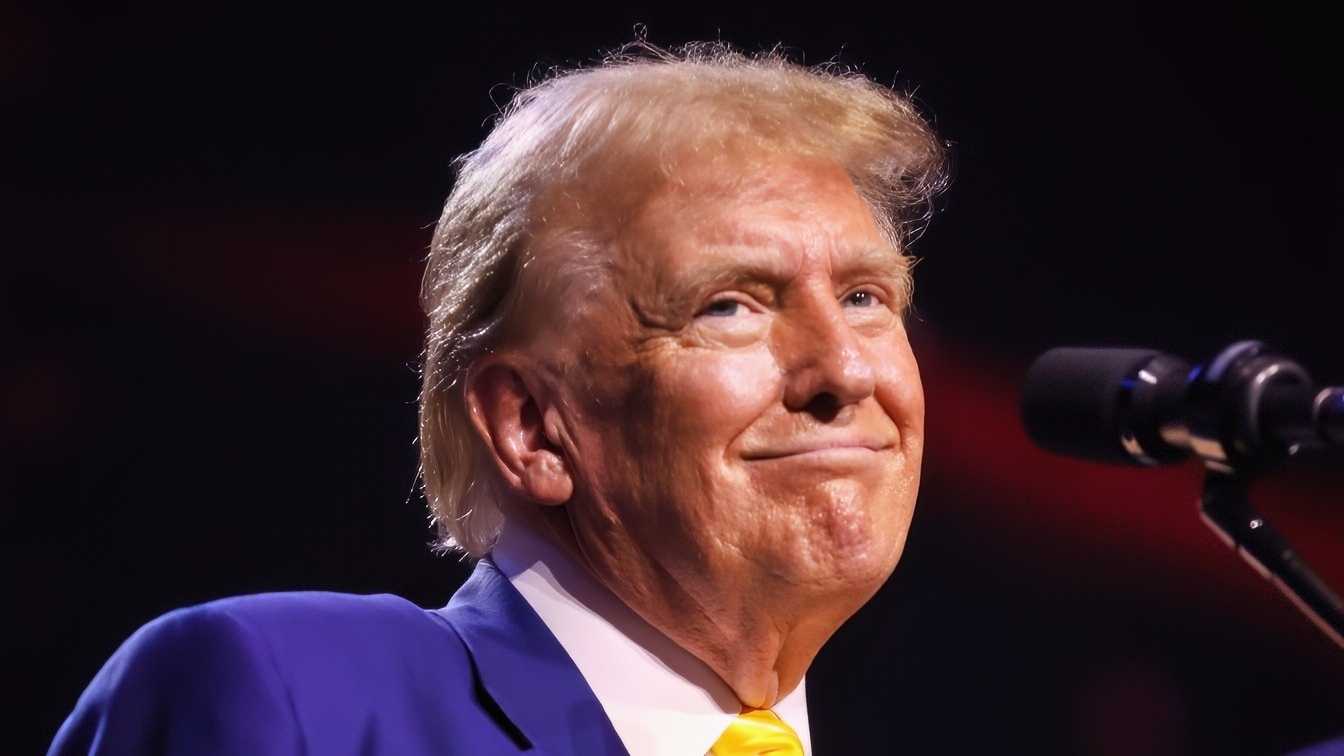
The state of Qatar has proposed a plan to reopen the Strait of Hormuz and put an end to President Donald Trump’s ongoing war with Iran — a plan, however, that the president is extremely unlikely to agree to.
Under Qatar’s plan, which was revealed by The Guardian newspaper, United Nations (UN) weapons inspectors would be allowed to visit Iran’s nuclear sites for inspection, but there would be no requirement for any stockpiles to be removed. Iran would also reopen the Strait of Hormuz to commercial tankers.
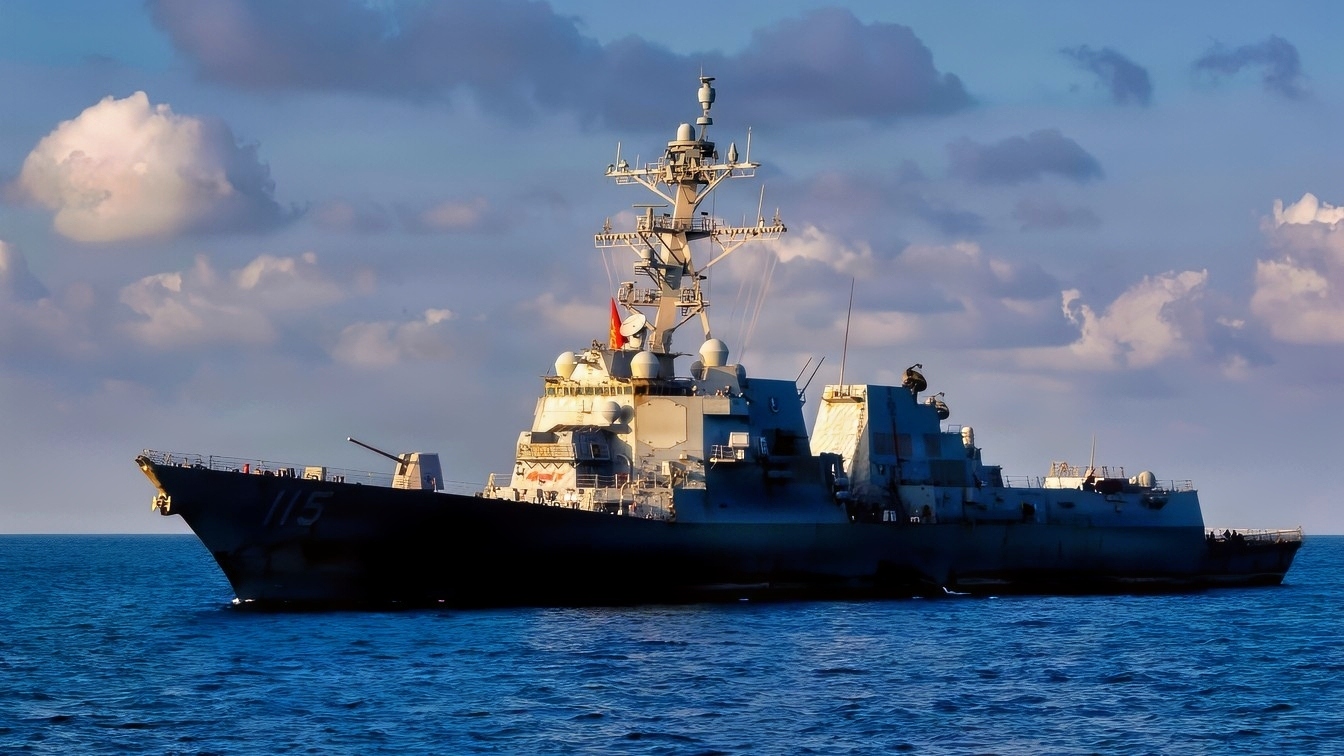
U.S. Sailors pilot a rigid-hull inflatable boat toward Arleigh Burke-class guided-missile destroyer USS Rafael Peralta (DDG 115), as seen from Arleigh Burke-class guided-missile destroyer USS Milius (DDG 69), Oct. 2, 2026. Milius and Rafael Peralta are deployed to the U.S. 5th Fleet area of operations to support maritime security and stability in the Middle East. (U.S. Navy photo)
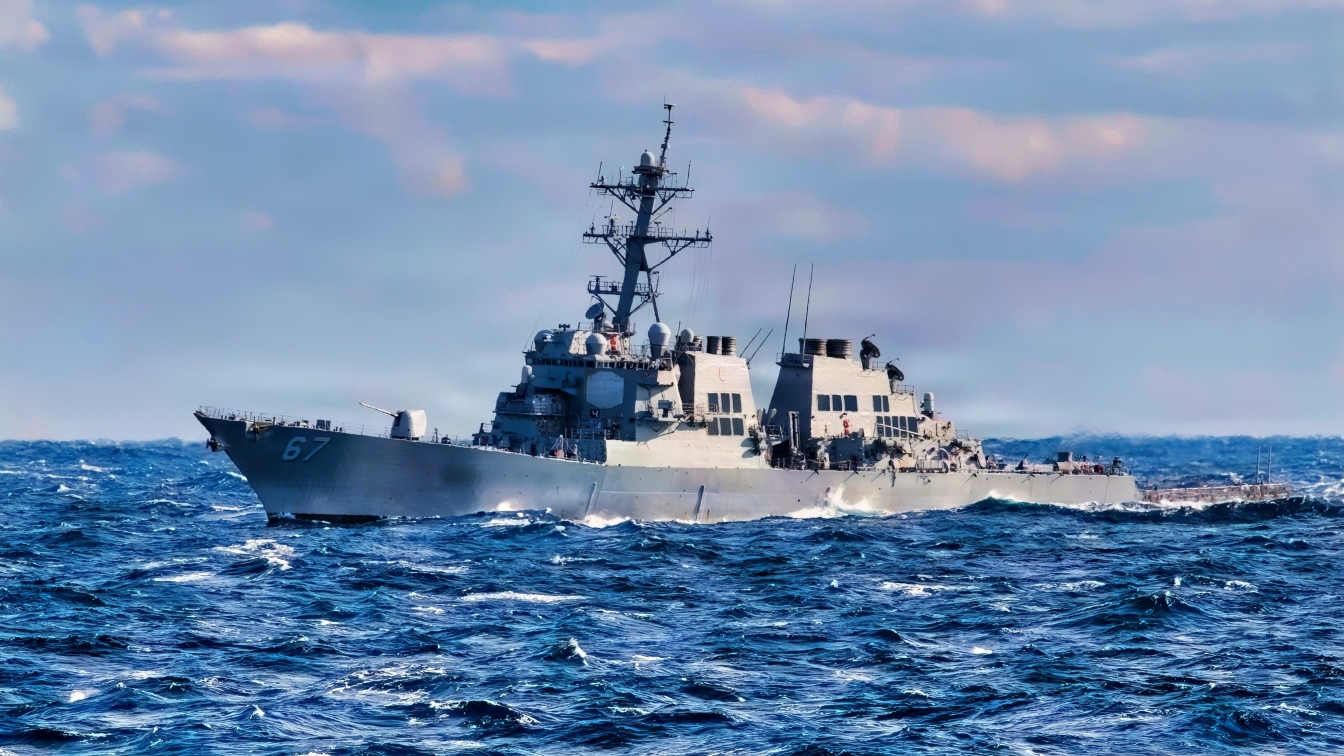
The Arleigh Burke-class guided-missile destroyer USS Cole (DDG 67) operates in the Mediterranean Sea Jan. 9, 2015. Cole, home-ported in Norfolk, is conducting naval operations in the U.S. 6th Fleet area of operations in support of U.S. national security interests in Europe. (U.S. Navy photo by Mass Communication Specialist 3rd Class Jonathan B. Trejo/Released) ( )
Meanwhile, the United States would lift its naval blockade of Iranian ports and release billions of dollars in frozen Iranian assets.
Trump is Unlikely to Say Yes to Such a Deal
The plan is unlikely to be agreed upon by President Trump, who has so far refused to give in to any of Iran’s demands, including an end to the naval blockade and the release of frozen assets.
Such a deal would also be very similar to former President Barack Obama’s Iran nuclear deal, which Trump panned at the time.
Trump formally put an end to Obama’s Iran nuclear deal during his first term in the White House in 2018.
Qatar Emir Tamim bin Hamad Al Thani reportedly spoke with Trump about the Qatari peace plan on Friday as the Trump administration’s war against Iran continues into its eighth month.
Iran has vowed to reopen the Strait of Hormuz within just two days should the U.S. agree to a peace deal.
400 Vessels Are Stuck in the Strait of Hormuz as Conflict Shows No Signs of Ending
According to the International Maritime Organization (IMO), around 400 vessels carrying around 5,000 seafarers are currently stuck in the Strait of Hormuz as a result of the ongoing war, which shows no sign of ending any time soon.
More than 120 attacks on vessels have taken place since the beginning of the war, with 30 of those recorded in October alone, while at least 24 seafarers have been killed.
IMO Secretary-General Arsenio Dominguez warned in an interview with Bloomberg this month that the strait was still unsafe to go through.
“There is no confirmation that the strait has been cleared of mines, so it is very difficult for me to come here and say it is clear of any hazards on top of the attacks from drones and missiles that we are experiencing on merchant ships,” he said, acknowledging that before Trump’s conflict, “there were no issues in the Strait of Hormuz.”
Marco Rubio Pours Cold Water on Iran Peace Deal
U.S. Secretary of State Marco Rubio poured cold water on the prospect of an Iran peace deal Sunday, telling reporters such an agreement was unlikely anytime soon.
“Right now, it hasn’t been very productive because the Iranian demands are simply not just acceptable,” he said.
However, during an interview with “60 Minutes,” Trump indicated that he had no plans to escalate the war — despite former Trump ally Tucker Carlson’s recent warning that the president was considering a nuclear strike on Iranian territory.
“I’m not looking to [escalate]. I don’t think there’s any reason to,” Trump said, despite arguing that his decision to go to war against Iran would “historically” be seen as “a very good decision.”
Trump’s War Has Been Incredibly Unpopular and Cost Republicans Congress
Trump’s war thus far has been incredibly unpopular, and the conflict played a big part in the Republican Party’s catastrophic defeat during the midterm elections this month.
“The real reason we lost is obvious to almost everyone,” wrote Vice President JD Vance in a lengthy post-mortem of the midterm elections. “The reason we lost is the war.”
He added, “If you’d like to argue it was worth it, that losing the Senate for the next 6 years was worth it, then do so. Argue it was a worthwhile cost to pay. Agree or disagree, that’s at least honest. But everyone knows why we lost. And any honest conversation about where we go from here must start there.”
Trump also acknowledged that the war played a big part in the Republican Party’s defeat, though he told reporters that he would do it all over again.
About the Author: Charlie Nash
Charlie Nash is a journalist and author whose work has appeared in The Spectator, Mediaite, New Statesman, and the American Conservative, among other major publications. His reporting has been featured by The Washington Post, Fox News, the Daily Beast, MS NOW, NewsNation, Hannity, and more. You can follow Charlie on X at @CharlieNash and on LinkedIn.


