
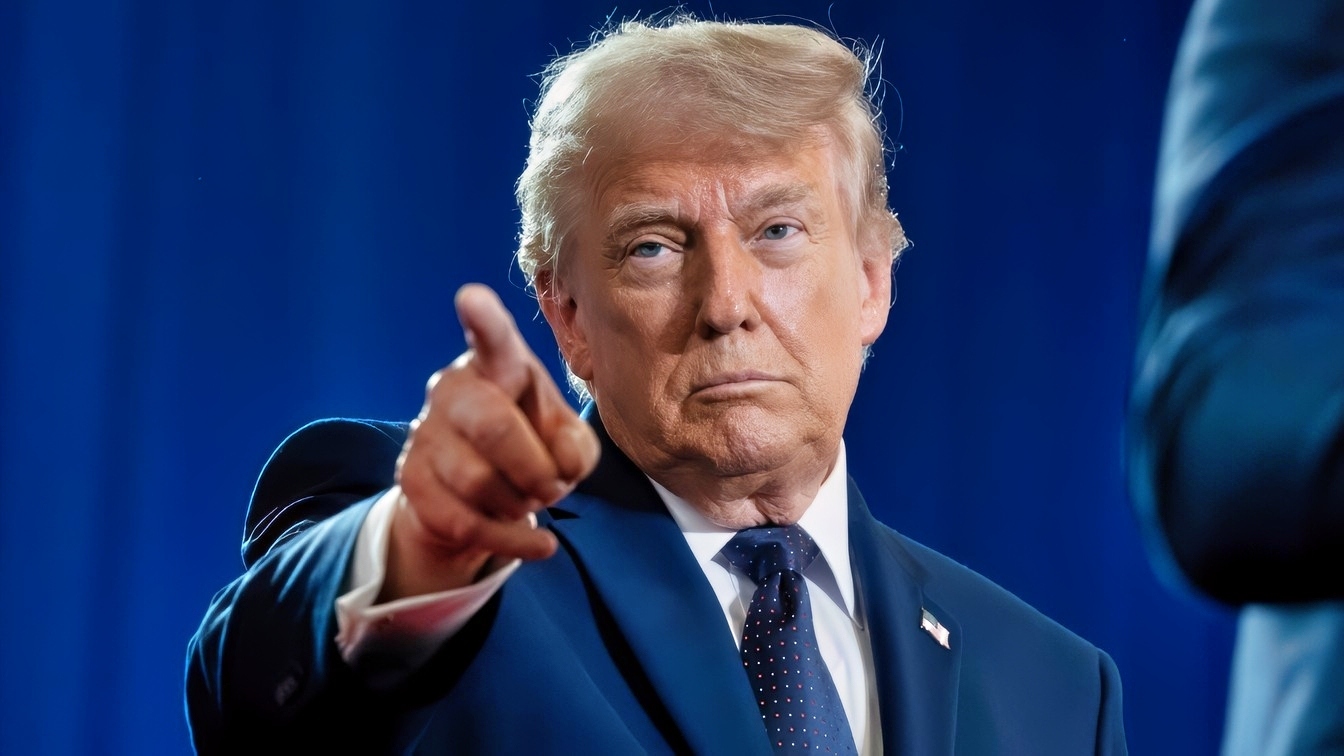
Donald Trump has conceded that the Iran war is unlikely to be over until after the November midterms.
Speaking to reporters on Wednesday, 9th September, en route to the Republican National Convention in Dallas, TX, the President said he believed the war would end “immediately after” the elections on Tuesday, 3rd November.
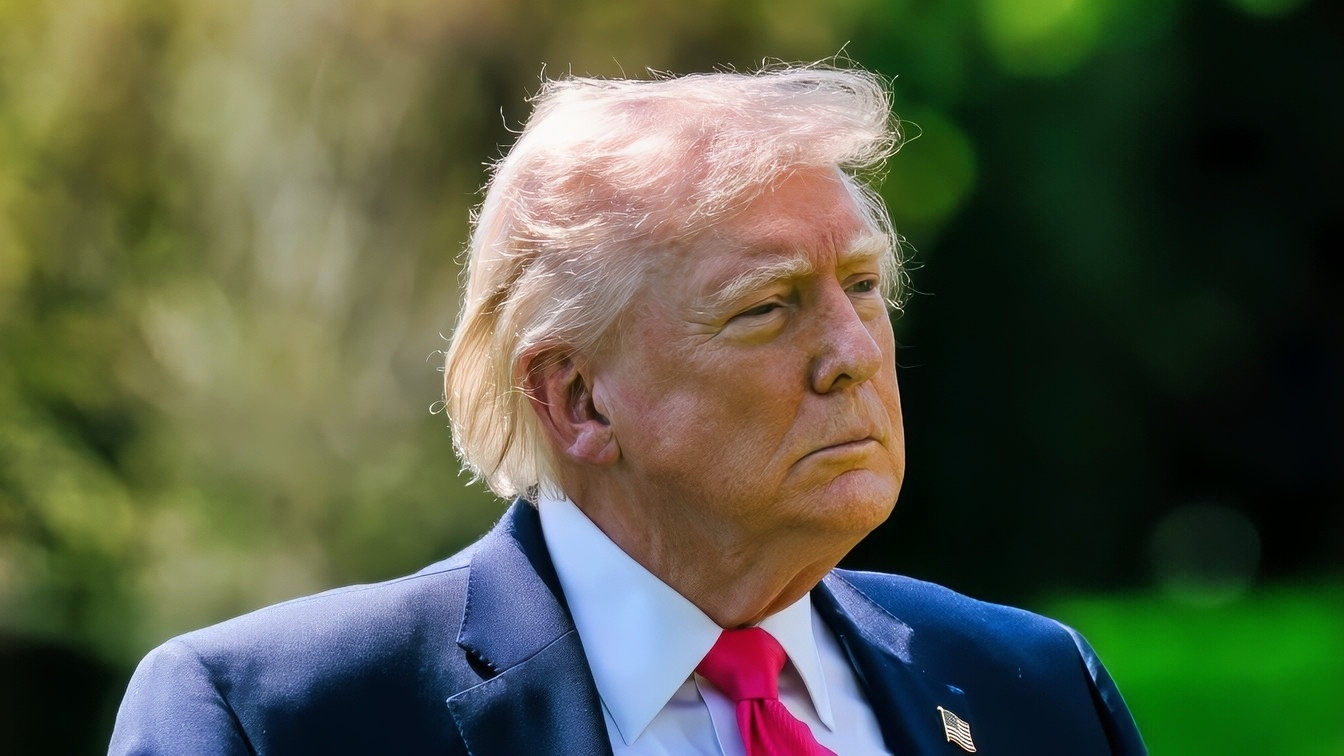
President Donald J. Trump speaks with members of the media before boarding Marine One on the South Lawn of the White House, Thursday, April 16, 2026, en route Joint Base Andrews for a trip to Las Vegas. (Official White House Photo by Molly Riley)
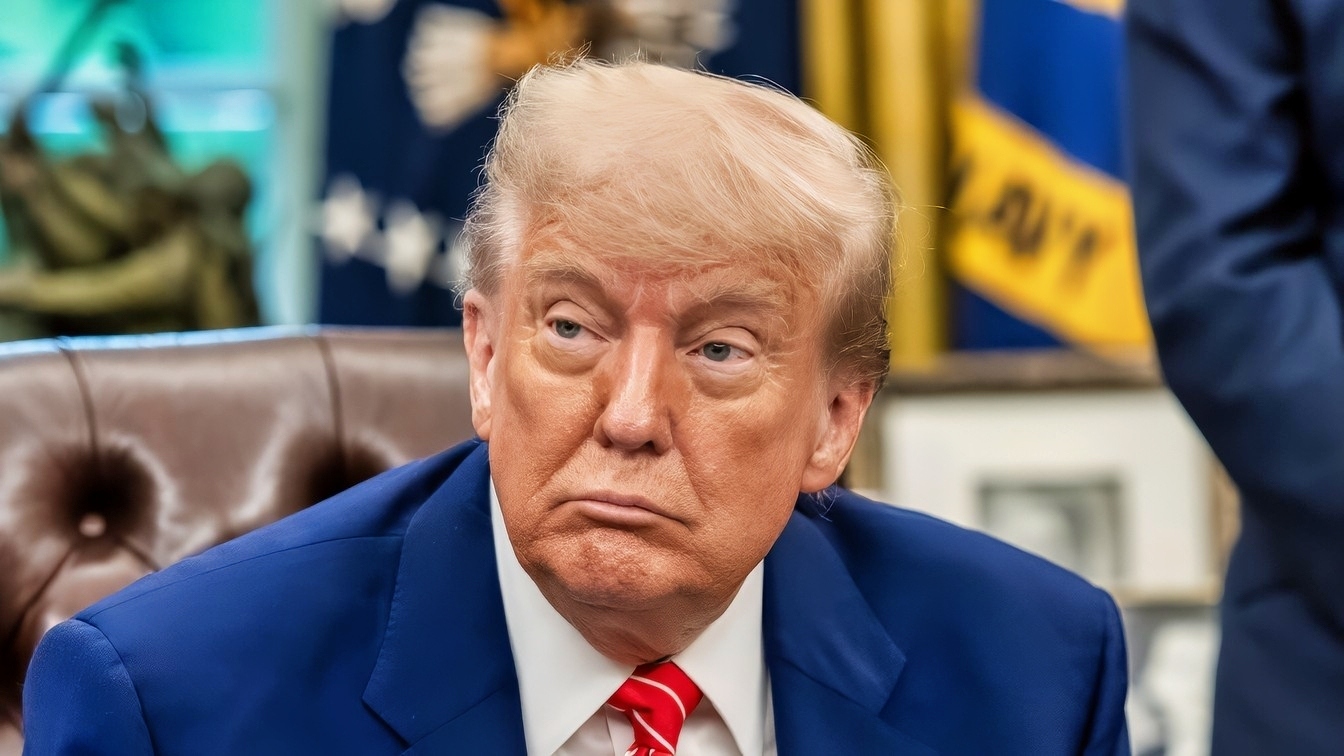
President Donald Trump is joined by Secretary of Commerce Howard Lutnick, Vice President JD Vance, British Ambassador Peter Mandelson, U.S. Trade Representative Jamieson Greer, and Secretary of Agriculture Brooke Rollins, while announcing a trade agreement with the U.K., Thursday, May 8, 2025, in the Oval Office. (Official White House Photo by Molly Riley)
It marks the first time Trump has openly admitted that the war would not be concluded before November’s elections.
A Nuclear Weapon
Shortly before boarding Air Force One, Trump spoke to reporters on a variety of topics including Russia’s full-scale invasion of Ukraine.
In addition, he answered questions on the Iran war just hours before the GOP’s first midterm convention.
“I think the war will end immediately after the election because they can’t hold out any longer,” the President said. “They’re desperate to try and affect the election so that we can get a nice, weak group of people in [Congress] and leave them alone and have their nuclear weapon.”
“All they want is a nuclear weapon,” Trump continued. “If they had a nuclear weapon, the whole world is in deep trouble.”
Iran’s nuclear program has long been cited by the President as a justification for the conflict, which began earlier this year in February.
Trump initially predicted the war would be over within six weeks; instead, it’s been raging for more than six months.
Energy Rising at Election Time
Owing to Iran’s control of the Strait of Hormuz – a key waterway through which 20% of the world’s oil passed before the conflict – energy prices have soared across the world.
Despite U.S. insistence that the strait is open, shipping traffic remains well below pre-war levels.
In recent days, attacks on commercial shipping have increased, pushing Brent crude prices above $100 per barrel for the third time in six months.
Naturally, this has raised the cost of living worldwide, including in America. The average U.S. household has spent an extra $760 on fuel since the war began, with costs rising in all 50 states.
This is bad news for Trump and the GOP.
The war is already unpopular with a majority of voters, even if it is taking place on the other side of the world.
Iran Holding Out
Despite the furious bombardment of the conflict’s first six weeks, the authoritarian regime still controls Iran.
Since April, the Trump administration has shifted towards an economic conflict, imposing wide sanctions and a naval blockade on Iranian ports.
The theory is that Tehran will eventually be forced to negotiate a permanent end to the conflict as its economy cripples, reopening the Strait of Hormuz and subsequently lowering energy prices.
Despite heavy economic pressure, Tehran is continuing to fight.
Trump’s claim that it’s holding out until immediately after the election is disputable; remember, he predicted the conflict would be a short operation lasting little longer than a month.
Strategy at Play
Nevertheless, Trump’s comments give an insight into the GOP’s forthcoming electoral strategy.
An early concession that the war will not be over by the start of November allows time for Republican messaging to sink in: effectively, the war will be over soon, so don’t cast your vote solely on it.
It’s worth considering the wider points Trump raised on Wednesday, including his headline-grabbing $5,000 pledge should the GOP retain control of Congress.
Even though little detail was provided on how it would be funded or delivered, such a policy – presuming it becomes a staple of the campaign – will swing voters who agree with Trump on Iran’s nuclear threat even if they don’t agree with the war itself.
It’s a gamble worth taking for the President.
Barring an exceptionally unlikely constitutional amendment, the forthcoming elections will be the last he faces in his presidential tenure. Alas, a favorable Congress would be much preferred.
As usual, around one-third of the Senate and the entirety of the House are up for grabs.
The Democrats, having won many of the Senate seats up for election this November in 2020, are unlikely to take Congress’ upper tier.
However, Democrats could easily regain the House, likely prompting two years of impeachment threats and disrupted lawmaking.
While Trump’s political legacy is unlikely to depend solely on his final two years in power, leaving on a high note will be much easier if his party controls Congress. Polls suggest that’s far from certain.
About the Author: Shay Bottomley
Shay Bottomley is a British journalist. He has written for the Western Standard, Business Insider, Maidenhead Advertiser, Slough Express, Windsor Express, Berkshire Live and Southend Echo.