

Summary and Key Points: Ukrainian drone strikes have knocked out 25 percent of Russia’s oil refining capacity, forcing Moscow to ban diesel and aviation fuel exports. Since February 2022, Ukraine has carried out 158 strikes against Russian oil refineries and hit 24 of its 33 major facilities.
-Russia’s average refining rate in April fell to 4.69 million barrels per day — the lowest level in more than 16 years. Ukrainian strikes cost Russian oil companies $13 billion in 2025 and continue to drain Putin’s government of roughly $100 million per day in lost earnings, with oil and gas taxes funding 25 percent of Russia’s budget
Russia’s Oil Industry Is Suffering From Ukrainian Drone Strikes

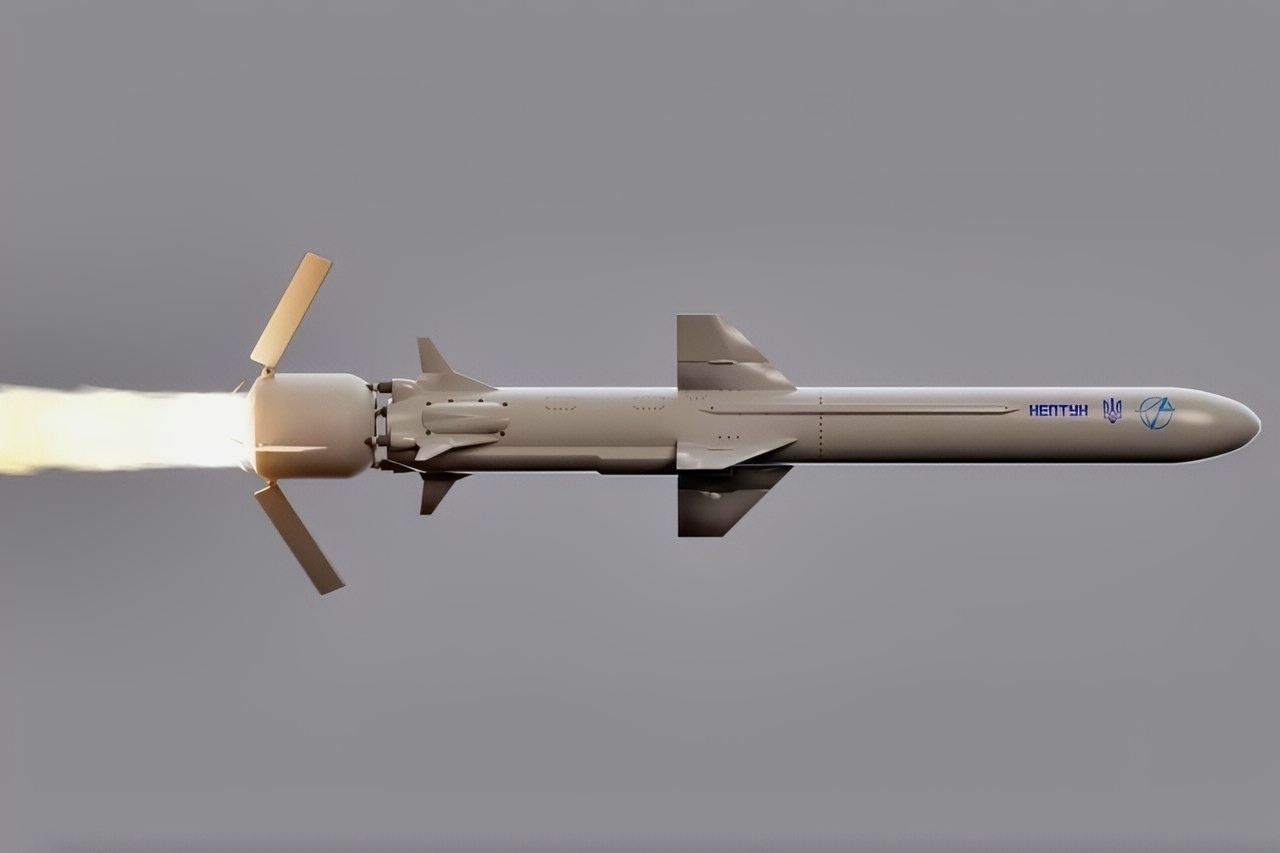
Ukraine War TOS-2. Image Credit: X Screenshot.
Ukraine has increased attacks on Russian energy facilities in recent months as Moscow has refused to bargain in good faith for peace talks.
This ends a three-week period of de-escalation of hostilities, including a two-day truce on May 8-9 to mark the end of World War II.
Kremlin spokesman Dmitry Peskov said on Thursday that there were no risks to fuel supplies in Russia, after a Reuters report highlighted a decline in oil refining in the central part of the country following Ukrainian drone attacks in recent days.
Despite Peskov’s comments, Moscow is implementing a comprehensive ban on diesel and aviation fuel exports following a devastating wave of Ukrainian long-range drone strikes that have knocked out 25 percent of the nation’s total oil refining capacity, effectively paralyzing critical energy infrastructure across central Russia.
By deploying advanced, domestically produced drones, Ukraine has systematically targeted Russia’s oil infrastructure, supply chains, and military-industrial sites.
Ukrainian Drone Strikes Are Costing Russia $100 Million A Day
Ukrainian drone attacks continue to target Moscow’s oil production facilities. Among the oil refineries hit were Ryazan, Moscow, Kirishi, and Nizhny Novgorod, which process roughly 238,000 tons per day (83 million metric tons per year) and account for about 25 percent of Russia’s diesel and 30 percent of its gasoline output.
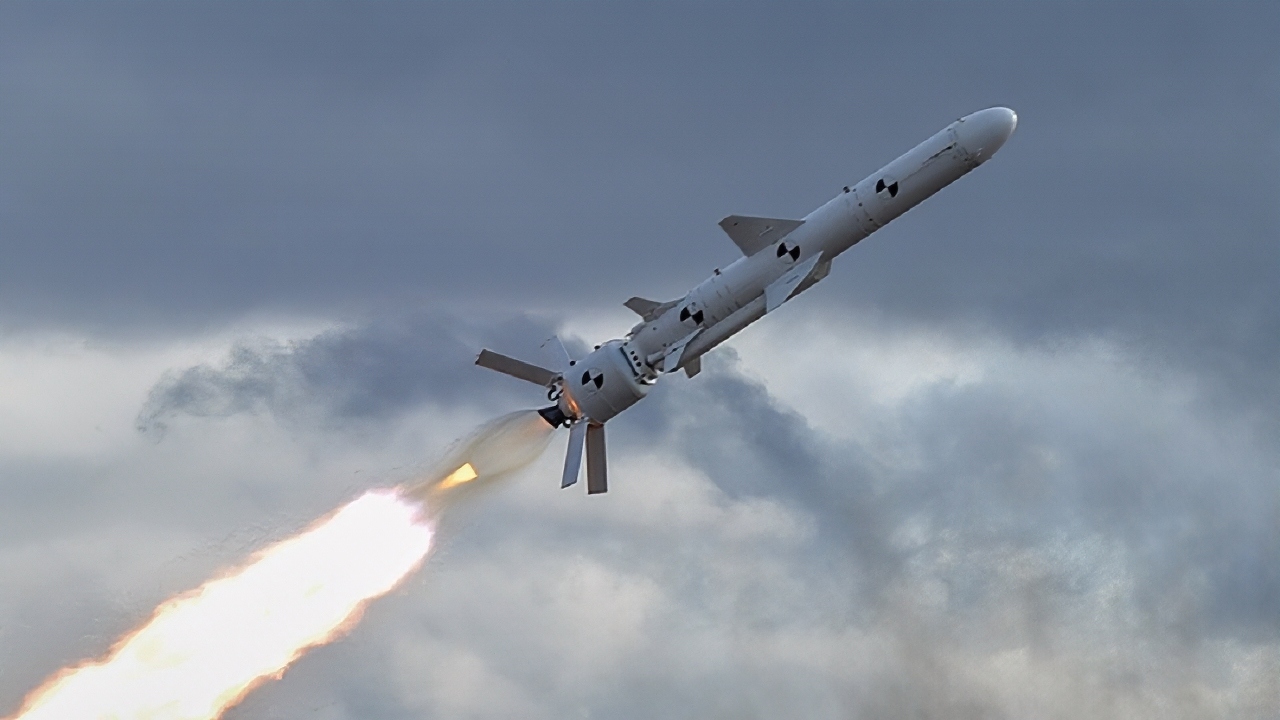
Neptune Missile. Image Credit: Creative Commons.
The Ukrainian military stated that the effects of previous drone strikes had confirmed the shutdown of the Syzran oil refinery in the city of Syzran (Russia’s Samara Oblast), which Ukrainian forces attacked on May 21, 2026.
“The Ukrainian Defense Forces will continue systematically taking measures to force the Russian Federation to stop its armed aggression against Ukraine,” the General Staff said.
Russia’s Black Sea Refineries Hit With New Attacks by Ukraine
Ukrainian drones on Tuesday targeted Russian oil facilities in the city of Tuapse, the location of a major oil refinery and an oil and products export terminal. The Russians claimed that there were no injuries and no damage to the facilities in Tuapse.
Over the weekend, Ukrainian drone strikes also hit major oil refineries in Novorossiysk.
Due to the strikes at Novorossiysk, Russian oil refineries have been diverting their oil output to the Baltic Sea ports of Primorsk and Ust-Luga and the port of Murmansk on the Barents Sea.

TOS-1. Image Credit: Creative Commons.
“According to Moscow-based oil and gas industry monthly journal Infotek, independent assessments based on Novorossiysk tanker arrivals and departures suggest shipments via the port fell to 14.8 million barrels in April compared with 21.2 million barrels in March.”
According to OilPrice.com, Ukrainian long-range drone strikes on Russian energy infrastructure cost Russian oil companies $13 billion in 2025, with continued strikes causing Putin’s government to lose up to $100 million per day in potential earnings.
Russia’s export terminals have been hit by drone attacks, causing production to drop by about 1.75 million barrels a day. According to estimates by OilX, Russia’s average oil refining rate in April fell to 4.69 million barrels per day, the lowest level in more than 16 years. The ongoing attacks threaten to further reduce refining volumes as Ukrainian strikes intensify.
Ukrainian Strikes Have Targeted 24 Of 33 Major Refineries
Since the Russians invaded Ukraine in February 2022, the Ukrainians have conducted at least 158 strikes against Russian oil refineries. And those strikes have been conducted against 24 of 33 major Russian refineries.
Those attacks have intensified in the past year. Up to this point in 2026, Ukrainian drone strikes against oil facilities have already surpassed all of 2024.
Evgeny Borovikov, deputy CEO of the Russian insurance broker Mains, said that direct damage to oil and gas infrastructure from drone attacks exceeded 100 billion rubles (around $1.1 billion).
He added that when other economic effects are taken into account—including lost production and secondary disruptions—the total impact rises above 1 trillion rubles (approximately $13 billion).
Russia’s economy relies on oil and gas taxes for 25 percent of its budget. It is already stretched tight, and this loss of revenue will stretch it to the breaking point.
The ISW States That Ukraine Is Gaining The Initiative In The War
The Ukrainian drone attacks are savaging Russia’s infrastructure. This includes weapons and ammunition depots, warehouses, command posts, and oil facilities.
In mid-May, Ukraine sent more than 600 drones on an attack on Moscow itself. The attacks hit microelectronics plants, fuel infrastructure, and missile-related targets in the Moscow area.
Coupled with the enormous casualties the Russian military is suffering (nearly 1,000 a day), the Institute for the Study of War (ISW) has stated that the Ukrainians have taken the initiative in the war.
Ukrainian forces have pushed back Russian troops along parts of the frontline, making their most significant battlefield gains since 2024. Ukraine’s “intensified midrange strike campaign” since early 2026 has also degraded Russian forces’ ability to conduct offensive operations across the theatre and has likely supported recent Ukrainian advances.
Ukraine’s plan is to cripple Russia’s oil refineries and thereby its economy. And it is succeeding. Last week, President Zelenskyy said, “Overall, our long-range plan for May is being carried out largely in full. The key targets are Russian oil refineries, storage facilities, and other infrastructure tied to these oil revenues.”
About the Author: Steve Balestrieri
Steve Balestrieri is a National Security Columnist. He served as a US Army Special Forces NCO and Warrant Officer. In addition to writing on defense, he covers the NFL for PatsFans.com and is a member of the Pro Football Writers of America (PFWA). His work was regularly featured in many military publications.


Swamplaw Yankee
May 28, 2026 at 4:25 am
Some op-ed writers need a few months of intensive education in anti-oppressive training. Like in those drinking or trans remedial centres.
Op-ed needs to understand transformative events such as the fall on an empire of oppression. The talk of “PEACE” is a Kremlin Muscovy Narrative, using code-word “PEACE” to mean how much will Putin give as payment for the agreement to the theft of 50 Trillion in USD of Ukrainian resources.
The MAGA POTUS Trump scam to blather “Peace” is over, gone with his decision to play vassal in the GULF Muslim geopolitic!
Trump now needs to talk loudly of return of all land to Ukraine, reparation and compensation by Putin immediately in gold billion and how Trump will ensure that his Muscovy cuddle bunny Putin is forced to not blow up Europe’s largest nuclear reactor Hub in the middle of Ukraine.
Trump can talk of how the USA will fund the housing of war criminals awaiting trial by the International Criminal Courts for their crimes while playing “KOLONIZER” oppressors dressed in Kremlin Halloween costumes. That Putin recruited foreign ethnics from around the globe to be war criminals is a topic + trial process that the USA must fund.
The oil campaign will make some Muscovy “KOLONIZER” oppressors realize they have no gasoline to drive their stolen Ukrainian cars back to their old Moscow apartment.
This Yellow sweat will be the trigger for crazed Yellow Panic setting in exponentially as every KOLONIZER realize their self- deluded scam to steal Ukrainian homes + farms will not work a second time.
Oil statistics are just code words for a deprivation by trial the KOLONIZERS are desperate to avoid.