


Can Ukraine Prevail and Win the War Against Russia? The Russian invasion of Ukraine has dragged on for more than four years, and it appears, at least outwardly, that neither side is capable of winning the war strictly in a military sense. Most analysts believe that without Western support, Ukraine would lose the war.
Russian President Vladimir Putin continues to paint the “special military operation” as going to plan, but it has been anything but. Russia has suffered catastrophic losses in men, armored vehicles, and aircraft as Ukrainian defenses have been much better than anyone would have believed.
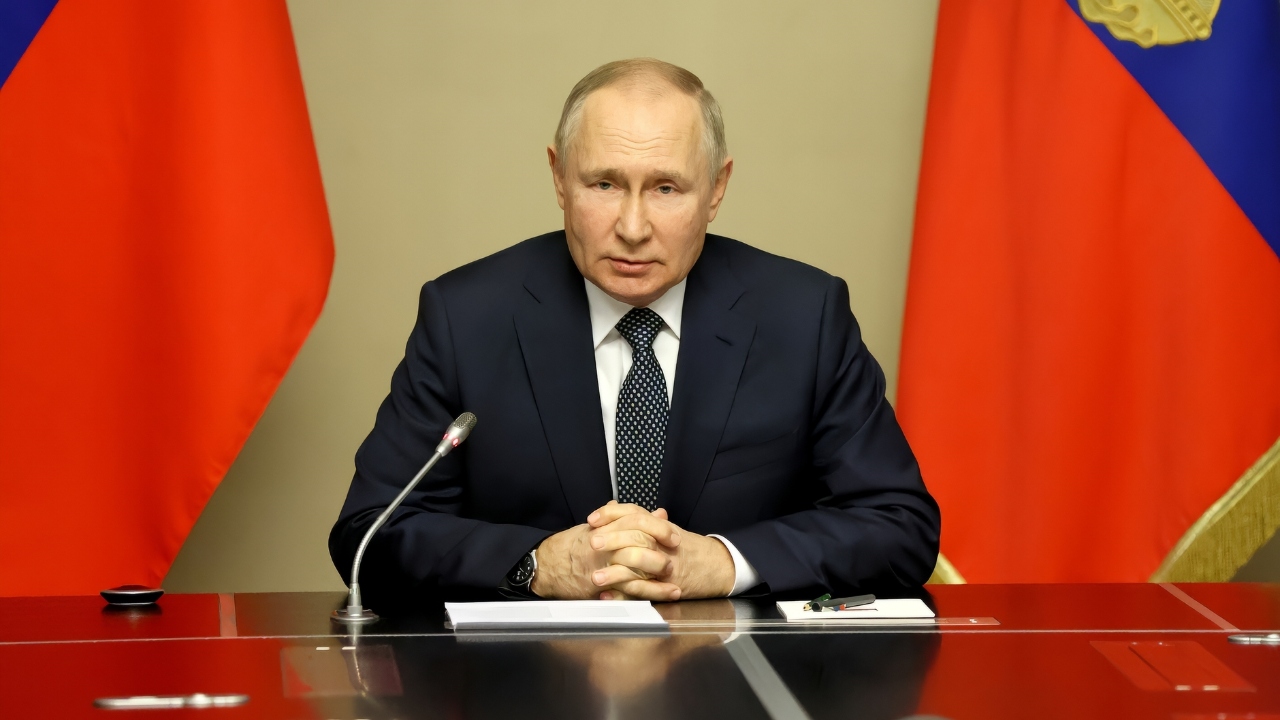
Putin November 2022. Image Credit: Creative Commons.
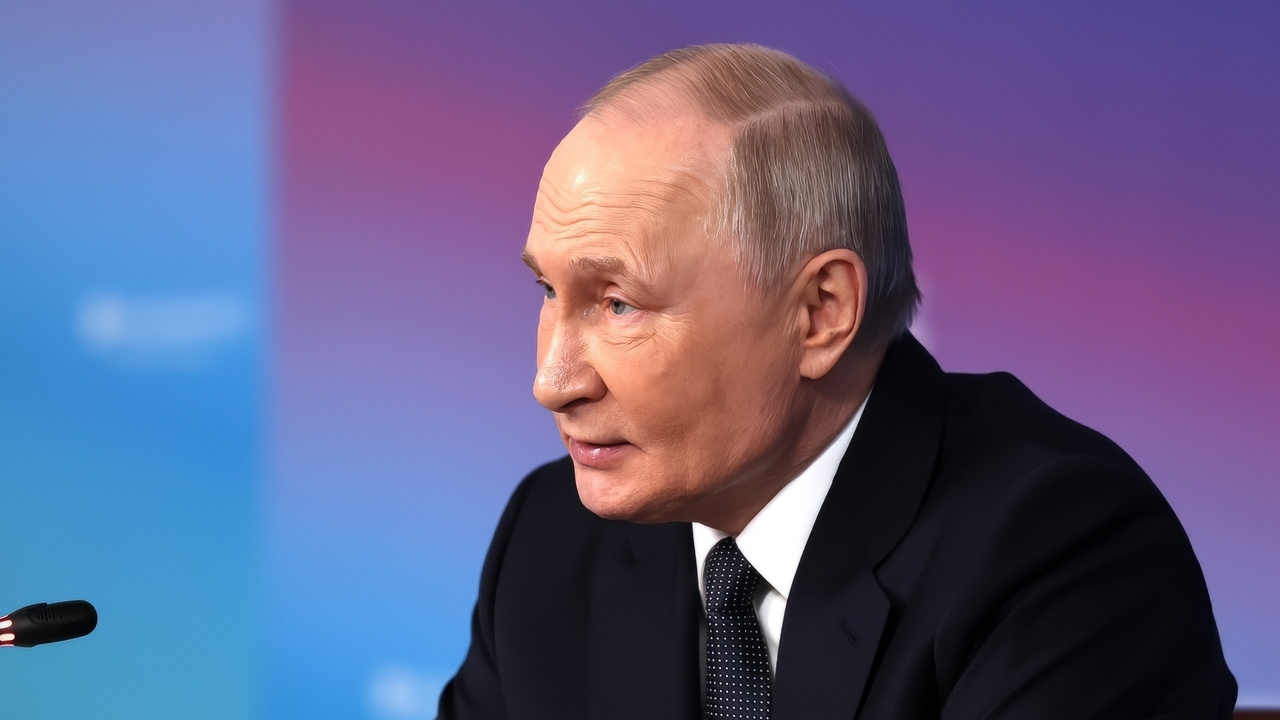
Vladimir Putin in Murmansk (2025-03-27). Image Credit: Creative Commons.
Putin, being in control of the press, has kept the truth from the people as to the horrific casualties Russia suffered. And is perfectly willing to continue the bloodbath as long as Russia ultimately wins.
But what about Ukraine? Can they win the war?
Military analysts and intelligence agencies widely agree that the conflict is no longer a guaranteed Russian victory, but an outright military triumph will depend heavily on sustained Western aid and domestic resilience.
Russia’s Horrific Casualties And Equipment Losses
According to the Center for Strategic and International Studies (CSIS), as of late May 2026, Russia has suffered more than 1.2 million casualties (killed and wounded) in Ukraine since the February 2022 invasion. More than 325,000 of these are believed to be fatalities.
Despite rosy combat assessments by his generals, Putin’s forces see casualty rates of up to 1,000 troops per day. Their meat-grinding tactics have resulted in more combat losses over two months (December 2025 and January 2026) than the number of troops newly mobilized and contracted, according to the George W. Bush Presidential Center.
Russia’s horrific casualties have forced Moscow to turn to foreign fighters “often recruited under false pretenses and press-ganged under pressure,” according to U.K. Defense Secretary John Healey.

Tim Murry, a foreign threats compound contractor, drives a T-72 battle tank into position to serve as adversary targets for a joint service exercise, Emerald Flag, at Eglin Air Force Base, Fla., Nov. 30. Emerald Flag is a multi-service exercise aimed to unify information sharing across joint domain platforms. (U.S. Air Force photo/1st Lt Karissa Rodriguez)
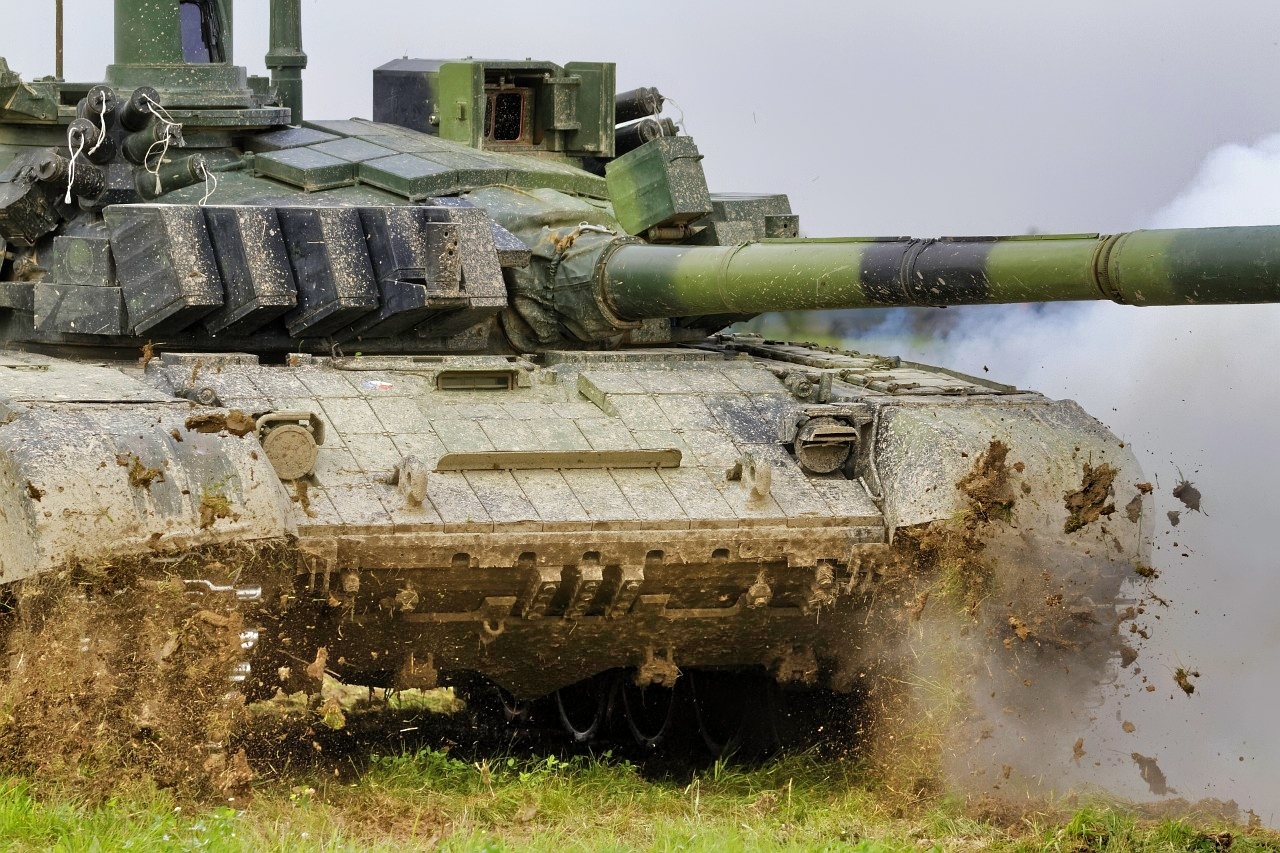
T-72 Tank. Image Credit: Creative Commons.
In terms of armored vehicles, armor, artillery, aircraft, and material, as of May 1, according to MINFIN, Russian losses in equipment:
-Tanks — 11,955
-Armored fighting vehicle — 24,618
-Artillery systems — 42,790
-MLRS — 1,805
-Anti-aircraft warfare — 1,397
-Planes — 436
-Helicopters — 353
-UAV — 313,342
-Cruise missiles — 4,687
-Ships (boats) — 33
-Submarines — 1
Ukrainian losses have also been high, with between 500,000 and 600,000 killed, wounded, or missing. Civilian deaths in 2025 were the highest in the war, due to Russia’s targeting of civilian infrastructure and the civilian population.
Ukraine’s Situation Has Changed
However, Ukraine has not collapsed, nor is the situation there as helpless as President Trump has made it appear in the past. Ukraine faced a full-scale invasion from the second-largest army in the world. An invasion that no one thought would last more than a couple of weeks.
Ukraine blunted the invasion and inflicted horrible casualties on the Russian military. It has been able to preserve its sovereignty and existence as an independent state, in addition to militarily exhausting and draining Russia, and trapping Putin in a meatgrinder of his own doing.
The Ukrainian army has even managed to achieve what was considered utterly inconceivable a decade ago—it has briefly occupied Russian territory and conducted successful intelligence operations inside Russia.
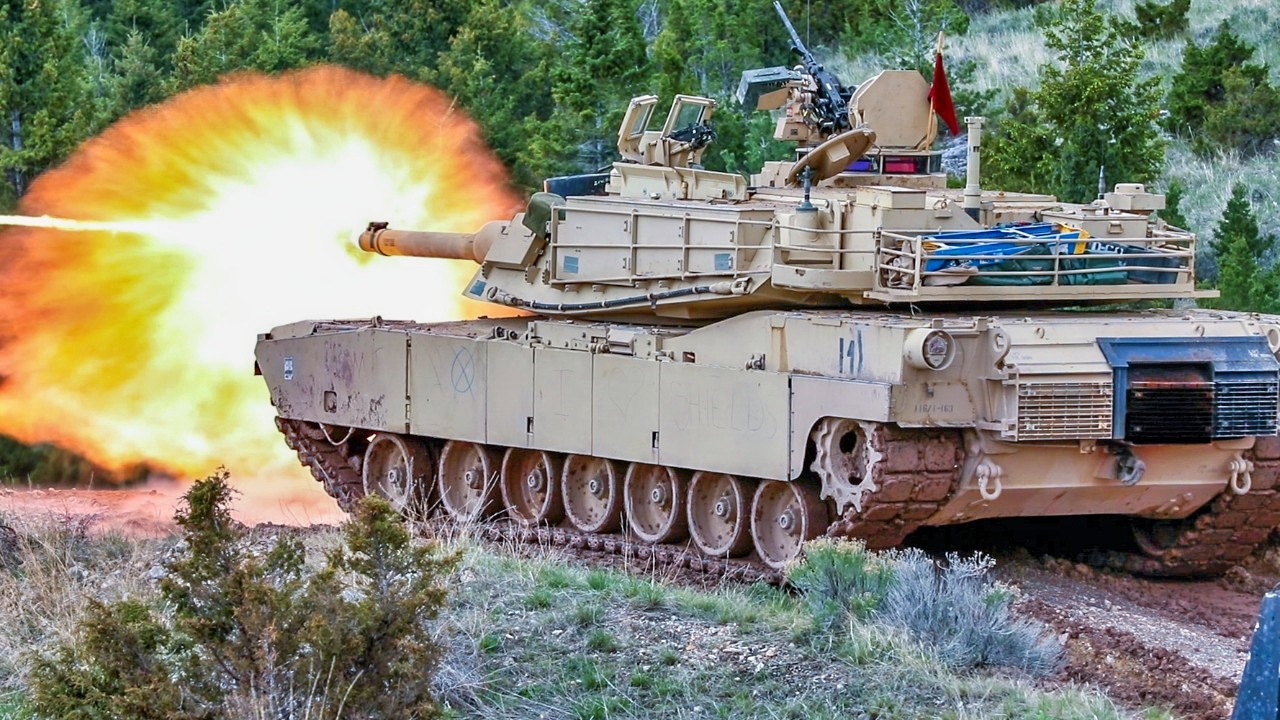
On May 16th 2025, Montana’s 1-163rd Combined Arms Battalion hosted over a dozen British Army Soldiers of the Royal Wessex Yeomanry (RWxY) at the Limestone Hills Training Facility in a joint training event to help their armored crewmembers transition to the Challenger 3 tank which is currently in production. Training involved British armored crewmembers serving in their assigned roles on the M1A2 Abrams alongside our Montana National Guard Soldiers.

A U.S. Army M1 Abrams, assigned to 4th Battalion, 6th Infantry Regiment, 3rd Armored Brigade Combat Team, 1st Armored Division, fully emerges from the tank firing point to engage the simulated enemy at Novo Selo Training Area, Bulgaria, March 5, 2025. 1st Armored Division, a rotational force supporting V Corps, conducts training with engineers and tank operators in the European Theatre to maintain readiness and instill fundamental Soldier skills that are vital in maintaining lethality. (U.S. Army photo by Spc. Kyle Kimble)
Ukrainian Drone Strikes Are Taking A Toll
Ukrainian drone strikes have increasingly hit deep inside of Russia, and Putin’s major embarrassment was the annual May Day parade, where Ukraine “permitted” the Kremlin to hold the parade (without tanks and rockets) without conducting strikes.
Because of these drone threats, the ISW also reported that Russian authorities are being forced to restrict the use of airspace in the Moscow air zone. The Russian Aircraft Owners and Pilots Association (AOPA) claimed on May 25 that Russian authorities will begin prohibiting civilian flights in the Moscow air zone at altitudes from 0 to 5,100 meters starting on June 1.
Russian authorities closed the Kaliningrad airport due to a reported drone threat for the first time on May 25.
Ukrainian drone attacks continue to target Moscow’s oil production facilities, effectively shutting down the Syzran Oil Refinery, which refines about 170,000 barrels a day.
The situation has forced Moscow to work on an agreement with Belarus to allow the Russians to use Belarus as a launch site for drone strikes against Ukraine.
With the current state, it would be foolish for Ukraine to grant Russia the favorable conditions that Moscow is insisting upon.
How Can Ukraine Win The War?
The Ukrainians have mainly been fighting a war of attrition, trying to inflict as many casualties on Russian military units as possible, which will ultimately force them into giving up their plan to conquer Ukraine.
Due to declining US military assistance, Western Europe has stepped up its aid packages; however, Ukraine is becoming more self-sufficient, now producing almost 60 percent of its own equipment and 95 percent of its drones.
In 2026, there is a general turning of the tide of the war. Brigadier General Andriy Biletsky, who commands Ukraine’s Third Army Corps, believes that there is a window of opportunity for Ukraine.
“I believe the next six to nine months are a turning point,” Biletsky said.
“We need to define those directions where we can improve our positions, take some strategic points, and then speak with the Russians from a position of strength – not weakness – about a truly stable truce,” Biletsky added.
Ukraine must continue to expand its defense industries, address its manpower shortages, and implement internal reforms that will guarantee its eventual inclusion in the European Union.
Western Europe needs to continue sanctioning Russia’s shadow fleet while sending military aid to Kyiv.
The US needs to shift its approach toward Ukraine. While the administration has been critical of President Zelenskyy, it is Putin who is not interested at all in a peaceful solution, unless it is a Ukrainian submission to Russia’s will.
The president must realize that Putin and the Chinese, who are partially funding Russia’s war effort, need to be stopped. And the US and Europe must insist on Ukrainian security guarantees to Moscow.
The false narrative of an inevitable Russian victory has been smashed, along with Putin’s army. The opportunity is there for Ukraine…and the West to force Russia back.
About the Author: Steve Balestrieri
Steve Balestrieri is a National Security Columnist. He served as a US Army Special Forces NCO and Warrant Officer. In addition to writing on defense, he covers the NFL for PatsFans.com and is a member of the Pro Football Writers of America (PFWA). His work was regularly featured in many military publications.


JD
May 27, 2026 at 3:47 pm
Stairs into the abyss, or Stares?