

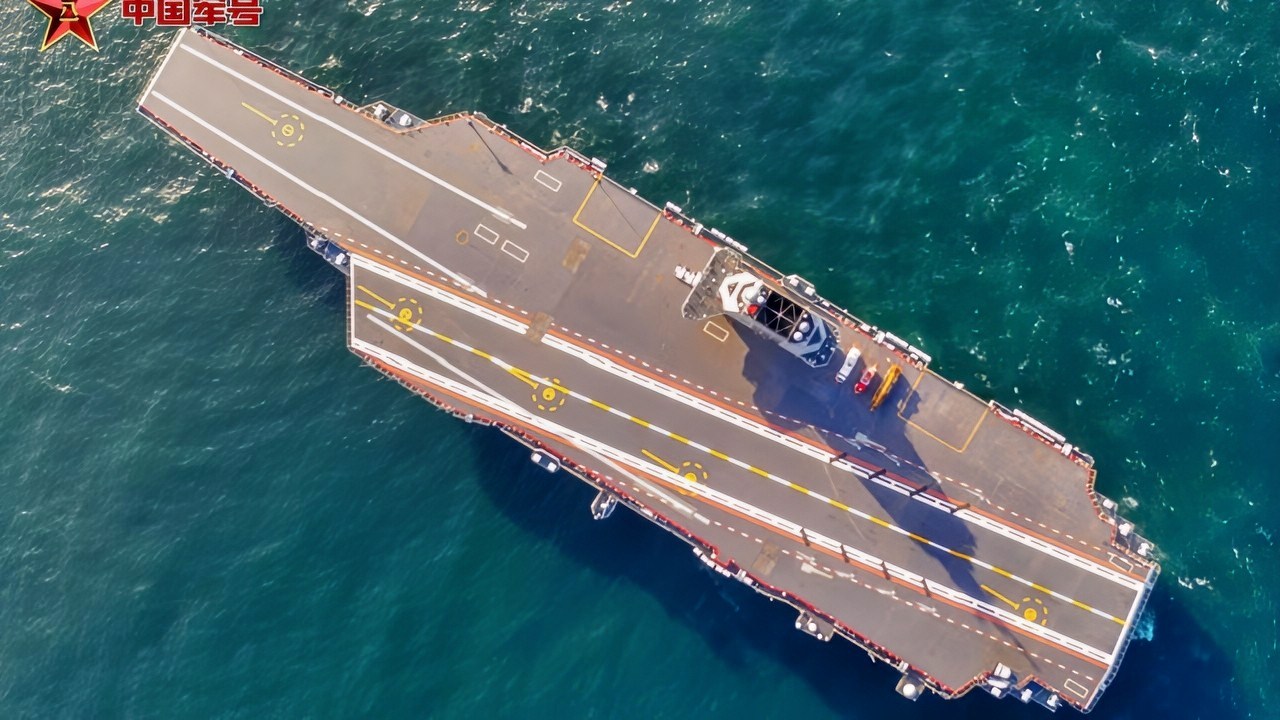
Summary and Key Points: China’s island fortresses in the South China Sea are usually told as a military story — the runways, the missiles, the unsinkable aircraft carriers. But there’s a second story beneath the surface, and ecologists call it one of the fastest ecological collapses ever recorded. To build those bases, China dredged and buried tens of thousands of acres of living coral reef — some of the most biodiverse oceans on the planet.
An Ecological Disaster for the History Books

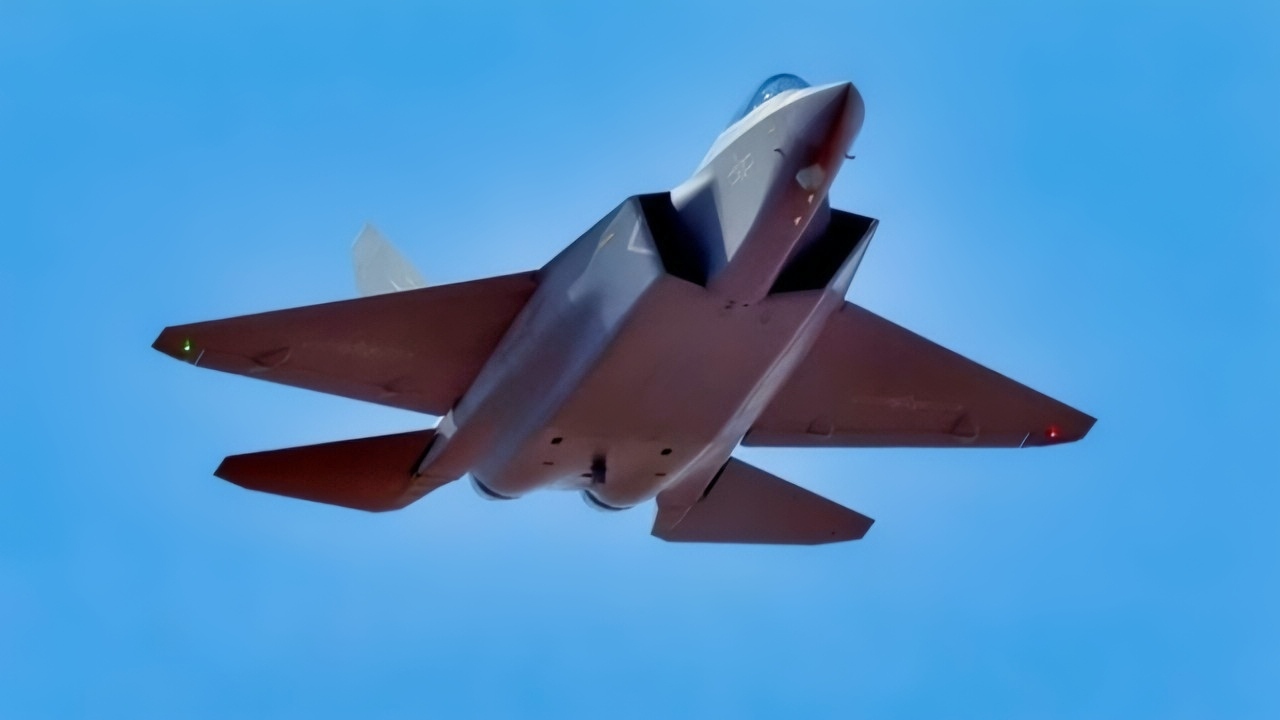
J-35 Fighter from China. Image Credit: PLAAF.

J-35 New Stealth Fighter from China
China’s island-building campaign is mostly addressed from a military angle. But ecologists often describe the decline as among the fastest in coral reef history. The Chinese island-building campaign makes sense from a strategic perspective—dredging reefs to build artificial islands that are then militarized as fixed air bases—but simultaneously, China is committing environmental destruction on a grand scale, trading one of the world’s most biodiverse ecosystems for a military architecture that reshapes control of the South China Sea.
Scale of the Damage in the South China Sea
Over 21,000 acres of coral reef have been buried or severely damaged.
Nearly 5,000 acres have been physically buried under sand and concrete, while about 40-50 million cubic meters of coral and sand have been pumped out.
The result is that entire reef systems have been converted into construction material.

J-35A Fighter Chinese Military. Image Credit: Creative Commons.
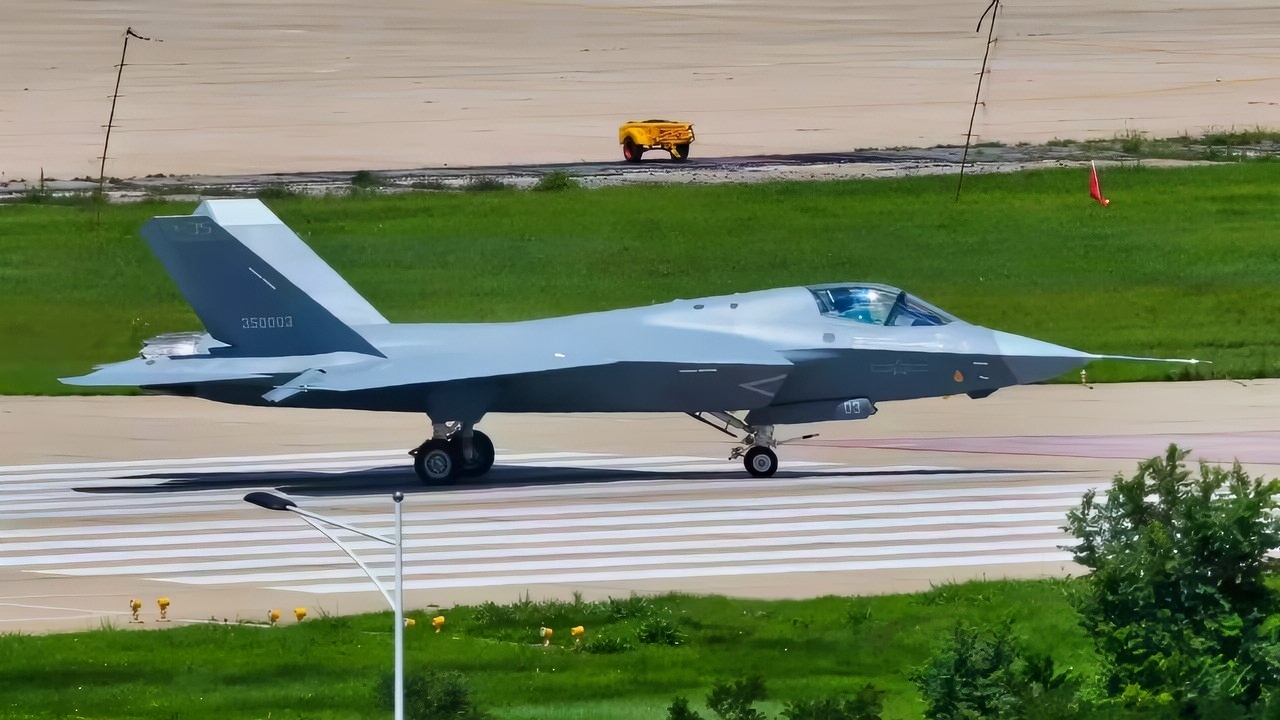
J-35 Fighter X Screenshot. Image Credit: X Screen Capture.

J-35 Stealth Fighter from China. Image Credit: Creative Commons.
The damage goes deeper, however. Dredging at Mischief Reef has impacted 1,200 square kilometers, with sediment plumes reaching 250 square kilometers at once. This smothers nearby coral and reduces its biological health, resulting in up to a 350% decline.
Suspended sediment in the water blocks sunlight and suffocates coral polyps—the point being that damage to the environment extends beyond the construction of the islands themselves.
Biodiversity and Fishery Collapse
The damaged and destroyed reefs were home to immense biodiversity. Nearly 17,000 acres of giant clam spawning grounds have been affected, for example, reducing harvests.
The South China Sea also once accounted for about 12 percent of global fish catch.
But today, some areas are described as a boneyard. So there is practical harm; ecological destruction has translated directly into economic and food system damage.
Is the Damage Permanent?
Much of the damage is irreversible. Some of the reefs have been physically buried and obviously cannot regrow. Other reefs have been structurally destroyed, their limestone base removed.
These are structures that are formed over thousands of years and cannot regenerate immediately—or, in many cases, ever at all. What’s happened in the South China Sea isn’t just degradation; it’s permanent ecosystem removal.

J-35 Fighter. Image Credit: X/Screenshot.
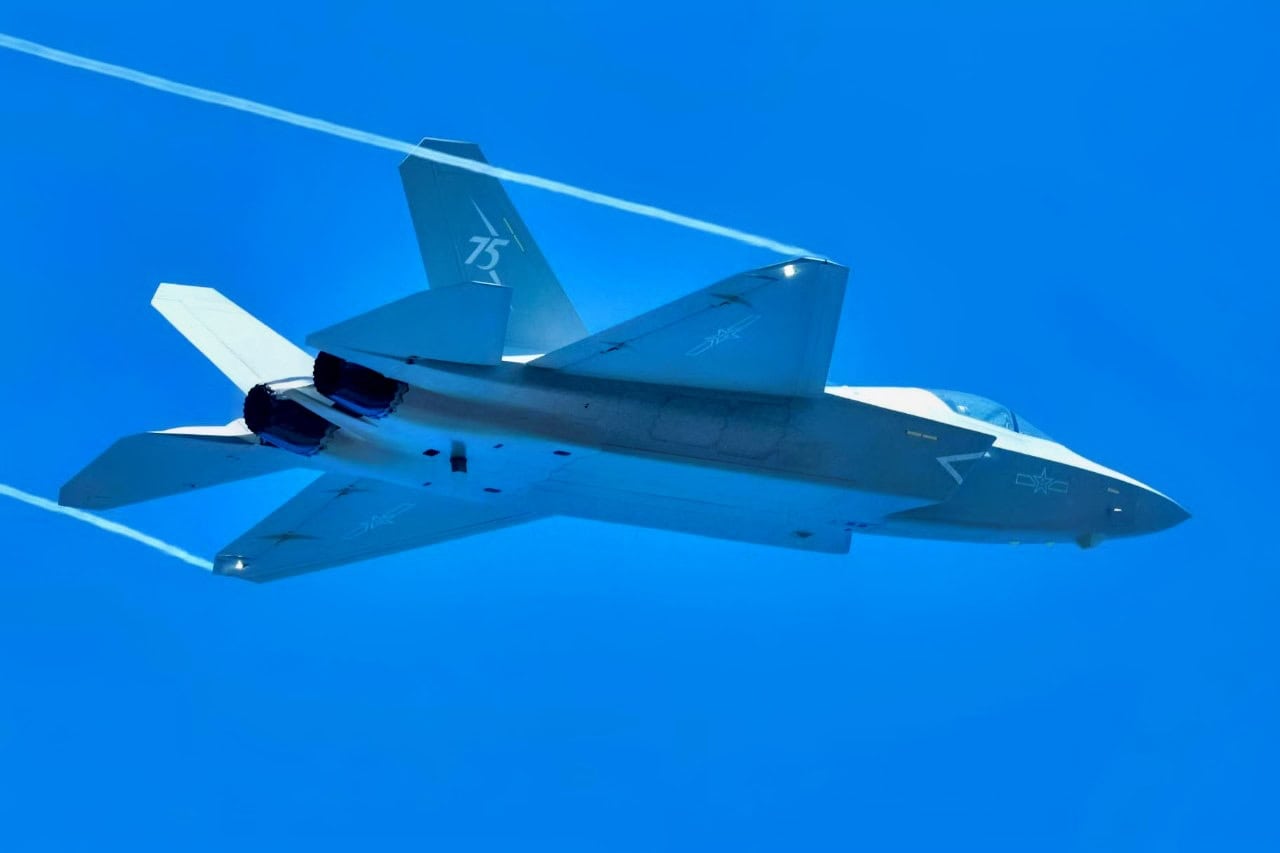
J-35 Fighter. Image Credit: Chinese State Media.

J-35. Image Credit: Creative Commons.
Why is China Doing This?
The strategic upside of China’s island-building is clear. Each island becomes an unsinkable aircraft carrier, complete with 10,000-foot runways capable of supporting fighters and bombers.
This allows for a range extension of 800 to 1,000 miles. This also extends the A2/AD network by deploying HQ-9 SAM systems and YJ-12B anti-ship missiles on the islands.
Surveillance efforts are also enhanced by the placement of radar arrays and SIGINT towers on the islands. The ultimate outcome is that China can execute real-time tracking of the US Navy and regional traffic while supporting gray-zone control through the coast guard and maritime militia.
Taken as a whole, the newly built islands turn contested waters into controlled territory.
The Geographic Shift
China’s island-building has shifted the military geography. Before the island-building, the South China Sea was open and contested. But after the island-building, China enjoys a network of fortified nodes, a continuous presence that places pressure on Vietnam and the Philippines.
Remarkably, geography itself is being rewritten through the construction of new islands. It’s brilliant in a sense, irreversible ecological harm aside.
China is clearly willing to trade permanent ecological loss and a fisheries collapse (and related economic fallout) for military dominance and persistent surveillance. The implicit calculation is that the environment is expendable, whereas gaining superior control is the priority.
The trade is deliberate: ecosystems for power projection.
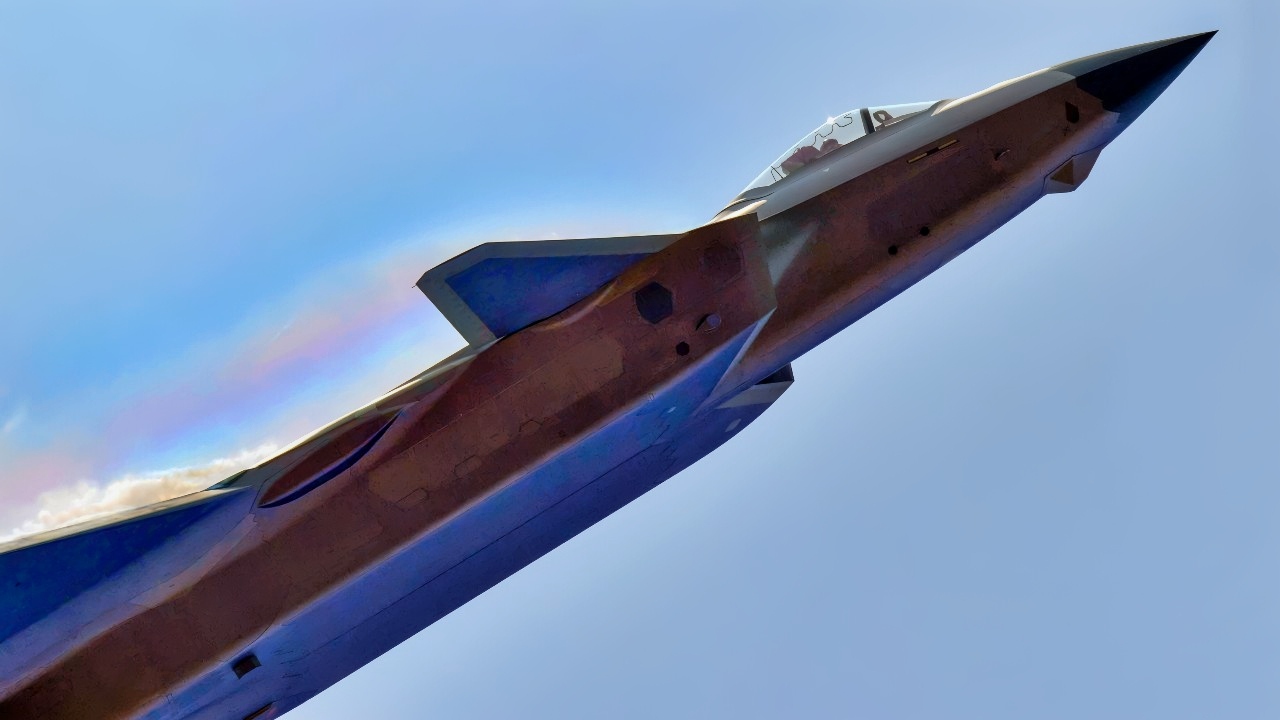
China J-20 Long Shot from 2021. Image Credit: Chinese Military.
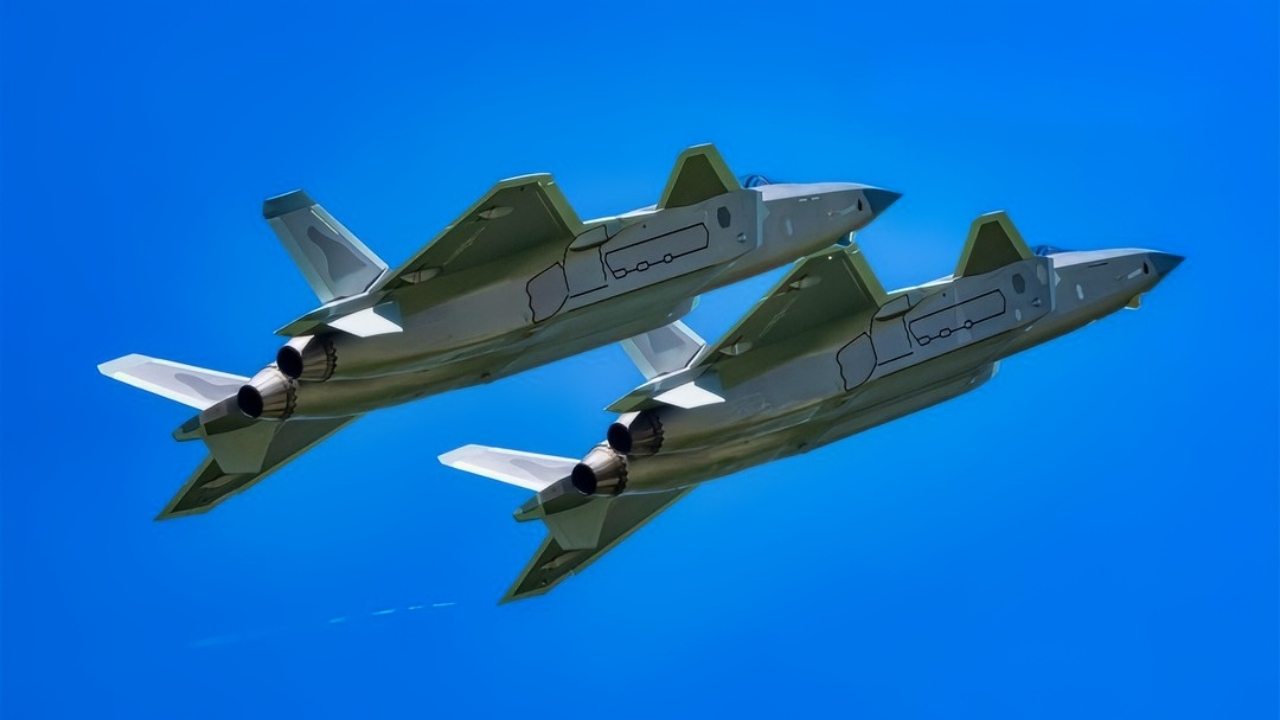
J-20 Fighter In Formation PLAAF Photo
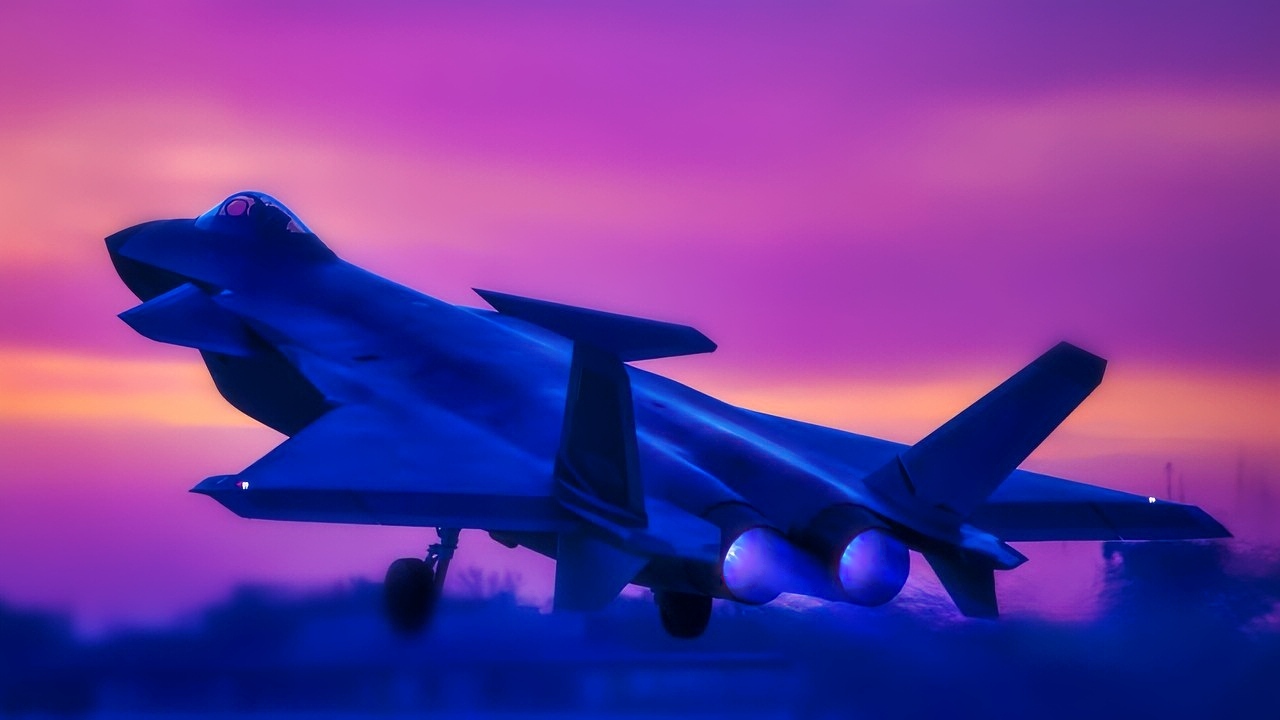
J-20 Fighter from China. Image Credit: PLAAF.
Where to Go From Here
China’s island-building has physically reshaped the region both militarily and environmentally. The damage is largely irreversible, functionally ending a vibrant ecosystem that took millennia to form.
The degradation of fisheries will lead to regional food insecurity, making neighboring states more dependent on imports. Geopolitical friction will increase as disputes over remaining resources rise.
The environmental loss is hard to calculate, with a catastrophic reduction in global marine biodiversity.
The precedent being set is concerning, too—the tradeoff between ecological destruction and territorial expansion that other nations may be inspired to follow. If other nations adopt similar tactics, the ecological fallout would potentially be severe.
About the Author: Harrison Kass
Harrison Kass is a writer and attorney focused on national security, technology, and political culture. His work has appeared in City Journal, The Hill, Quillette, The Spectator, and The Cipher Brief. He holds a JD from the University of Oregon and a master’s in Global & Joint Program Studies from NYU. More at harrisonkass.com.


