
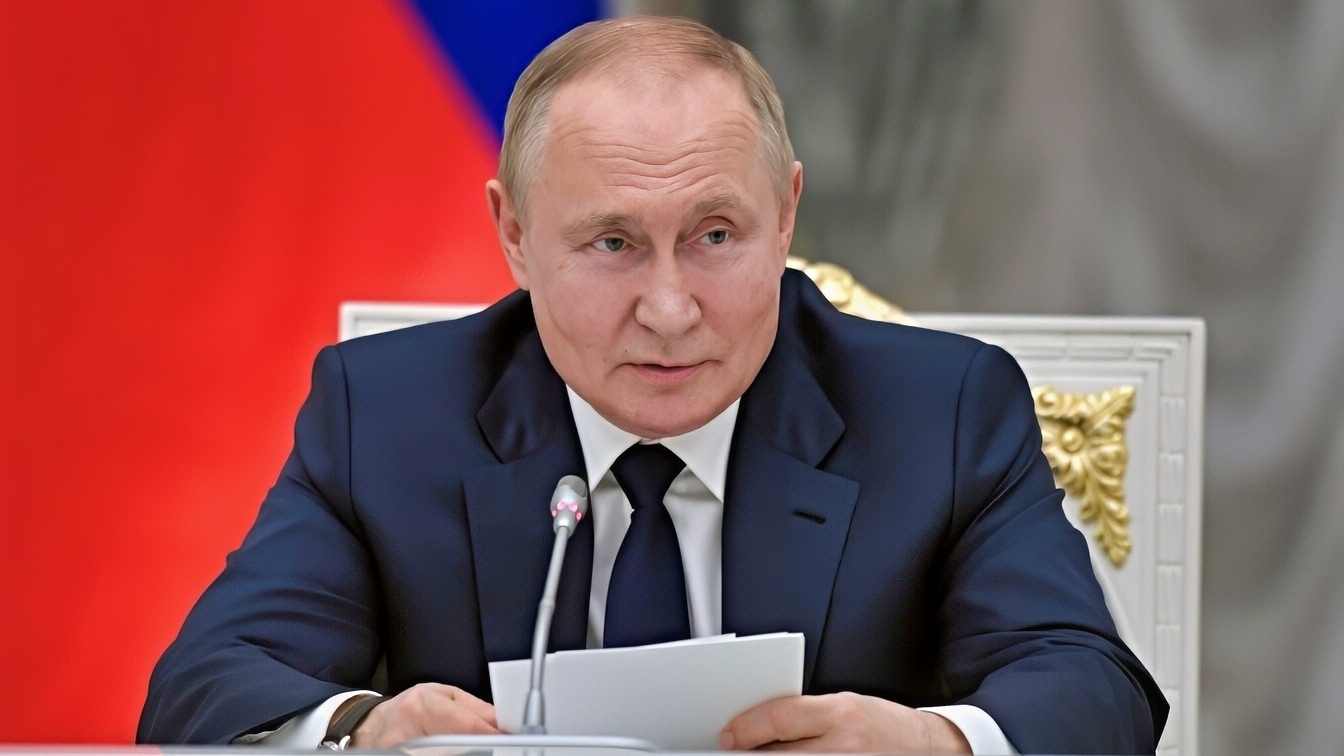
Ukraine Is Confident – But Will It Change the Outcome of the War?: During the early days of the war, Ukrainian President Volodymyr Zelenskyy spent an enormous amount of time pleading with Western governments for permission to strike targets deep inside Russia. At the time, U.S. President Joe Biden and European leaders were concerned that using long-range weapons that they had supplied to strike targets deep inside Russia could trigger a dangerous escalation and widen the conflict beyond Ukraine’s borders.
But today, Ukraine is conducting long-range strikes without the help of its allies in the West. Long-range strikes targeting oil facilities and airfields are a common occurrence today – and at the same time, Russian battlefield gains are slowing dramatically. Ukraine is not only taking the fight to Russian soil, but it is successfully imposing economic costs on Moscow rather than just defending its territory.
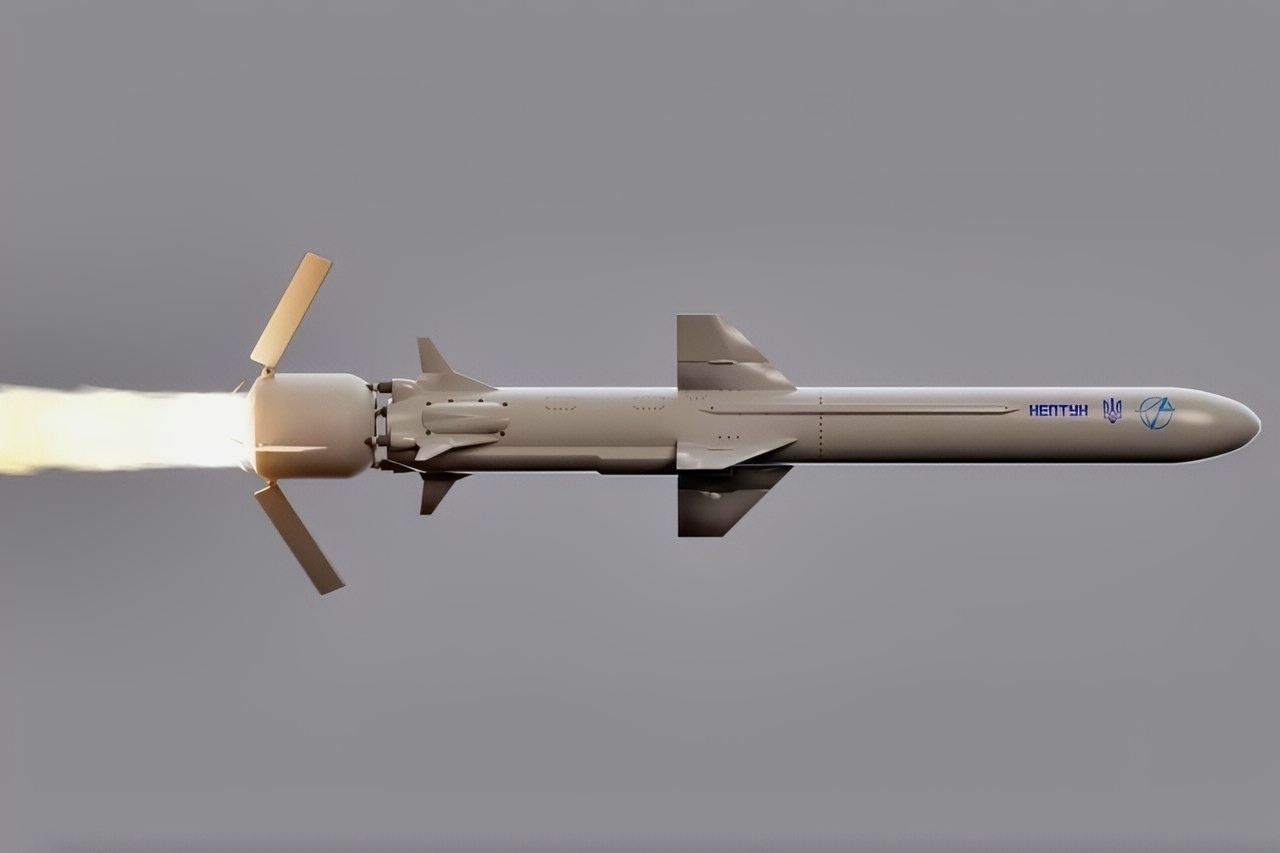
Neptune Missile. Image Credit: Government of Ukraine.
That is not to say the war is about to end. Nobody knows how long this could go on for. But Ukraine’s confidence is growing every day, raising the question: has the conflict reached a turning point?
From Begging for Missiles to Long-Range Drone Strikes
During the early years of the war, one of Kyiv’s biggest frustrations was the reluctance of Western governments to deliver long-range weapons. The Biden administration repeatedly rejected requests for the Army Tactical Missile System (ATACMS), which can strike targets up to 195 miles away. In January 2023, then-Under Secretary of Defense Colin Kahl explained that Washington was not comfortable providing weapons capable of enabling attacks deep inside Russia. U.S. officials were concerned that such strikes would provoke escalation and increase the risk of a direct confrontation between NATO and Russia.
“Our position has been—as a matter of US policy—we’re not comfortable enabling strikes into Russia. We’ll let you know if that changes, but that’s current U.S. policy,” Kahl said at the time.
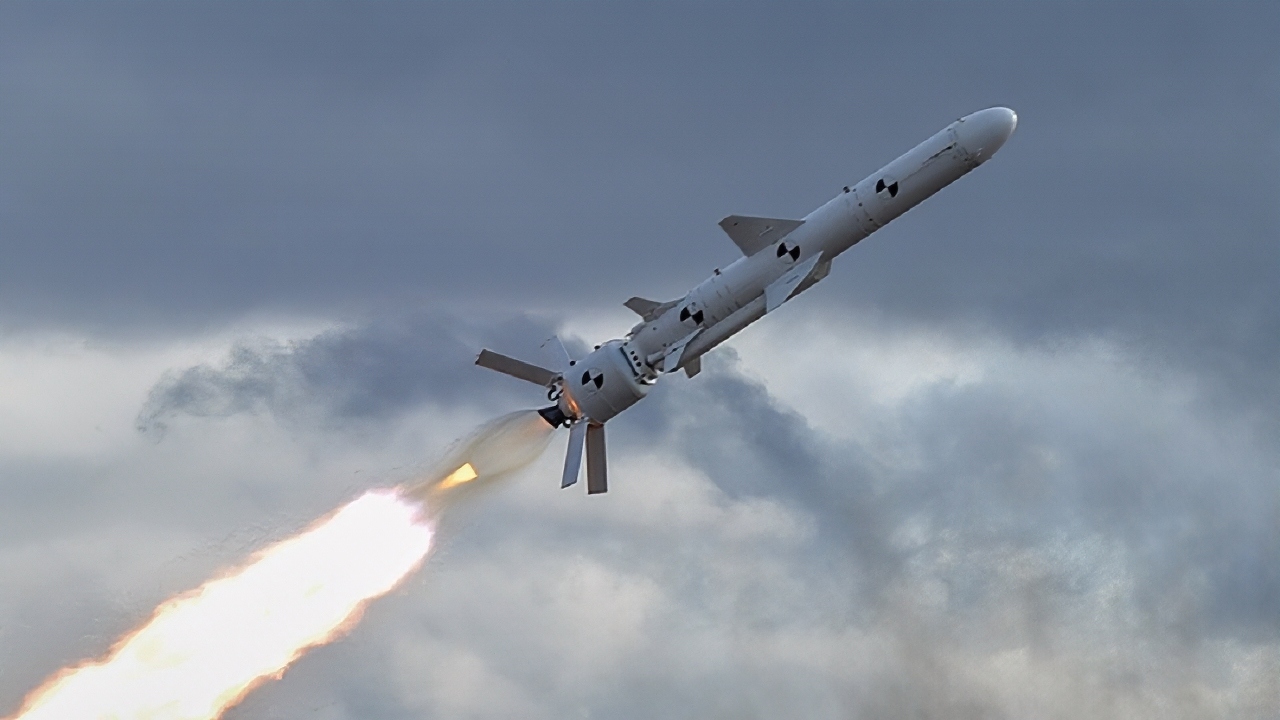
Neptune Missile. Image Credit: Creative Commons.
It meant Ukraine spent a large amount of time fighting with shorter-range systems while lobbying for greater freedom to strike deep into Russia. It was an almost entirely defensive operation. But today, Ukraine has effectively bypassed the debate, because rather than relying solely on Western-supplied missiles, it has built an enormous domestic drone industry that allows it to carry out long-range strikes without the need for Western permission.
The Drone Campaign Today
What began as a small drone program that saw jerry-rigged drones dropping grenades into tanks has become a massive industrial effort. Ukraine was producing only a few thousand first-person-view (FPV) drones in 2022, but by 2025, annual production had reached roughly three million units. As of today, domestic manufacturing operations have the capacity to produce as many as eight million drones per year.
What’s more, Ukraine is producing increasingly sophisticated long-range systems that are capable of striking targets more than 2,000 kilometers away – and those drones are being used at a shocking pace. Thousands of strikes against Russian military and logistical targets are now taking place every month behind the front lines, targeting everything from air bases and ammunition depots to radar sites and fuel storage facilities. And unlike regular missiles, drones allow Ukraine to sustain pressure – and do so at a low cost. Instead of relying on a limited stockpile of expensive Western missiles that require constant diplomatic efforts and negotiations to replace, Kyiv can continuously launch large numbers of domestically produced systems.

Ukraine War TOS-2. Image Credit: X Screenshot.
It means Russia is no longer insulated from the war, and Ukraine is no longer constantly on the defensive.
Russia Is Under Economic Pressure
One of Ukraine’s primary objectives has been to place pressure on Russia’s energy sector. Throughout 2025 and 2026, Ukrainian drones have repeatedly struck refiners and depots, damaged oil infrastructure, and even caused some production facilities to shut down for periods of time. According to Reuters, attacks between January and May 2026 at times knocked out roughly 700,000 barrels per day of Russian refining capacity. At least 16 refineries were impacted by those strikes.
Ukraine Grows More Confident
Ukraine is growing increasingly confident as these strikes continue. Last week, Ukrainian President Volodymyr Zelenskyy published an open letter addressed directly to Russian President Vladimir Putin, in which he argued that the war had become a burden on ordinary Russians. He warned the Russian president of the severe economic consequences that would arise if the war did not end. Rather than just appealing to Western governments for assistance, Zelenskyy appealed to the Russian citizens, elites, and the Kremlin. In his message, he outlined how Ukraine believes pressure inside Russia is growing, and called on Putin to meet with him face-to-face to end the conflict.
But Putin dismissed the idea of negotiations and said he has no reason to meet with Zelenskyy. Regardless, the letter reflects a quite noticeable shift in tone. Ukraine is causing damage, and Zelenskyy knows that Putin knows it.
Russia Isn’t Gaining on the Front Lines
As Ukraine causes damage inside Russia, the story on the frontlines is changing – and that’s only adding to Ukraine’s newfound confidence. For much of 2024 and 2025, Russia was making steady advances across eastern Ukraine. Those gains were largely measured in miles rather than hundreds of miles, yes, but the momentum generally favored Moscow. But that trend is now changing.
According to the Institute for the Study of War, Russian offensive operations are slowing significantly.
So, is this a turning point? It’s hard to say. If Russian leaders conclude that the current trajectory threatens their long-term objectives, they may choose to compromise. But they might also choose escalation.
About the Author: Jack Buckby
Jack Buckby is a British researcher and analyst specializing in defense and national security, based in New York. His work focuses on military capability, procurement, and strategic competition, producing and editing analysis for policy and defense audiences. He brings extensive editorial experience, with a career output spanning over 1,000 articles at 19FortyFive and National Security Journal, and has previously authored books and papers on extremism and deradicalization.


