

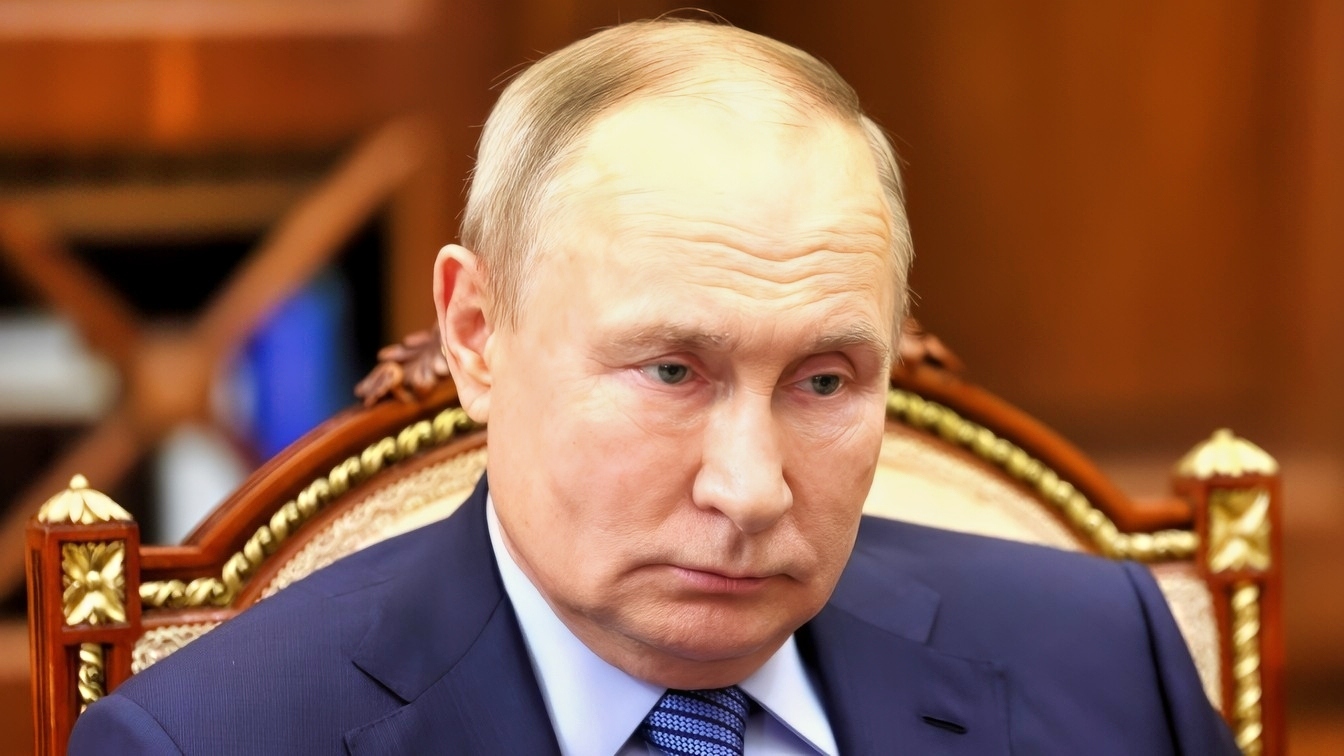
Ukraine, in recent months, has stepped up its drone strikes deeper inside Russia, a change in strategy that has resulted in a growing number of civilian deaths.
However, whether that changes Russia’s approach to the war is an entirely separate question, at least according to a New York Times analysis published on Tuesday.
According to The Times, Russian President Vladimir Putin was able to avoid mass civilian deaths, or even disruptions, in the earlier years of the war, at least away from the border regions. However, thanks to Ukraine’s newfound ability to employ drone strikes in far-flung parts of Russia, including in Siberia, that has begun to change. However, The Times did note that there have been no civilian deaths in strikes within Moscow’s city limits, despite multiple attacks that have hit the capital city.
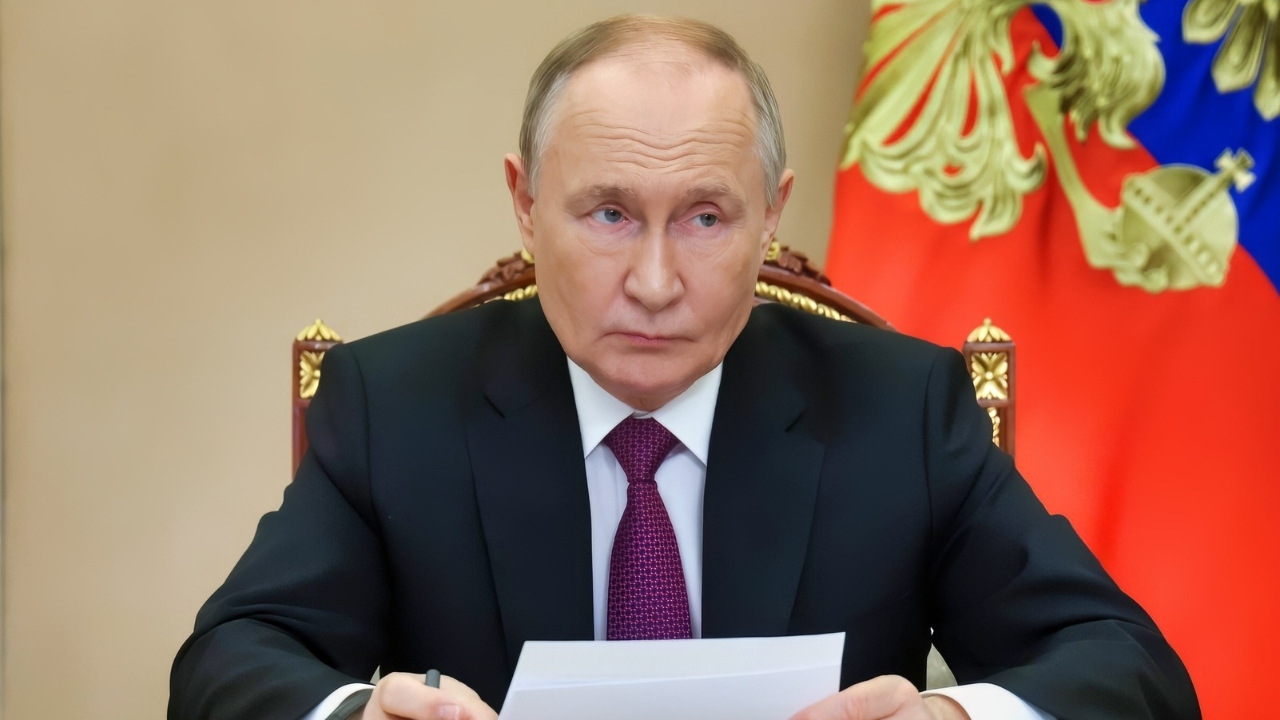
Russia’s President Putin Sitting at a Desk. Image Credit: Creative Commons.
The Conflict Intelligence Team, an independent organization that collects data on civilian casualties in war, found that “Russian civilians are dying in long-range attacks at the highest rate since the war began.” That organization found that 327 people died in Russia from “shelling, drone attacks and airstrikes outside occupied areas” in the first seven months of the year, compared to 145 civilian deaths, less than half of that total, in the same period the year before. The number of wounded, 2,366, also doubled the total from the first half of last year.
The most recent such attack was Ukraine’s attack on an oil refinery in Nizhnekamsk, more than 500 miles East of Moscow, in which 13 people were killed.
The Times did note that Ukraine has lost considerably more civilians throughout the war than the Russian side has, with Ukrainian civilian casualties rising of late, along with Russian ones.
The Conflict Intelligence Team reported that 1,695 civilians died in the parts of Ukraine that are not occupied by Russia in the first seven months of 2026, which is itself a 25 percent increase over the same period last year.
CNN also had a report this week about rising civilian deaths on both sides of Russia and Ukraine’s conflict. They noted that both sides’ offensive capabilities have begun to outstrip their defenses, and that while the front line of the war has stagnated, the skies are getting more dangerous and deadly.
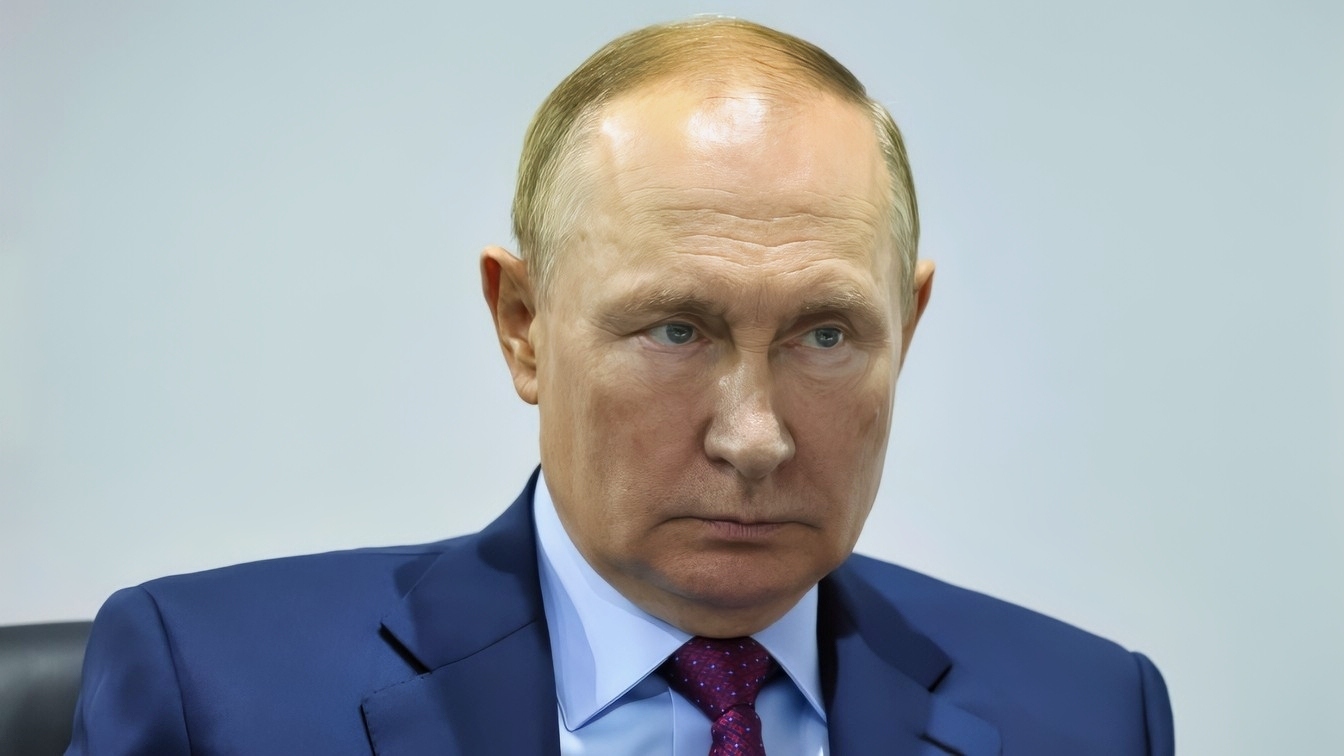
Putin in 2022 Russian State Media
“We definitely see an increased number of (attack) events, an increased number of casualties as well,” Olha Polishchuk, the Eastern Europe research manager at Global Conflict Monitor ACLED, told CNN. “There has been an escalation also with regard to the variety of targets that are hit.”
Polishchuk noted that Russia has begun to mirror Ukraine’s attacks, as the strikes on Wildberries warehouses have been answered by Russian strikes on warehouses owned by the Rozetka electronic store in Ukraine.
CNN also reported that Russia fired 139 ballistic missiles into Ukraine in the month of July, the most of any month this year, as cited by the Center for Strategic and International Studies (CSIS).
Not Targeting Civilians
Ukraine has long asserted that it abides by international law and does not target civilians in its attacks, while accusing Russia of not following any rules of minimizing civilian casualties.
Per The Times, keeping that up is “critical to preserving international support.” However, it’s clear that “some attacks have clearly gone awry or caused deaths as a byproduct.”
Pressure on Putin?
The Times also reported that the recent strikes, which have hit oil refineries, tankers, and even a series of warehouses owned by Wildberries, Russia’s answer to Amazon, have led to a steep drop in the Russian leader’s popularity. However, it’s not clear that that will be enough to convince Putin that it’s time to change course in the war.
The CNN analysis also examined what Putin will do in response to ongoing economic pressure.
Natia Seskuria, a senior research fellow at the Royal United Services Institute, examined what might happen if Putin were pressured to pursue diplomacy.
“The problem is that (Putin) no longer has the leverage that he had back in the days when he started negotiating with the United States, and the United States back then had a more favorable position towards Russia,” Seskuria told CNN, in reference to Donald Trump’s changing posture towards the conflict.
About the Author: Stephen Silver
Stephen Silver is an award-winning journalist, essayist, and film critic, and contributor to the Philadelphia Inquirer, the Jewish Telegraphic Agency, Broad Street Review, and Splice Today. The co-founder of the Philadelphia Film Critics Circle, Stephen lives in suburban Philadelphia with his wife and two sons. For over a decade, Stephen has authored thousands of articles that focus on politics, national security, technology, and the economy. Follow him on X (formerly Twitter) at @StephenSilver, and subscribe to his Substack newsletter.


