

Israel and Hezbollah Could Blow Up Iranian-American Peace Plan: The U.S.-Iranian peace framework is complex, immature, and fraught with risk. There are no guarantees that this agreement can stand the test of time. One wild card in the whole effort is how much Israel’s strategic aims would affect the ceasefire. Keeping Israel and Hezbollah from fighting in Lebanon will be a critical requirement for the peace framework between the Americans and Iranians to succeed.
There Is Always the Fear of Missile Strikes Between Israel and Hezbollah

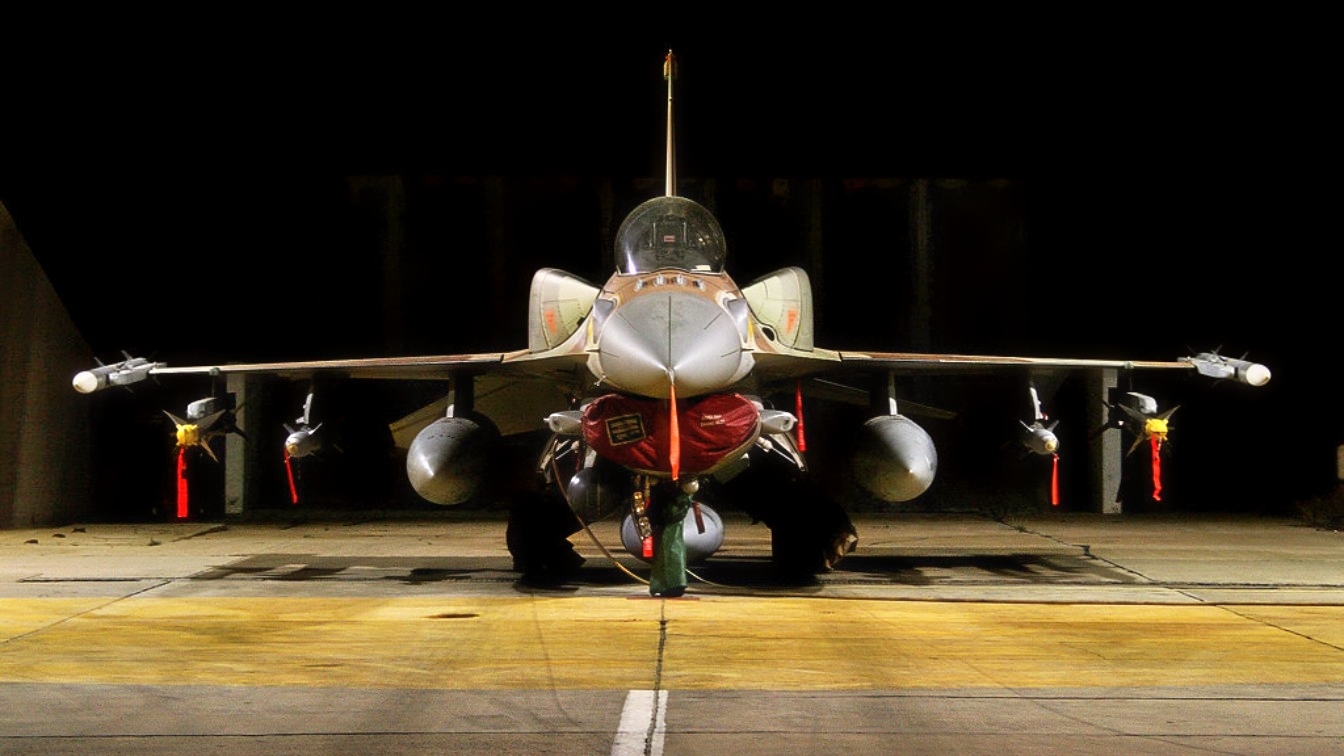
Israel’s F-35I Adir Fighter. Image credit: Creative Commons
Even before the Memorandum of Understanding was signed electronically, the Israelis thought there would be a massive missile strike coming in from Hezbollah last weekend. They vowed to strike back. This terror attack was not executed, but the Iranians were leery of signing the American-offered deal, knowing that its Middle East terror proxy could plunge back into war with Israel.
Israel’s Leader Says ‘Struggle is Not Over’
Prime Minister Benjamin Netanyahu declared on June 15 that Israel’s “struggle is not over” while vowing to occupy in “security zones” in Lebanon. “We will remain in these security zones for as long as necessary to defend our country,” he told a news conference, as NBC News noted.
Israel Against the World
This is not good news for the peace effort that President Donald Trump and his diplomatic team have worked so hard to forge. Netanyahu has been castigated by the American president before, and he always seems to take his country’s security more seriously than the peace negotiations in the Middle East.
Israeli Attacks in Lebanon Are a Red Line in Tehran
Iran has considered the war between Israel and Hezbollah to be a major stumbling block to the ceasefire in the Memorandum of Understanding. Even one missile exchange could send the peace framework into disarray. The Israelis must understand the stakes both the Americans and Iranians face in negotiating such a tenuous agreement that could fail at any time.
Israeli Prime Minister Shares Strategic Outlook with the Americans
Netanyahu does share the joint objective between Israel and the United States to keep a nuclear-free zone in the Middle East.

F-35I Adir. Image Credit: Creative Commons.

F-35I Adir. Image Credit: Creative Commons.
“With an agreement or without an agreement — Iran will not have nuclear weapons,” he said. “Not today, and not tomorrow. As long as I am Prime Minister of Israel, this will not happen,” according to I24 News.
Would Trump Meet Netanyahu Face-to-Face to Save the Peace Agreement?
Netanyahu also wants a separate meeting with Trump to articulate his problems with the framework that could see Israel attacked by Hezbollah. Israel would retaliate if this happened, and talks would be jettisoned by the Iranians. So, the two warring sides in Lebanon must be willing to lay down arms, too.
“He’s a very difficult guy,” Trump said of Netanyahu in a sit-down with The New York Times shortly after the deal was made. “To be honest with you, he should be very thankful to us for doing this. Because if Iran had a nuclear weapon, Israel wouldn’t be around for two hours.”
Israel Must Turn the Other Cheek
This came as Israel launched attacks against the southern part of Lebanon on June 14 in response to Hezbollah battle maneuvers in the north of the country earlier that day.
The Trump diplomatic team will have to wait and see whether Israel can turn the other cheek if Hezbollah strikes Israeli forces or rains down missiles on Tel Aviv. The Israelis are open to the peace framework if it can actually work to curtail the Iranian nuclear program. But Hezbollah is another problem that could spoil all of the diplomatic work Washington and Tehran have undertaken over the last few months.
Israel Will Still Occupy Lebanon Militarily
Moreover, Israel has said it will not withdraw its forces from Lebanon. This assertion is making Iran fret that its ally Hezbollah could easily start fighting again to eject the Israelis from its territory. This means that Iran could duck out of its commitments should Israel respond with violence.
As of June 15, there was relative peace between Israel and Hezbollah, with only one drone flying over the area of operations. But it will not take much for either side to spark a new battle, and not every politician in Israel is ready for a long ceasefire with Hezbollah.
“Trump’s agreement does not bind us. Israel is not subject to the United States, and we are an independent and sovereign nation!” Itamar Ben-Gvir, Israel’s ultra-conservative minister of national security, wrote in a post on X on June 15. “We must not compromise on anything less than the dismantling of Hezbollah; we must not withdraw from any territory that our fighters have captured and cleared.”
Conservative Israelis Won’t Back Down
Other nationalist politicians in Israel declared that the American-Iranian peace framework is tenuous and that it may not be in Jerusalem’s national interest.
Netanyahu’s weak ruling coalition depends on far-right politicians for support. If Hezbollah attacks Israel, he may have no other choice but to respond militarily to assuage these conservative and nationalistic leaders. If that upsets the peace deal, then so be it.
This will require Trump and Netanyahu to communicate extensively to make sure Iran does not pull out due to combat between Israel and Hezbollah. The White House is certain to be holding its breath, depending on Netanyahu to refrain from overreacting. The American diplomatic team is doing everything it can to convince the Iranians not to pull out of the peace deal due to potential violence in Lebanon.
About the Author: Dr. Brent M. Eastwood
Author of now over 3,500 articles on defense issues, Brent M. Eastwood, PhD, is the author of Don’t Turn Your Back On the World: A Conservative Foreign Policy and Humans, Machines, and Data: Future Trends in Warfare, plus two other books. Brent was the founder and CEO of a tech firm that predicted world events using artificial intelligence. He served as a legislative fellow for US Senator Tim Scott and advised the senator on defense and foreign policy issues. He has taught at American University, George Washington University, and George Mason University. Brent is a former US Army Infantry officer. He can be followed on X @BMEastwood.


