


Did President Donald Trump cave in to Iranian demands to make his deal on the Memorandum of Understanding a reality?
The devil is in the details, as the real negotiations will officially begin once the MOU is signed on Friday.
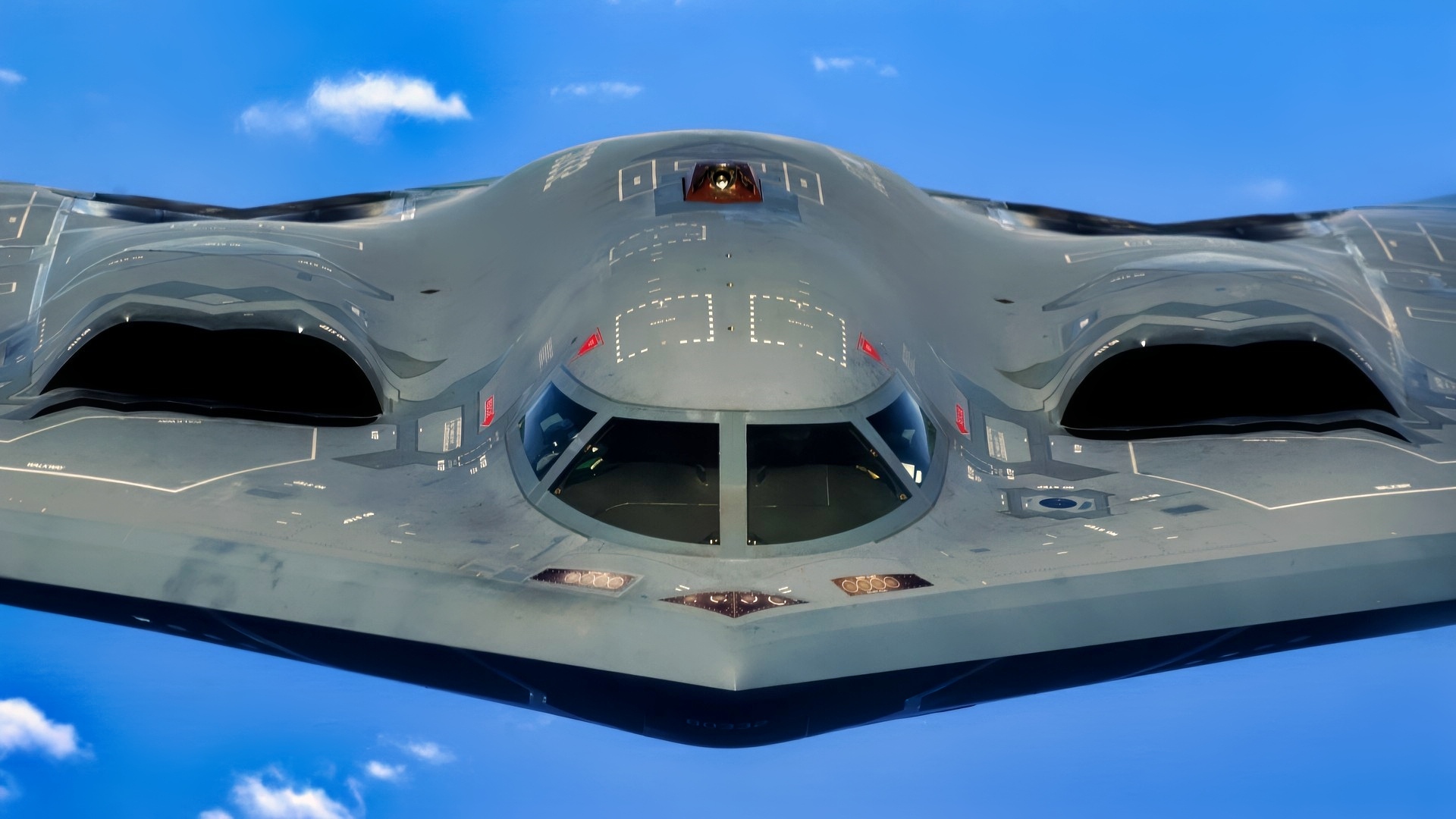
B-2A Spirit Stealth Bomber USAF Image.
It seems that the critics have come out in force, especially on Capitol Hill, where legislators are starving for more information about the agreement with Iran.
What If Israel Plays the Spoiler?
Trump may be concealing the MOU’s inner workings because he is not sure the agreement can be followed to meet his objectives.
There are still the Israelis and Hezbollah to worry about. Conflict between the two could end the ceasefire.
Prime Minister Benjamin Netanyahu is the wild card, and he could order more strikes against Hezbollah that would send the Iranians into a tizzy.
Tehran is still worried about Israel Occupying Lebanon
Iran wants the Israelis to completely withdraw from Lebanon, and Trump may not have foreseen that this demand would be a problem.
The Iranians have proved to be excellent negotiators, and Trump may have given them too much in terms of their strategic objectives, especially given the possibility that they could receive unfrozen funds to rebuild their military.
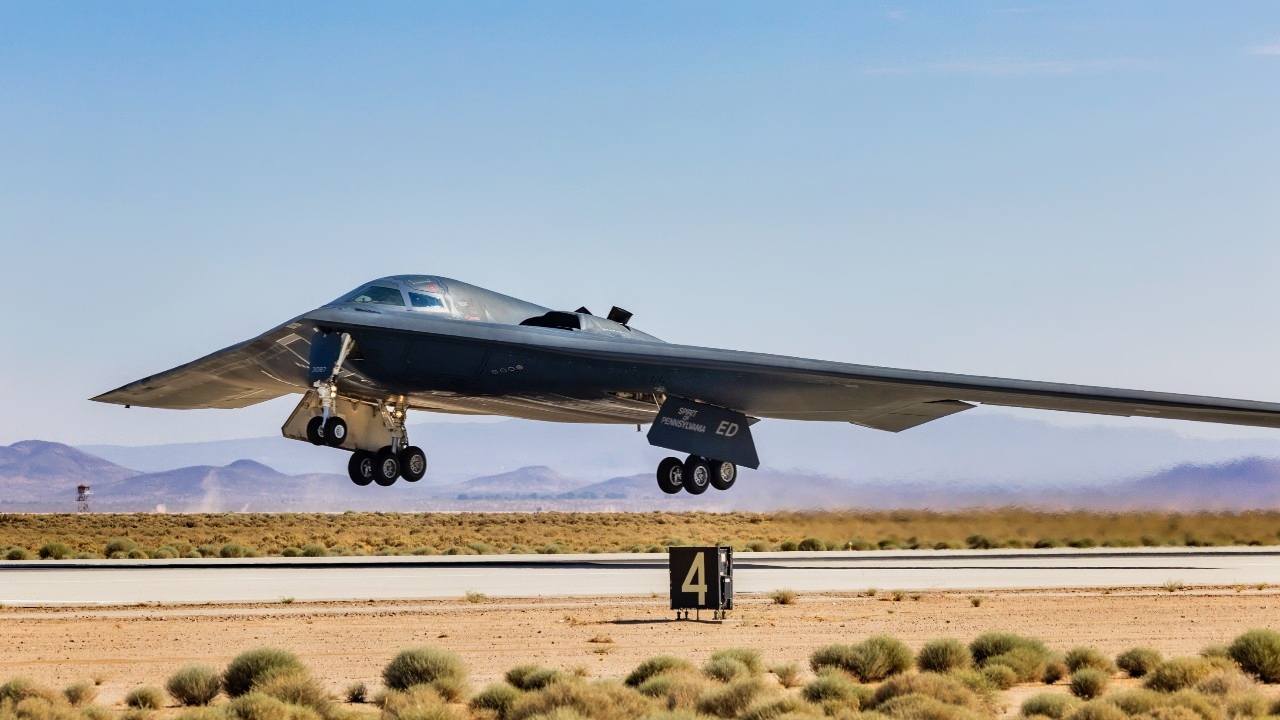
The Spirit of Pennsylvania B-2 Spirit assigned to the 419th Flight Test Squadron lands at Edwards Air Force Base, California, July 17. (Air Force photo by Lindsey Iniguez)
Is Trump a Hypocrite?
The unfrozen funds are opening Trump up to charges of hypocrisy since he was so against President Barack Obama’s dealings with Iran, which allowed a substantial amount of money to be released to the Iranians.
Trump later withdrew from the Joint Comprehensive Plan of Action.
Iran Doesn’t Want International Nuclear Inspectors In Its Country
Trump still demands that Iran relinquish their nuclear program, and this will be front and center in future negotiations.
If successful, especially if Tehran gives up its enriched uranium and allows the United States or an international body to remove it completely, and a group of inspectors can regularly visit the country to make sure no attempts at a nuclear program are ongoing, then Trump could claim victory.
But Iran may not want such an arrangement, especially with outside inspectors entering their country.
The United States Has Already Won
Iran will not receive any economic or financial largesse until it agrees to such stipulations from the Americans.

B-2 Spirit stealth bombers assigned to Whiteman Air Force Base taxi and take-off during exercise Spirit Vigilance on Whiteman Air Force Base on November 7th, 2022. Routine exercises like Spirit Vigilance assure our allies and partners that Whiteman Air Force Base is ready to execute nuclear operations and global strike anytime, anywhere. (U.S. Air Force photo by Airman 1st Class Bryson Britt)
Vice President JD Vance, who is charged with selling the MOU to the American people, is optimistic.
“We fundamentally have transformed the Middle East, whether they comply or not. This is just icing on the cake, assuming they do all the right things,” Vance said on Fox News.
What Are the Rest of the Details of the MOU?
However, the full terms of the agreement will not be released until the signing ceremony in Switzerland on June 19. We may learn that Trump has given up more than what he has admitted so far.
Keeping Ballistic Missiles Alive
One requirement that is under consideration is that Iran must give up its ballistic missile program, too. If Trump does not require that in the future, this would give Tehran the ability to still wage war.
Allowing the missiles to be produced and used would be a huge win for the Iranians.
The West still does not want the Iranians to supply money and arms to terrorist groups in the Middle East, such as Hamas, Hezbollah, and the Houthis.
Will This Final Agreement Pass the United Nations
Another tricky part of the proposal is that the final deal would have to pass through the United Nations Security Council approval.
This may be difficult with China and Russia on the council. The agreement would need the Chinese and Russians to be on board. These countries may ask for more leniency with the Iranians.
Energy Program Gets a Lift
Another stipulation concerns the Iranian oil industry and its export potential.
“The United States will issue waivers allowing Iranian exports of crude oil, petrochemical products, and related services, including banking, insurance, and transport, until sanctions are lifted,” according to the Hindustan Times.
This item on the MOU is a great deal for Iran. They essentially get their economy back without the imposition of sanctions if Tehran does not pursue a nuclear weapon.
This is a deal sweetener that may have gone too far. Iran is still being rewarded, and the Americans appear to be giving away negotiation leverage in the final agreement regarding the Iranian economy.
Perhaps the Terms Are Too Much in Favor of the Iranians
Iran can still fight it out for some level of enriched uranium. They may not have to give up their terrorism support, and they could keep their ballistic missile program.
This could all change if Trump and his diplomatic team work steadfastly in the next 60-day negotiation program.
The Americans need to keep Tehran from winning these demands, or the entire peace deal could be seen as the United States caving to demands.
We will keep a close eye on future negotiations. The MOU is a good start, but many of its points do not address Iran as a malign power bent on destabilizing the Middle East.
Israel could interrupt negotiations with further attacks on Hezbollah. So, this is a gamble for the United States.
The Americans want a full diplomatic win over Iran, and they might not get all the concessions they seek.
About the Author: Brent M. Eastwood. PhD
Author of now over 3,500 articles on defense issues, Brent M. Eastwood, PhD, is the author of Don’t Turn Your Back On the World: A Conservative Foreign Policy and Humans, Machines, and Data: Future Trends in Warfare, plus two other books. Brent was the founder and CEO of a tech firm that predicted world events using artificial intelligence. He served as a legislative fellow for US Senator Tim Scott and advised the senator on defense and foreign policy issues. He has taught at American University, George Washington University, and George Mason University. Brent is a former US Army Infantry officer. He can be followed on X @BMEastwood.


