
Russia Forced to Import Gasoline Thanks to Ukraine War: After reports revealed Moscow was seeking fuel imports from Kazakhstan, the Kremlin confirmed on June 30 that it is looking to import gasoline from abroad for the first time in years. The shock admission reveals the extent of the damage being done to Russian energy infrastructure as part of its ongoing long-range strike campaign.
The Kremlin confirmed that discussions are underway with multiple foreign suppliers to purchase fuel – a remarkable development for one of the largest oil exporters in the world.
The announcement also comes only days after the Russian president was forced to publicly admit that Ukrainian strikes are creating fuel shortages in parts of the country.

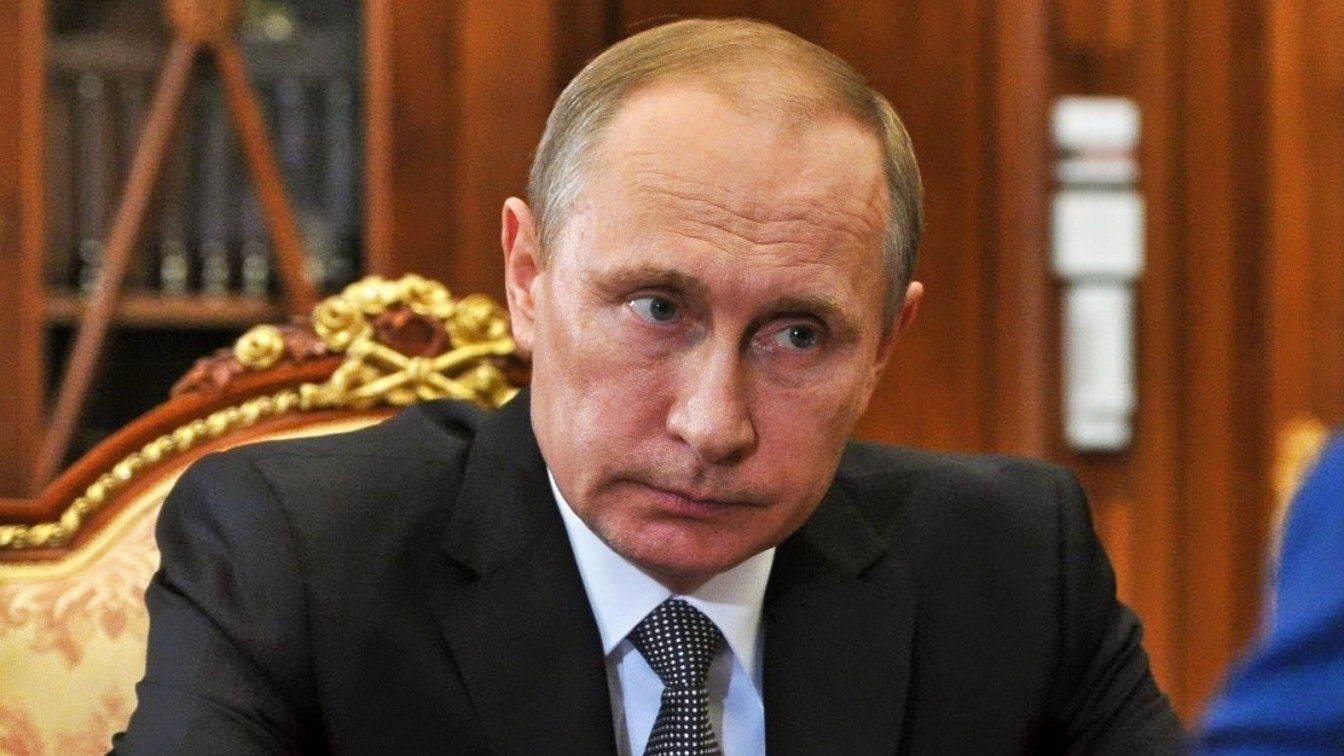
Putin Back in 2023. Image Credit: Kremlin.
The Kremlin Confirms Fuel Import Talks
During his daily briefing on Tuesday, Kremlin spokesman Dmitry Peskov confirmed that Moscow is now actively negotiating gasoline imports to ease domestic pressure.
“Discussions are actively being held,” Peskov told reporters. “If agreements can be reached at acceptable price points, then [imports] will move forward.”
Peskov refused to identify which countries Russia is currently negotiating with, but the confirmation comes after weeks of reports that the government was considering working with foreign suppliers on plans to ease pressure.
Reports indicated that Russia is in talks with Kazakhstan over a potential deal for 50,000 metric tons of AI-92 gasoline.
As the world’s second-largest crude oil exporter, Russia represents a major victory for Ukraine and proves that its long-range strike campaign is causing the economic pressure Kyiv was hoping for. Domestic fuel shortages, combined with the destruction of major military infrastructure in logistics hubs such as Crimea, are also having a substantial impact on Russia’s frontline gains, with analysts reporting diminishing returns on the battlefield.
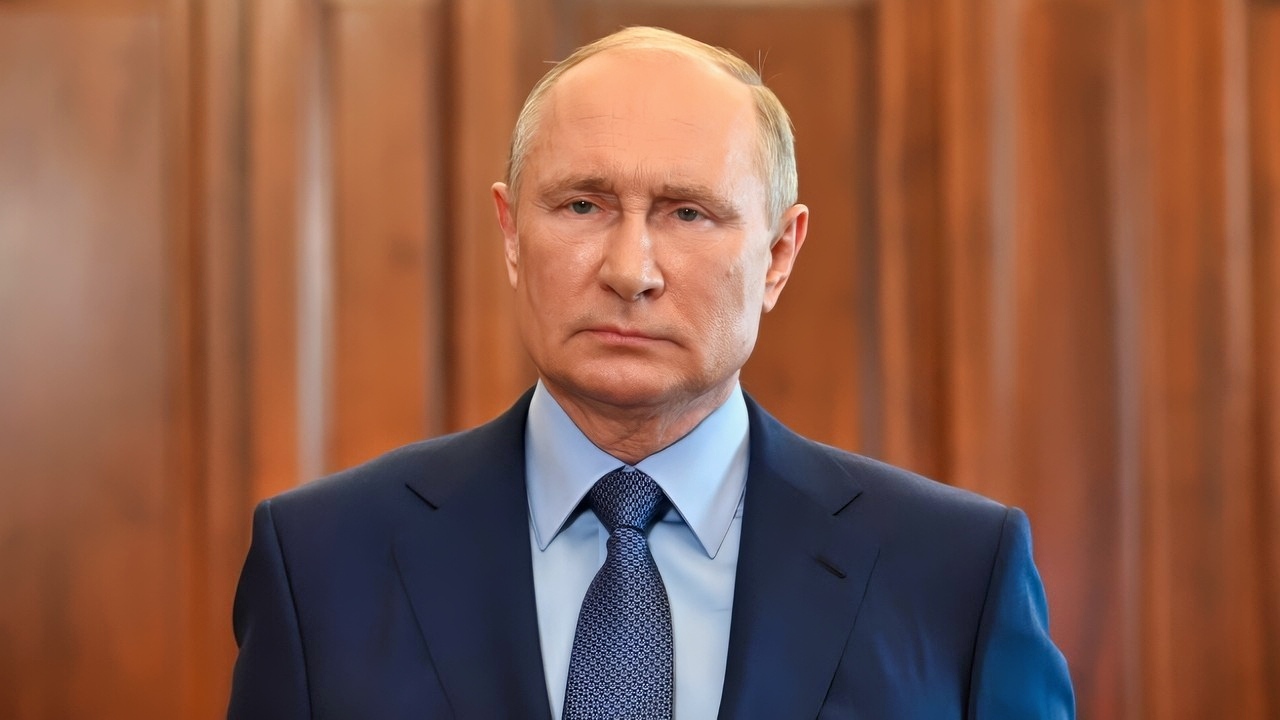
Putin Back in June 2021. Image Credit: Creative Commons.
Putin Admits Problems At Home
The announcement follows Putin’s rare and candid admission over the weekend that Ukrainian strikes have begun affecting domestic fuel availability.
Speaking during a televised discussion on June 28, the Russian president acknowledged there was a shortage of gasoline following repeated Ukrainian strikes on Russian infrastructure.
“You are well aware that problems for drivers and businesses persist,” Putin told the meeting. “Unfortunately, there are still queues at gas stations too.”
The Russian president told senior officials that more must be done to “reduce to a minimum the impact of terrorist attacks on our civilian targets and infrastructure.”
Then, citing a report from his Energy Ministry, the Russian president confirmed that strategic reserves are being used as part of an effort to mitigate the damage. Putin said that strategic gasoline reserves stood at 1.7 million metric tons, which he said was “roughly in line with the level recorded during the same period last year.”
Fuel Crisis Spreads Across Russia
What started as regional shortages has now become a full-blown oil crisis for Russia. The country is now experiencing a nationwide supply problem that affects wholesale markets, fuel stations, and, critically, military logistics.
On June 30, Reuters reported that Russian gasoline production was running below domestic consumption and had been since May – which is precisely what prompted Moscow to draw down reserves and seek replacement supplies from abroad.
The bad news was also evident in the St. Petersburg International Mercantile Exchange, Russia’s primary fuel trading platform. The volume of AI-92 gasoline and diesel sold there has fallen to less than half of what it was in June 2025, and AI-95 gasoline sales have also dropped by about one-third.
Civilians are also experiencing the shortage at the pump. Independent fuel stations have reportedly begun selling fuel for more than 100 rubles per liter for the first time, with some stations charging as much as 140 rubles per liter when supplies are especially tight.
Major oil companies, however, are still selling AI-92 at roughly 63-66 rubles and AI-95 at around 70-73 rubles – but only continue to sell them at lower prices under pressure from regulators. Reports suggest that many of these oil companies are running out of fuel to sell and are considering temporarily closing.
How the Fuel Shortage Hurts the Russian Military
The fuel shortage not only threatens the Russian economy but also strains military logistics. Ukrainian President Volodymyr Zelenskyy said in early June that Ukrainian forces are now capable of striking Russian logistics “throughout the entire depth of the temporarily occupied territories” – and he has proven that to be correct. He described fuel shortages in Crimea as evidence that the strategy is working. And, indeed, it is working; Crimea is under immense pressure, with civilians fleeing, blackouts making life difficult, and military logistics and infrastructure in the region hugely impacted by regular strikes.
Russian authorities have already been forced to prioritize fuel deliveries for the military in the region after supply routes were disrupted. In Sevastopol, officials also suspended normal fuel distribution and instructed civilians to refrain from lining up outside fuel stations because tanker trucks were unable to reach the city.
Every gallon diverted to stabilize civilian fuel supplies is fuel that cannot be used to sustain Russia’s military logistics, forcing Moscow to choose between the two. And if the bridges that make sending supplies to the front line are knocked out in the process of Ukraine’s ongoing oil refinery strikes, that choice is actually being made for Moscow.
About the Author: Jack Buckby
Jack Buckby is a British researcher and analyst specializing in defense and national security, based in New York. His work focuses on military capability, procurement, and strategic competition, producing and editing analysis for policy and defense audiences. He brings extensive editorial experience, with a career output spanning over 1,000 articles at 19FortyFive and National Security Journal, and has previously authored books and papers on extremism and deradicalization.


