

Ukraine’s long-range strikes against Russia continued overnight, while reports suggest the U.S. is warning Poland that Russia may be planning a new assault that tests NATO’s resolve. It’s clear that Russia is beginning to panic, and it’s all thanks to what some might describe as “asymmetric” warfare tactics being deployed by Ukraine.
The Ukraine War Evolves
While striking at the heart of Russian infrastructure and its energy industry is an entirely normal tactic in war, it’s the fact that Ukraine was never expected to have this kind of capability that has taken Russia by surprise. Using hundreds of domestically produced long-range missiles and drones to strike key oil infrastructure in overnight strikes was never on the cards, and Moscow’s military planners never expected the conflict to escalate to this degree.
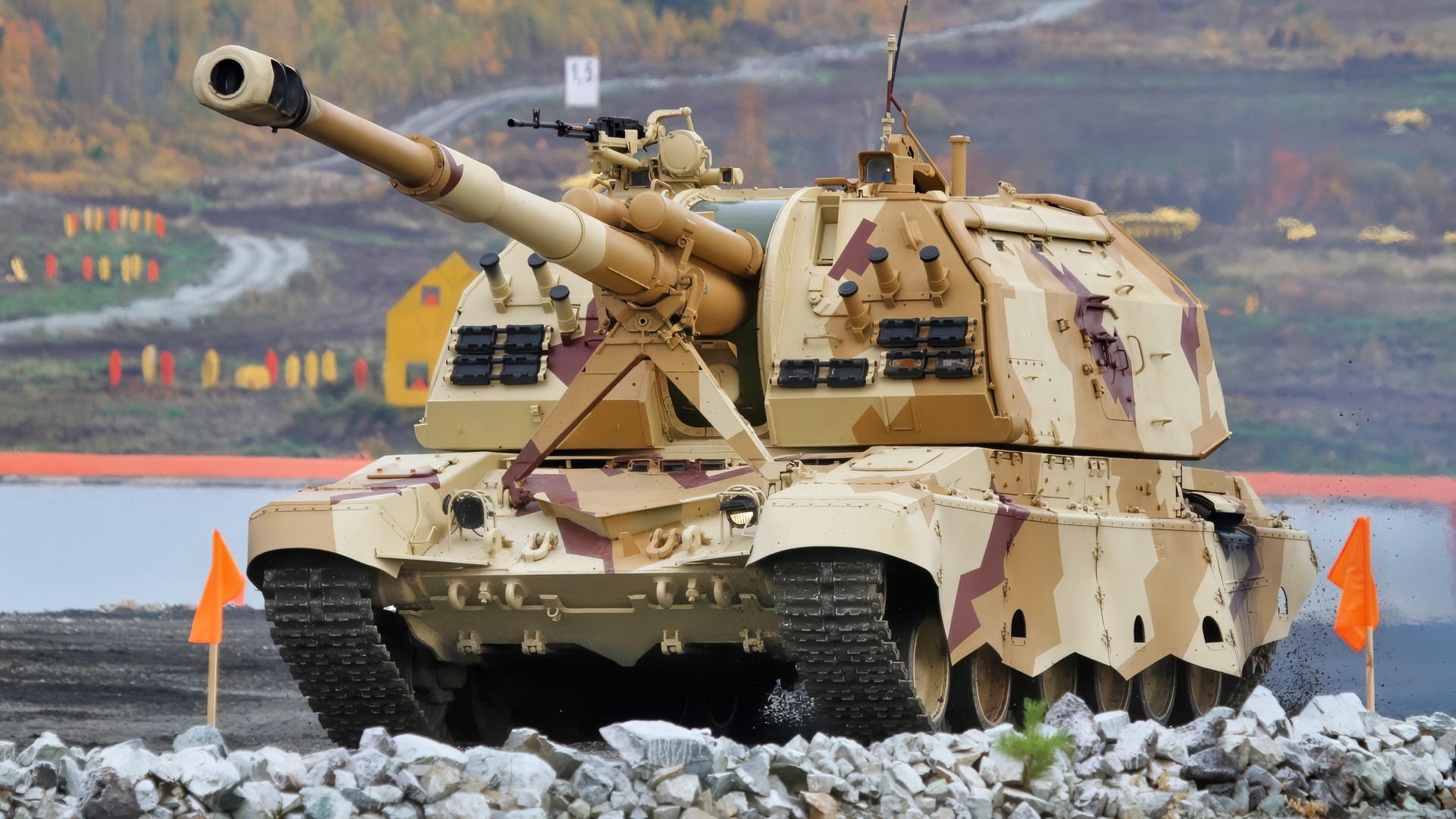
Russian Artillery. Image Credit: Creative Commons.
Over the past several weeks, Ukrainian attacks have repeatedly hit Russian oil refineries and depots, pumping stations, airfields, military facilities, industrial infrastructure, and more – and after weeks of rationing and then the banning of fuel sales to civilians, the Crimean peninsula is now being partially evacuated. Not only are citizens fleeing the peninsula – a critical logistics hub for the Russian military – but unconfirmed reports on Friday morning suggested that documents and military hardware were being removed and sent back to mainland Russia.
The war has taken a turn after more than four years, and Ukraine’s new strategy is working because Russia prepared for the wrong war.
What Happened Last Night
Ukraine’s long-range strikes last night followed one of Moscow’s deadliest missile barrages against Kyiv this year. Russian authorities said that Ukrainian missiles and drones struck the Belgorod region, with local officials reporting damage to energy infrastructure and interruptions to gas and water supplies. Ukraine’s Unmanned Systems Forces (USF) reported successful strikes against 48 Russian military and infrastructure targets deep behind the front lines.
According to USF Commander Col. Robert “Magyar” Brovdi, the operation focused heavily on Crimea, where Ukrainian drones reportedly knocked out 10 energy facilities in what was described as a “Crimean switch.”
“The birds of the Unmanned Systems Forces are delivering voltage to the occupation forces. Crimean switch: 10 more [energy facilities] were switched off overnight,” Brovdi said.
“The birds of the Unmanned Systems Forces successfully engaged 48 targets in the enemy’s operational depth during the night of 2-3 July.”
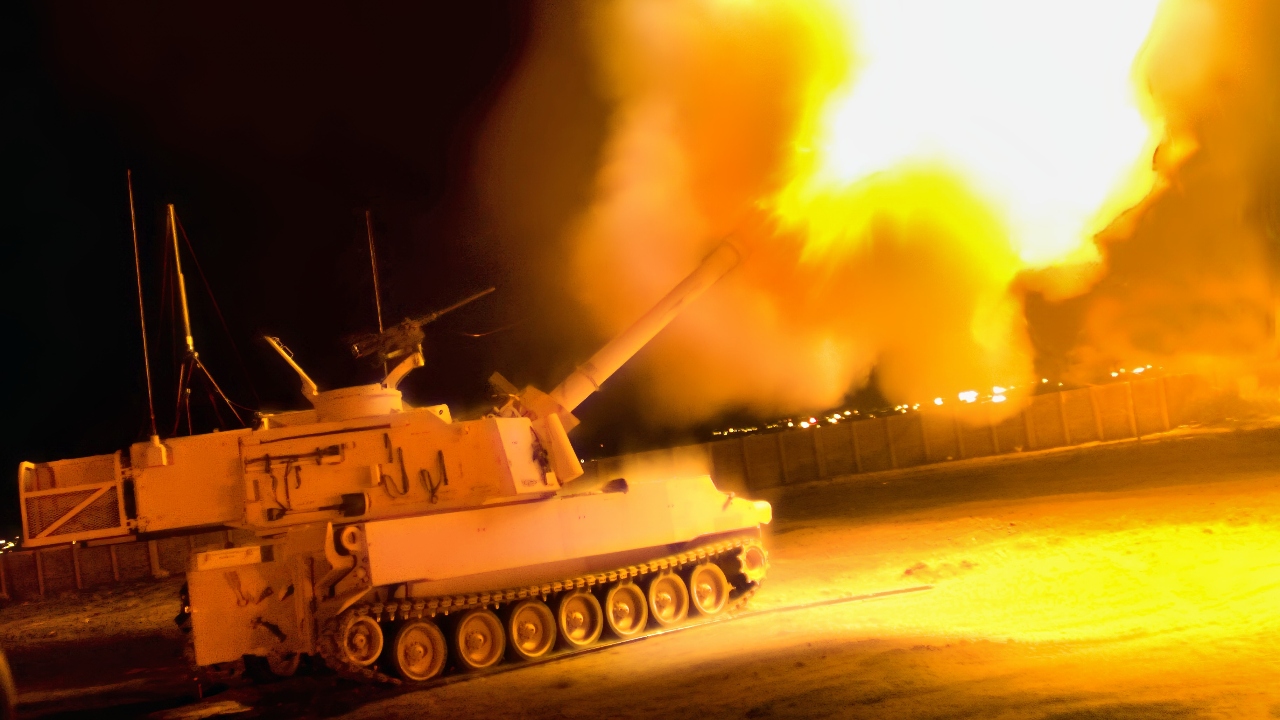
From a gun that shot at trees to an $18 billion boondoggle, these are the 5 worst and most disastrous weapon systems in U.S. Army history. Image Credit: U.S. Army.
Brovdi said that the operation had struck electrical substations at the Tarkhankut Wind Farm and in Tarkhankut, Bilohirsk, Vypasne, Saky, Tavriia, Mykolaivka, Staryi Krym, and Zakhidno-Krymska, as well as the Kliuchi gas compressor station.
Ukrainian drones also reportedly destroyed a Russian Tor-M2 surface-to-air missile system in Zaporizhzhia Oblast – a Ukrainian region presently occupied by Russian forces. The strikes proved that Ukraine is not only successfully taking out critical Russian infrastructure but also continues to destroy valuable air defense systems intended to protect Ukraine’s top targets.
The latest attacks are not new. In June, Ukrainian President Volodymyr Zelenskyy promised to escalate what he described as Ukrainian “long-range sanctions” over a period of 40 days, leaving Moscow to consider its options as its forces face growing pressure on the front lines.
Brovdi recently revealed that strikes conducted by the USF deep inside Russian-controlled territory have increased by 1,150% since the beginning of the year.
The latest round of strikes against Russia also came less than 24 hours after President Zelenskyy vowed to retaliate for Russia’s devastating missile attack on Kyiv. While visiting the site of a destroyed apartment building, Zelenskyy said that Ukraine would “definitely” respond, later adding in his nightly address that “Russia has no argument left for its war other than its ballistic missiles,” accusing the Russian president of choosing to destroy residential buildings rather than end the war.
Russia Prepared for the Wrong War
When Russian forces crossed into Ukraine in February 2022, the Kremlin expected that it would be a short campaign that would eventually be allowed to happen, begrudgingly, by the West – much like its 2014 annexation of Crimea. But instead, more than four years later, Moscow is fighting a war that was technologically impossible when the conflict first began, and for which it had not fully prepared.
Russia invested heavily in offensive capabilities, producing ballistic missiles and strike drones to instill terror in Ukraine, capture Kyiv, and take control of the Donbas region. But it did comparatively little to defend its refineries, airfields, and energy infrastructure in the expectation that Ukraine could not easily fight back. But that’s exactly what happened.
The consequences of those decisions are now becoming clear, not just to Moscow but also to the Russian people, who are facing rising inflation and a fuel crisis. This week, Russia confirmed that it was preparing to import jet fuel and gasoline from abroad, following repeated strikes on its oil refineries. And Russia needs more air defense systems to cope with this new reality. At least 6,000 Pantsir mobile air-defense systems will be necessary to establish sufficient protection of its airspace along its front line and border with Ukraine – and then there’s the matter of defending inside its vast territory.
Had Putin known he was preparing for the wrong war, not only might he have prepared differently, but he might have chosen not to invade.
About the Author: Jack Buckby
Jack Buckby is a British researcher and analyst specializing in defense and national security, based in New York. His work focuses on military capability, procurement, and strategic competition, producing and editing analysis for policy and defense audiences. He brings extensive editorial experience, with a career output spanning over 1,000 articles at 19FortyFive and National Security Journal, and has previously authored books and papers on extremism and deradicalization.


