

Europe’s Diesel Prices Are Soaring As Russia Bans Exports: European diesel prices are soaring as Ukraine continues attacks on Russian oil refineries, a stark reminder that supply risks for diesel fuel extend far beyond the Middle East and the ongoing fighting in Iran.
Diesel exports from Russia have plunged in recent weeks as Ukrainian drone attacks target key energy infrastructure, disrupting operations at key refineries and fuel supplies in a bid to bring Moscow to end the bloody war that has caused over 2 million casualties.

T-14 Armata. Image Credit: Russian State Media.
Russia’s diesel exports fell by 39 percent in June, falling 46 percent from the 3.35 metric tons of the same month a year ago.
The drone attacks have pushed the premium of benchmark European diesel futures over crude oil, known as the crack spread, above $51.25 a barrel on Tuesday, the highest level since April.
Eugene Lindell, head of refined products at the consultancy FGE NexantECA, told Bloomberg, “Exports out of Russia are surprisingly low.”
He added, “At the same time, we are still missing the bulk of Persian Gulf supplies,” and there is a surge in heating oil purchases in Europe.
The recent heat wave in Europe poses a risk to refineries in southern Europe and the Mediterranean. The extreme heat can force processors to cut runs or increase the chance of breakdowns, said Abhishek Kumar, a senior oil analyst at Sparta.
Kumar also said that, “The Russian diesel export ban has landed at almost the worst possible time. The Iran war had already forced heavy inventory draws to bridge disrupted Middle Eastern supply, leaving diesel stocks in key markets thin.”
He added that Russia and its buyers will now compete aggressively with Europe for diesel imports from other suppliers on the world market.
Due To Drone Attacks, Russia Has Banned Diesel Exports
And now Russia has introduced a complete ban on diesel fuel exports. Announced on July 8 by Deputy Prime Minister Alexander Novak, the temporary embargo closes previous loopholes and will remain in effect until at least July 31.
This sudden halting of all diesel exports was implemented to stabilize the domestic fuel market after continuous Ukrainian drone attacks on Russian energy infrastructure severely disrupted refinery operations.
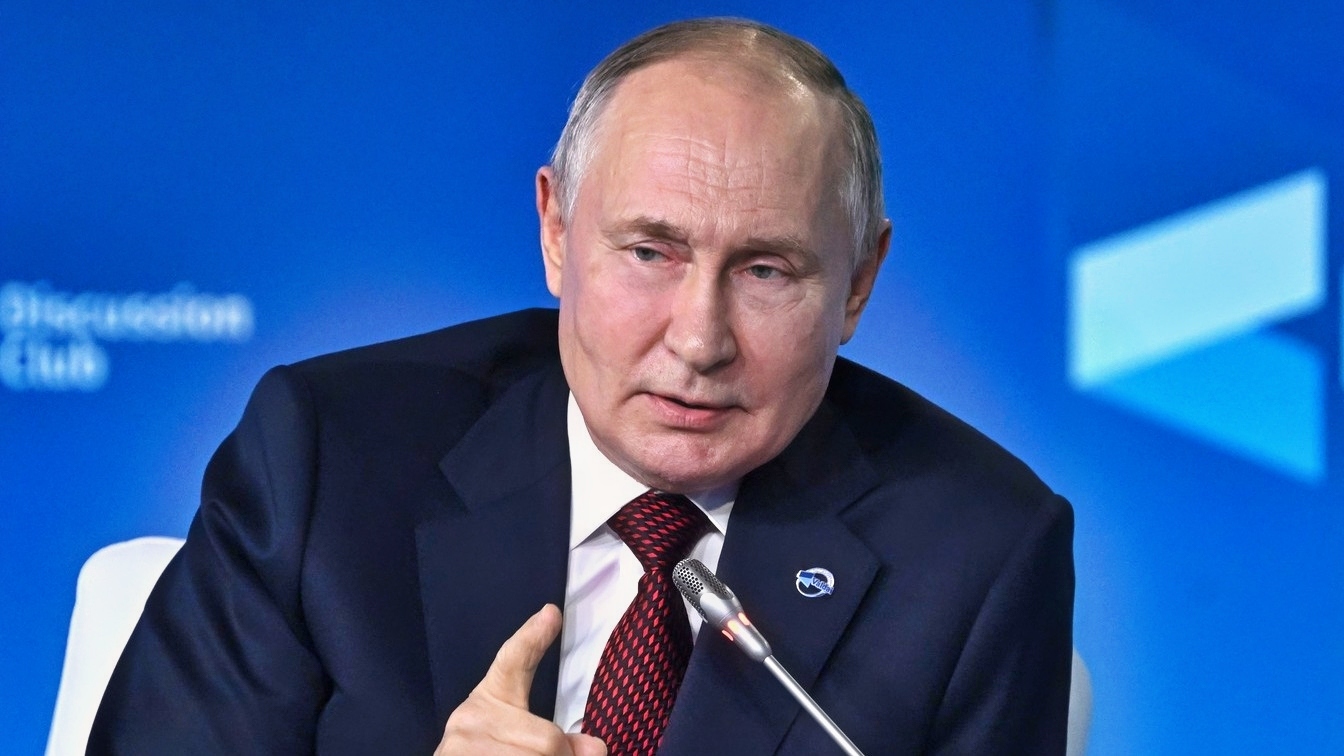
Putin Back in 2023. Image Credit: Russian Federation
Shortages have prompted long lines at gas stations and forced Moscow to begin importing foreign petroleum products from India to cover local demand.
“The increase in diesel prices has been driven by decreasing Russian diesel exports following drone strikes at several refineries,” said Natalia Losada, senior oil products analyst at Energy Aspects. That, and “even a potential ban will increase competition for US Gulf Coast and East of Suez barrels.”
The export ban covers all diesel exports, closing a loophole that allowed self-producing oil firms to sell fuel abroad.
Novak said, during a televised meeting chaired by President Vladimir Putin, that the fuel situation remained complex and that “it is clear that the current situation at filling stations is causing concern among the public.
“As a result of ongoing terrorist attacks on civilian infrastructure, including fuel and energy facilities, a number of oil refineries were damaged. Consequently, gasoline and diesel production was temporarily and partially reduced,” he said.
“Today, a ban on diesel fuel exports was introduced, and this will make it possible to increase supplies to the domestic market,” he added.
Diesel Ban To Last At Least Until July 31
According to the state-run and controlled news service, the temporary ban on diesel fuel, marine fuel, and gas oil exports is effective until July 31 and will apply to petroleum product producers.
“We will also begin importing petroleum products in July and increase production volumes by sourcing petroleum products of a lower environmental class,” said Novak.
The move to import gasoline from India was announced in late June. Kremlin spokesman Dmitry Peskov said Russia plans to buy gas from abroad to stabilize the domestic market. For such a large energy producer as Russia, this speaks volumes about how disruptive the Ukrainian attacks have been.
Russia is currently facing a 20 percent shortfall in domestic gasoline production, and plans to import up to 400,000 tons of fuel per month from neighboring countries to cover the deficit.
Indeed, Russia has begun importing fuel from India, with at least 60,000 metric tons of petrol having already been dispatched. The shipments have primarily originated from the Nayara Energy refinery in Gujarat.
With the news of Russia’s export ban, diesel futures soared by 12 percent in New York markets. European gasoil futures jumped 13 percent on Wednesday, according to the Wall Street Journal.
About the Author: Steve Balestrieri
Steve Balestrieri is a National Security Columnist. He served as a US Army Special Forces NCO and Warrant Officer. In addition to writing on defense, he covers the NFL for PatsFans.com and is a member of the Pro Football Writers of America (PFWA). His work was regularly featured in many military publications.


